Artwork
Andreas Rivetus, Doctor of Divinity and Professor
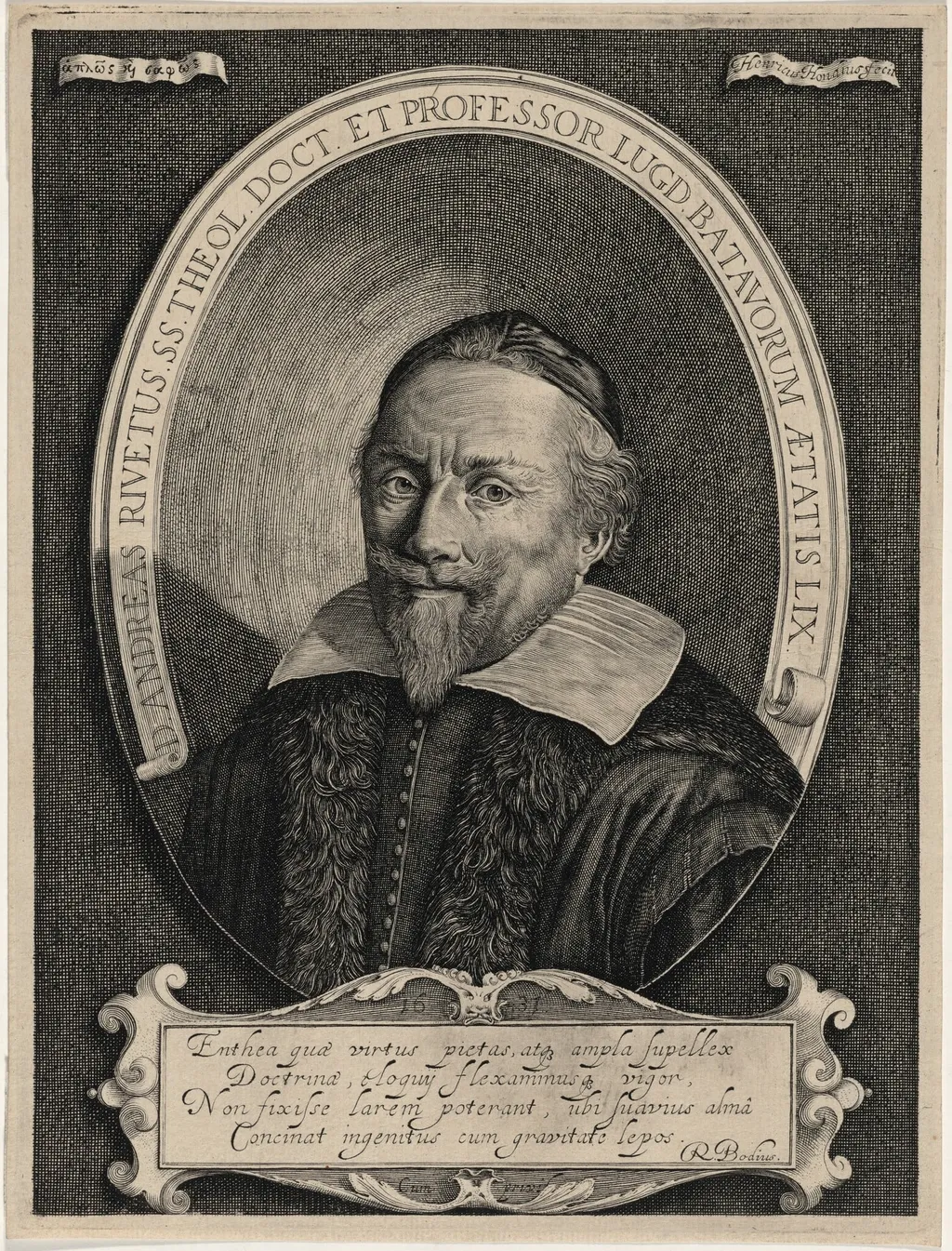
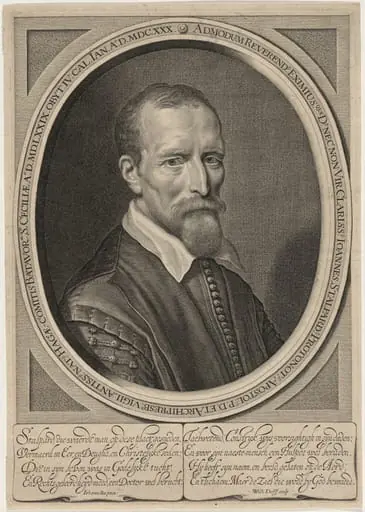
Andreas Rivetus, Doctor of Divinity and Professor is an ink print by the Renaissance artist Hendrik Hondius I. It dates from 1611 and is held in the collection of the National Gallery of Art.
About this work
Overview
The image was produced as a standalone print, likely for distribution among intellectual and religious circles.
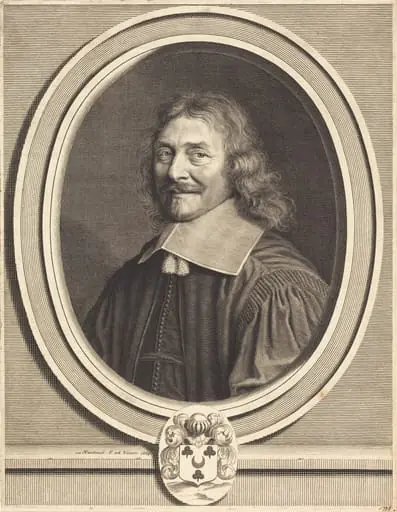
This 1611 engraving by Hendrik Hondius I portrays André Rivet, a French Protestant theologian and professor. Executed in fine line work typical of early 17th-century printmaking, the portrait captures Rivet in a scholarly setting, reflecting his academic role within the Reformed tradition. The image was produced as a standalone print, likely for distribution among intellectual and religious circles.
Subject & Meaning
André Rivet is depicted as a learned divine, seated before a cluttered desk laden with books and manuscripts. His serious gaze and formal attire convey gravitas and intellectual discipline. The arrangement of objects around him underscores his identity as a theologian engaged in study and writing, reinforcing the cultural value placed on scholarly rigor in post-Reformation Europe.
Technique & Style
Hondius employed precise etching and engraving techniques to render fine details in Rivet’s clothing, facial features, and the textures of paper and leather-bound volumes. The composition is tightly framed, emphasizing the subject’s presence amid his intellectual tools. The tonal range is restrained, relying on line density rather than shading to suggest depth and volume.
History & Provenance
Created in 1611, the engraving was part of a broader trend of producing portrait prints of prominent scholars and clergy. Hondius, known for his portraits of intellectuals, likely made this image to honor Rivet’s standing in Protestant academic circles. The print circulated widely in Europe, appearing in collections of biographical engravings and theological reference materials.
Context
Rivet was a key figure in the Reformed Church, teaching at the Academy of Saumur and engaging in theological debates with Catholic and Calvinist thinkers. His portrait reflects the era’s emphasis on literacy and theological authority. Such images served both as personal tributes and as symbols of institutional legitimacy within Protestant educational networks.
Legacy
The engraving remains a documented representation of Rivet, used in later biographical works and theological histories. While not widely exhibited today, it contributes to the visual record of early modern Protestant scholarship. Hondius’s rendition continues to be referenced in studies of academic portraiture and the material culture of Reformation-era intellectuals.
Artist & collection