Artwork
Petrus Collins
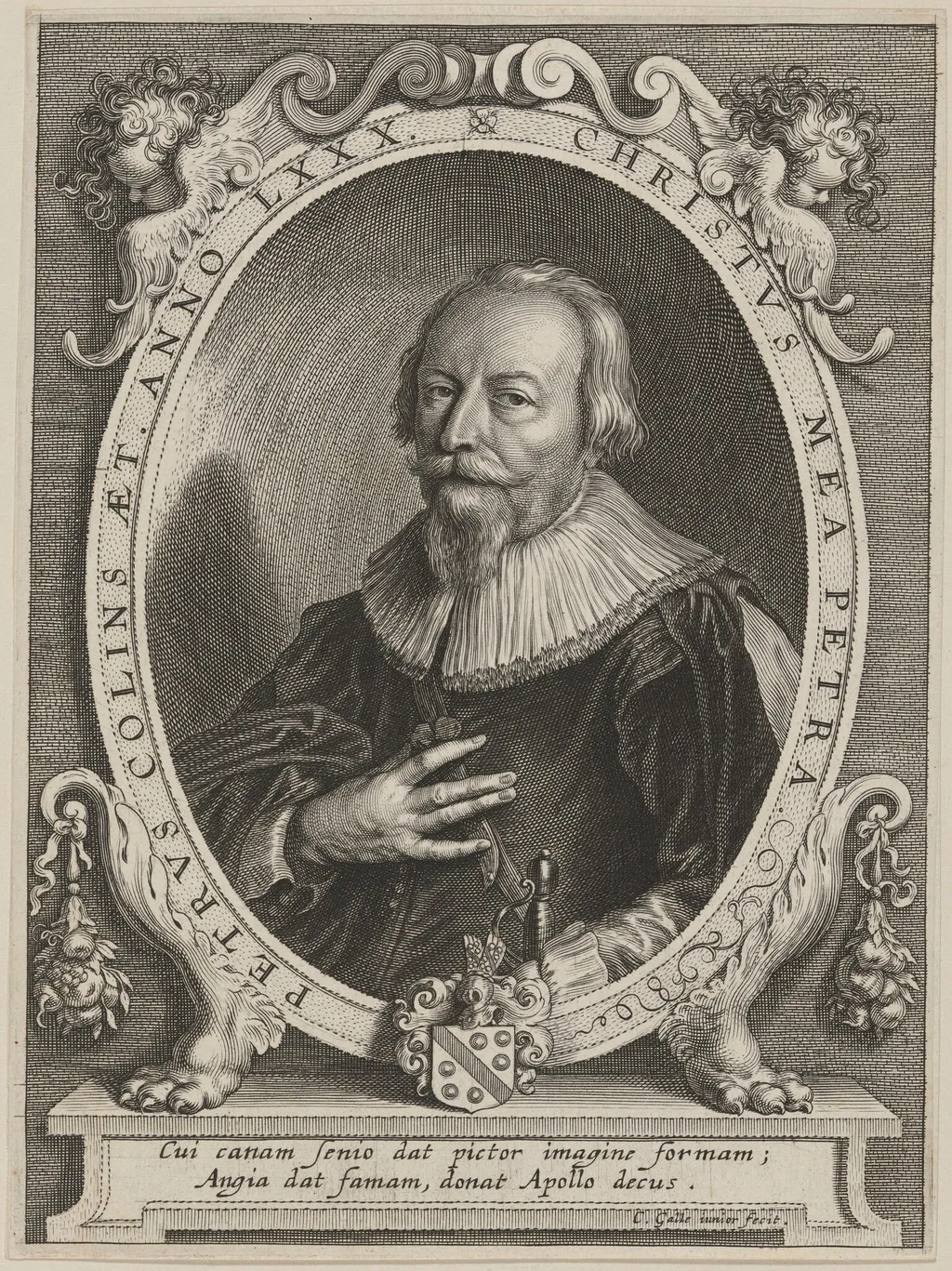
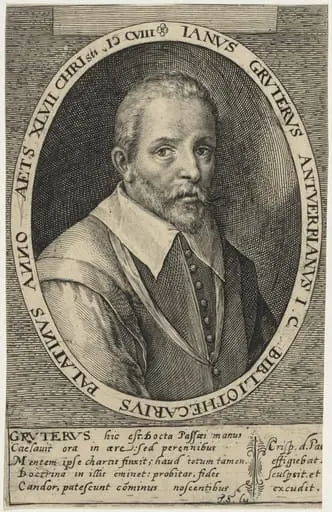
Petrus Collins is an ink print by the Renaissance artist Cornelis Galle I. It dates from 1613 and is held in the collection of the National Gallery of Art.
About this work
Overview
Petrus Collins is a 1613 engraving by Cornelis Galle the Elder, a Flemish artist. The work is a portrait of a man, executed in black and white with intricate details.
Subject & Meaning
The subject, Petrus Collins, is depicted in formal attire with a ruffled collar and layered clothing, suggesting a figure of some prominence. The surrounding Latin text, including a poetic inscription at the bottom, likely highlights his accomplishments or reputation.
Technique & Style
Galle employed fine lines and shading techniques to achieve depth, particularly in the rendering of the subject's face, beard, and clothing. The ornate frame, adorned with swirling designs and Latin words, contrasts with the plain background.
History & Provenance
Created during Galle's period in Antwerp after his time in Rome, Petrus Collins showcases his refined engraving skills, honed through training with his father and experiences in Rome. The artist's dual role as engraver and printseller contextualizes the work's production.
Context
As a portrait engraving, Petrus Collins fits within Galle's common practice of reproducing or designing portraits, catering to the demand for such images in the early 17th century.
Artist & collection

Artist
Cornelis Galle the Elder (1576 – 29 March 1650), a younger son of Philip Galle, was born at Antwerp in 1576, and was taught engraving by his father.

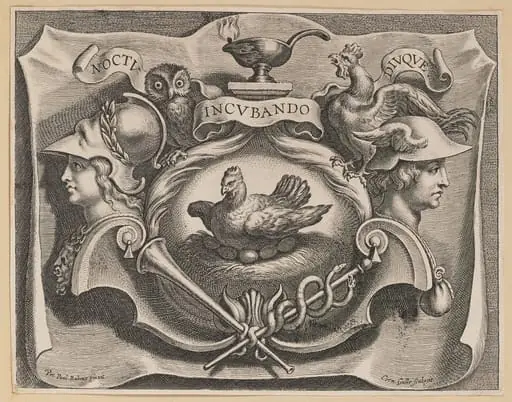 Vignette for the Title Page of Martinus Bonacina, Opera Omnia
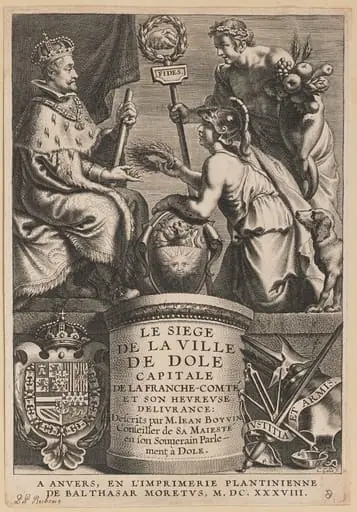 Title Page for Jean Boyvin, Le Siege de la Ville de Dole
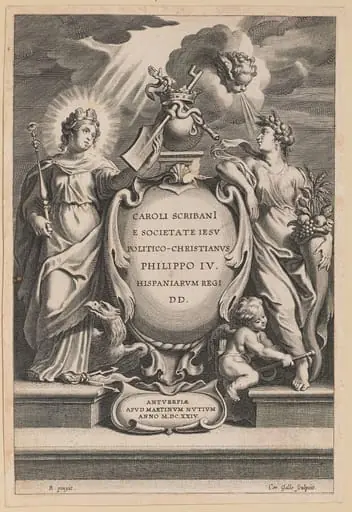 Title Page for Carolus Scribani, Politico-Christianus
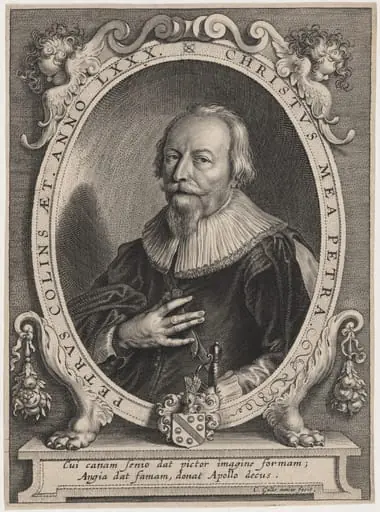 Petrus Collins
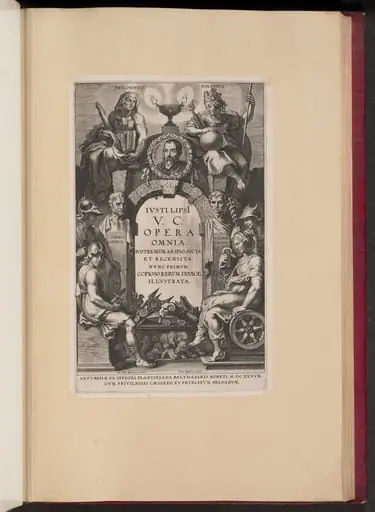 Title Page for Justus Lipsius, Opera Omnia, I
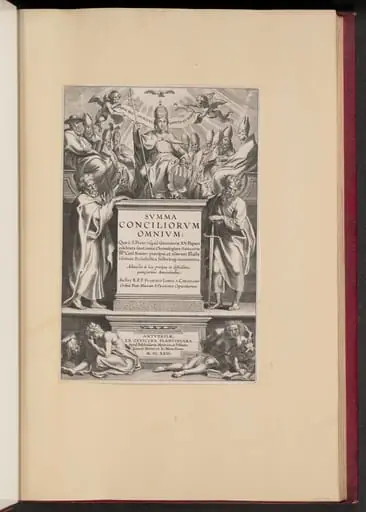 Title Page for F. Longo a Coriolano's "Svmma Conciliorvm Omnivm"
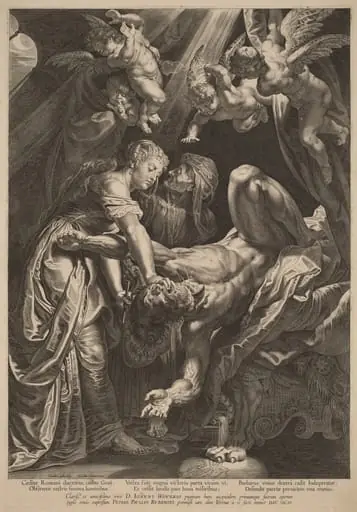 Judith Beheading Holofernes
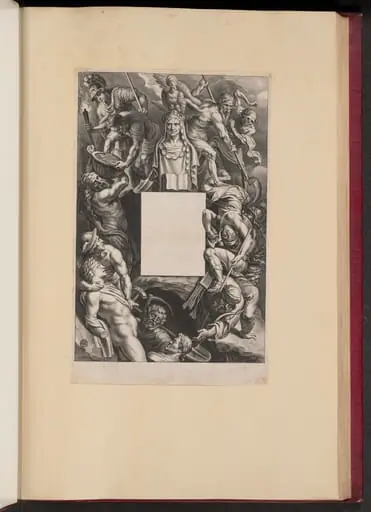 Title Page for Hubert Goltzius, Romanae et Graecae Antiqvitatis Monvmenta (Opera Omnia, I)