Artwork
Jacobean House, Winchcombe
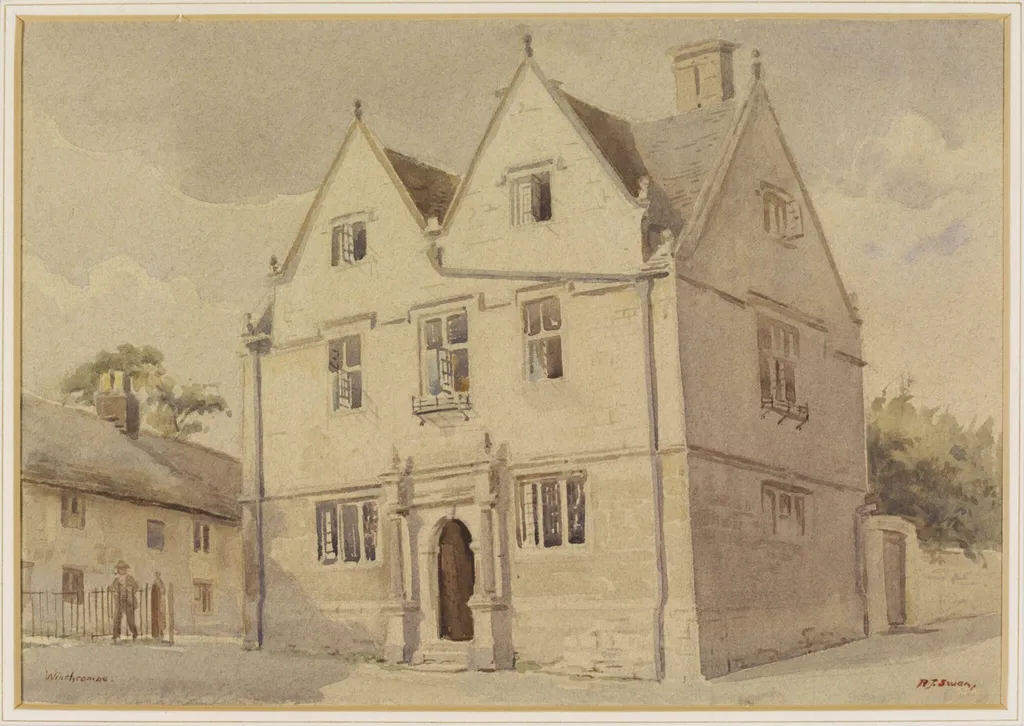
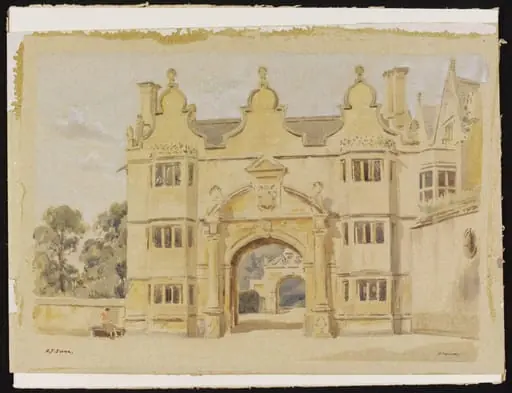
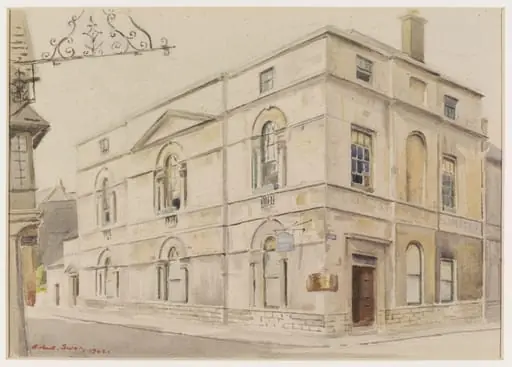
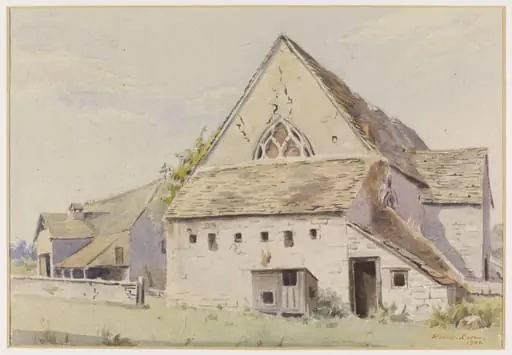
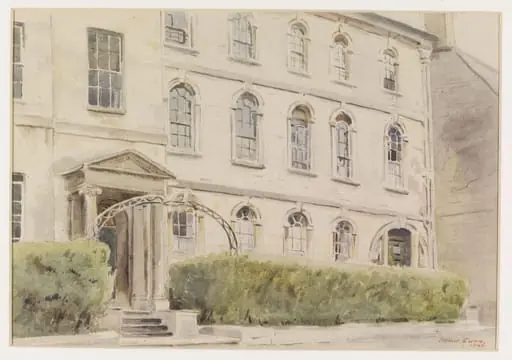
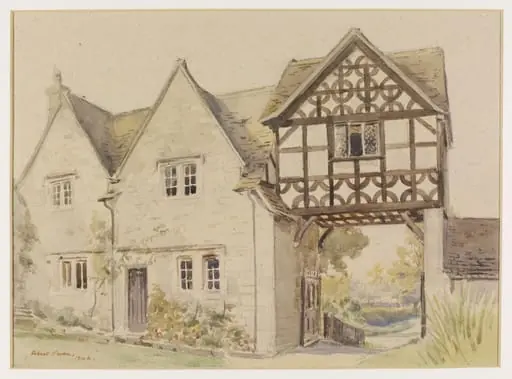
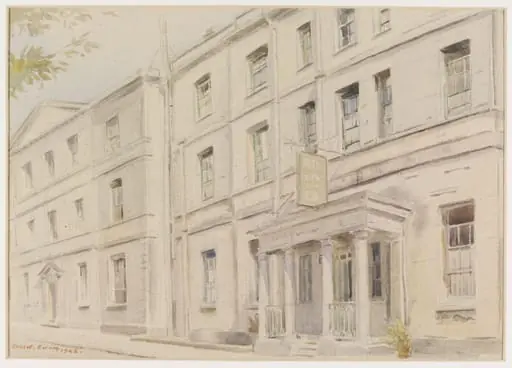
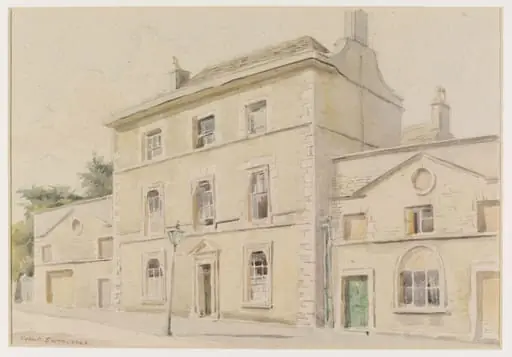
Jacobean House, Winchcombe is a watercolor work on paper by Swan. It dates from 1942 and is held in the collection of the Victoria and Albert Museum. Painted in 1942, this watercolour captures a Jacobean-era house in Winchcombe, Gloucestershire, rendered in soft, muted tones.
About this work
Overview
The artist, identified as Swan, employed delicate watercolour techniques to convey texture and atmosphere without overt dramatization.
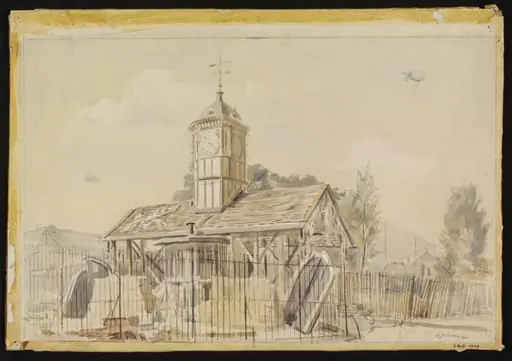
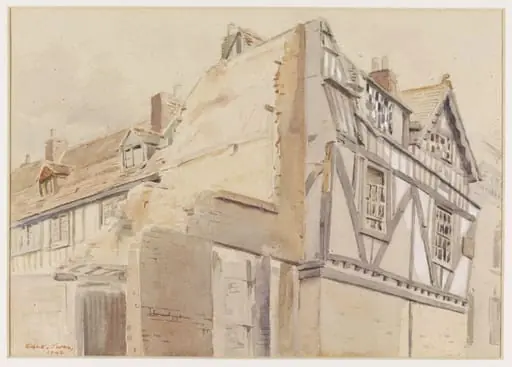
Painted in 1942, this watercolour captures a Jacobean-era house in Winchcombe, Gloucestershire, rendered in soft, muted tones. The work was produced as part of the 'Recording Britain' initiative, a wartime effort to visually archive the nation’s architectural heritage amid fears of loss from conflict and urban change. The artist, identified as Swan, employed delicate watercolour techniques to convey texture and atmosphere without overt dramatization.
Subject & Meaning
The house, with its light stone facade, twin gables, and arched entrance, reflects early 17th-century domestic architecture. Flanking structures—a cottage to the left and a walled garden to the right—suggest a modest rural estate. A solitary figure near the fence grounds the scene in everyday life, emphasizing continuity rather than grandeur. The image serves as a quiet testament to vernacular building traditions at risk during wartime.
Technique & Style
Executed in watercolour, the painting relies on translucent washes to suggest the texture of stone and the play of light across surfaces. Details like window mullions and roof tiles are rendered with precise, light brushwork, avoiding heavy outlines. The palette is restrained, favoring pale greys, ochres, and soft greens, enhancing the sense of stillness and age. The composition balances architectural form with subtle environmental context.
History & Provenance
Created during the Second World War, the work was commissioned by the Pilgrim Trust under the direction of Sir Kenneth Clark as part of the 'Recording Britain' project. The initiative enlisted artists to document at-risk buildings and landscapes across the country. This watercolour entered the collection of the Victoria and Albert Museum, where it remains as part of a broader archive of wartime cultural preservation.
Context
The 'Recording Britain' project emerged amid anxieties over the destruction of historic sites and the erosion of rural life. Artists like Swan were tasked with capturing structures that embodied regional identity, often in villages less affected by bombing but vulnerable to neglect or modernization. This painting reflects a broader cultural effort to safeguard visual memory when physical preservation seemed uncertain.
Legacy
The watercolour contributes to a significant archive of 20th-century British topographical art. While not widely exhibited, it remains a representative example of how artists responded to wartime imperatives through quiet observation. Its preservation in the V&A ensures continued access to a visual record of pre-industrial English architecture, valued for its documentary integrity rather than aesthetic flourish.
Artist & collection
Artist
In 1942, this watercolor artist captured Cirencester and the Cotswolds in soft, detailed scenes.