Artwork
The Steep Path
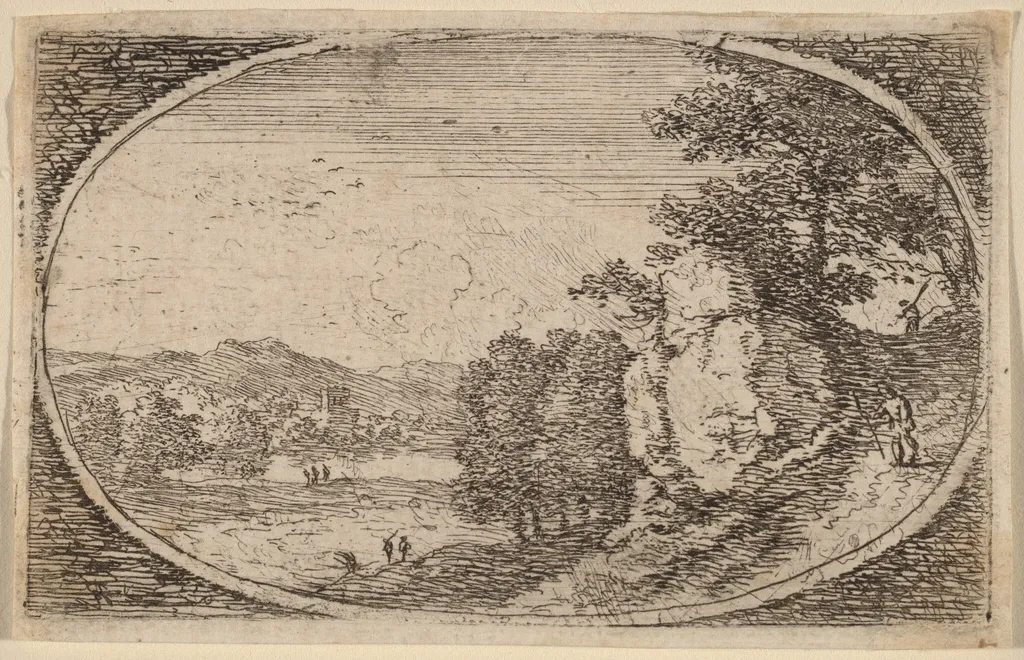
The Steep Path is an ink print by the Baroque artist Herman van Swanevelt. It dates from 1628 and is held in the collection of the National Gallery of Art.
About this work
Overview
The Steed Path, an etching produced in 1628 by the Dutch landscape artist Herman van Swanevelt, presents a monochrome view of a narrow track climbing a precipitous slope. The composition is dominated by a densely rendered hillside, its surface textured with fine cross‑hatching, while a handful of diminutive travelers traverse the way, their presence barely discernible amid the dominant terrain.
Subject & Meaning
The print captures a solitary, rugged ascent, suggesting both the physical challenge of navigating steep terrain and a metaphorical journey through nature’s untamed realms. The tangled trees and uneven ground convey a sense of wilderness, while the tiny figures imply human endeavor against an imposing landscape, inviting contemplation of humanity’s place within the natural world.
Technique & Style
Van Swanevelt employed traditional copper‑plate etching, incising lines that were later filled with ink to produce deep, velvety shadows. The artist’s use of thick, tangled strokes for foliage and a dense stippling for the ground creates a tactile impression of texture. This method, prevalent in the early seventeenth century, allowed for fine detail and strong contrasts between light and dark.
History & Provenance
Created in the early phase of van Swanevelt’s career, The Steep Path reflects the period’s fascination with topographical studies and the burgeoning market for landscape prints. While specific ownership records are scarce, the work has been catalogued among the artist’s surviving prints and appears in several European collections that specialize in Dutch Baroque graphic art.
Artist & collection

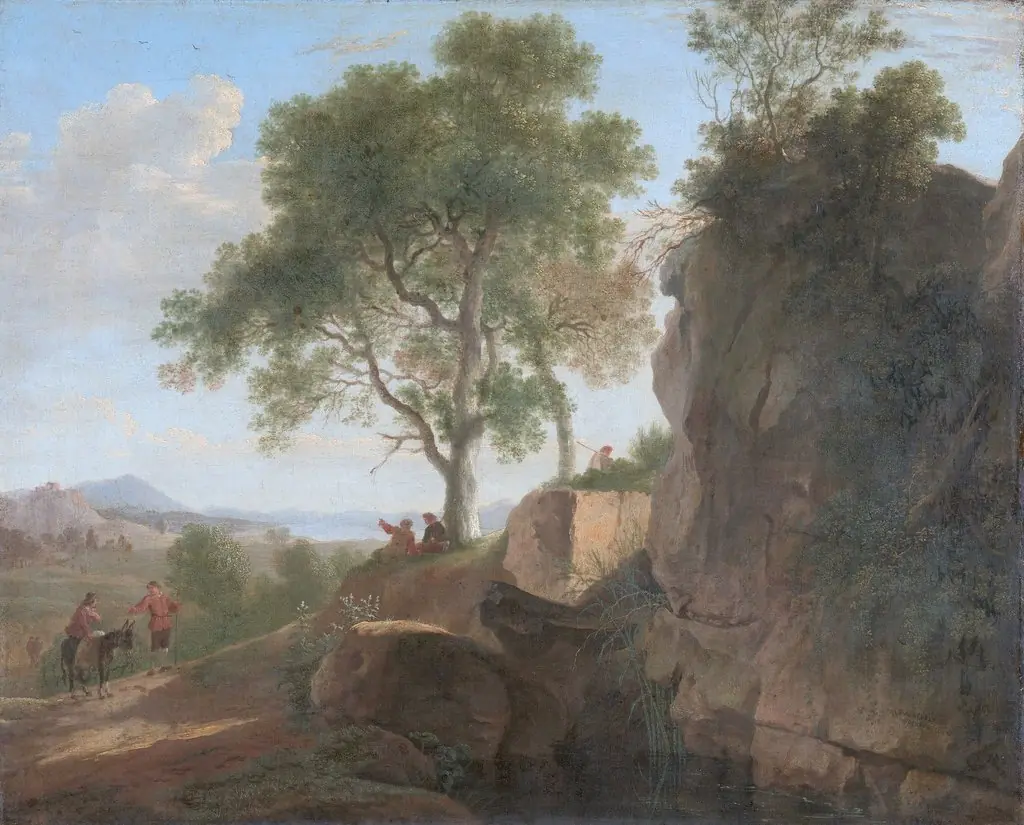
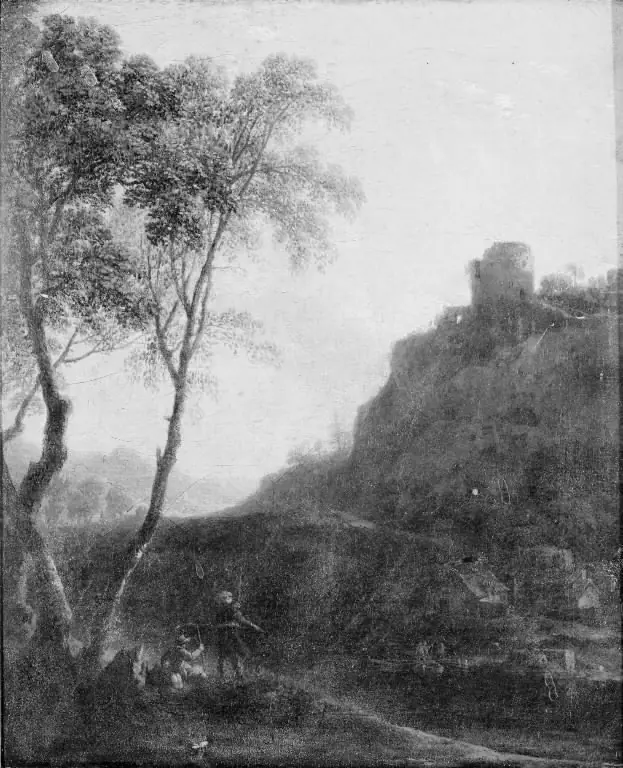
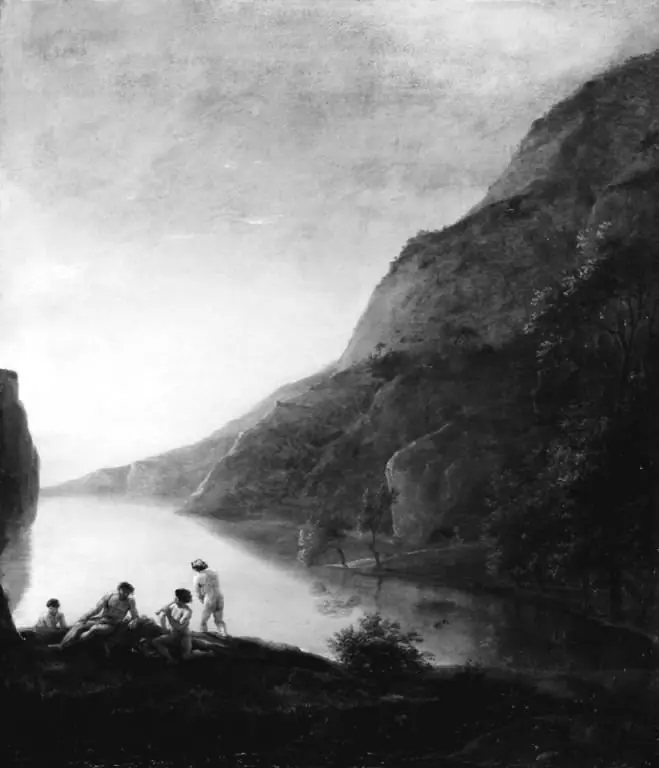
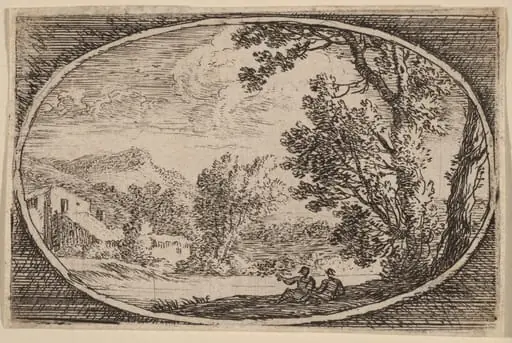 Two Men Seated Near the Waterside
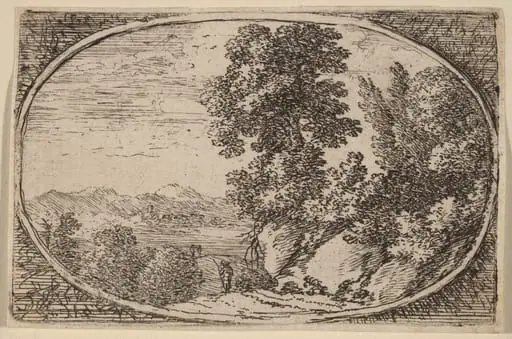 The Boulder Crowned with Trees
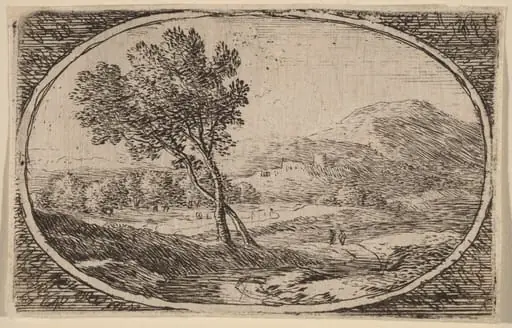 Two Trees with Crossed Trunks
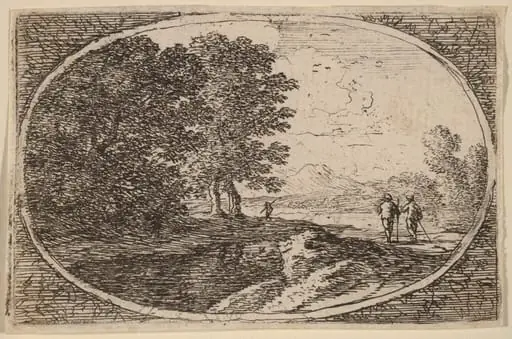 Three Men Carrying Staffs
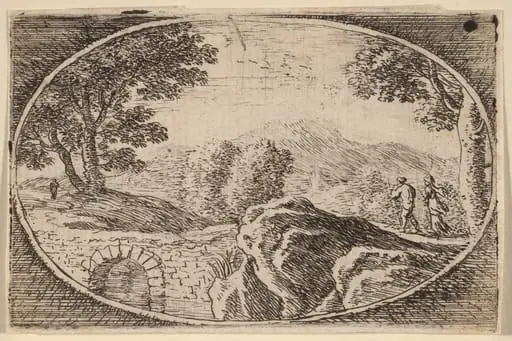 Two Figures near a Small Stone Bridge
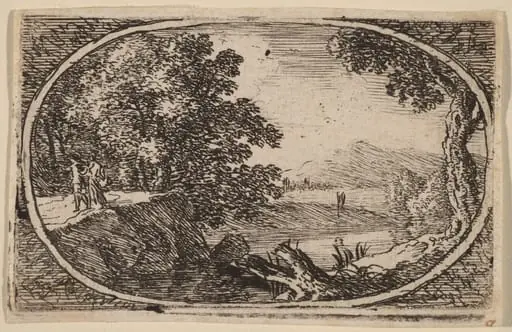 The Stump near the River
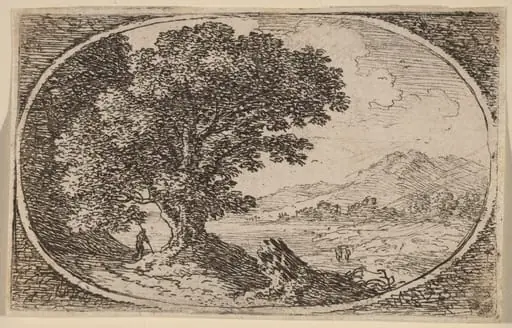 Path to Left of a Large Tree and a Stump
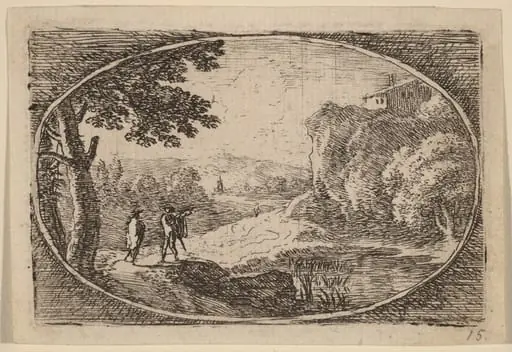 The House on the Rock
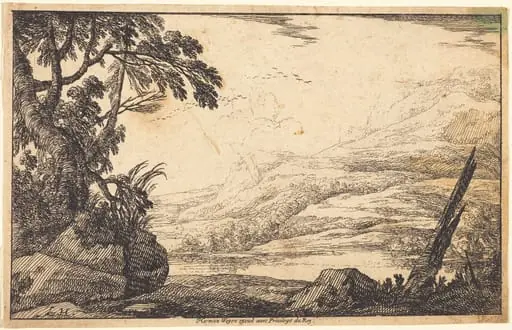 Mountainous Landscape
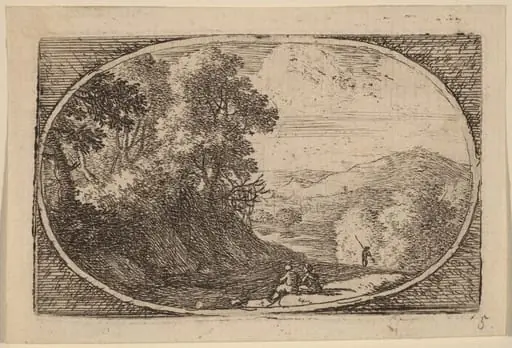 Two Figures Seated to the Right of a Road