Artwork
Saint Mary Magdalene in Ecstasy
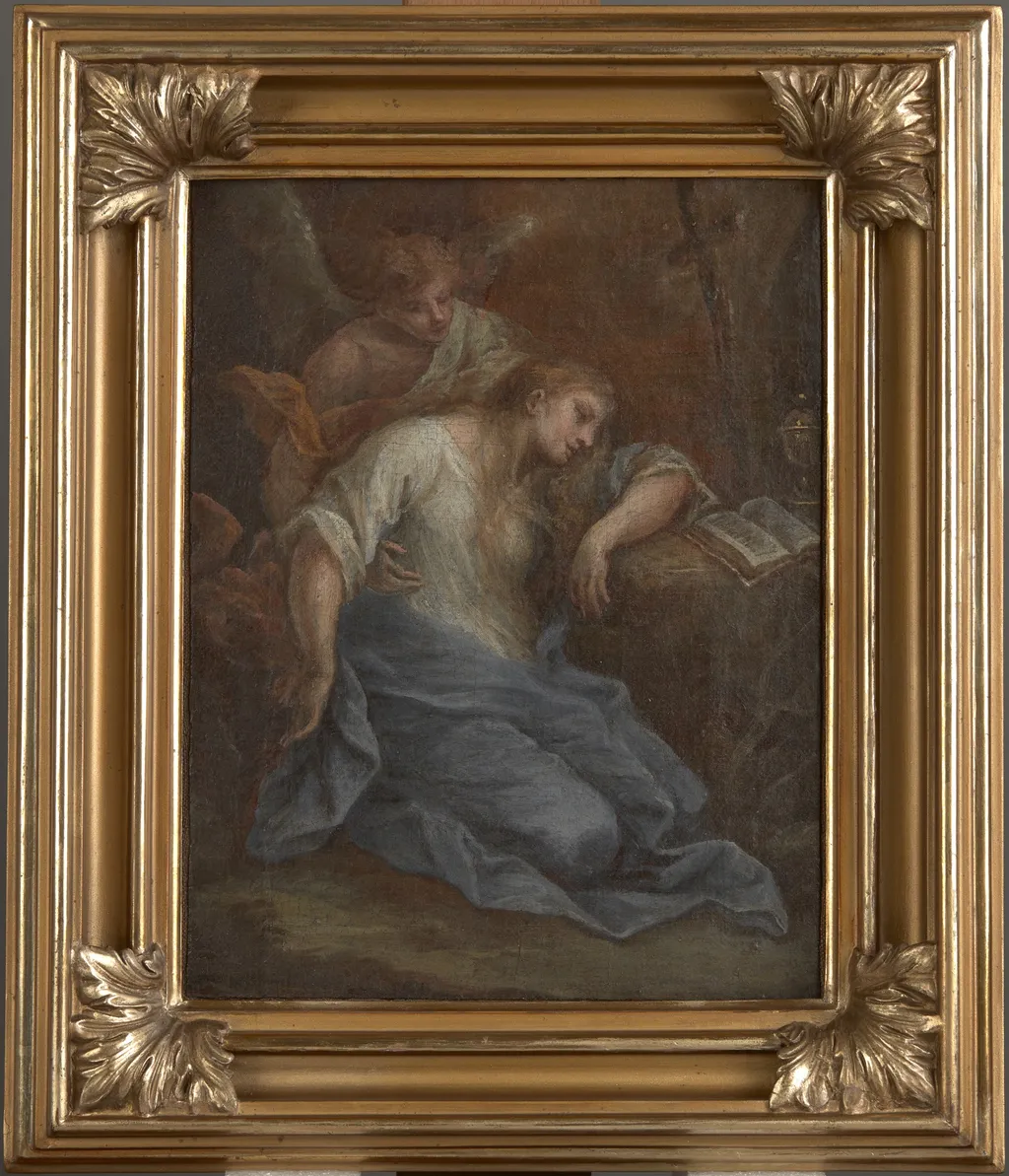
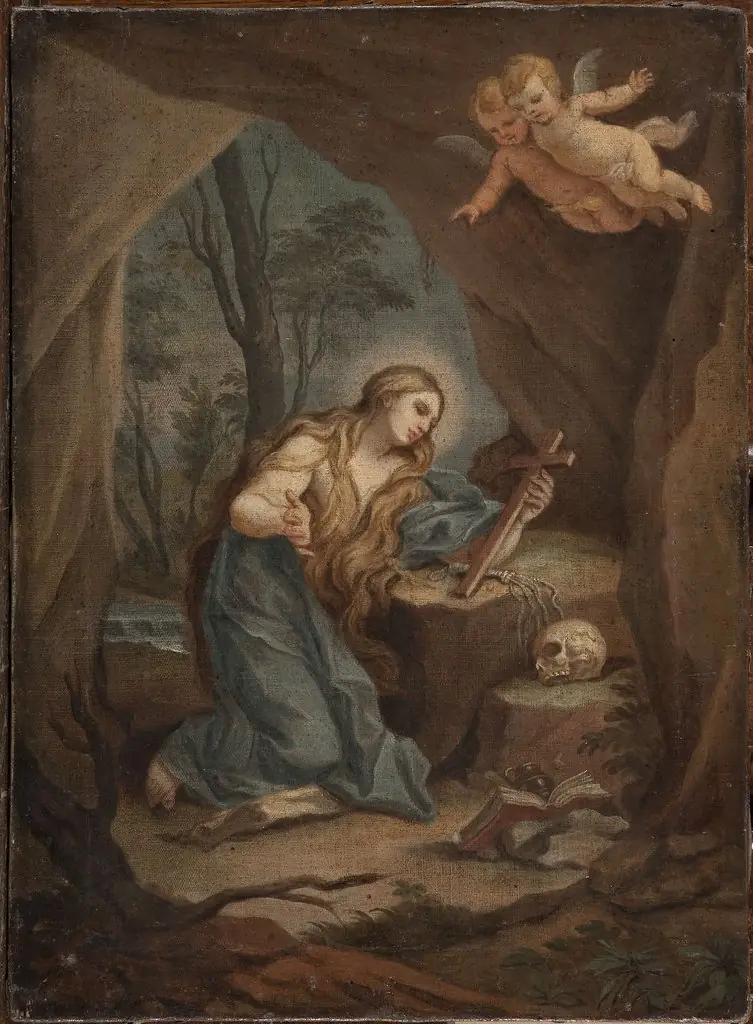
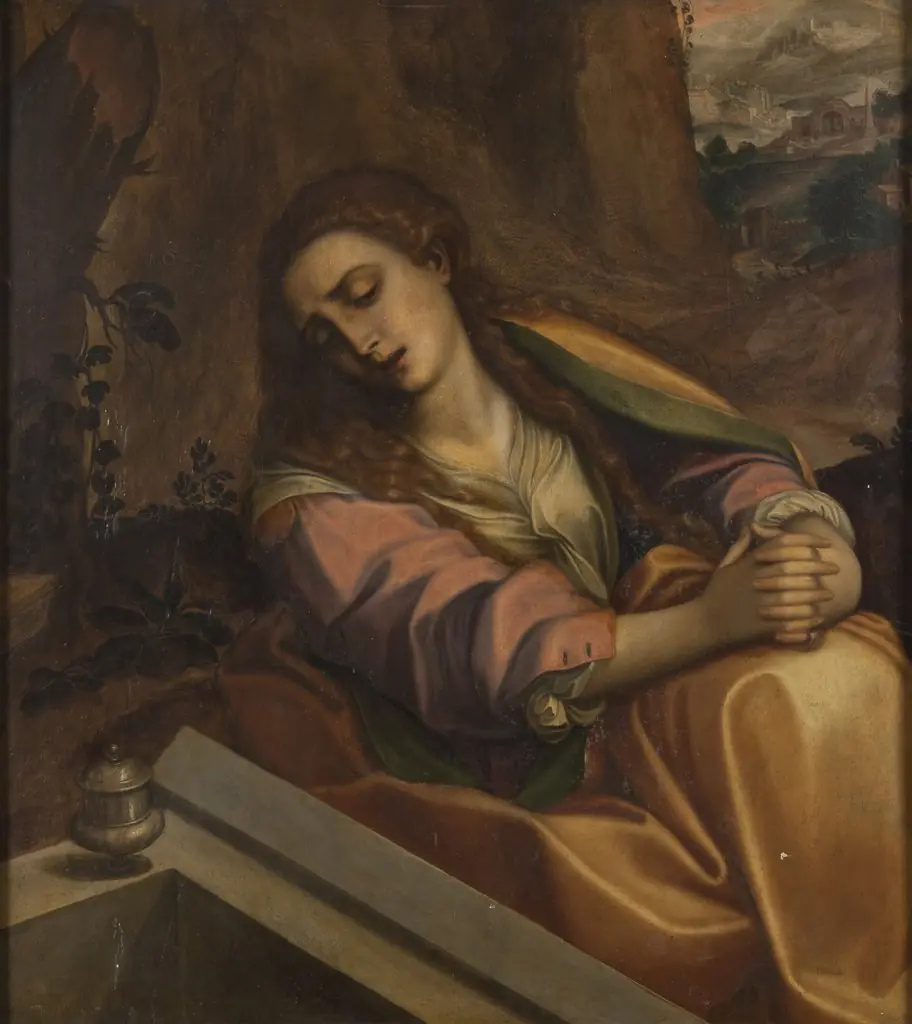
Saint Mary Magdalene in Ecstasy is an oil painting by the Rococo painting artist Szymon Czechowicz. It dates from 1750 and is held in the collection of the National Museum in Kraków.
About this work
Overview
Saint Mary Magdalene in Ecstasy is an oil painting created by Szymon Czechowicz around 1750, characterized by its Rococo style and depiction of a religious subject. It is part of the National Museum in Kraków's collection.
Subject & Meaning
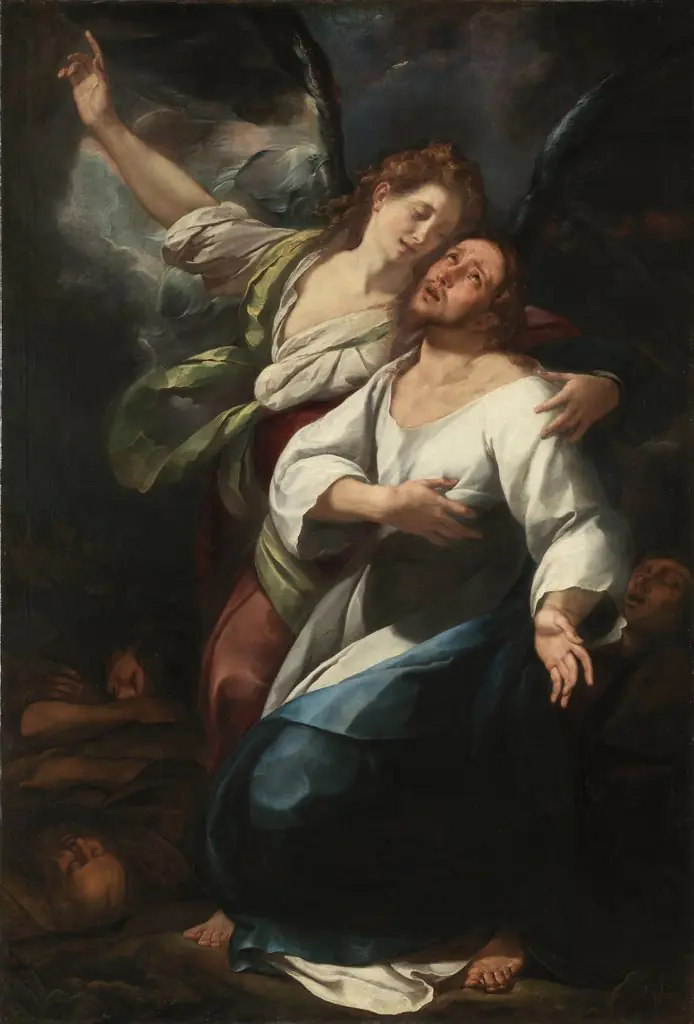
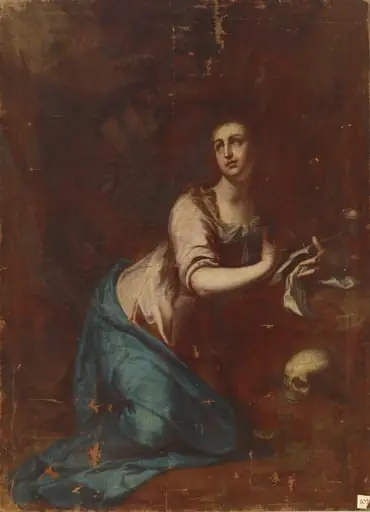
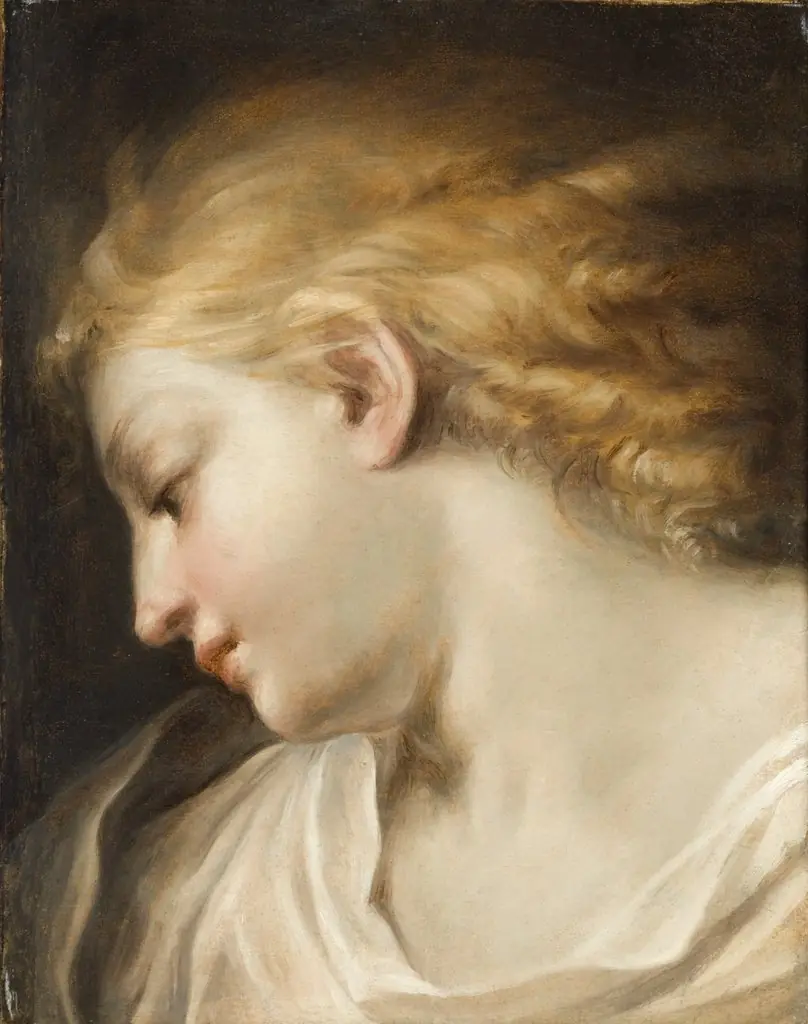
The painting portrays Saint Mary Magdalene in a state of deep contemplation or ecstasy, indicated by her tilted head, closed eyes, and pose. An accompanying angel conveys divine guidance, emphasizing the spiritual nature of the scene.
Technique & Style
Executed in oil paint, the work showcases Czechowicz's Baroque expertise within the Rococo movement, notable for its use of a dark background to contrast with the subject's attire and to focus attention on the central figures.
History & Provenance
Created circa 1750 by Szymon Czechowicz, a pivotal figure in 18th-century Polish art, the painting is now housed in the National Museum in Kraków, reflecting the artist's influence on Polish artistic traditions.
Context
As part of Czechowicz's sacred oeuvre, Saint Mary Magdalene in Ecstasy represents the artistic and religious sentiments of its time, blending spiritual themes with the aesthetic sensibilities of the Rococo period.
Legacy
Through this and other works, Czechowicz established a significant painting school, substantially impacting the development of Polish art in the 18th century.
Artist & collection
Artist
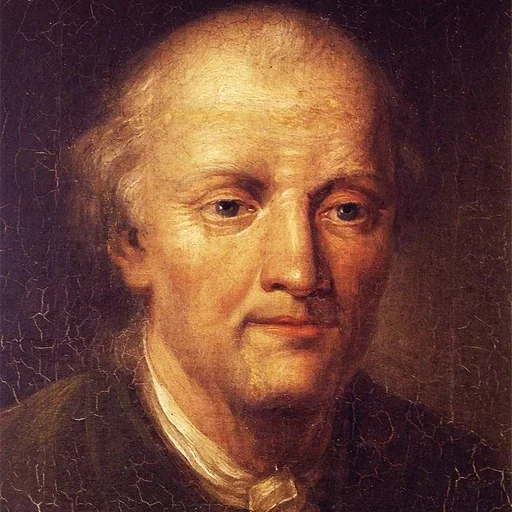
Szymon Czechowicz (July 1689 – 21 July 1775) was a prominent Polish painter of the Baroque, considered one of the most accomplished painters of 18th century sacral painting in Poland.