Artwork
Meditating Daruma
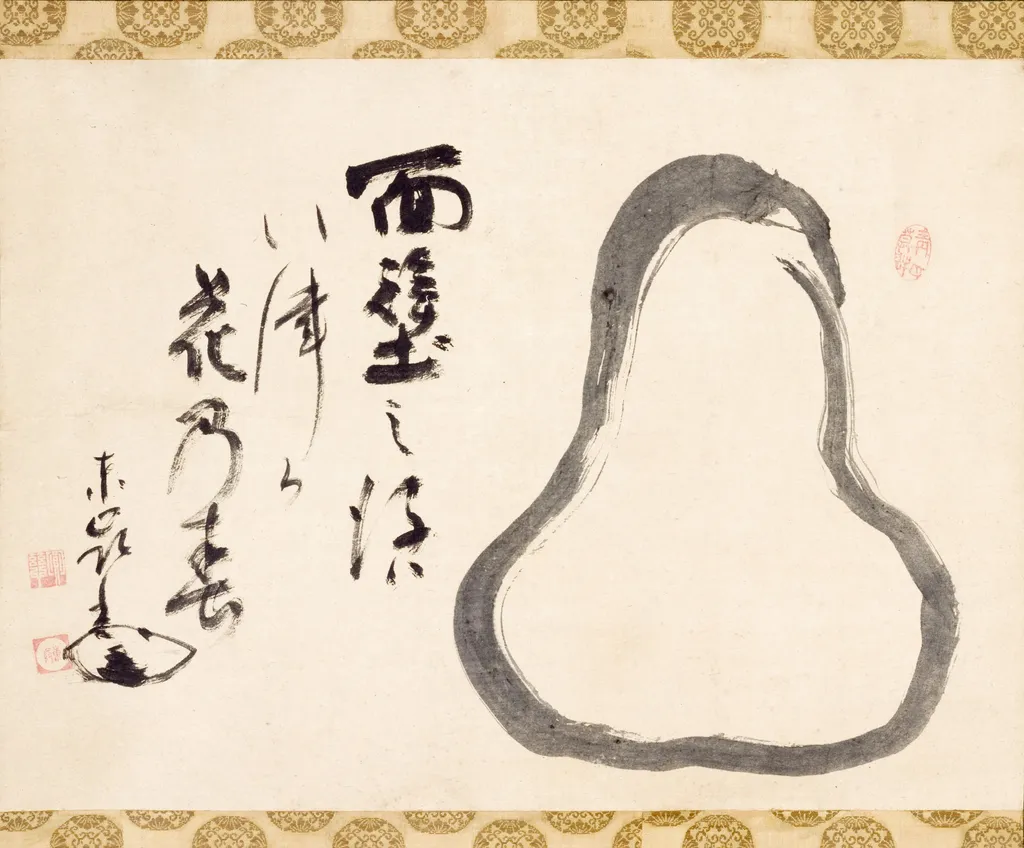
Meditating Daruma is an unspecified painting by Tōrei Enji. It dates from 1750 and is held in the collection of the Los Angeles County Museum of Art.
About this work
Overview
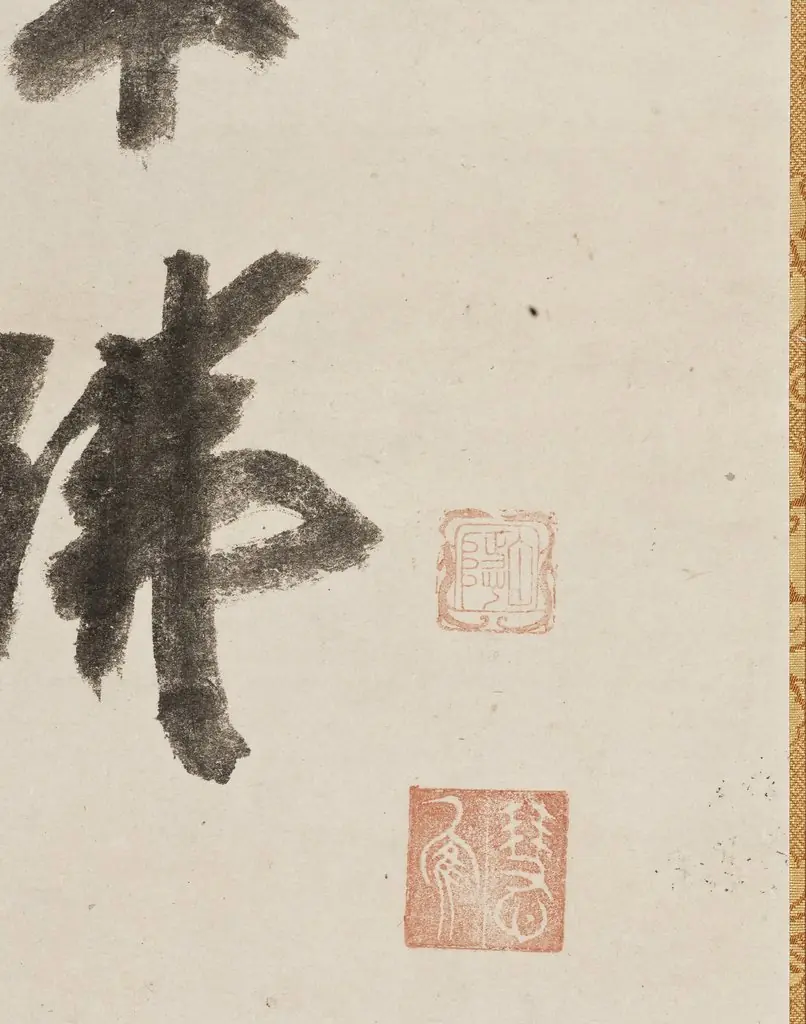
Created around 1750 by the Japanese painter Tōrei Enji, Meditating Daruma is an ink and wash work now in the collection of the Los Angeles County Museum of Art. The composition is divided into two distinct zones: a column of black Chinese characters on the left and a single, large gray form on the right, set against a muted beige ground.
Subject & Meaning
The solitary gray shape evokes the silhouette of a gourd or pear, a motif frequently associated with Buddhist symbolism and the notion of containment or rebirth. The juxtaposition of calligraphic characters—often used for sutras or devotional text—with this abstracted object invites contemplation of the relationship between word and form in meditative practice.
Technique & Style
Enji employs bold, expressive brushstrokes typical of Edo‑period ink painting, allowing the ink to vary from deep black to soft gray. The background is rendered in a light, almost washed-out beige, creating a subtle contrast that emphasizes the immediacy of the strokes while maintaining an overall sense of restraint and balance.
History & Provenance
The work entered the Los Angeles County Museum of Art as part of its Asian art acquisitions in the late twentieth century. Its attribution to Tōrei Enji is based on stylistic analysis and comparative study with other mid‑eighteenth‑century Japanese paintings, confirming its place within the artist’s modest but respected oeuvre.
Artist & collection
Artist
Tōrei Enji made bold ink portraits of Zen masters in the 1700s. His *Meditating Daruma* shows the founder of Zen seated in sharp, calligraphic strokes, robes pooling like ink spilled on paper. Daruma’s single sandal…

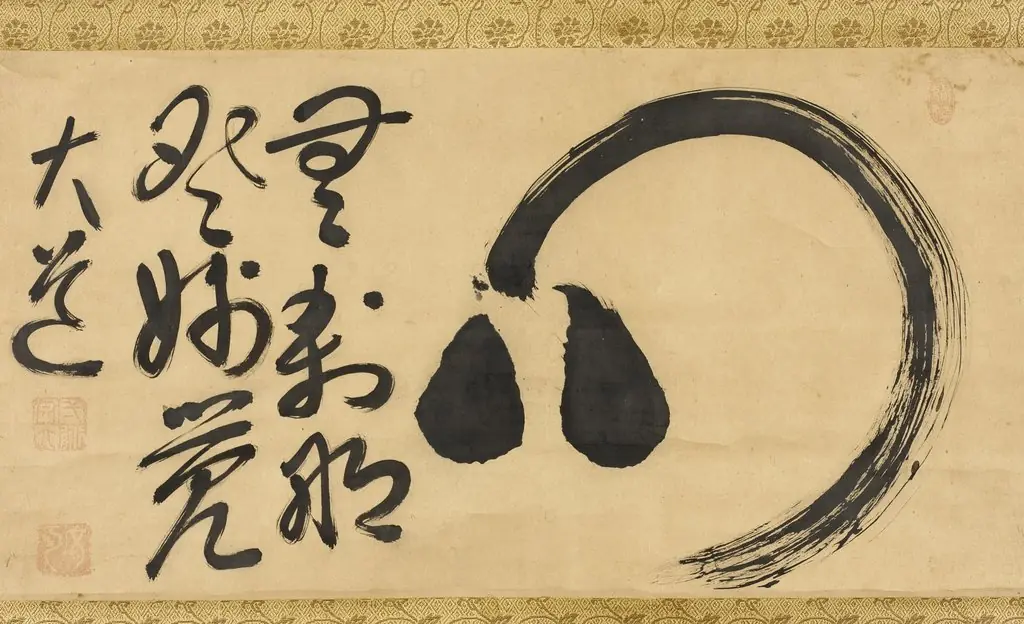 The Character for "Heart/Mind" as an Ensō
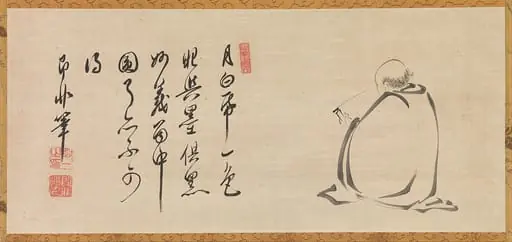 羅漢図|An Arhat Reading a Sutra by Moonlight
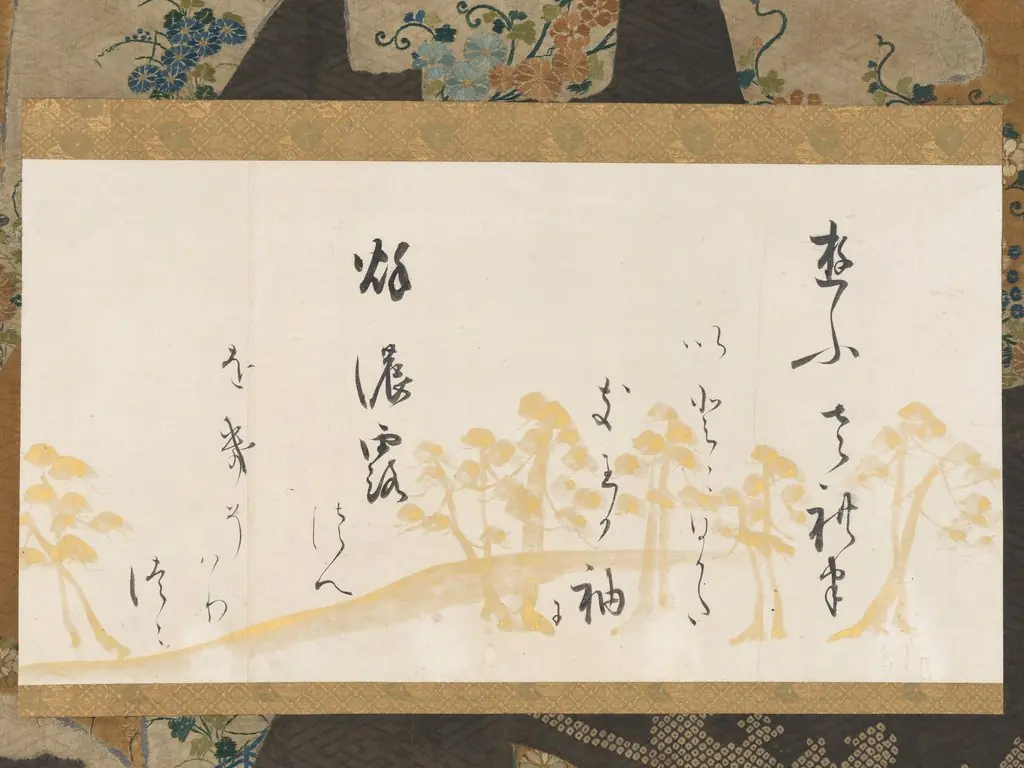 Section of a Handscroll with Waka and Underpainting of Pines
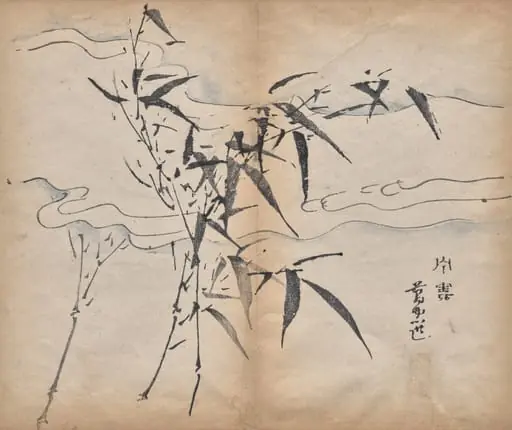 Bamboo
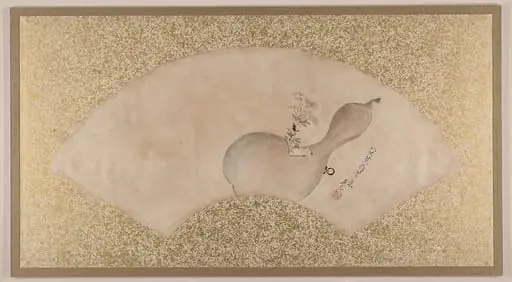 Untitled
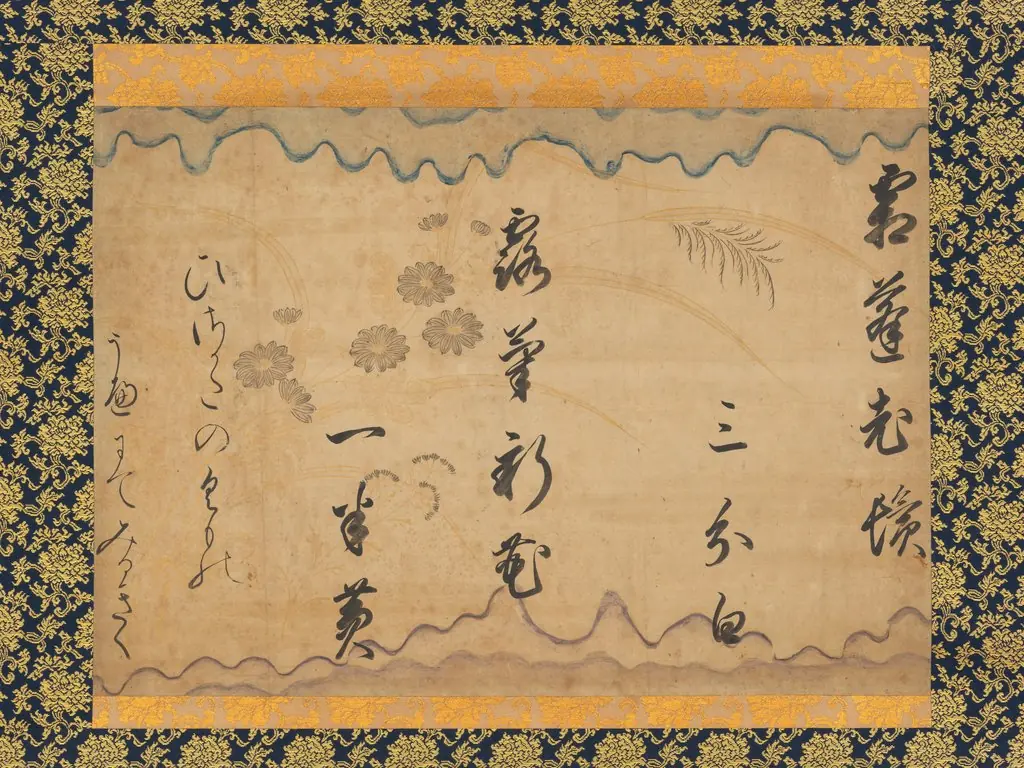 Chinese Couplet by Bai Juyi and Waka by Fujiwara no Toshiyuki (partial) from “Japanese and Chinese Poems to Sing” (Wakan rōeishū)
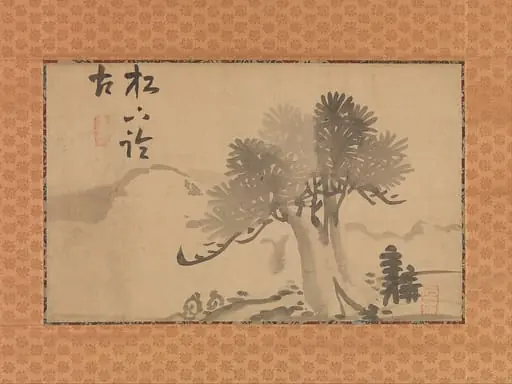 池大雅筆 「大雅堂画弁題詩」|Pine Tree and Calligraphy
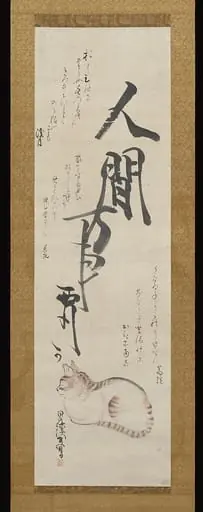 Untitled
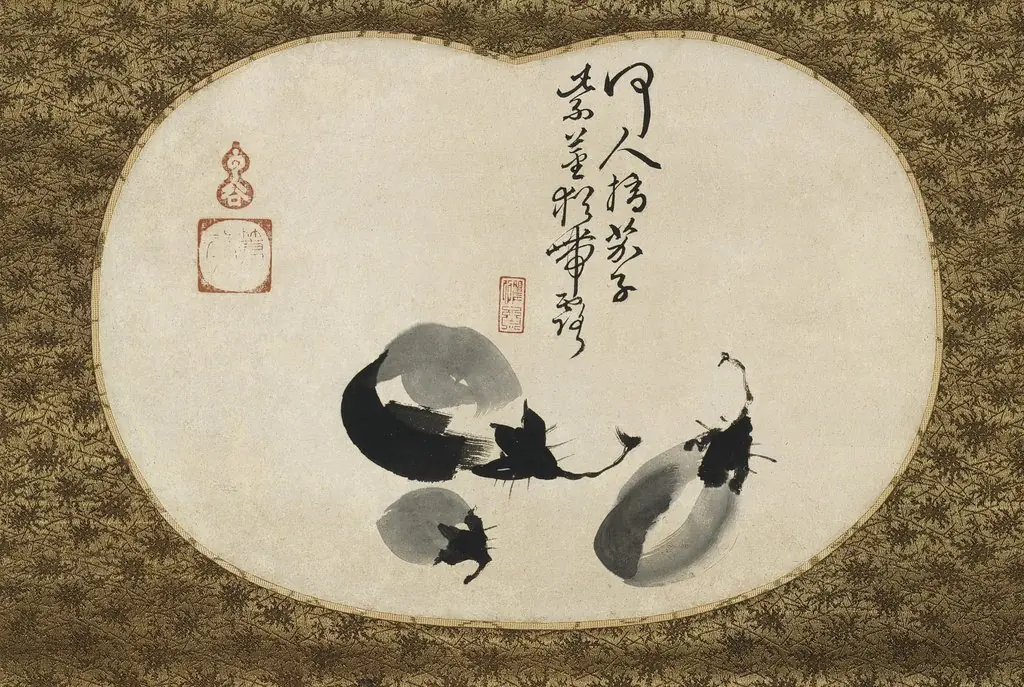 Eggplants and Poem
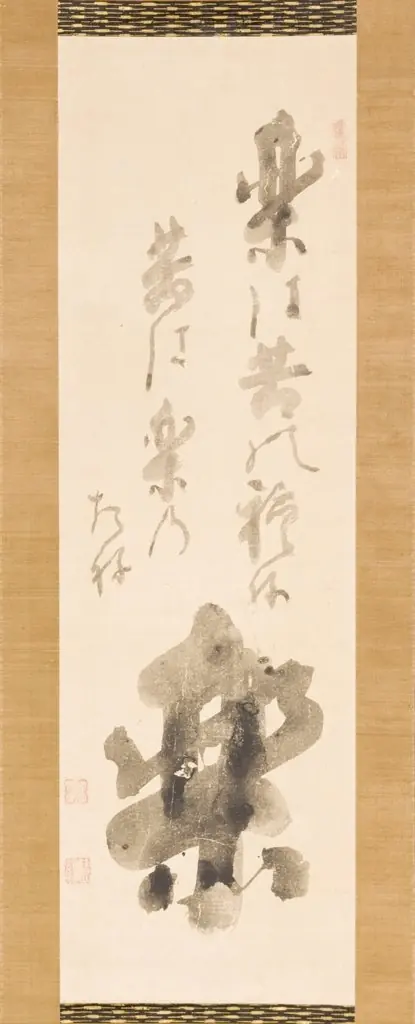 'JOY: In joy lie the seeds of sufferings; in sufferings lie the seeds of joy (RAKU: Raku wa kū no tane; Kū wa raku no tane)'
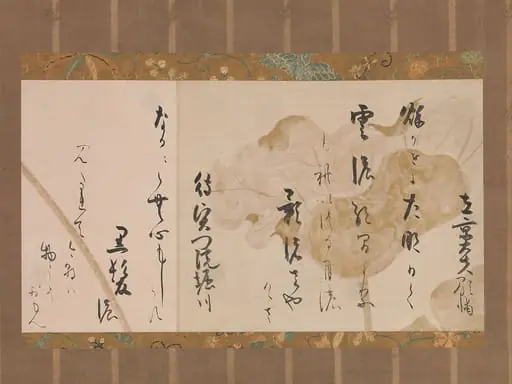 本阿弥光悦書・俵屋宗達下絵 小倉百人一首和歌巻断簡|Two Poems from One Hundred Poems by One Hundred Poets
 Daruma