Artwork
Sigismund Augustus and Barbara Giza
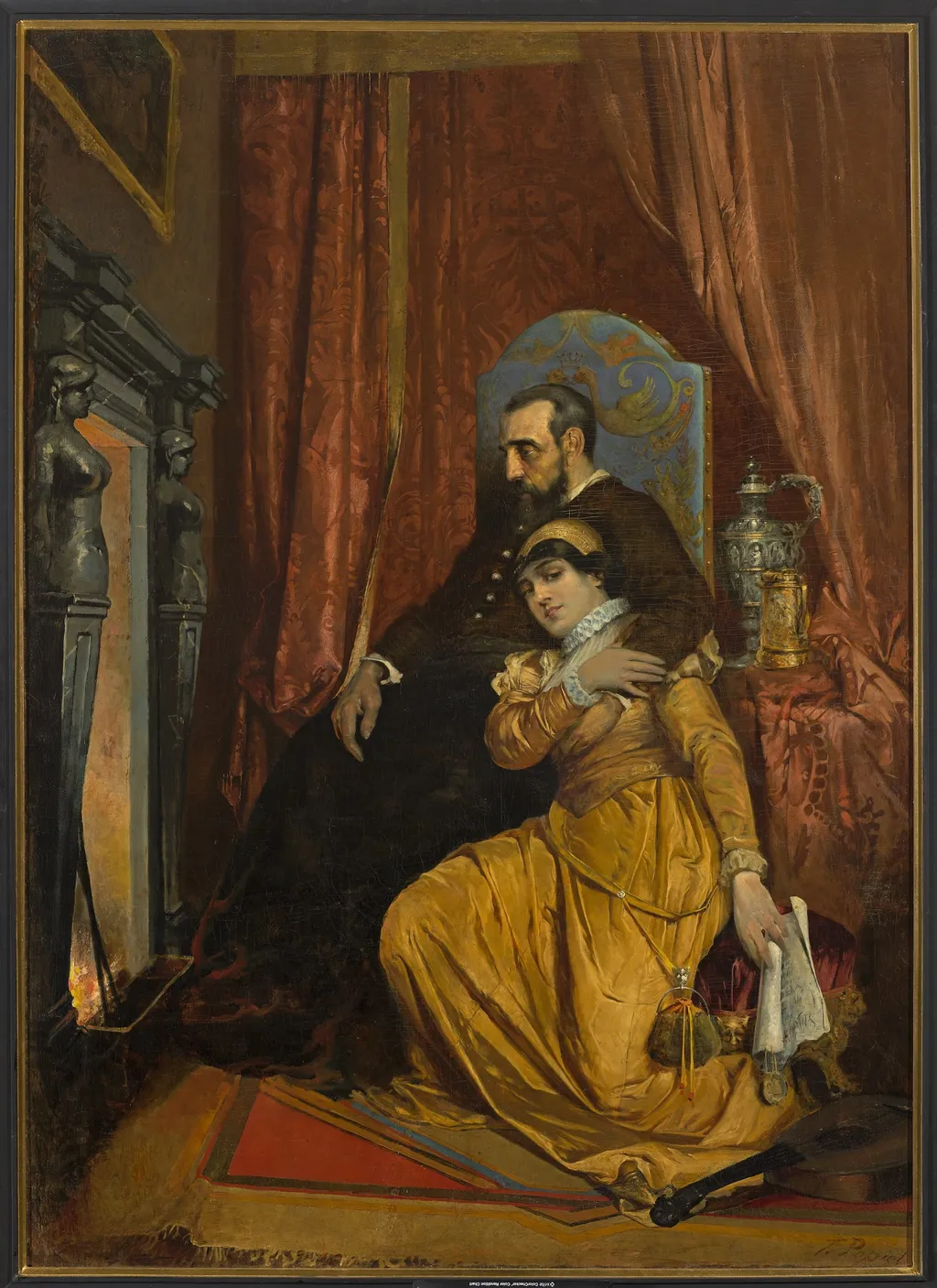
Sigismund Augustus and Barbara Giza is an oil painting by the Post-Impressionist artist Tadeusz Popiel. It dates from 1901 and is held in the collection of the National Museum in Warsaw.
About this work
Overview
Painted in 1901 by Polish artist Tadeusz Popiel, this oil-on-canvas work portrays a private moment between King Sigismund Augustus and Barbara Giza.
Painted in 1901 by Polish artist Tadeusz Popiel, this oil-on-canvas work portrays a private moment between King Sigismund Augustus and Barbara Giza. Though executed in the early 20th century, the composition draws from historical portraiture rather than contemporary fashion, reflecting Popiel’s interest in Poland’s past. The painting resides in the National Museum in Warsaw, part of a broader effort to visually reconstruct national heritage through art.
Subject & Meaning
The scene captures King Sigismund Augustus seated calmly while Barbara Giza, his mistress, kneels before him, holding a document. Their postures suggest a quiet exchange—perhaps of letters or petitions—imbuing the moment with emotional gravity. The intimacy of the setting, devoid of courtly grandeur, emphasizes personal dynamics over political spectacle, hinting at the complex personal relationships within the royal court.
Technique & Style
Popiel employs muted tones and controlled lighting to foster a sense of stillness. Chiaroscuro subtly defines forms, particularly in the folds of the woman’s yellow dress and the king’s dark jacket, while the red curtains and rug anchor the composition in warmth. Brushwork is deliberate but not overtly expressive, aligning with academic traditions rather than the bold brushstrokes of Impressionism or Post-Impressionism.
History & Provenance
Created in 1901, the painting emerged during a period of renewed interest in Poland’s royal history under foreign partition. Popiel, known for historical and religious subjects, likely intended this work as a contemplative tribute to a lesser-known chapter of the Jagiellonian court. It entered the National Museum in Warsaw’s collection soon after completion, where it remains today as part of its 19th- and early 20th-century Polish art holdings.
Context
In early 20th-century Poland, artists frequently turned to historical themes to preserve national identity amid occupation. Popiel’s depiction of Sigismund Augustus and Barbara Giza reflects this trend, focusing on personal rather than public history. The choice of a royal mistress as a subject, rendered with dignity, subtly challenges conventional narratives of power and morality in Polish historiography.
Legacy
Though not widely exhibited outside Poland, the painting contributes to the understanding of how Polish artists reinterpreted historical figures during the nation’s struggle for cultural autonomy. Popiel’s restrained approach influenced later generations seeking to portray history with psychological nuance rather than theatricality, positioning this work as a quiet but significant example of national historical painting.
Artist & collection
Artist
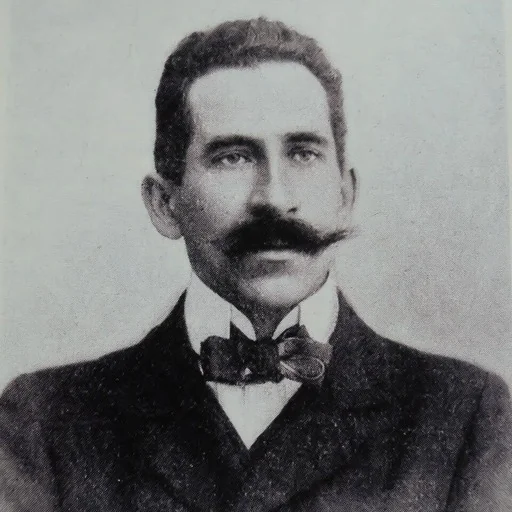
Tadeusz Popiel (1863 – 22 February 1913) was a Polish painter, known for his religious and historical scenes; especially his work on several famous panoramas. His brother was the sculptor Antoni Popiel.

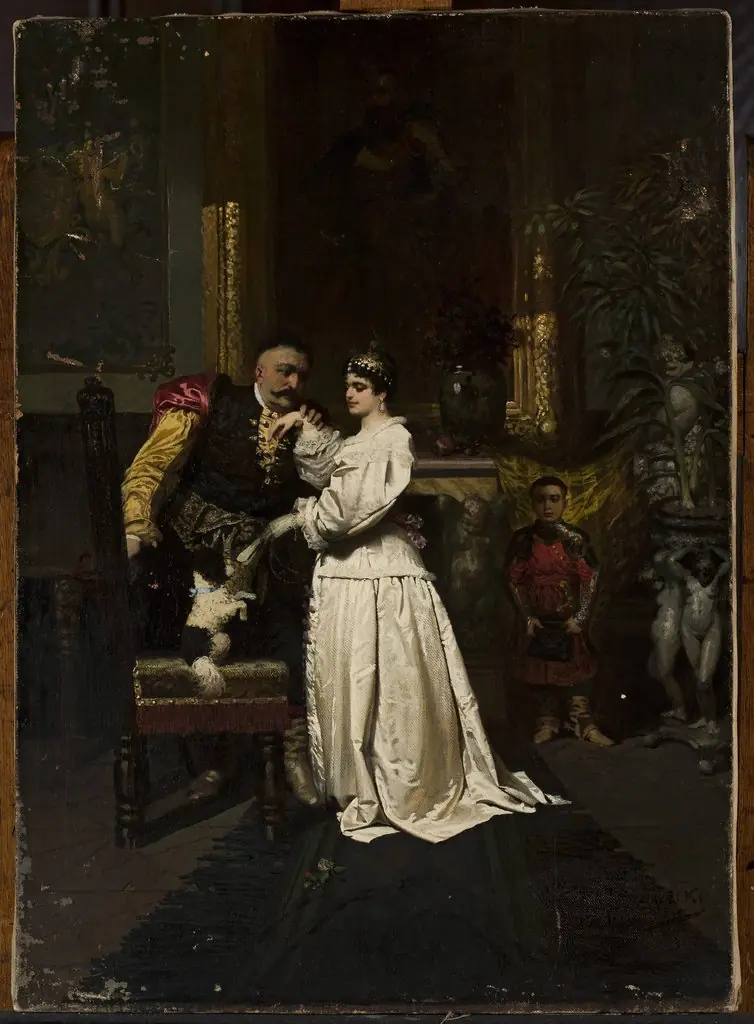 King John III Sobieski and Marysieńka
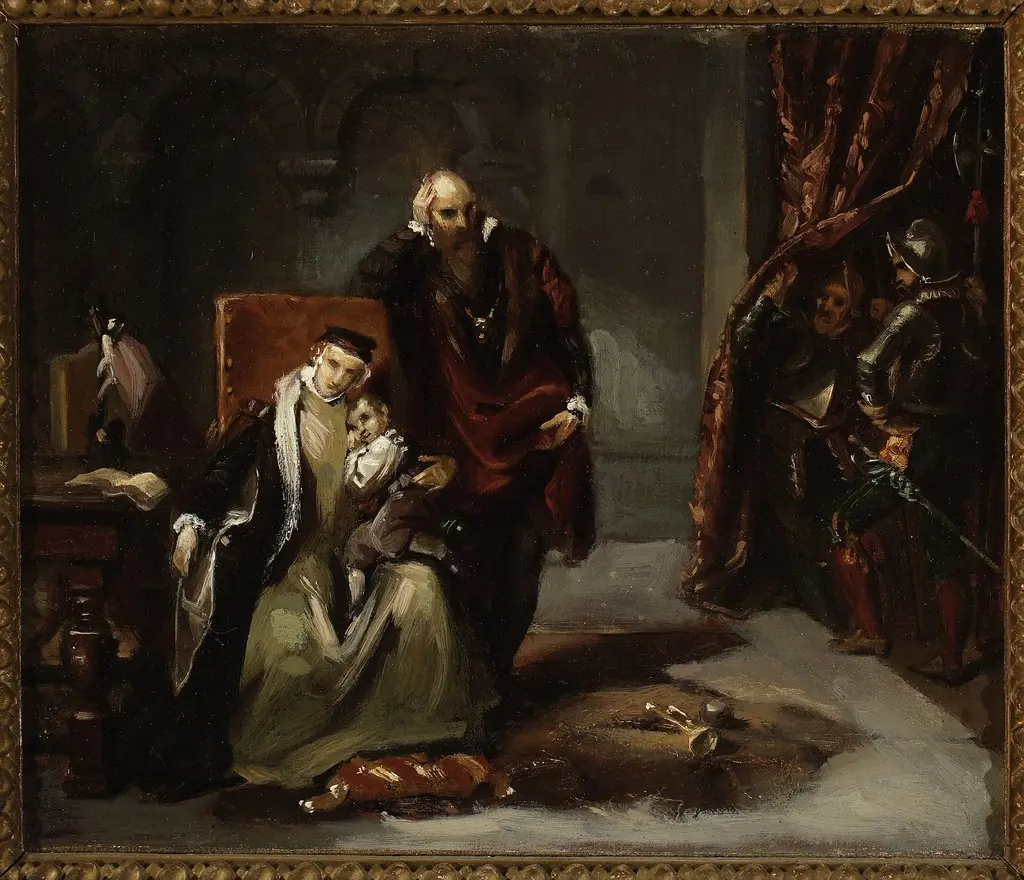 Catherine Jagiellon with her son Sigismund imprisoned in the Gripshom Castle (sketch)
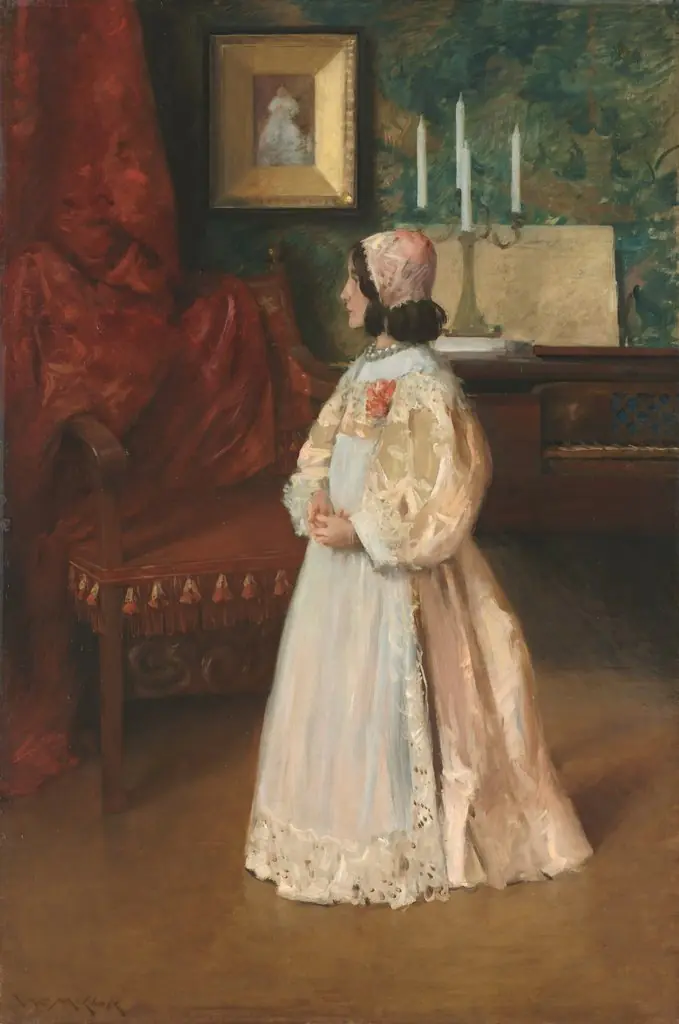 Portrait of My Daughter Alice
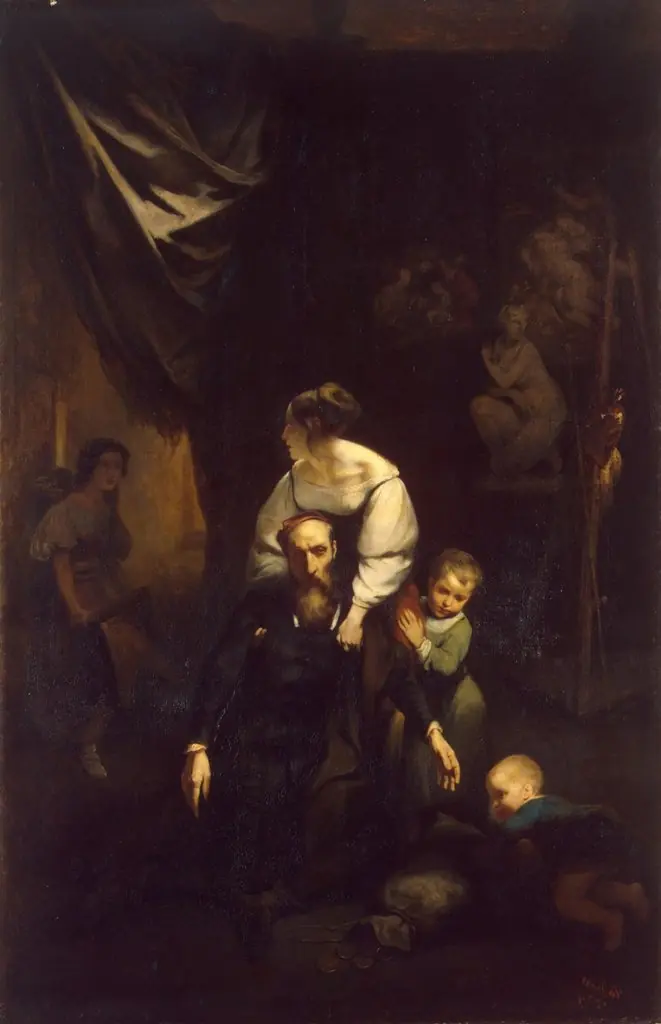 Death of Correggio
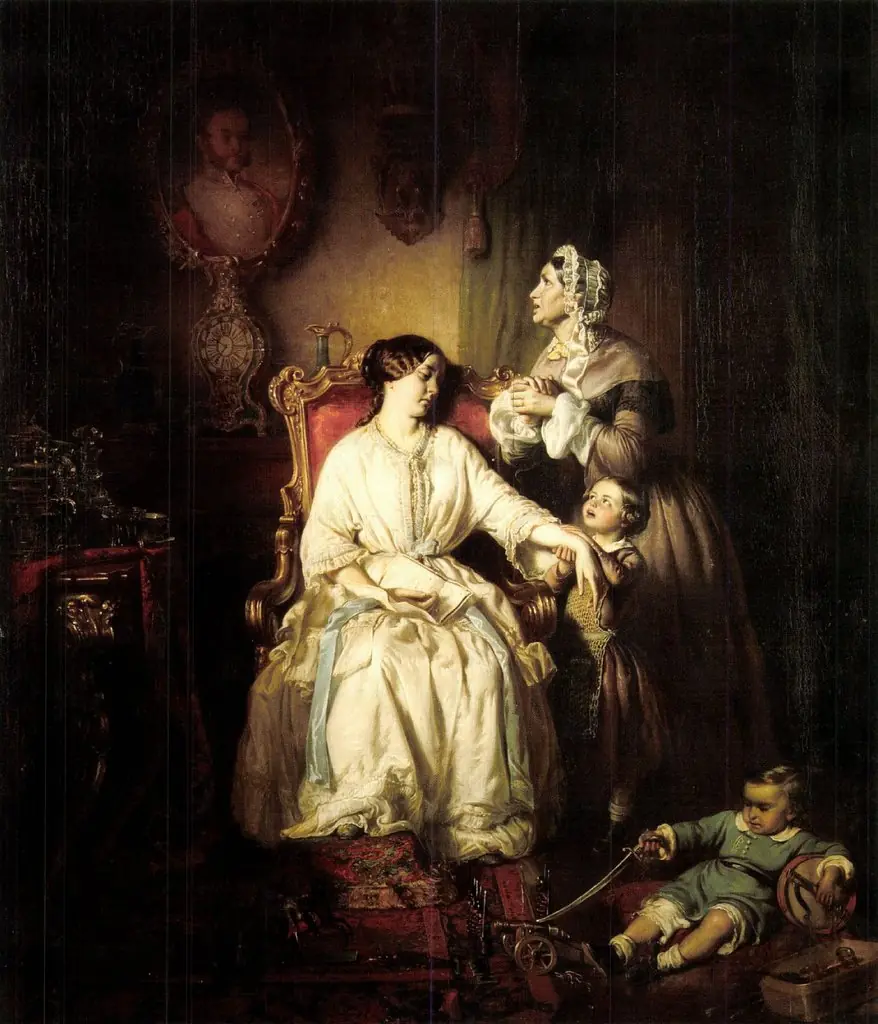 The Letter
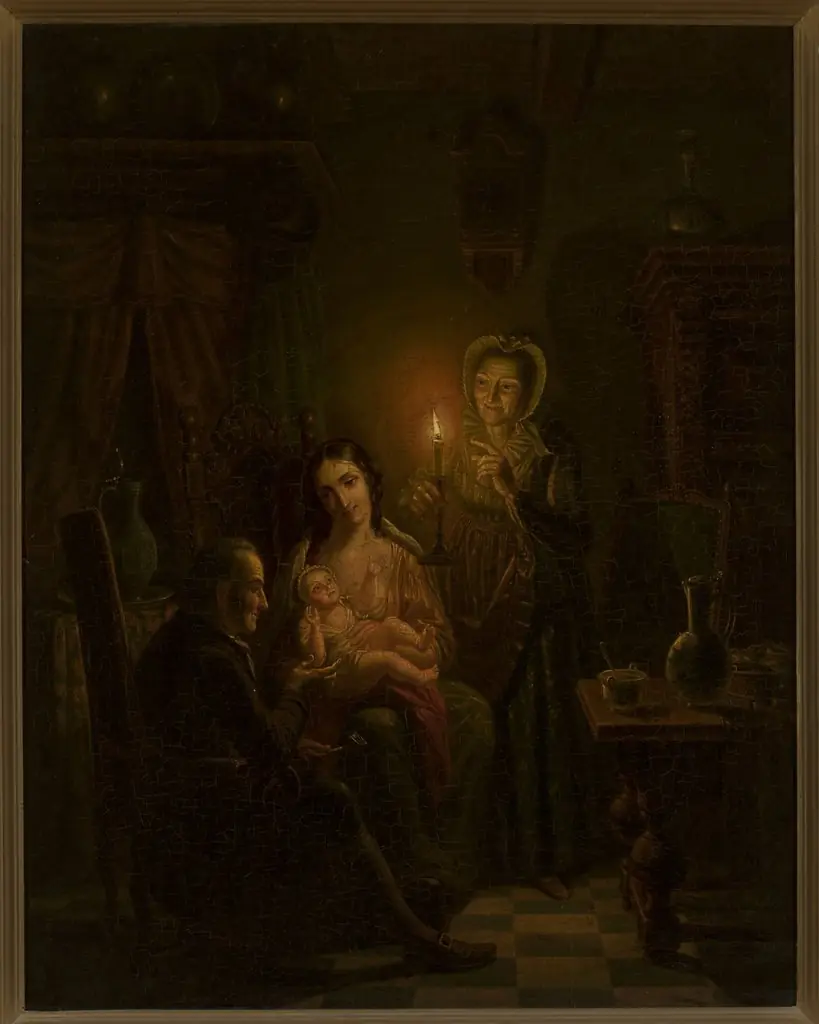 Family scene indoors by candlelight
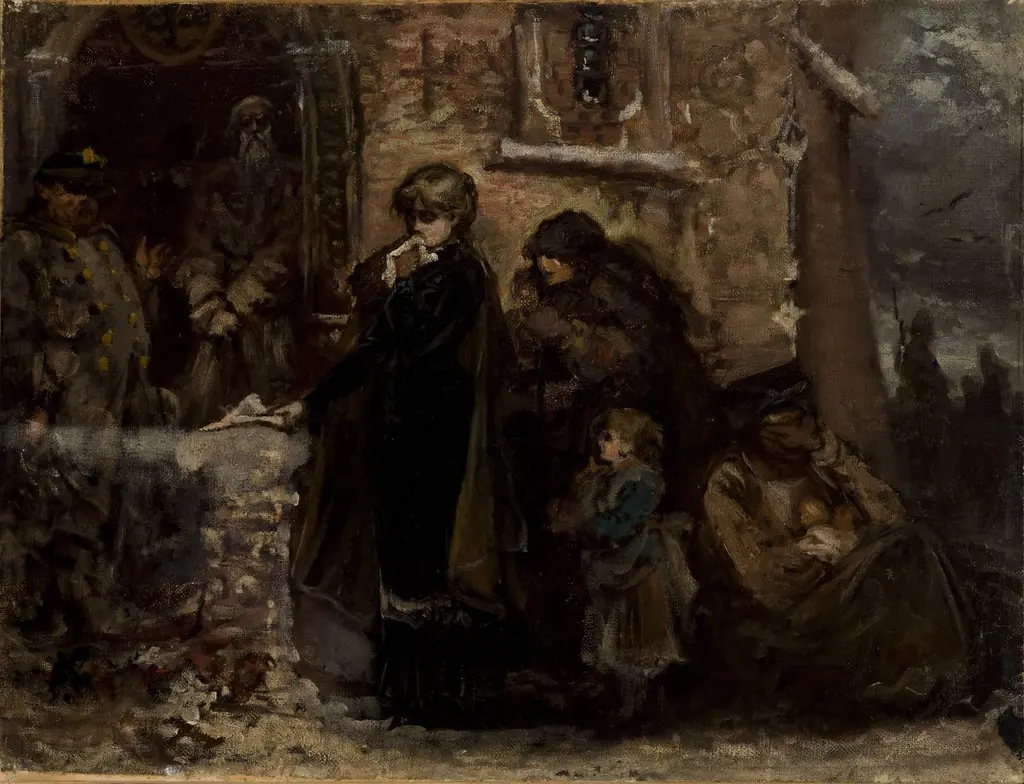 In Front of a Church
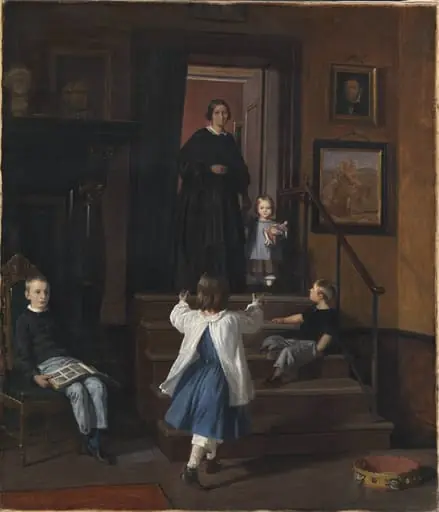 The Artist's Family
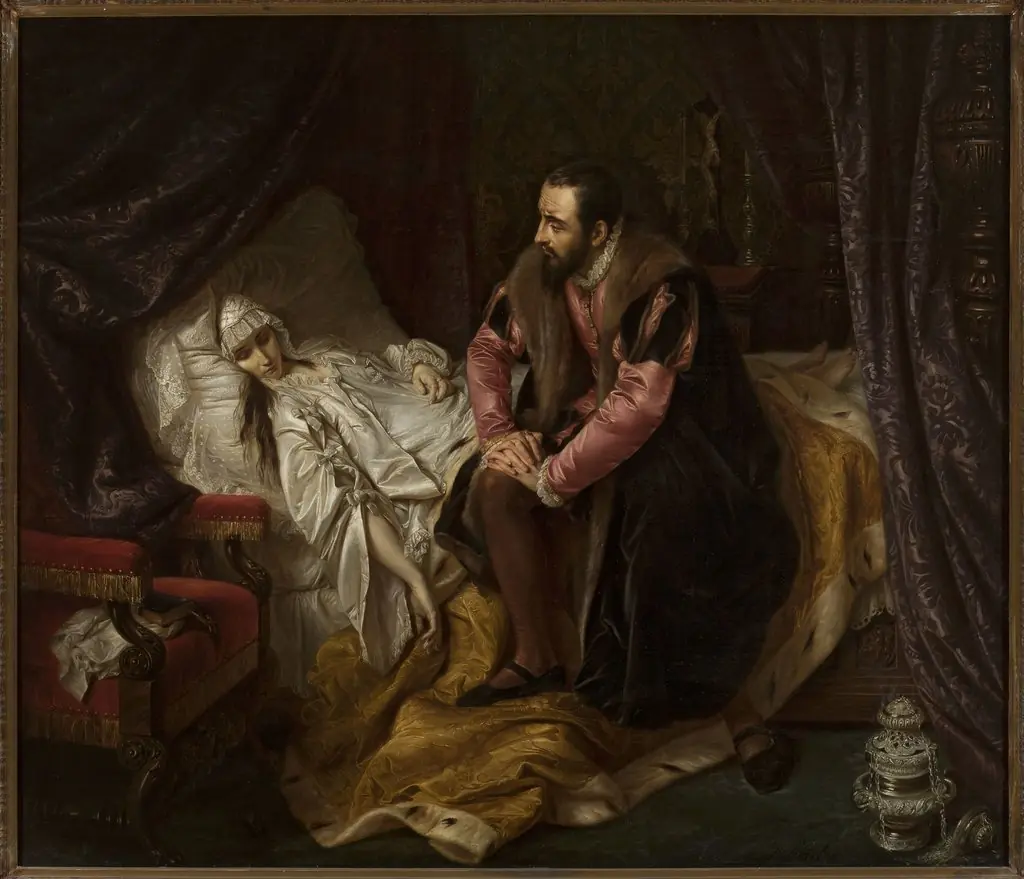 Death of Barbara Radziwiłł
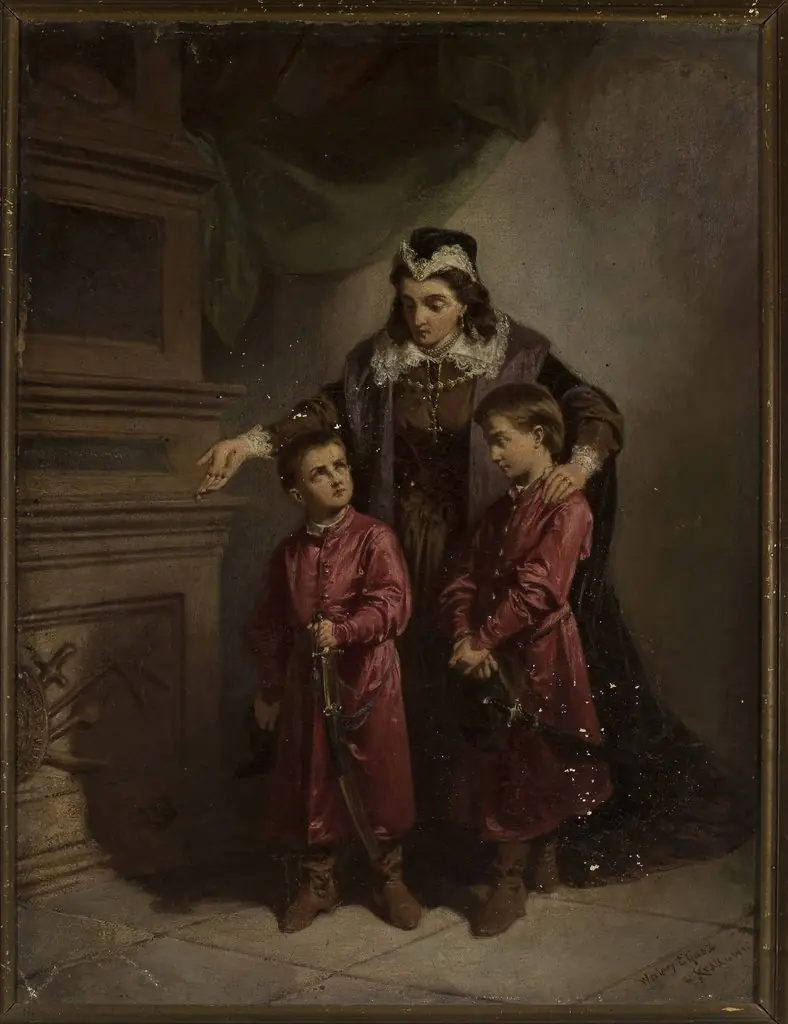 Teofila Sobieska with her sons at the grave of Żółkiewski
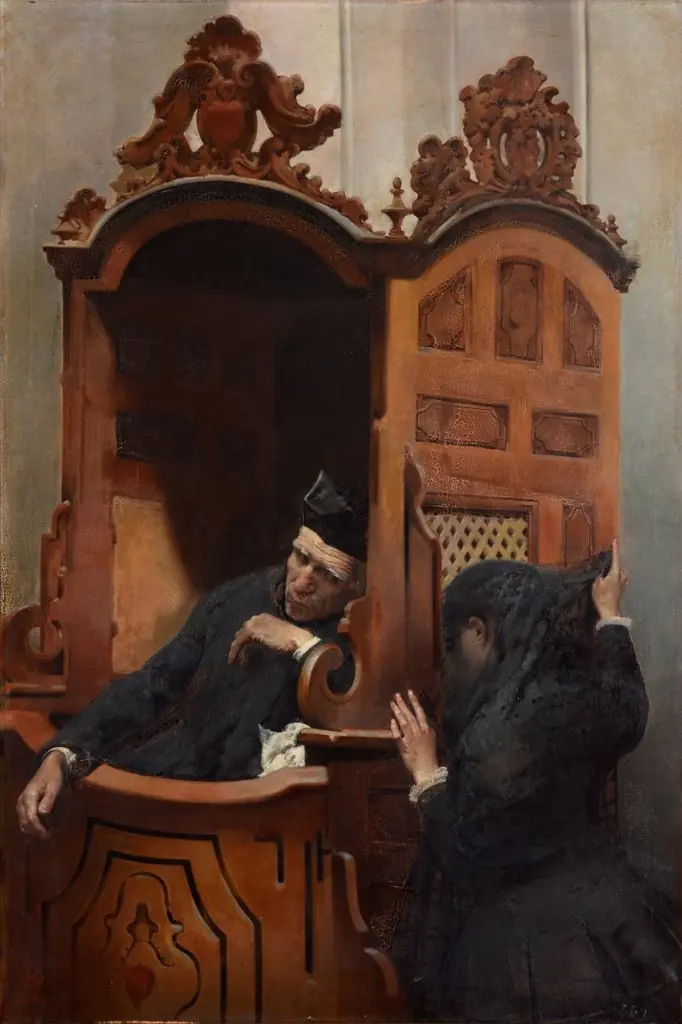 La penitente
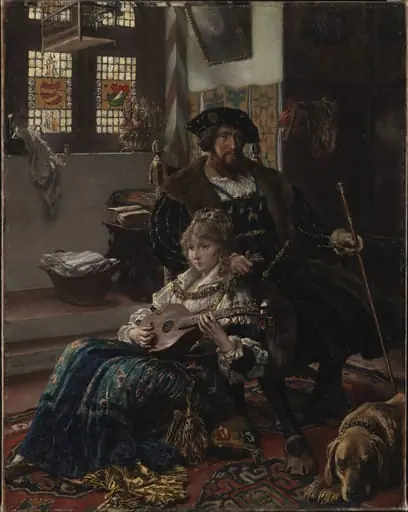 Christian II og Dyveke