Artwork
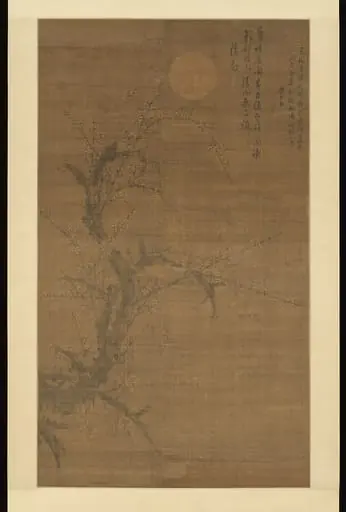
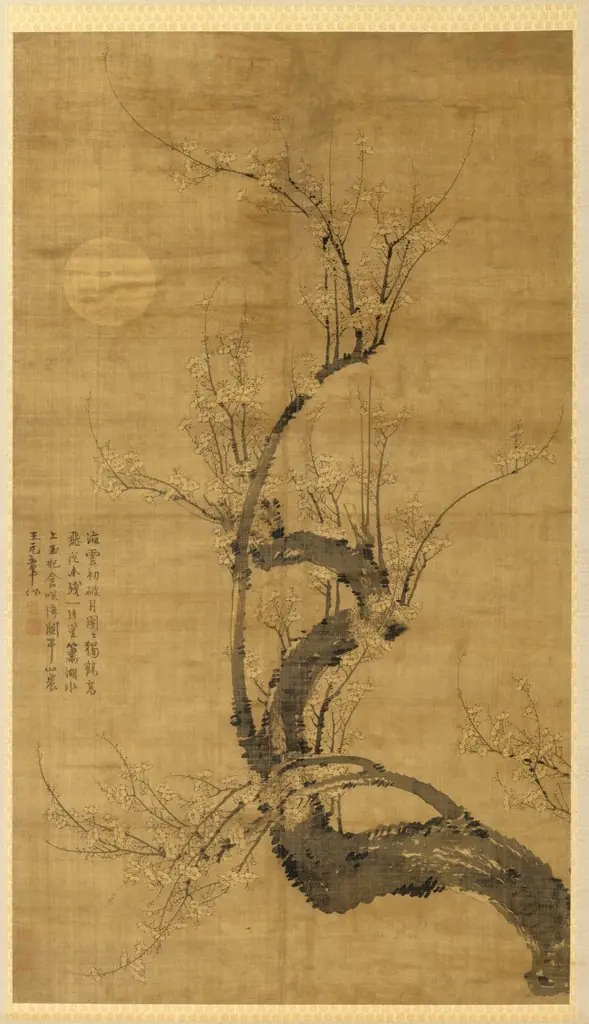
Plum Blossoms under a Crescent Moon
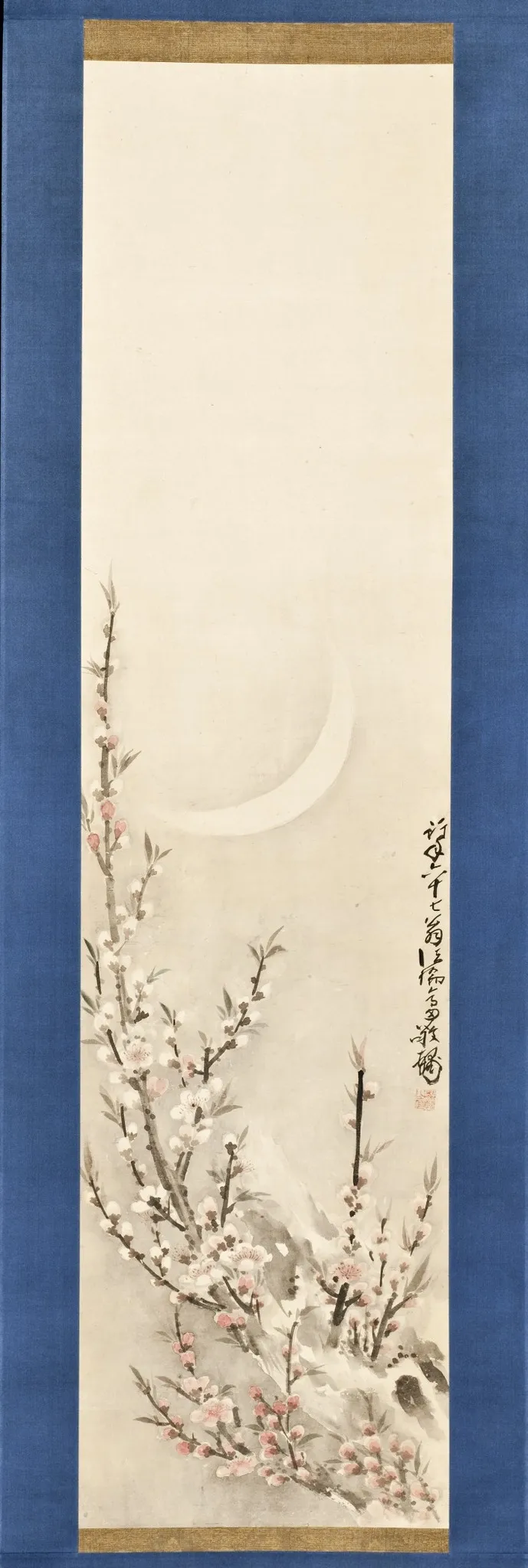
Plum Blossoms under a Crescent Moon is an unspecified painting by the Rococo painting artist Takada Keiho. It dates from 1741 and is held in the collection of the Los Angeles County Museum of Art.
About this work
Overview
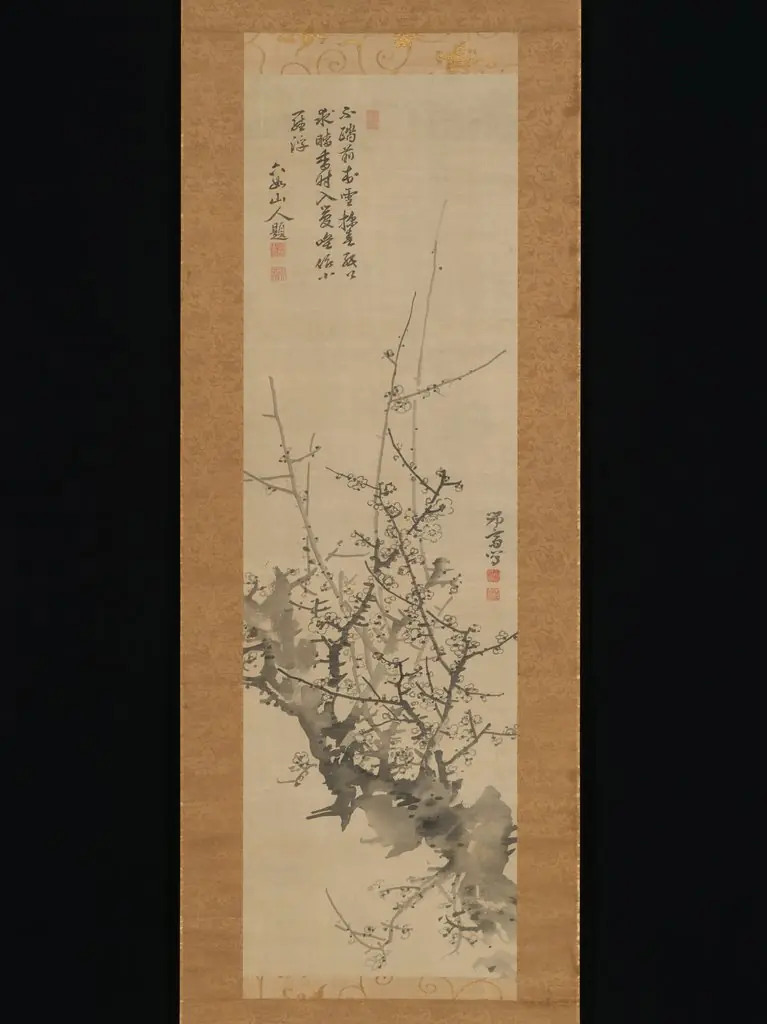
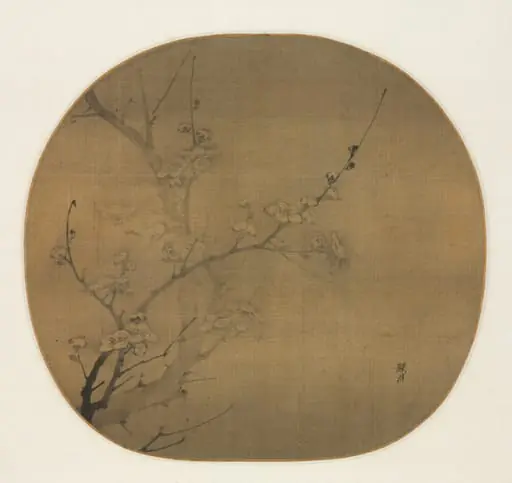
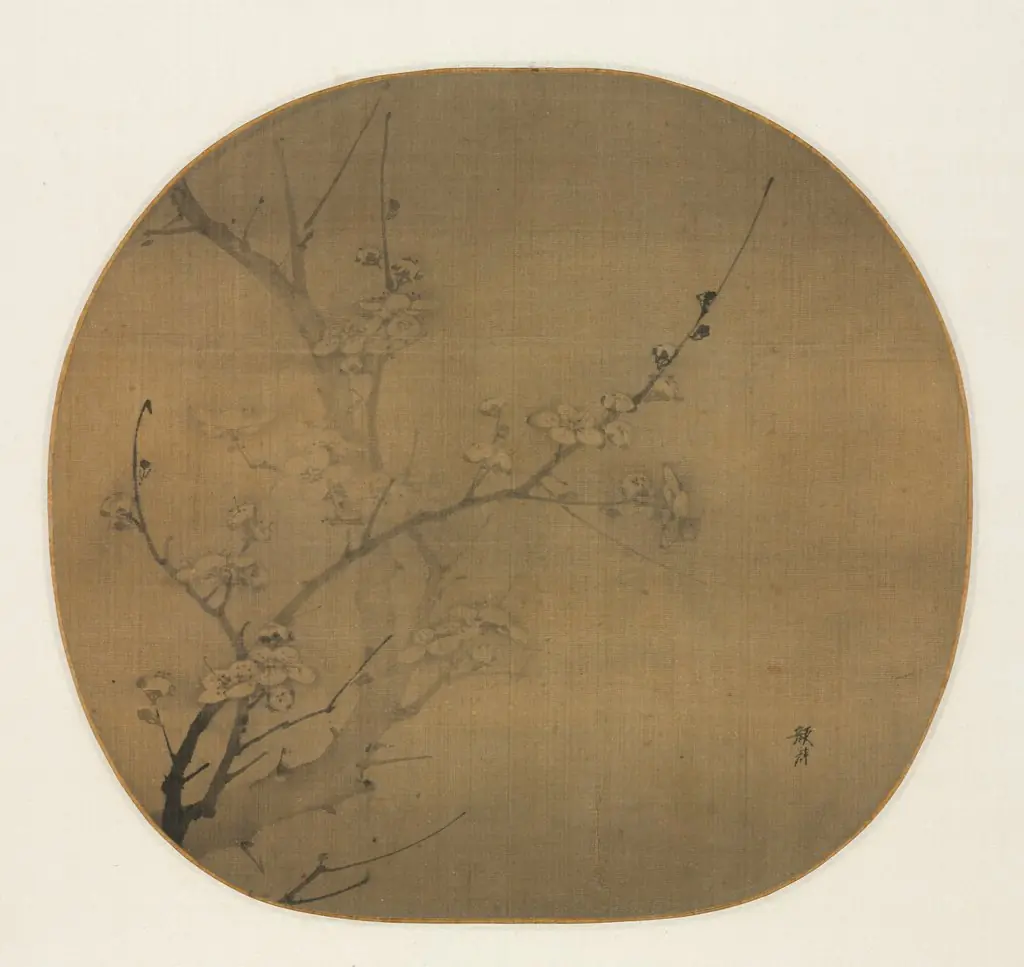
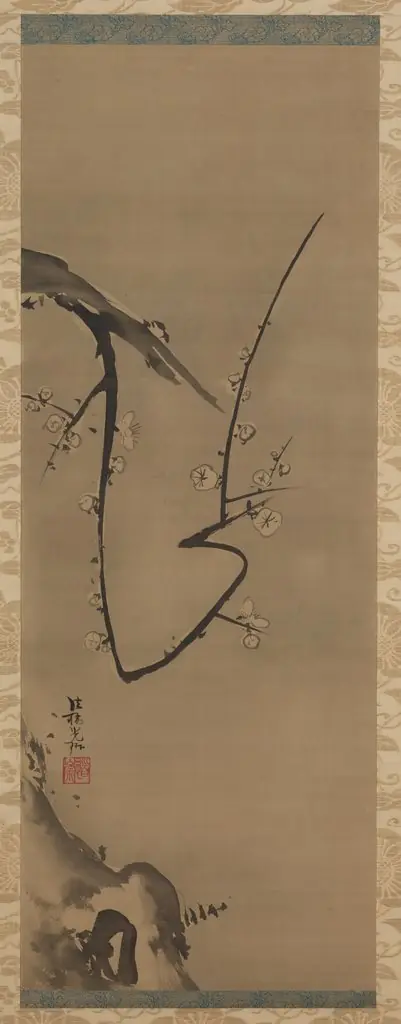
Painted in 1741 by Takada Keiho, this ink-and-color work captures a solitary plum tree beneath a slender crescent moon. Executed on paper, it belongs to a tradition of Japanese floral painting that emphasizes seasonal change and quiet observation. The piece is part of the Los Angeles County Museum of Art’s collection, where it is displayed as an example of Edo-period naturalism in ink painting.
Subject & Meaning
The crescent moon, positioned high and to the left, frames the scene without dominating it, reinforcing themes of subtlety and transience.
The plum tree, blooming in late winter, symbolizes endurance and renewal in East Asian culture. Here, its delicate blossoms, barely lit by the moon’s glow, suggest resilience against cold and darkness. The crescent moon, positioned high and to the left, frames the scene without dominating it, reinforcing themes of subtlety and transience. The composition invites contemplation rather than narrative, aligning with Zen-influenced aesthetics.
Technique & Style
Takada employed fine brushwork to render the branches with controlled ink lines, while the blossoms are built from layered washes of pale pink and white. The moon is suggested with a soft, unmodulated glow, avoiding sharp outlines. Leaves are hinted at with minimal strokes, leaving space to imply movement. The absence of ground or horizon enhances the sense of floating stillness, characteristic of literati painting traditions.
History & Provenance
The painting was created during the mid-Edo period, a time when amateur scholar-artists often blended poetry, calligraphy, and painting. While specific early ownership records are not documented, its preservation in a major Western museum suggests it entered the collection through early 20th-century Japanese art acquisitions. Its survival reflects its quiet appeal to collectors valuing restraint over spectacle.
Context
Takada Keiho worked within the Kanō and literati traditions, where nature was not merely observed but meditated upon. Plum blossoms were a favored subject among poets and painters for their association with early spring and quiet perseverance. This work aligns with contemporaneous practices in Kyoto and Edo, where artists sought to convey inner feeling through minimal means, often avoiding dramatic lighting or elaborate detail.
Legacy
Though not widely known outside specialist circles, the painting exemplifies the Edo-period shift toward intimate, personal expression in Japanese art. Its presence in a major Western institution underscores its role in shaping global understanding of Japanese ink painting as a discipline of subtlety. It continues to inform contemporary interpretations of nature in East Asian visual culture.
Artist & collection