Artwork
Orchid and Bamboo in a Vase 蘭竹同瓶図 (Ranchiku dōbin zu)
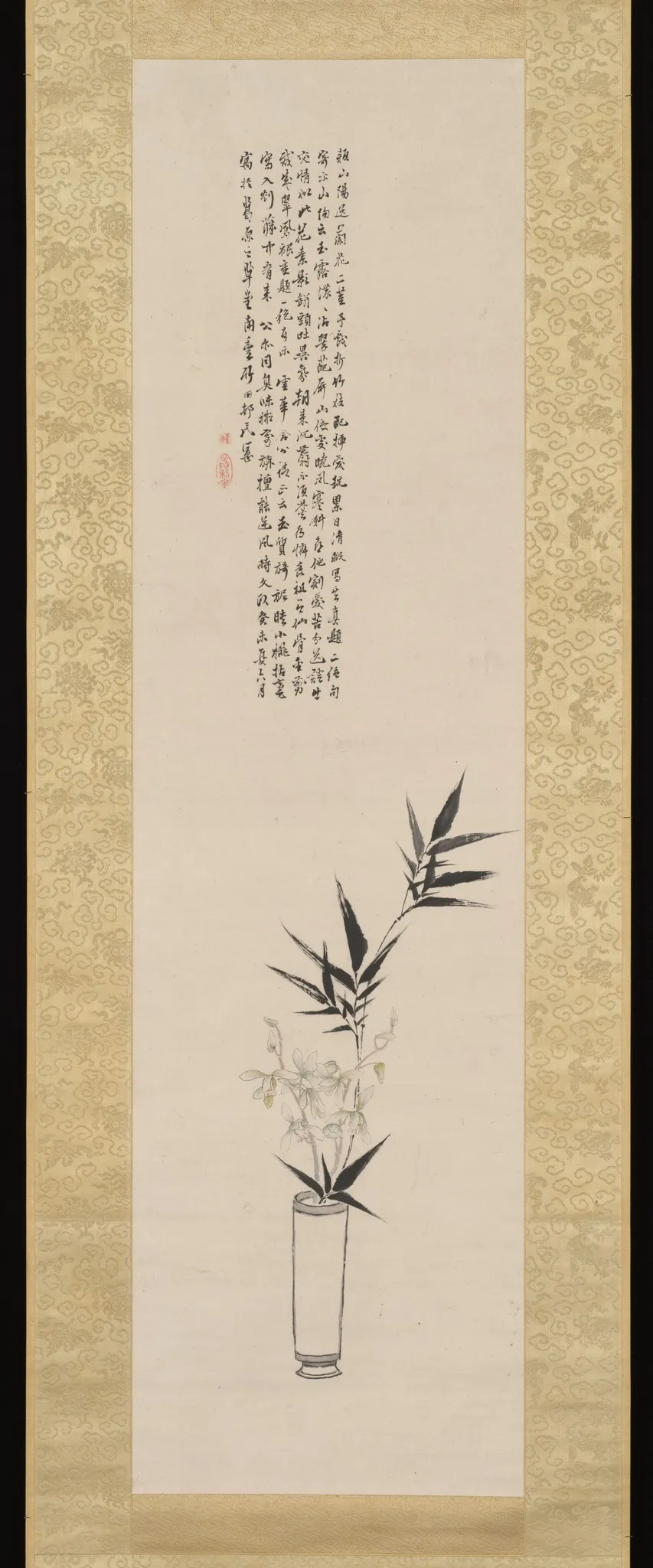
Orchid and Bamboo in a Vase 蘭竹同瓶図 (Ranchiku dōbin zu) is an unspecified painting by the Nihonga artist Tanomura Chikuden. It dates from 1823 and is held in the collection of the Metropolitan Museum of Art.
About this work
Overview
Painted in 1823 by Tanomura Chikuden, this ink-and-color work depicts a vase holding orchids and bamboo, rendered with restrained elegance.
Painted in 1823 by Tanomura Chikuden, this ink-and-color work depicts a vase holding orchids and bamboo, rendered with restrained elegance. The composition is minimal, focusing on the natural forms without decorative embellishment. The painting is part of the collection at The Metropolitan Museum of Art, where it exemplifies the literati tradition in Japanese art, emphasizing quiet contemplation over ornamental display.
Subject & Meaning
Bamboo and orchids are traditional symbols in East Asian culture, representing resilience and refined virtue, respectively. Their pairing in a single vase suggests harmony between strength and delicacy, a theme favored by scholar-artists. The arrangement avoids theatricality, inviting quiet reflection rather than immediate spectacle, aligning with Confucian and Daoist ideals of modesty and inner balance.
Technique & Style
Chikuden employed ink wash with subtle color accents to define the forms. Bamboo stalks are rendered with firm, controlled brushstrokes, while orchid petals are delicately tinted in pale pink. The vase is suggested with minimal outlines, its presence implied rather than overdefined. The pale beige background enhances the monochrome tones, allowing the textures and rhythms of the plants to emerge with quiet clarity.
History & Provenance
Created during Chikuden’s later years, this work reflects his mature style developed through study of Chinese literati painting and personal meditation on nature. It entered the Metropolitan Museum of Art’s collection through documented acquisition, likely from a private Japanese collection in the early 20th century. Its preservation reflects its recognition as a representative example of Edo-period scholarly painting.
Context
In early 19th-century Japan, literati painters like Chikuden sought to revive the ideals of Chinese scholar-artists, valuing personal expression over courtly refinement. This painting emerged amid a cultural shift where artists turned inward, using nature as a mirror for moral and aesthetic ideals. Such works were often created for intimate settings, meant to be viewed slowly and privately, not displayed publicly.
Legacy
Chikuden’s restrained approach influenced later generations of Japanese painters who valued understatement and spiritual resonance. This painting remains a touchstone for understanding how Edo-period artists reinterpreted classical Chinese motifs through a distinctly Japanese lens. Its presence in a major Western museum underscores its role in bridging cultural traditions of East Asian ink painting.
Artist & collection


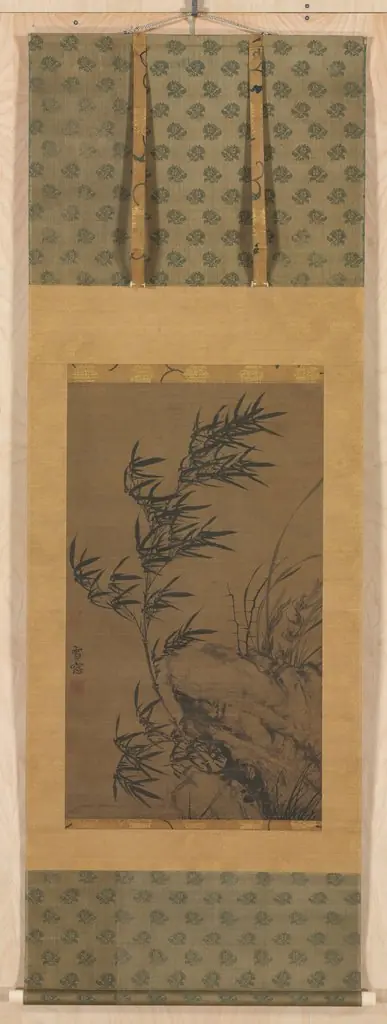 Bamboo in the Wind
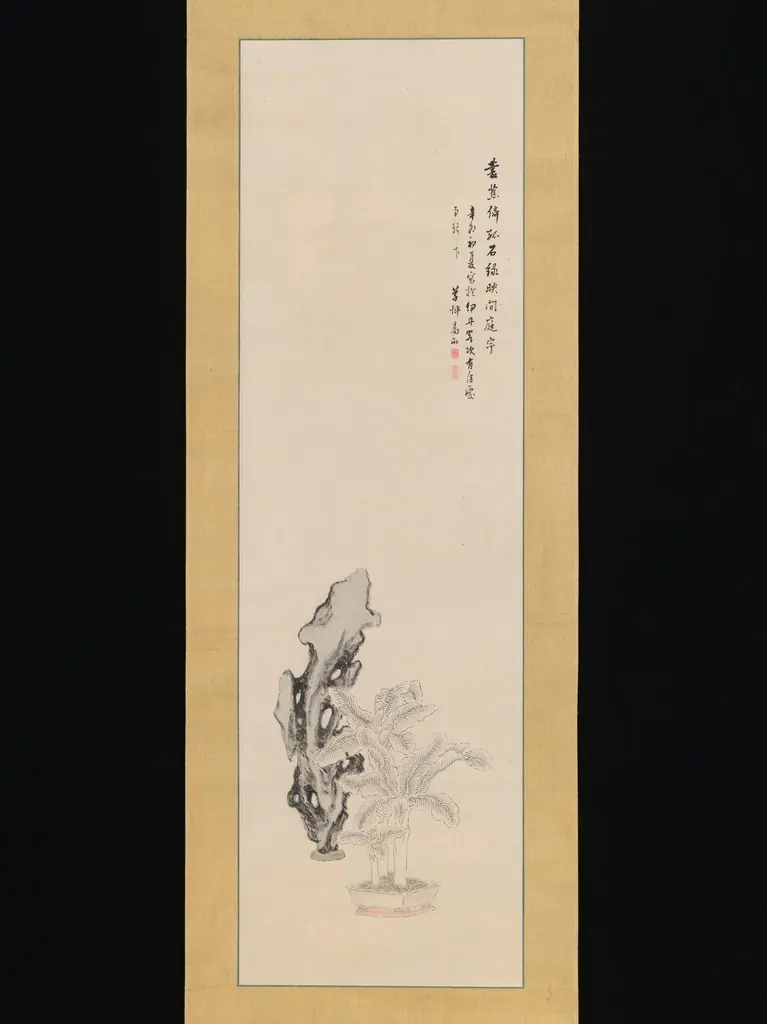 Taihu Rock and Banana Plant
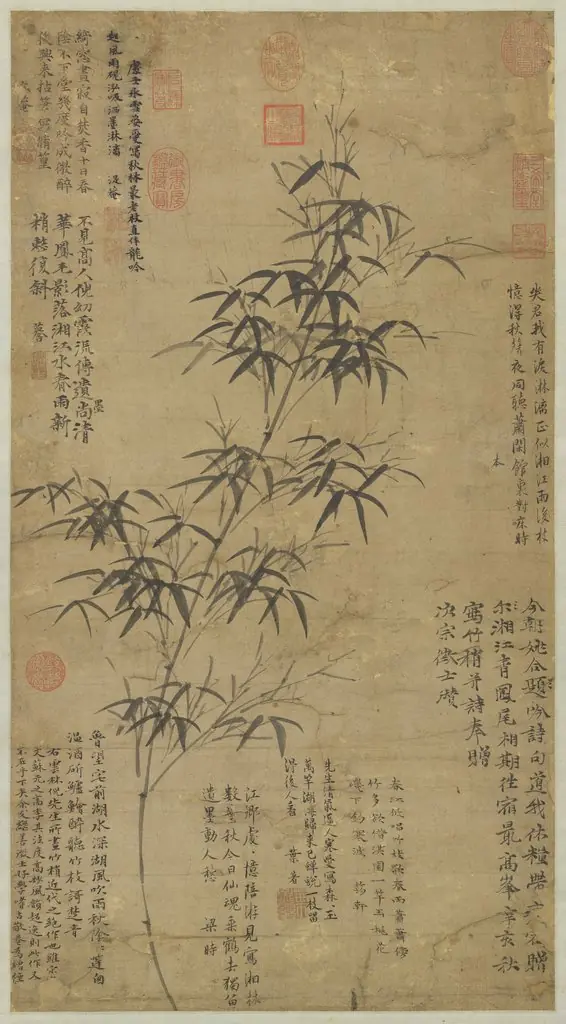 New Bamboo in the Spring Rain
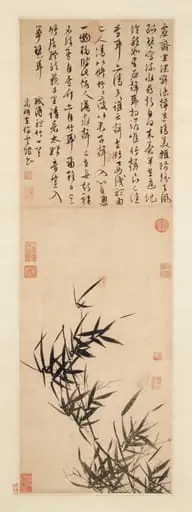 Listening to the Bamboo
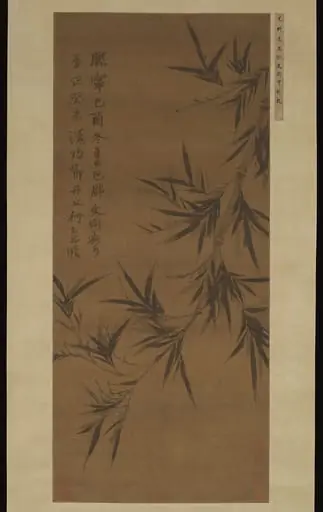 元 柯九思 臨文同墨竹圖 軸|Bamboo copied after Wen Tong
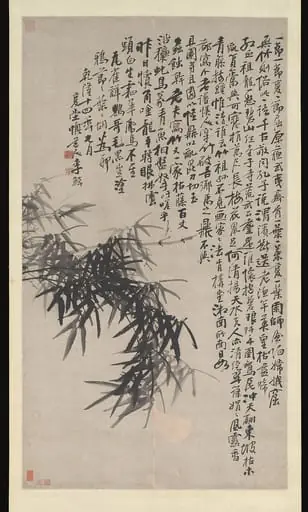 清 李鱓 墨竹圖 軸|Ink bamboo
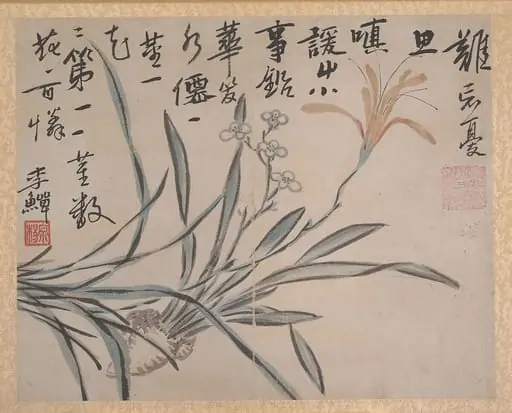 清 佚名 仿李鱓 花果圖 冊|Plants and Vegetables
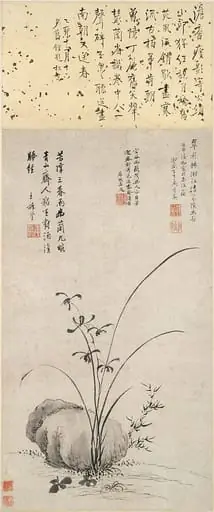 明 傳馬守真 蘭石圖 軸|Orchid and Rock
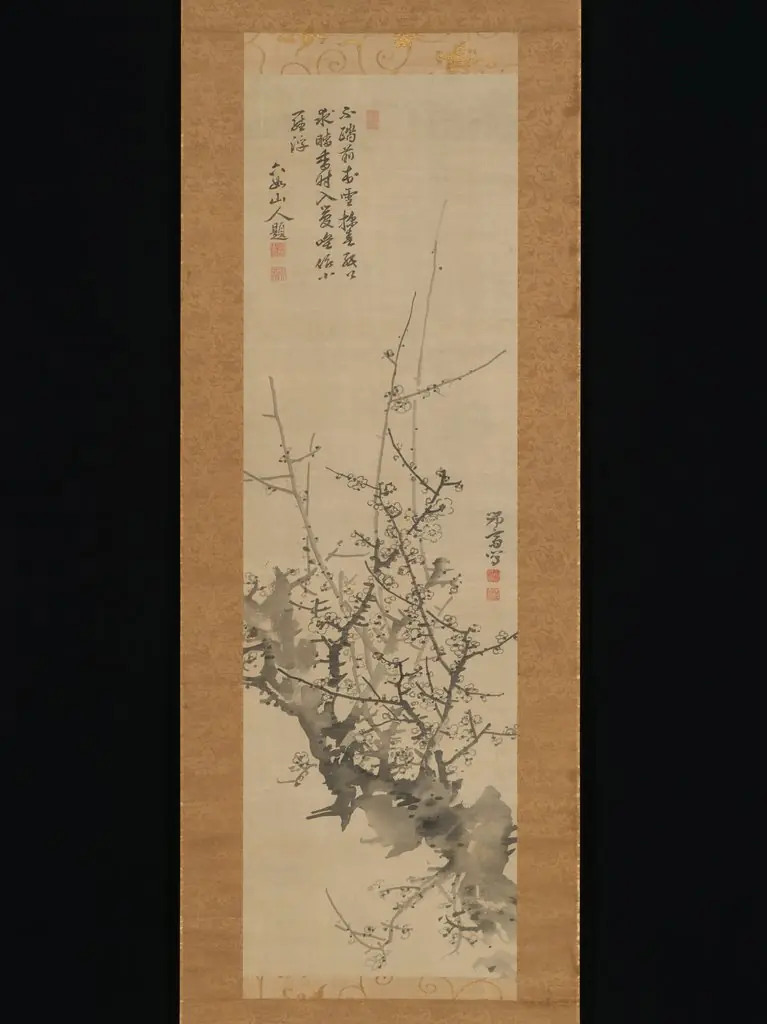 Plum Blossoms
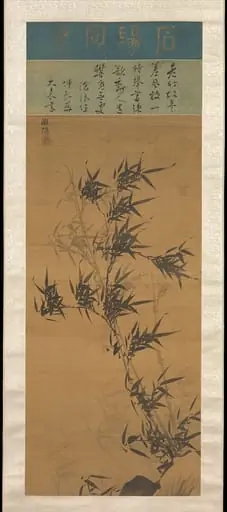 탄은 이정 대나무 조선|灘隱 李霆 墨竹圖 朝鮮|Bamboo in the Wind
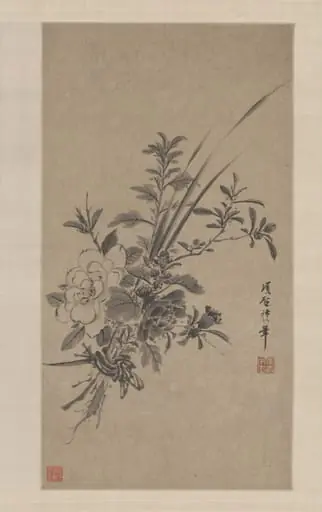 Bunch of Flowers With Calamus