Artwork
Monkey Offering a Qin to Scholar 異類酬徳図 (Irui hōtoku zu)
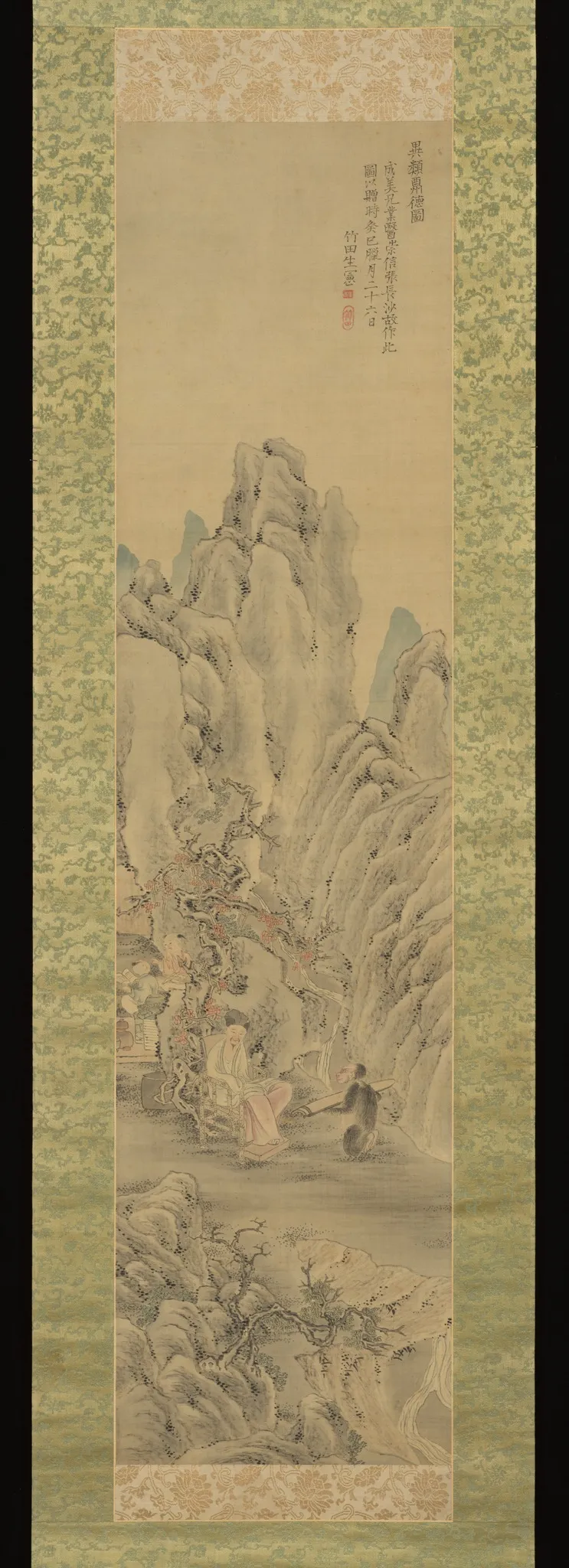
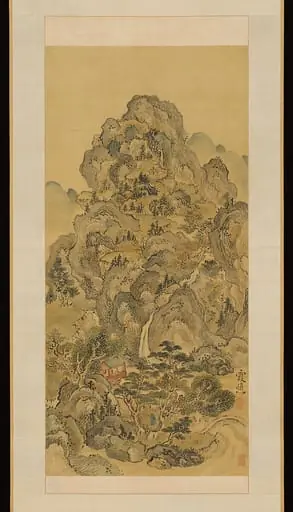
Monkey Offering a Qin to Scholar 異類酬徳図 (Irui hōtoku zu) is an unspecified painting by Tanomura Chikuden. It dates from 1833 and is held in the collection of the Metropolitan Museum of Art.
About this work
The monkey and scholar are rendered in soft, muted tones, while the background is depicted in more vibrant colors, creating a sense of contrast between the two.
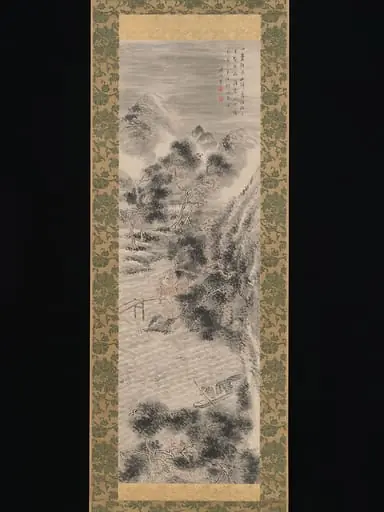
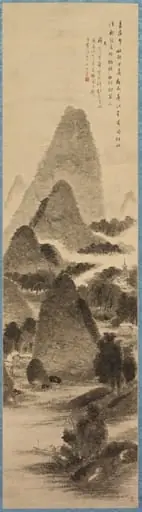
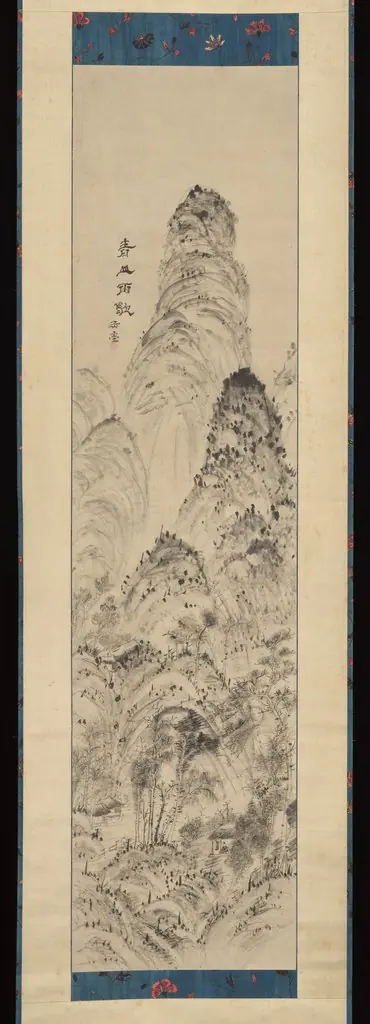
This painting shows a serene scene of a monkey offering a qin to a scholar. The monkey is depicted with a gentle expression, holding the qin in its hands, while the scholar sits on a rock, looking at the instrument with interest. The background is a beautiful landscape with mountains and trees.
The artist has used a range of colors to create a sense of depth and atmosphere in the painting. The monkey and scholar are rendered in soft, muted tones, while the background is depicted in more vibrant colors, creating a sense of contrast between the two.
The painting is a beautiful example of Japanese art from the 19th century. If you're interested in learning more about the artist, check out Tanomura Chikuden.
Overview
Monkey Offering a Qin to Scholar (Irui hōtoku zu) is a painting created in 1833 by Tanomura Chikuden, now part of The Metropolitan Museum of Art's collection.
Subject & Meaning
The painting depicts a tranquil interaction between a monkey and a scholar. The monkey, with a gentle expression, offers a qin (a traditional Chinese zither) to the scholar, who sits on a rock, intently examining the instrument. This serene scene conveys a sense of cultural appreciation and exchange.
Technique & Style
Tanomura Chikuden employed contrasting color palettes to achieve depth and atmosphere. Soft, muted tones define the monkey and scholar, set against a vibrant, colorful landscape of mountains and trees, creating a visual balance between the central figures and the natural backdrop.
History & Provenance
Created in 1833, the painting is a notable example of 19th-century Japanese art. It is currently housed at The Metropolitan Museum of Art.
Context
This work reflects the cultural exchange and admiration for Chinese arts (as symbolized by the qin) that were prevalent in 19th-century Japan, blending these influences with traditional Japanese aesthetics.
Legacy
As a piece by Tanomura Chikuden, it contributes to the understanding of Japanese art's evolution during the 19th century, particularly in how artists incorporated themes and elements from Chinese culture into their work.
Artist & collection