Artwork
Pine Tree and Fungus
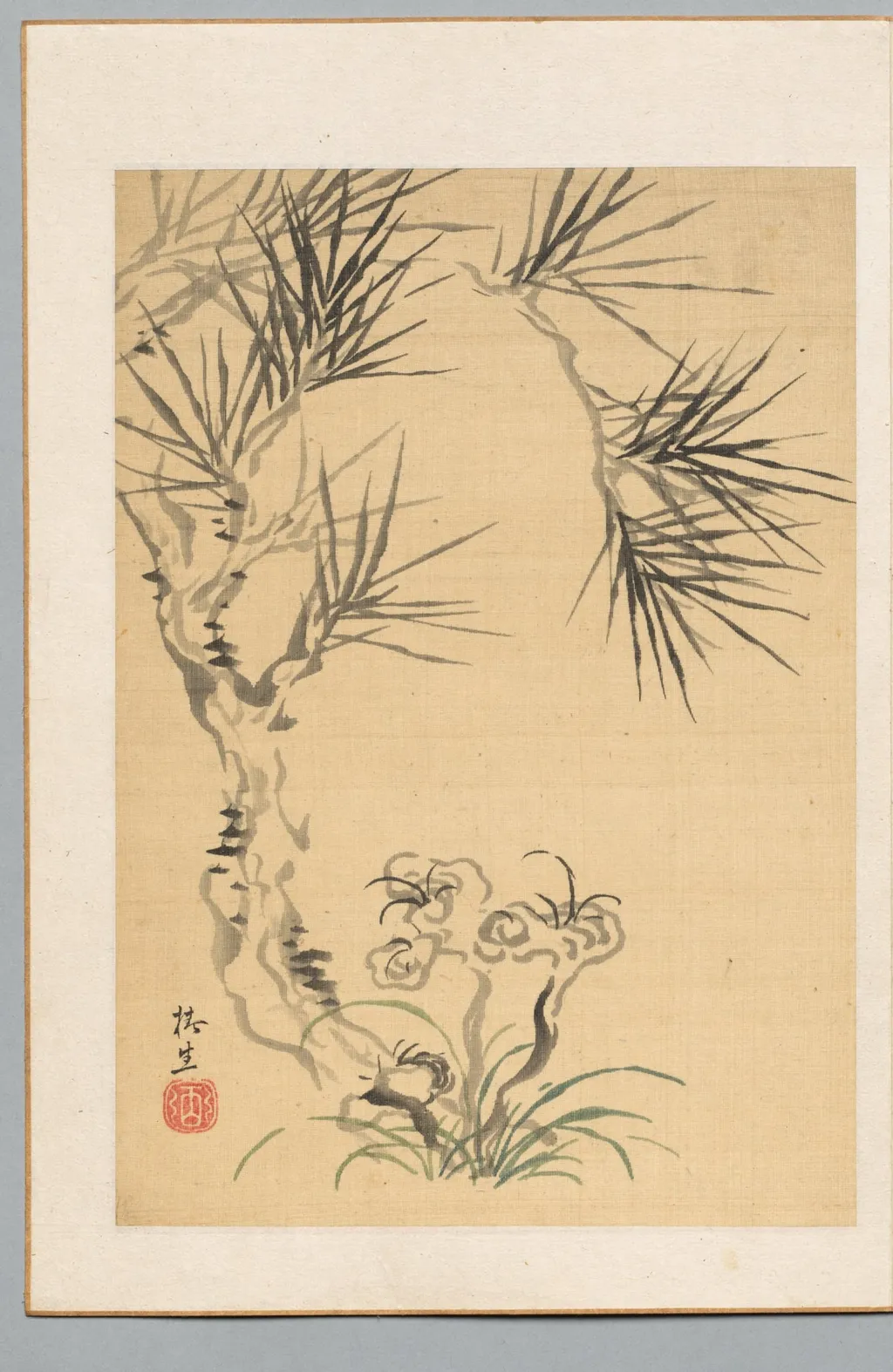
Pine Tree and Fungus is a work on paper by the Romanticist artist Tsubaki Chinzan. It dates from 1804 and is held in the collection of the Cleveland Museum of Art.
About this work
This painting shows a pine tree and fungus in a simple setting.
The artist used subtle colors to create a sense of calm. The tree's shape and the fungus's details are carefully drawn, which suggests the artist paid close attention to nature.
You can learn more about this style by looking at the work of artist: Tsubaki Chinzan (Japanese, 1801–1854)
Overview
Pine Tree and Fungus is a delicate ink-and-color painting from around 1804 by the Japanese artist Tsubaki Chinzan. It belongs to a portfolio of natural studies, reflecting the artist’s interest in observing and recording botanical forms with precision. The work is part of the collection at The Cleveland Museum of Art, where it is valued for its quiet observation of the natural world.
Subject & Meaning
The painting depicts a solitary pine tree and a cluster of fungi, rendered without narrative or symbolism. Rather than idealizing nature, Chinzan presents these elements as they appear in their environment—humble, unadorned, and grounded in direct observation. This focus on ordinary flora aligns with a broader tradition of naturalist study in Edo-period art.
Technique & Style
Chinzan employed fine brushwork and restrained tonal gradations to capture the texture of bark and the fragile structure of fungi. Colors are muted, with soft washes of ink and subtle earth tones, creating a tranquil atmosphere. The composition is sparse, emphasizing form and detail over decorative flourish, reflecting a scholarly approach to botanical illustration.
History & Provenance
Created during the early 19th century, the work is one of several in a series of nature studies by Chinzan, who was known for his meticulous depictions of plants and animals. It entered the Cleveland Museum of Art’s collection through documented acquisition, though its earlier ownership history remains largely unrecorded beyond its association with the artist’s personal oeuvre.
Context
Chinzan worked in the late Edo period, a time when interest in natural science and empirical observation grew among Japanese artists and scholars. His paintings reflect influences from both traditional ink painting and emerging Western natural history practices, blending aesthetic restraint with a growing emphasis on accuracy in depicting flora and fauna.
Legacy
Though not widely known outside Japan during his lifetime, Chinzan’s botanical works are now recognized for their quiet rigor and contribution to the tradition of nature study in Japanese art. Pine Tree and Fungus exemplifies his commitment to observing the natural world without embellishment, influencing later generations interested in the intersection of art and scientific observation.
Artist & collection

Artist
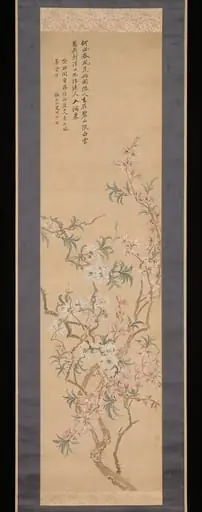
Tsubaki Chinzan, originally Tasuku was a Japanese painter in the nanga style. His other art names include Hekiin Sambō, Kyūan (休庵), Shikyūan (四休庵) and Takukadō (琢華堂).

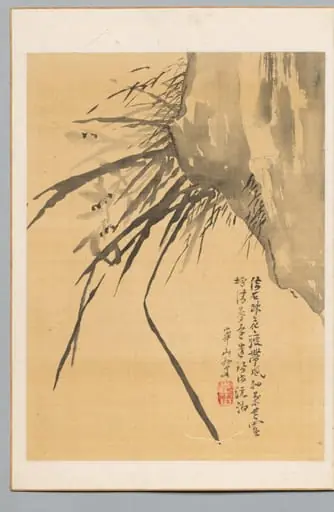 Orchid
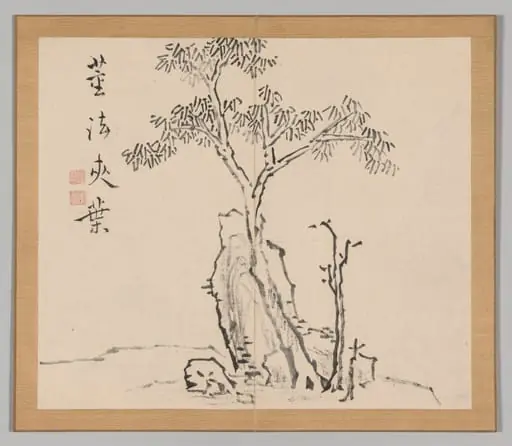 Reverberations of Taiga, Volume 1 (leaf 4)
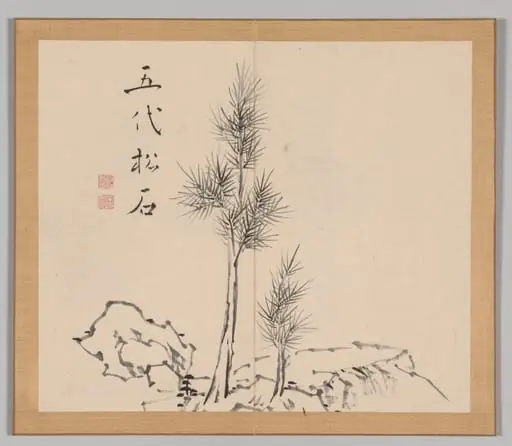 Reverberations of Taiga, Volume 1 (leaf 2)
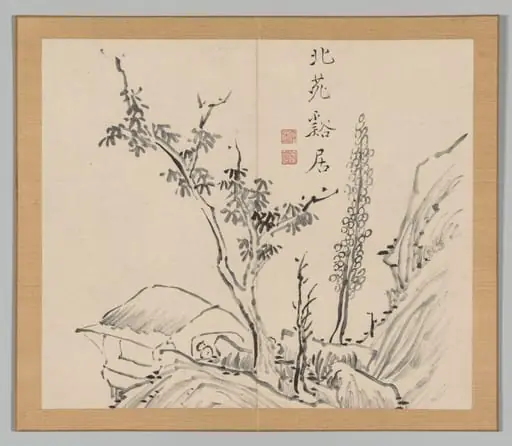 Reverberations of Taiga, Volume 2 (leaf 13)
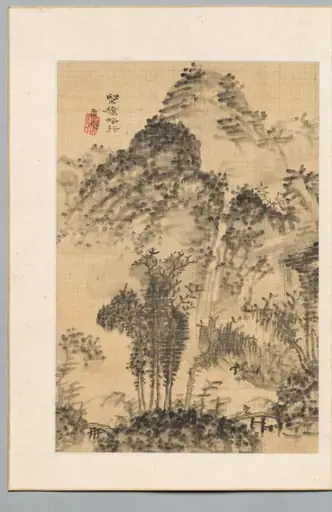 Wild Bridge, Poet's Walk
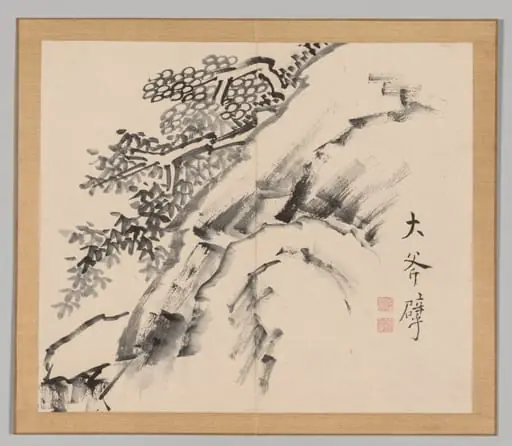 Reverberations of Taiga, Volume 1 (leaf 9)
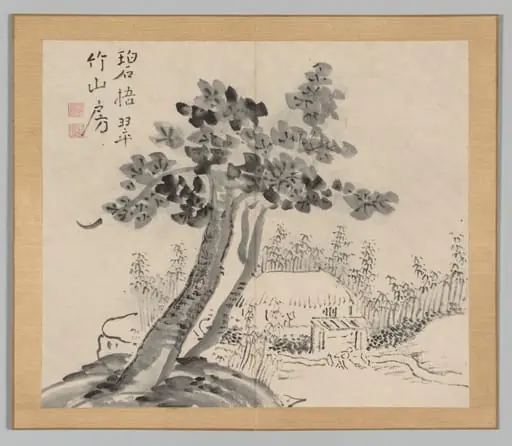 Reverberations of Taiga, Volume 2 (leaf 32)
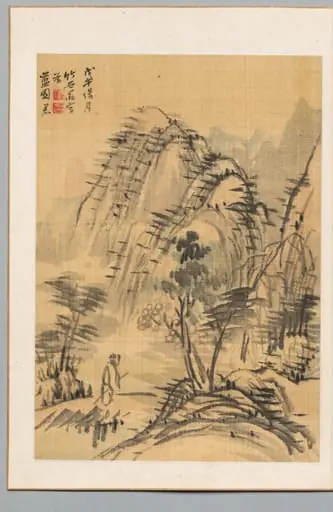 Landscape
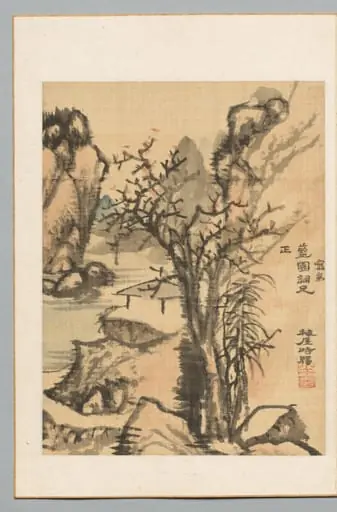 Landscape
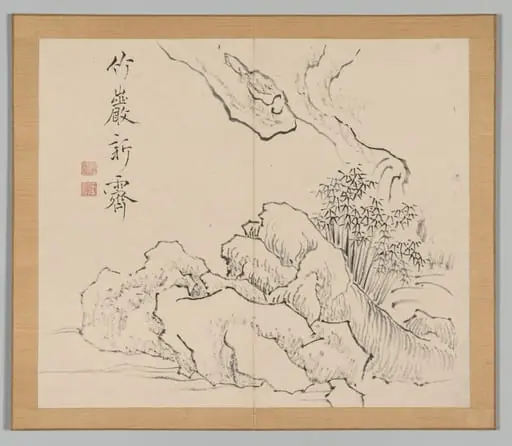 Reverberations of Taiga, Volume 2 (leaf 19)