Artwork
Chrysanthemums and Cabbage

Chrysanthemums and Cabbage is an unspecified painting by the Ming dynasty painting artist Tao Cheng. It dates from 1486 and is held in the collection of the Cleveland Museum of Art.
About this work
You see a cabbage and a few chrysanthemum stems painted in soft ink and pale colors on paper.
This wasn’t made in a studio. Tao Cheng painted it quickly during a gathering with friends. They added poems around the edges, turning a simple vegetable into a shared moment.
Look up other works from china, ming dynasty (1368–1644) to see how scholars mixed art and poetry.
Overview
Chrysanthemums and Cabbage is a painting created by Tao Cheng during a gathering with scholar-officials on an autumn day in Beijing.
Subject & Meaning
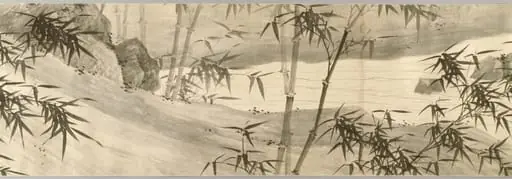
The painting depicts two simple subjects: chrysanthemums with bamboo and a rock, and cabbage, executed in monochrome ink and light colors respectively. The imagery and accompanying poems allude to the ideals of the scholar-official class, including upright character and concern for the welfare of the common people.
Technique & Style
Tao Cheng employed a spontaneous and casual style, applying ink and colors to the first sections of the paper, leaving space for poetic inscriptions by his guests.
History & Provenance
The painting was created during the Ming dynasty (1368–1644), a period when scholars often combined art and poetry in their social gatherings.
Context
The work reflects the cultural practice of mingling art and literature, as seen in other works from the Ming dynasty, where scholar-officials would come together to create and appreciate art.
Artist & collection