Artwork
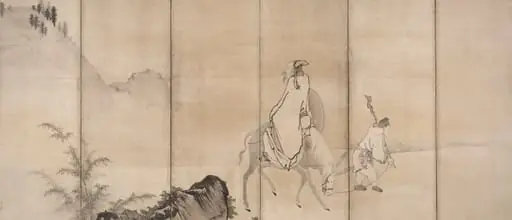
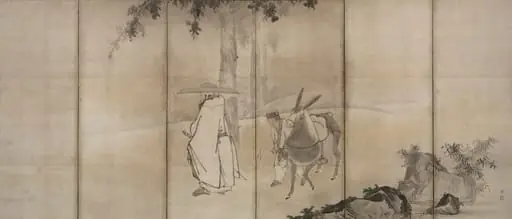
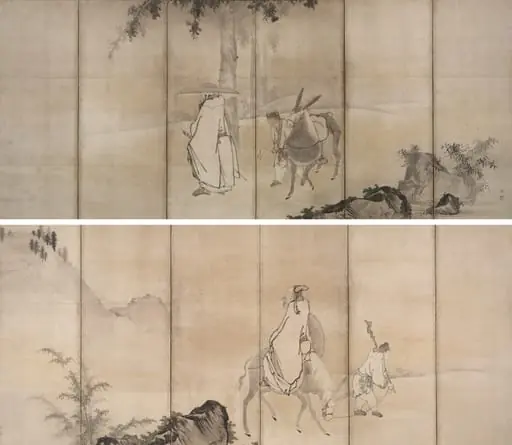
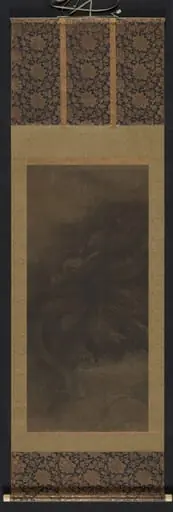
Poems and Pictures of the Eight Views of Xiao-Xiang

Poems and Pictures of the Eight Views of Xiao-Xiang is an unspecified painting by the Baroque artist Unkoku Tōgan. It dates from 1608 and is held in the collection of the Cleveland Museum of Art.
About this work
Overview
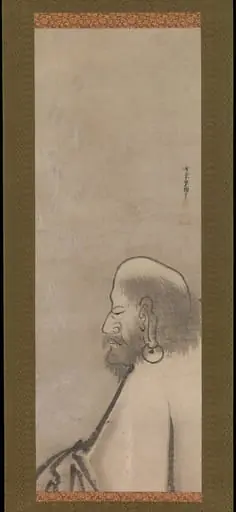
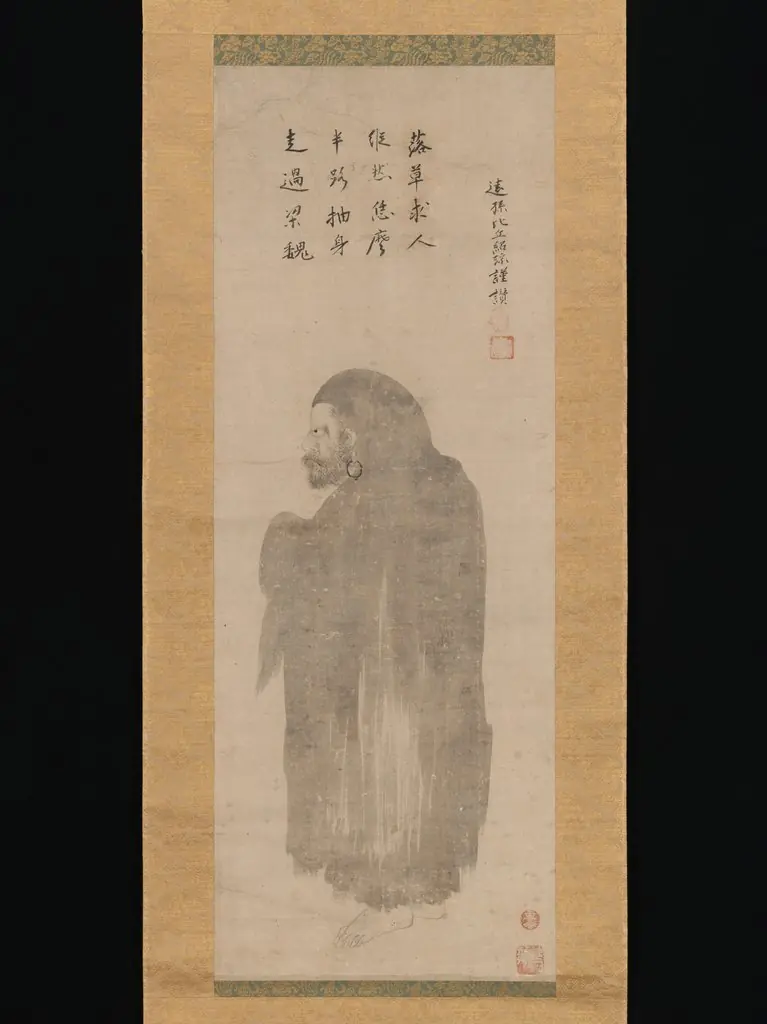
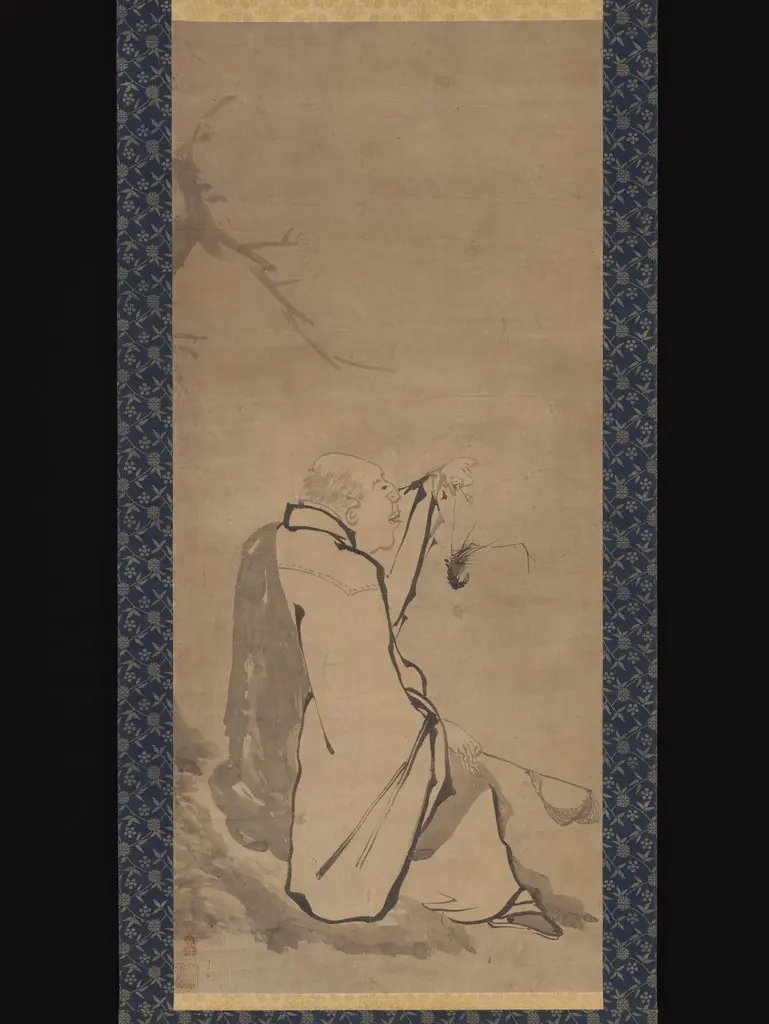
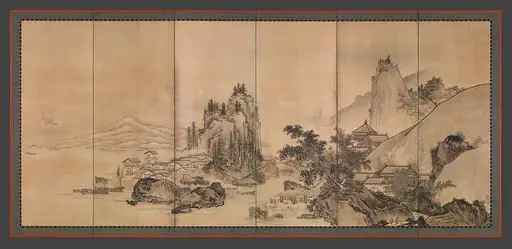
This set of eight ink paintings depicts the traditional Chinese theme of the Eight Views of Xiao-Xiang, adapted into Japanese artistic practice.
This set of eight ink paintings depicts the traditional Chinese theme of the Eight Views of Xiao-Xiang, adapted into Japanese artistic practice. Executed in monochrome ink on paper, each panel captures a fleeting moment in nature—dawn, dusk, rain, or seasonal change—along the Xiao and Xiang rivers in Hunan. The compositions are spare, relying on atmospheric effects rather than detail to convey mood and movement.
Subject & Meaning
Each scene alludes to a specific time or condition in the Xiao-Xiang landscape, evoking contemplation through subtle natural cues: mist over water, lone boats, distant hills. Rooted in Chinese poetic tradition, the views invite reflection on impermanence and harmony with nature. The inclusion of Zen Buddhist inscriptions reinforces the meditative quality, linking the landscape to spiritual stillness and the passage of time.
Technique & Style
The artist employed a wet-brush, splashed-ink method, allowing ink to bleed and pool unpredictably on paper to suggest mist, water, and atmospheric depth. This technique, derived from Chinese Chan Buddhist painting traditions, prioritizes spontaneity and suggestion over precision. Edges dissolve into soft gradients, creating a hazy, dreamlike quality that mirrors the transient nature of the scenes depicted.
History & Provenance
The series was painted by Unkoku Tōgan, a Japanese artist trained in Chinese models, and inscribed by Inkei Gentetsu, a Rinzai Zen abbot. While the theme originated in 12th-century China, this version reflects its 16th-century transmission to Japan, where it was embraced by Zen monastic circles. The pairing of image and verse aligns with the Japanese practice of integrating poetry and painting as complementary expressions of insight.
Context
The Eight Views of Xiao-Xiang emerged in China as a literary and visual motif tied to exile, travel, and the emotional resonance of landscape. By the Muromachi period, Japanese artists and monks adapted it as a vehicle for Zen aesthetics, favoring minimalism and ambiguity. This series reflects broader cultural exchanges across East Asia, where Chinese themes were reinterpreted through local spiritual and artistic frameworks.
Legacy
Tōgan’s interpretation contributed to the enduring popularity of the Xiao-Xiang theme in Japanese ink painting. Its emphasis on suggestion over detail influenced later generations of artists seeking to convey emotion through restraint. The integration of Zen poetry with landscape imagery became a model for monastic artistic production, reinforcing the link between contemplative practice and visual expression in East Asian culture.
Artist & collection
Artist
Unkoku Tōgan (雲谷 等顔, 1547–1618) was a Japanese painter. He was born into a privileged family in Nagasaki, the second son of Hara Naoie, lord of Nokomi Castle in Hizen province. Starting as an artist of the Kanō school,…