Artwork
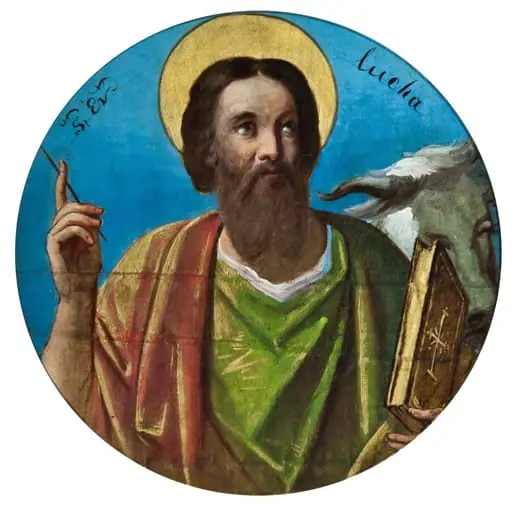
Evanghelistul Matei
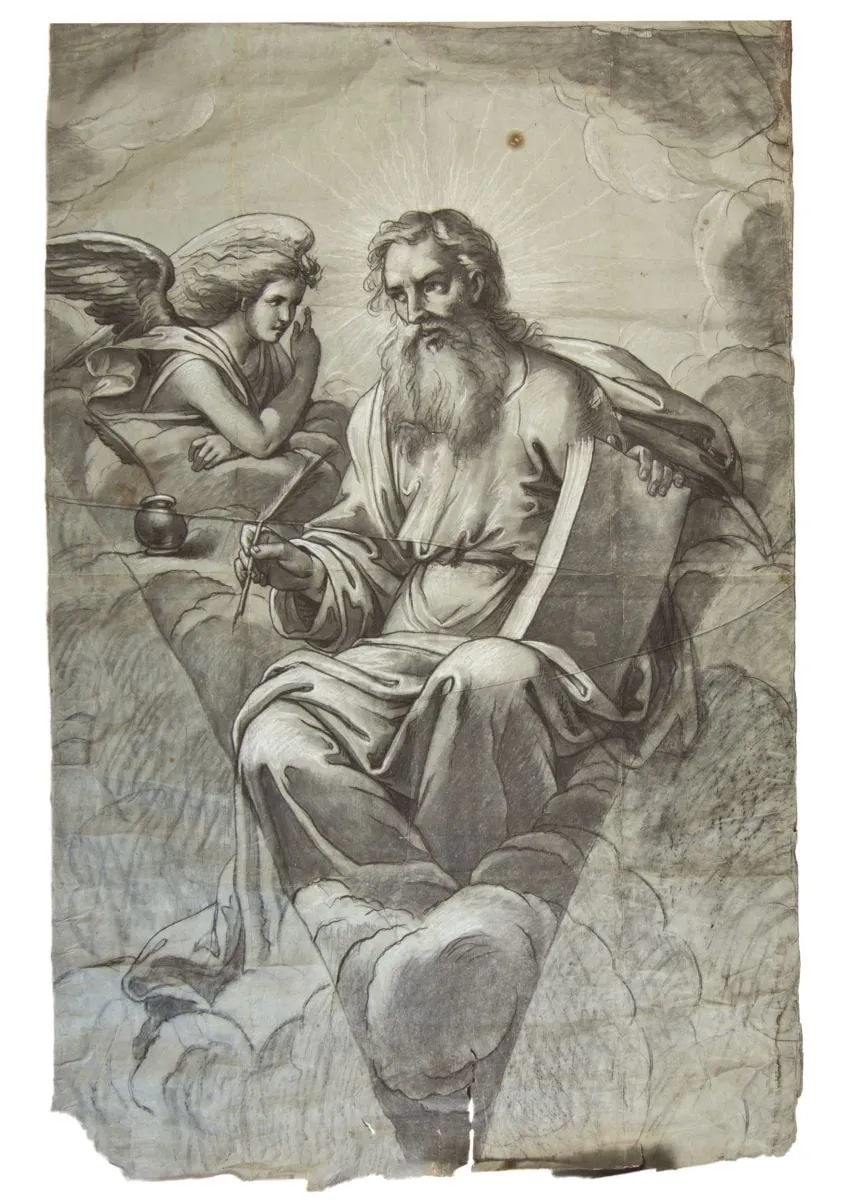
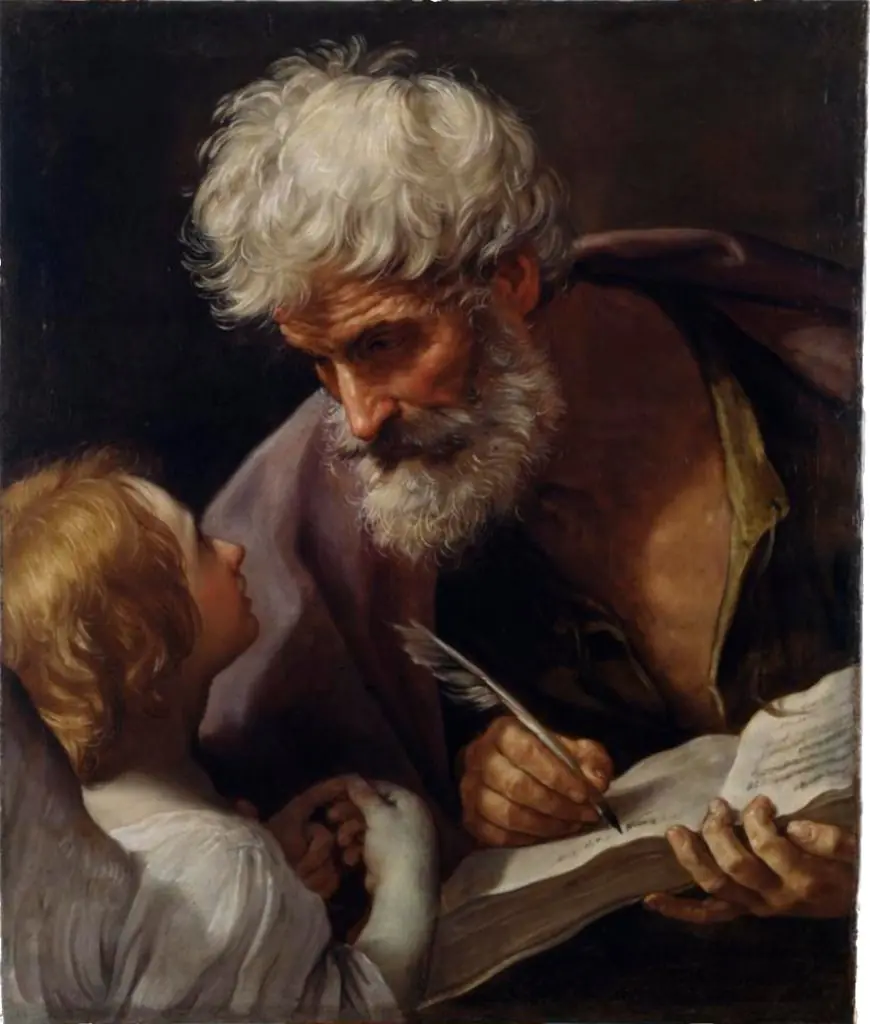
Evanghelistul Matei is a drawing by Gheorghe Tattarescu. It dates from 1867 and is held in the collection of the Bucharest Municipality Museum.
About this work
Overview
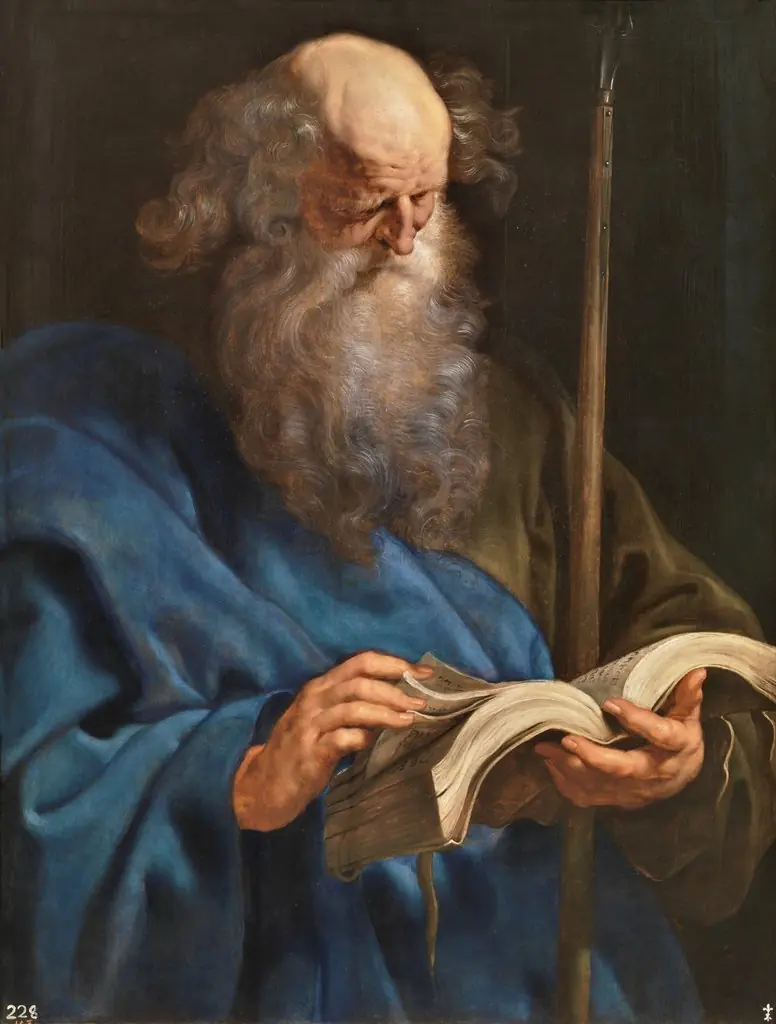
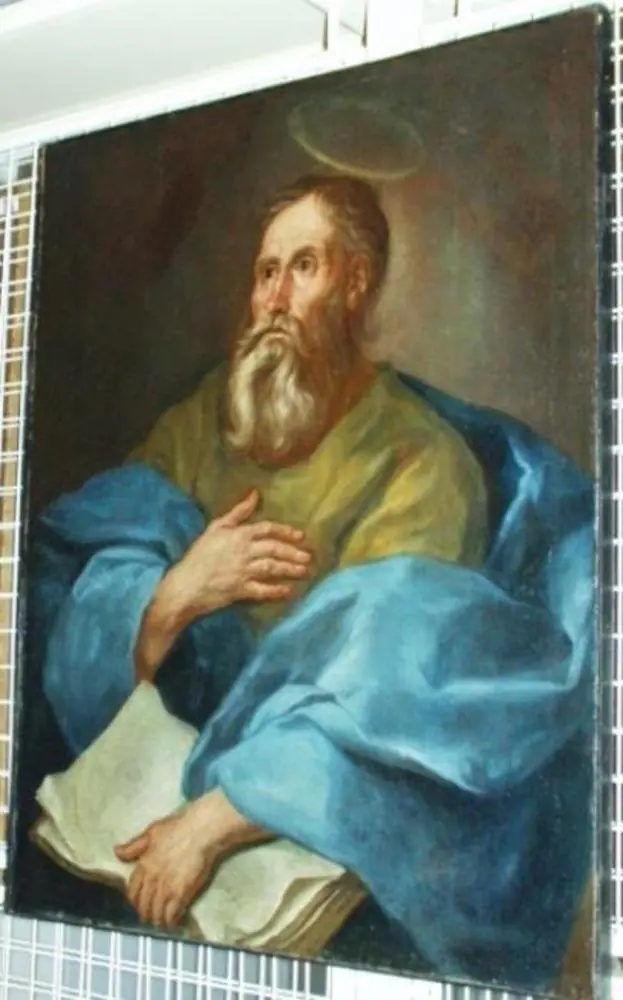
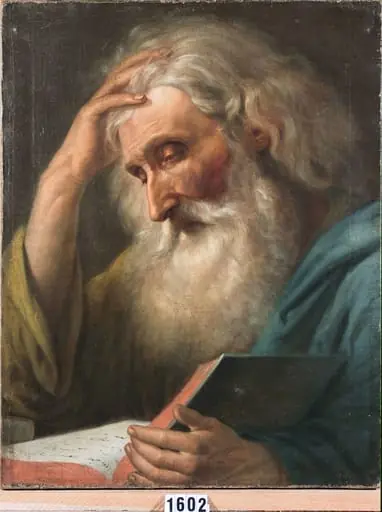
Evanghelistul Matei, created by Gheorghe Tattarescu around 1867, is a neoclassical painting housed in the Museum of Ethnography. It portrays Saint Matthew, one of the four Evangelists, in a composition that reflects Tattarescu's adherence to neoclassical principles.
Subject & Meaning
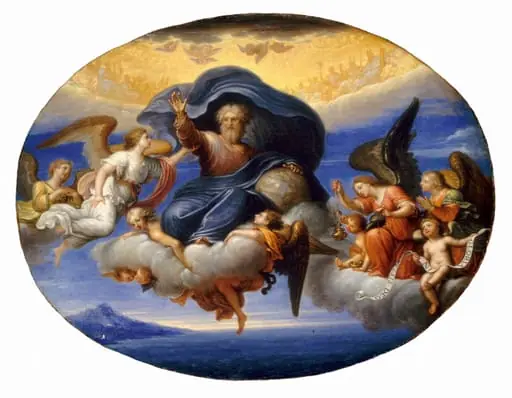
The painting depicts Saint Matthew in a traditional religious context, accompanied by an angel who guides his attention to a scroll. The scene conveys a moment of divine inspiration or teaching, underscored by Matthew's intent expression and the angel's directive pose.
Technique & Style
Tattarescu employed a restrained neoclassical style, characterized by a structured composition. The artwork features simple lines, shading, and possibly cross-hatching techniques to achieve depth. The rough, textured background, resembling cracked stone, contrasts with the subtle, glowing halo around Saint Matthew's head.
History & Provenance
Created circa 1867 by Gheorghe Tattarescu, a pioneer of neoclassicism in Romanian art, the painting is part of the Museum of Ethnography's collection. No detailed provenance history is provided beyond its current ownership.
Context
Evanghelistul Matei reflects the religious iconography common during the late 19th century, while also showcasing Tattarescu's contribution to introducing neoclassical elements into Romanian art.
Legacy
While specific legacy details of *Evanghelistul Matei* are not provided, it contributes to the broader understanding of Tattarescu's role in Romanian neoclassical art and the evolution of religious themes in 19th-century European painting.
Artist & collection
Artist
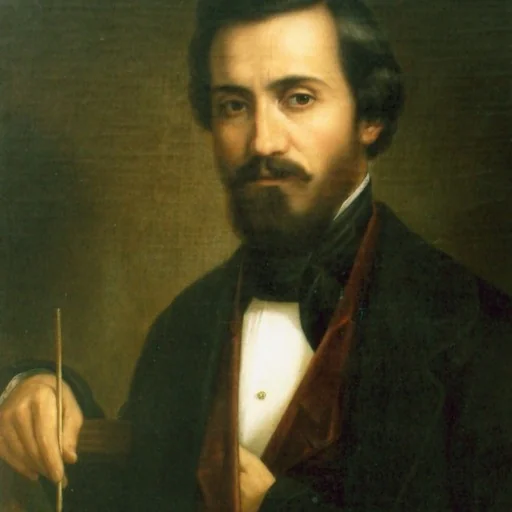
Gheorghe Tattarescu (Romanian pronunciation: ; October 1818 – October 24, 1894) was a Romanian painter and a pioneer of neoclassicism in his country's modern painting.