Artwork
Moses with the Tablets of Law
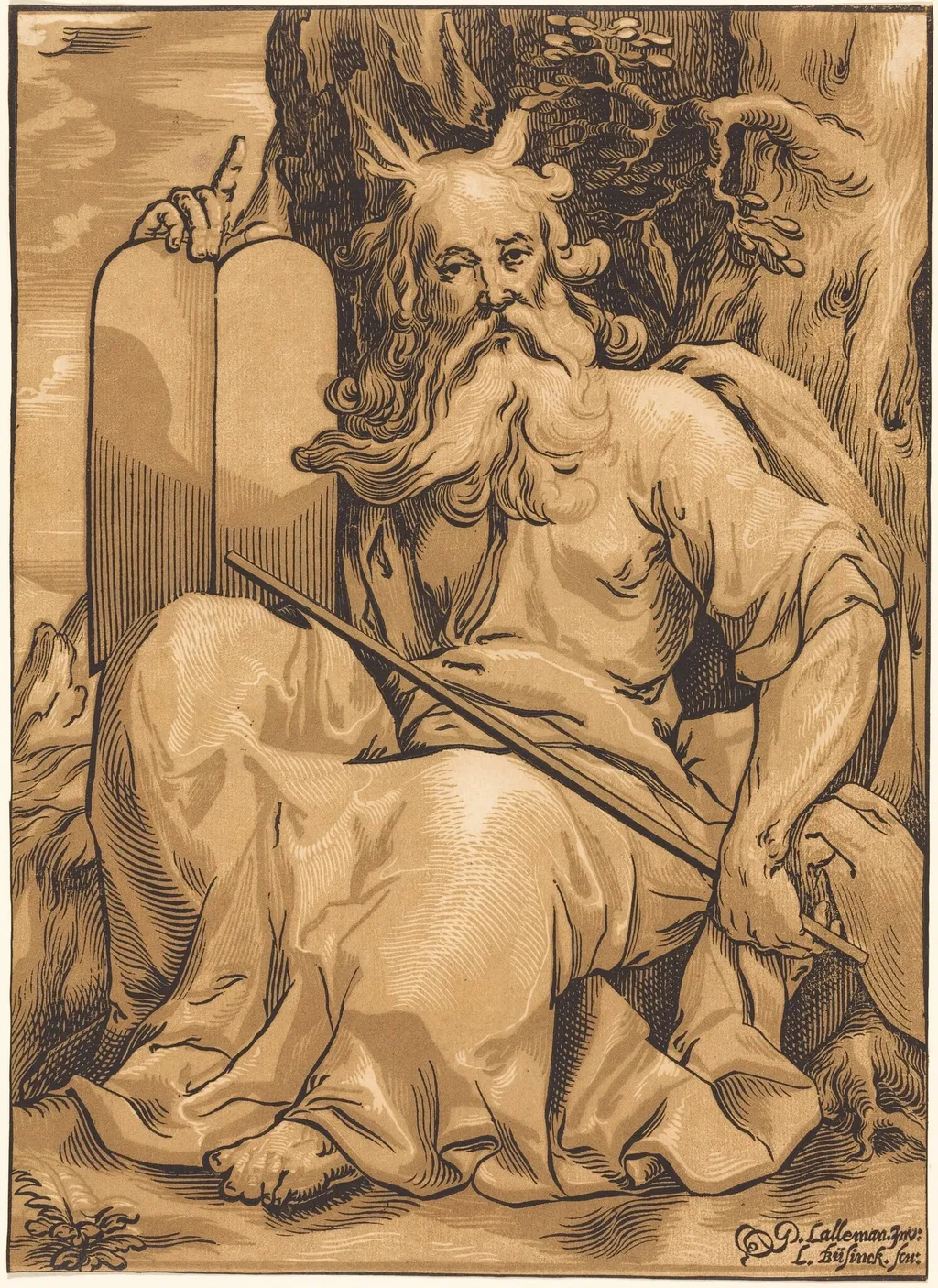
Moses with the Tablets of Law is an ink print by the Baroque artist Ludwig Büsinck. It is held in the collection of the National Gallery of Art.
About this work
Overview
Moses with the Tablets of Law is a chiaroscuro woodcut created by Ludwig Büsinck in 1630, utilizing a combination of black line block and two brown tone blocks to achieve depth and dimension.
Subject & Meaning
The print depicts Moses holding stone tablets inscribed with Hebrew text, conveying a sense of solemnity and reverence. His disheveled beard and sharply folded robe add to the expressive intensity of the scene.
Technique & Style
Büsinck employed chiaroscuro techniques, contrasting a dark background with highlighted areas on Moses' face and the tablets. The incorporation of two brown tone blocks alongside the black line block introduces warm, nuanced shading, enhancing the tactile quality of the tablets in Moses' hands.
History & Provenance
Created in 1630, specific details regarding the print's provenance and historical context are not provided in the available information.
Context
This work reflects the Baroque period's emphasis on dramatic lighting and emotional expression, while the subject matter aligns with the religious themes common in early 17th-century European art.
Legacy
The significance of 'Moses with the Tablets of Law' in Büsinck's oeuvre or broader artistic influence is not detailed in the provided sources; further research into Ludwig Büsinck's body of work is suggested for deeper understanding.
Artist & collection


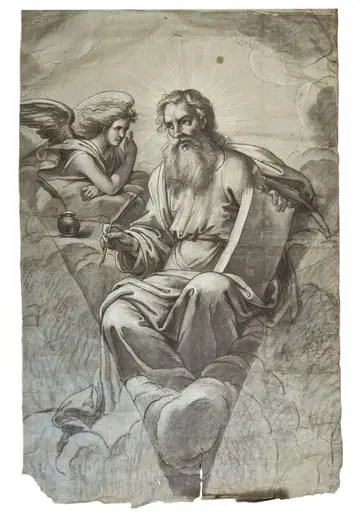 Evanghelistul Matei
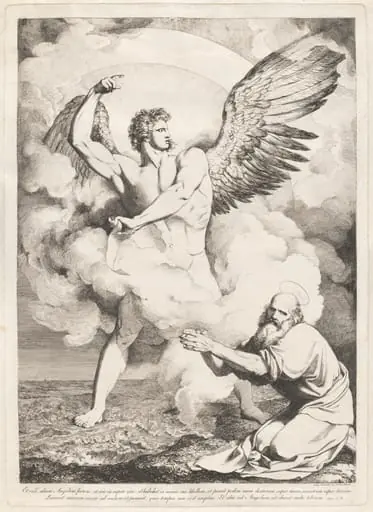 Et vidi alium angelum fortem... (The Angel of the Apocalypse Appearing to Saint John)
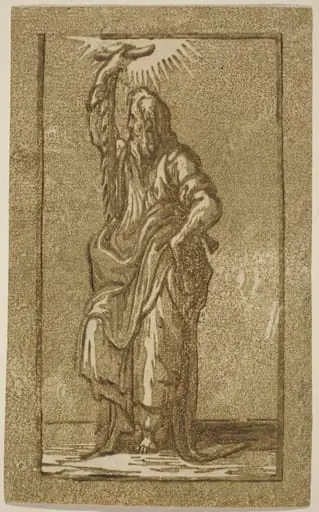 Saint Simon
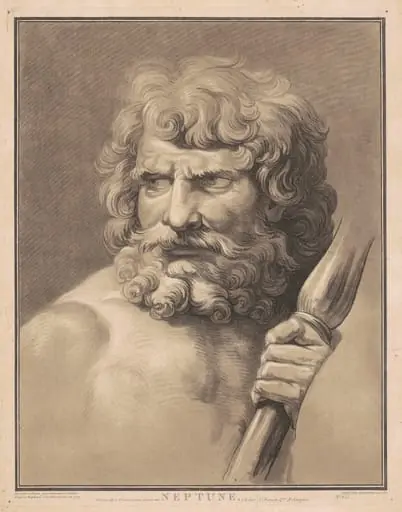 Neptune
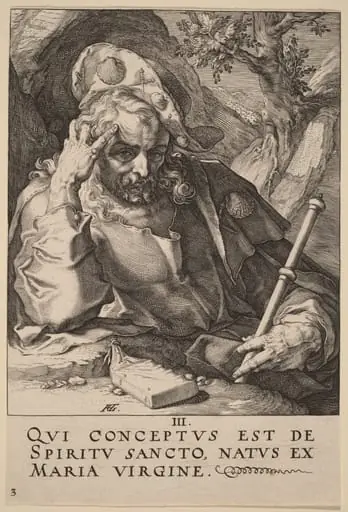 Saint James Major
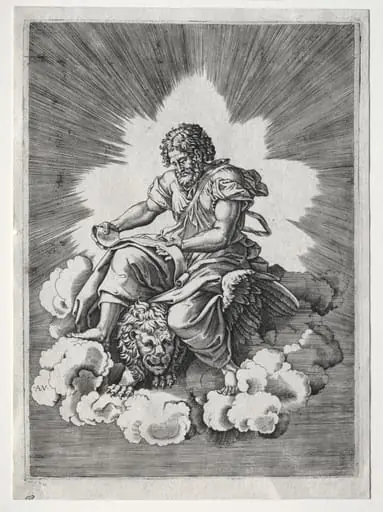 The Four Evangelists: St. Mark
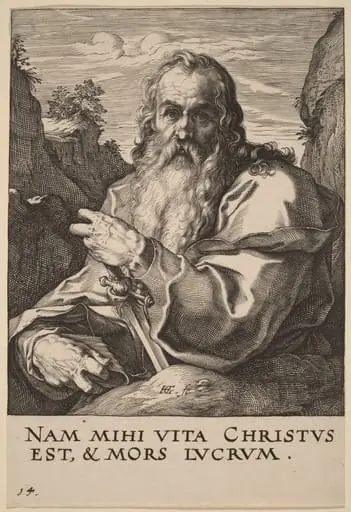 Saint Paul
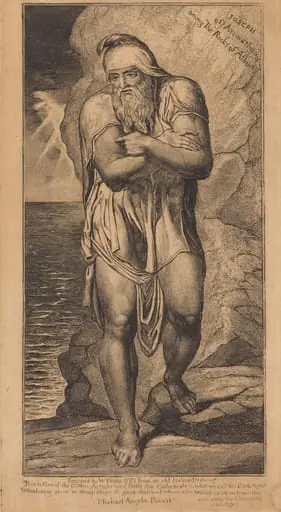 Joseph of Arimathea Among the Rocks of Albion
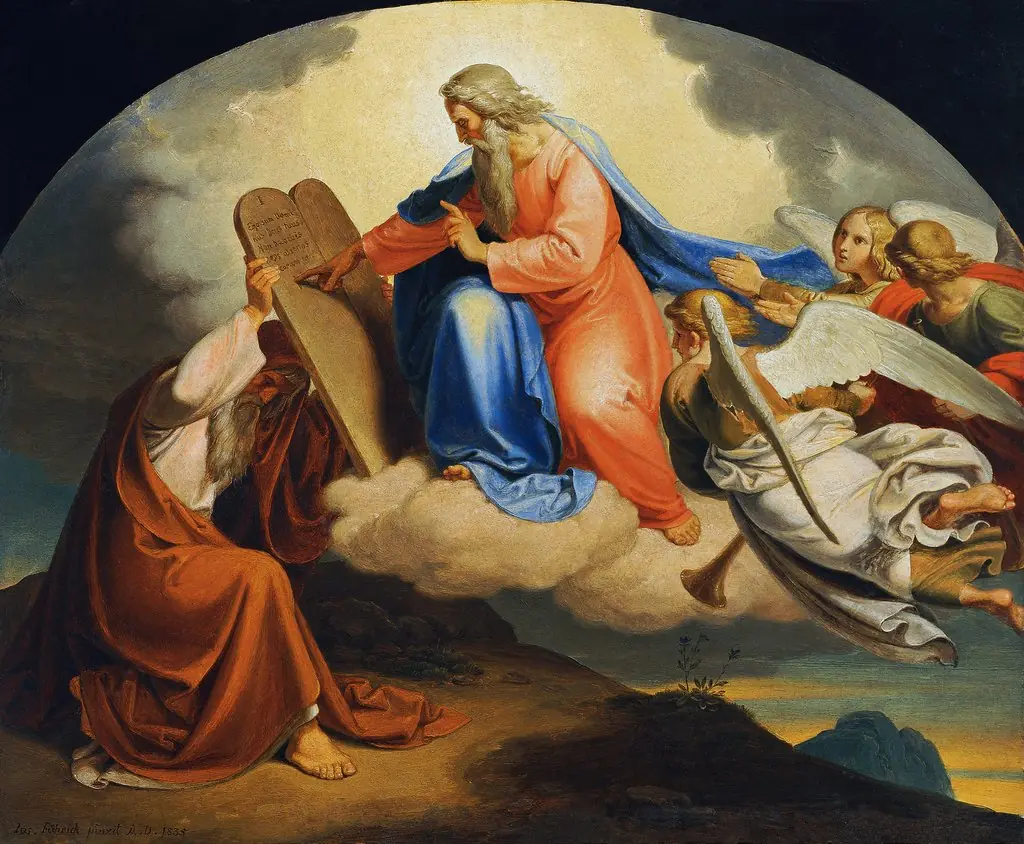 God Writes the Ten Commandments to Moses on Two Tablets of Stone on Mount Sinai