Artwork
Eternal Father with cherubim and angels
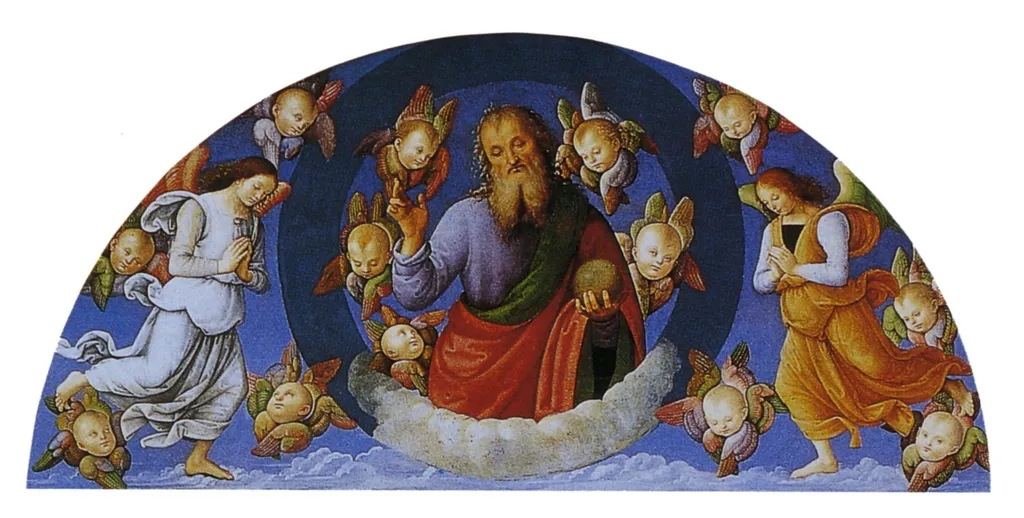
Eternal Father with cherubim and angels is an unspecified painting by the High Renaissance artist Pietro Perugino. It dates from 1498 and is held in the collection of the Museum of Fine Arts of Lyon.
About this work
This painting is called Eternal Father with cherubim and angels. It was created by Pietro Perugino.
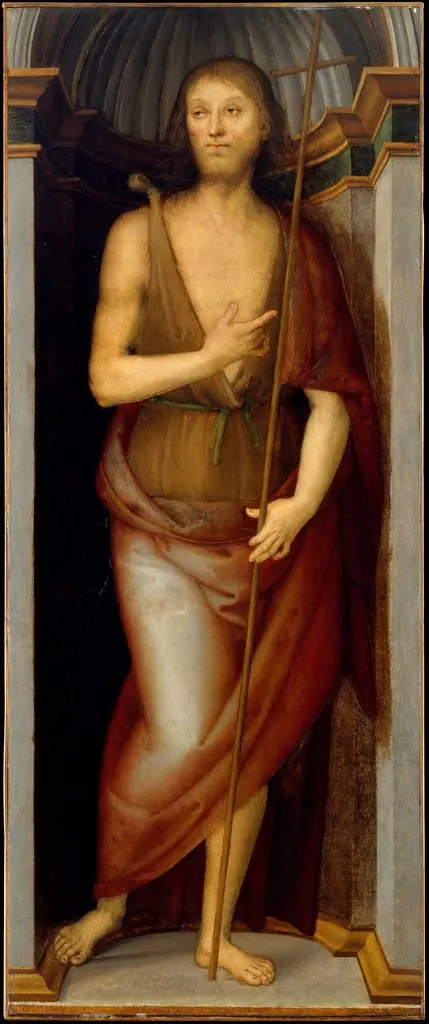
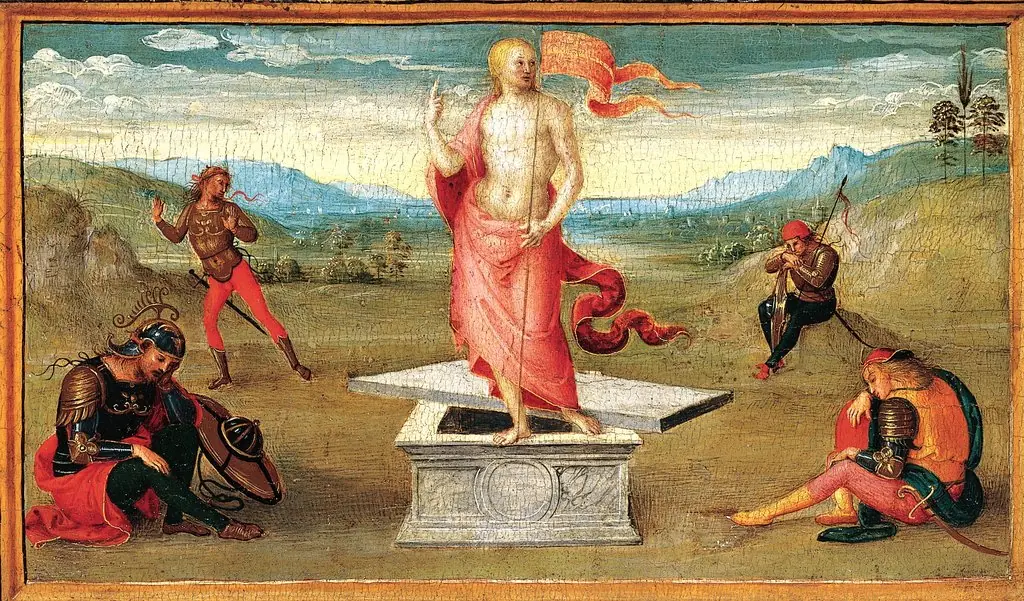
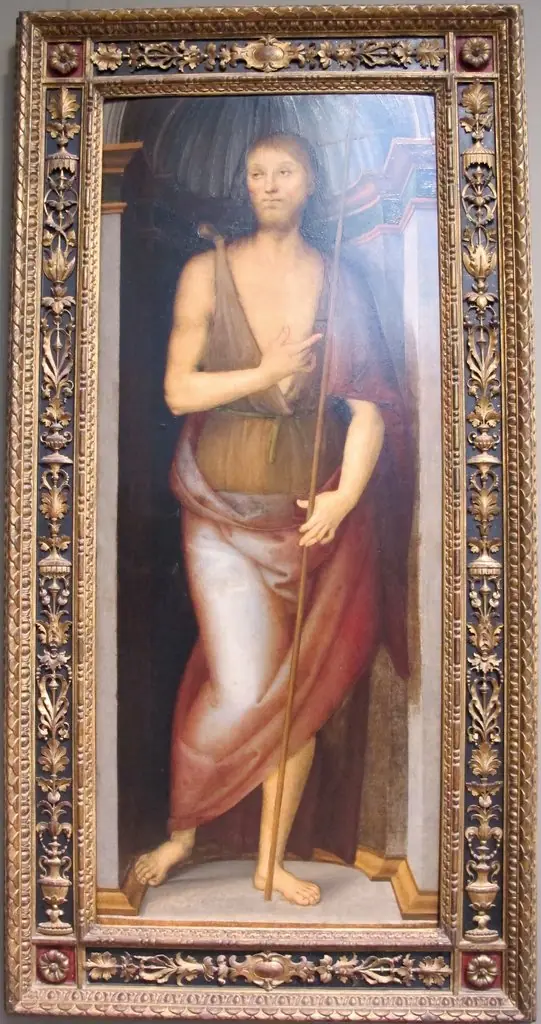
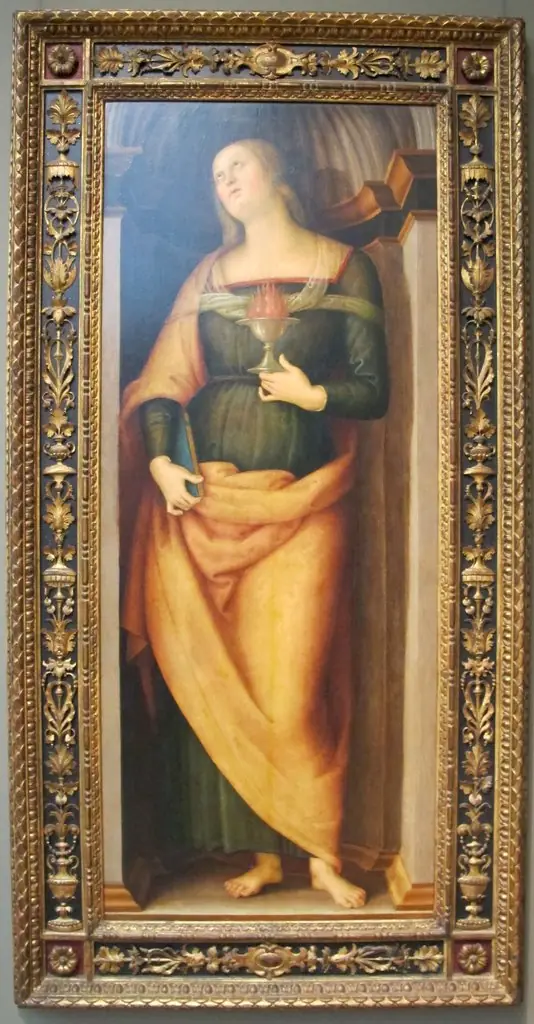
The work is part of a larger piece, the San Pietro Polyptych, which was painted around 1496-1500. Some panels of the polyptych are now in different locations, including the Museum of Fine Arts of Lyon.
You can learn more about the artist who created this work, Pietro Perugino.
Overview
Today, the lunette and central panel are held by the Museum of Fine Arts in Lyon, while other sections are dispersed across European collections.
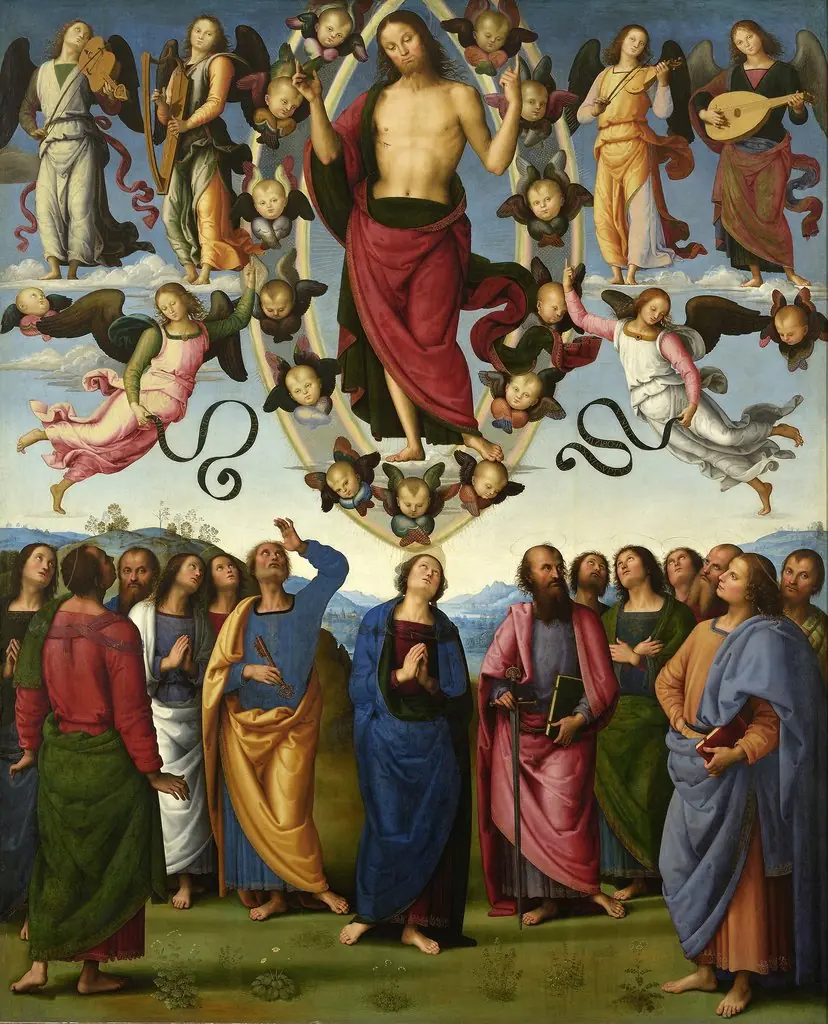
The painting known as Eternal Father with Cherubim and Angels is one component of the San Pietro Polyptych, a multi-panel altarpiece commissioned for the church of San Pietro in Perugia. Created by Pietro Perugino between approximately 1496 and 1500, it originally formed the upper section of the ensemble. Today, the lunette and central panel are held by the Museum of Fine Arts in Lyon, while other sections are dispersed across European collections.
Subject & Meaning
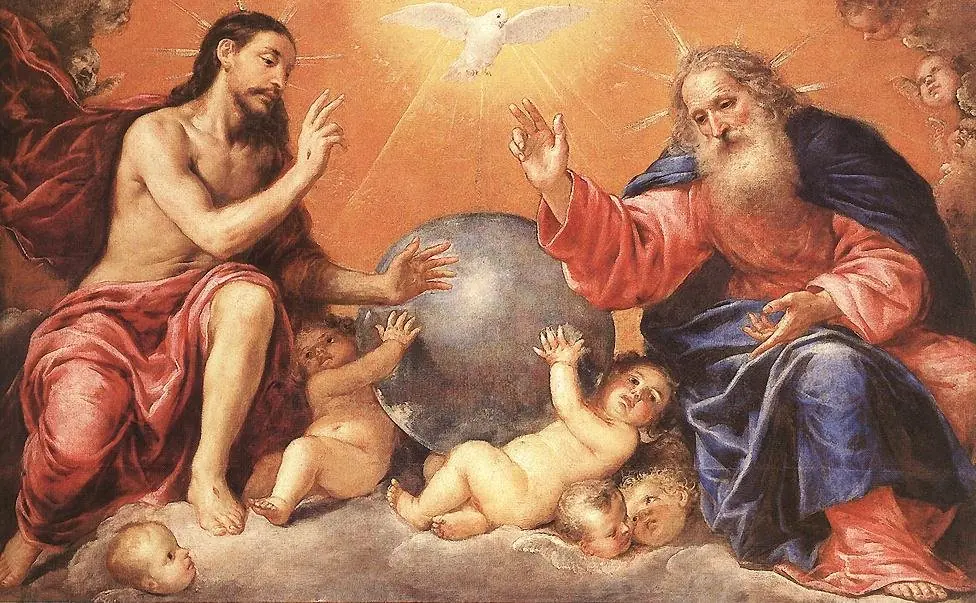
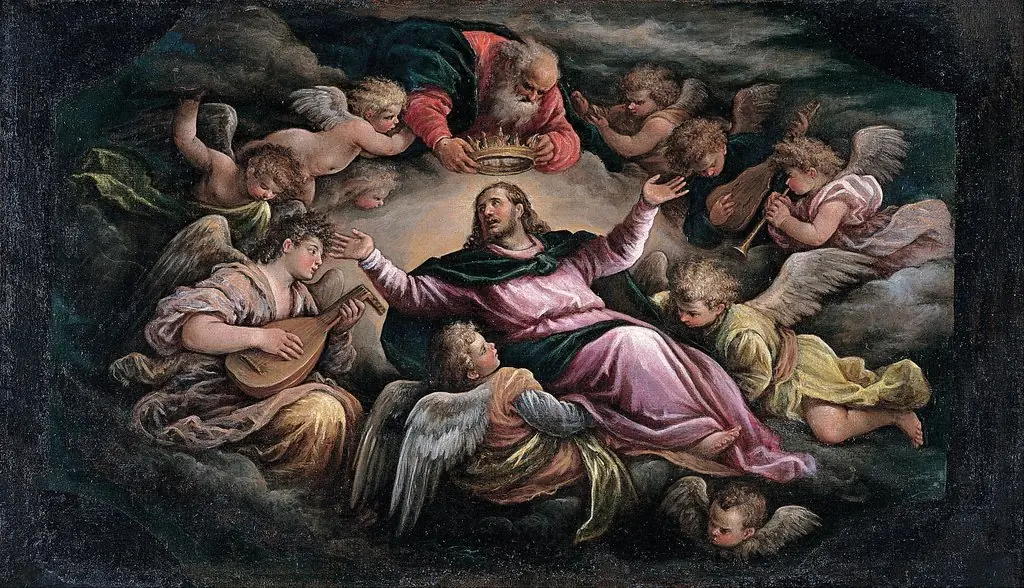
The panel depicts God the Father seated in heaven, surrounded by a choir of angels and cherubim, evoking divine authority and celestial order. The composition reflects theological themes of the Ascension, with the Father as the source of Christ’s glorification. The serene, symmetrical arrangement emphasizes spiritual harmony, aligning with Renaissance ideals of divine proportion and sacred stillness.
Technique & Style
Perugino employed tempera and oil on panel, using soft modeling and muted color harmonies to create a tranquil, luminous atmosphere. His figures are rendered with gentle contours and calm expressions, characteristic of his mature style. The spatial depth is subtly suggested through atmospheric perspective, and the gold background enhances the celestial setting without overwhelming the delicate figures.
History & Provenance
The polyptych was originally installed above the high altar of San Pietro in Perugia. Over time, the panels were separated, likely during the 18th or 19th century, as collections were dispersed or sold. The lunette and central panel entered the Lyon museum’s holdings in the 19th century, while other sections found their way to institutions in Italy and elsewhere, complicating the reconstruction of the original altarpiece.
Context
Created during Perugino’s peak years, the work reflects the influence of Florentine humanism and the devotional trends of late 15th-century Umbria. It was made shortly before his collaboration with Raphael and during a period when religious imagery emphasized serene, idealized forms. The polyptych’s structure and iconography align with contemporary ecclesiastical commissions across central Italy.
Legacy
Though fragmented, the San Pietro Polyptych remains a key example of Perugino’s contribution to High Renaissance altarpiece design. Its compositional clarity and emotional restraint influenced later artists in the region. Modern scholarship continues to study its dispersed panels to better understand the original liturgical context and the artist’s evolving approach to sacred narrative.
Artist & collection
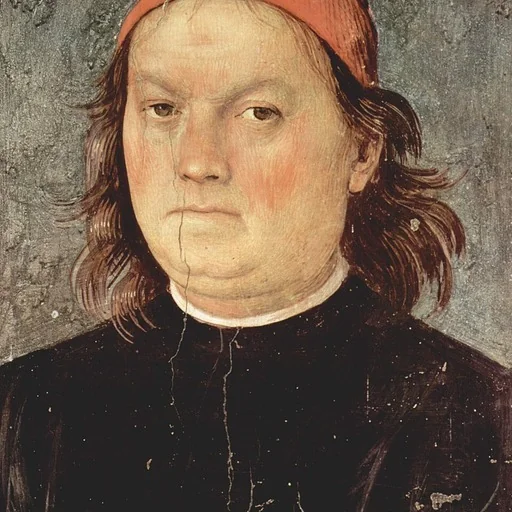
Artist
Pietro Perugino (US: PERR-ə-JEE-noh, -oo-; Italian: ; born Pietro Vannucci or Pietro Vanucci; c.