Artwork
Viisi kirkkovuoden juhlateemaa
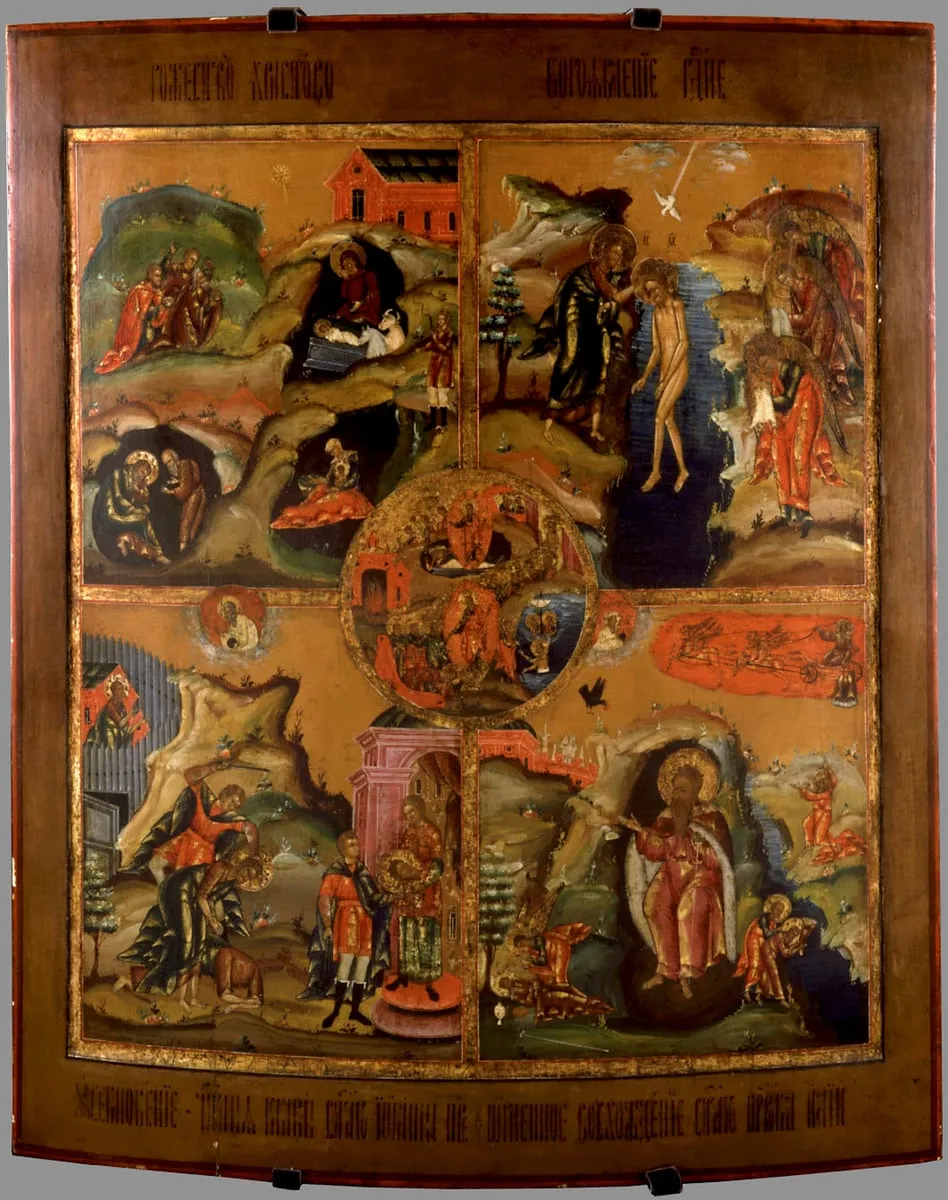
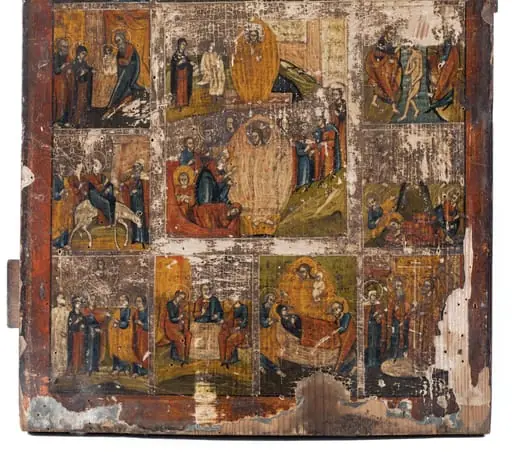
Viisi kirkkovuoden juhlateemaa is an unspecified painting by tekijä ei tiedossa. It is held in the collection of the Finnish National Gallery. This work presents five liturgical feast days of the Christian calendar in a single composition, rendered in tempera on a wooden panel.
About this work
Overview
This work presents five liturgical feast days of the Christian calendar in a single composition, rendered in tempera on a wooden panel. The choice of medium reflects a traditional approach common in Northern European devotional art during the late medieval period, emphasizing durability and fine detail over broad brushwork.
Subject & Meaning
The painting unites five church holidays—likely including Christmas, Easter, Pentecost, and others—within one visual field. Each scene functions as a devotional reminder, intended to guide contemplation and reinforce seasonal liturgical rhythms for viewers in a pre-literate society.
Technique & Style
Tempera paint, made from pigment mixed with egg yolk, was applied in thin, precise layers over a gessoed wood surface. This method produced a matte finish with sharp contours and subtle color transitions, suited to the detailed, symbolic style favored in religious imagery of the time.
History & Provenance
The painting’s origin is tied to a regional ecclesiastical context, possibly commissioned for a parish church or private chapel. Its survival suggests it was preserved due to its devotional value, though its specific early ownership and movement remain undocumented.
Context
Created during a period when liturgical calendars structured daily life, the image served as both instruction and inspiration. Similar works were common in Scandinavia and the Baltics, where wooden altarpieces and devotional panels reinforced faith through visual storytelling.
Legacy
Though not widely known outside regional collections, the painting exemplifies the enduring use of tempera on wood in ecclesiastical art. It contributes to understanding how medieval communities engaged with sacred time through material culture, before the rise of printed liturgical books.
Artist & collection
Artist
This unknown artist left behind work that feels like a hushed conversation in a candlelit chapel.

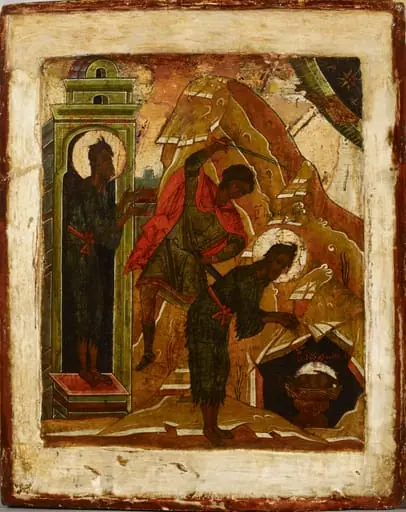 Johannes Kastajan mestaus, venäläinen ikoni
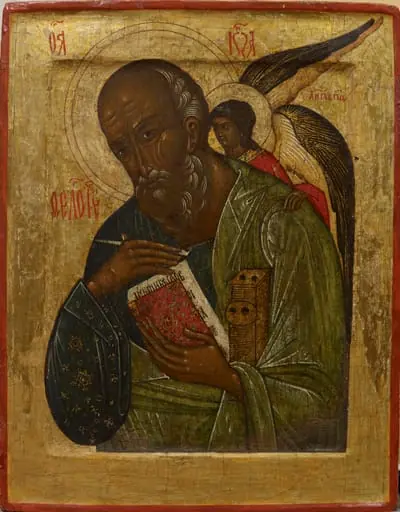 Johannes Evankelista, venäläinen ikoni
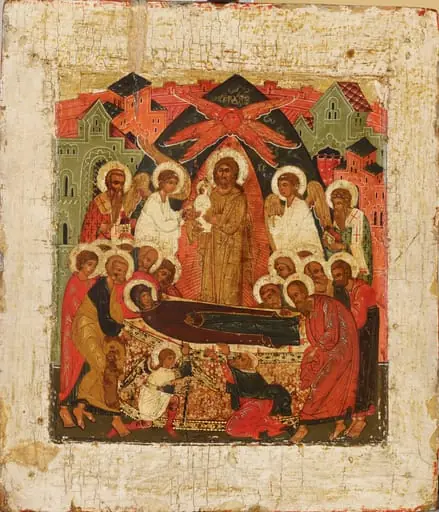 Jumalanäidin kuolonuneen nukkuminen, venäläinen ikoni
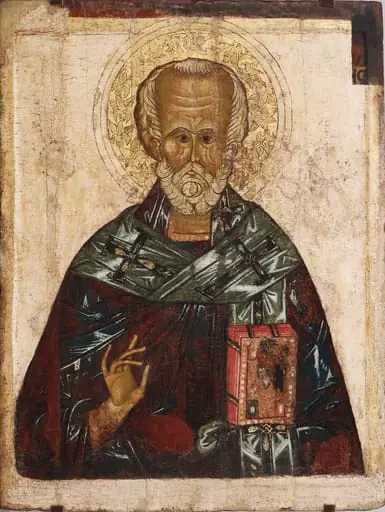 Pyhä Nikolaus, venäläinen ikoni
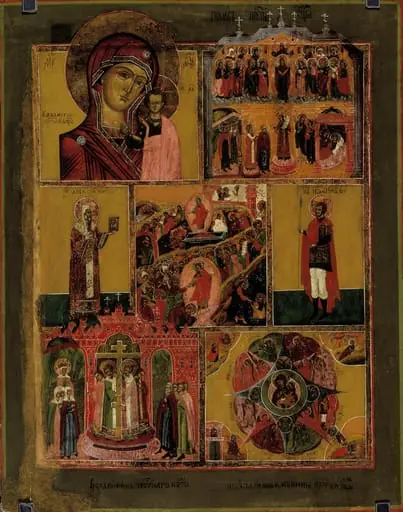 Pääsiäinen ja kirkkovuoden juhlia, venäläinen ikoni
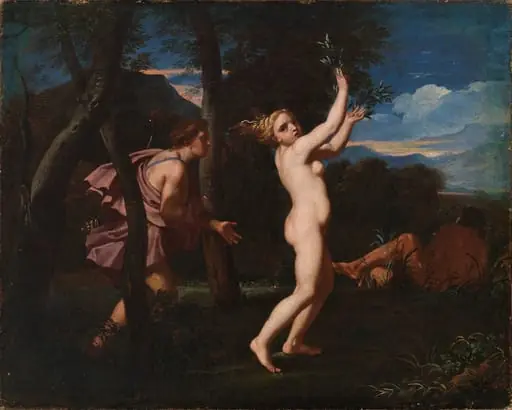 Apollo ja Dafne
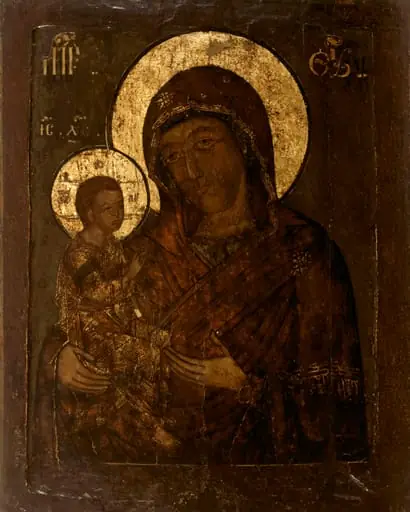 Jerusalemin Jumalanäiti, (Hodigitria), venäläinen ikoni
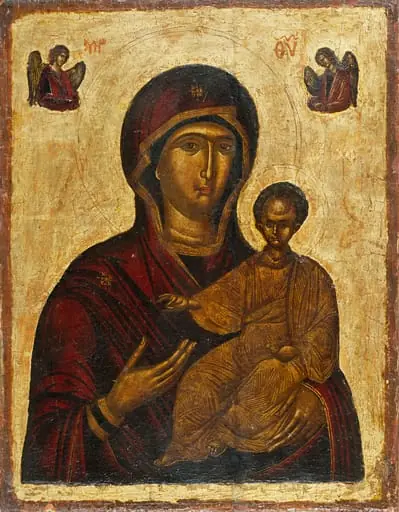 Jumalanäiti, Hodigitria - Tiennäyttäjä, bysanttilainen ikoni
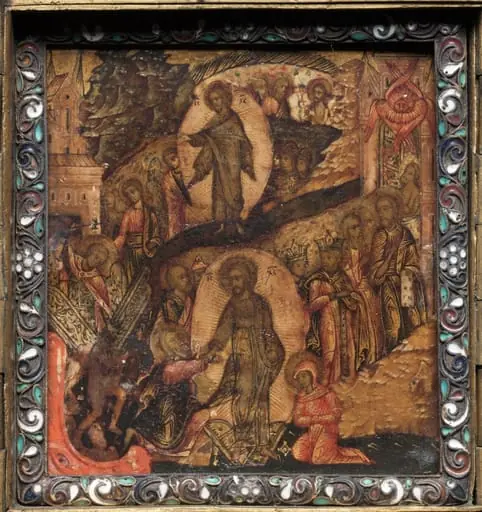 Portable Triptych Icon: The Resurrection and Anastasis
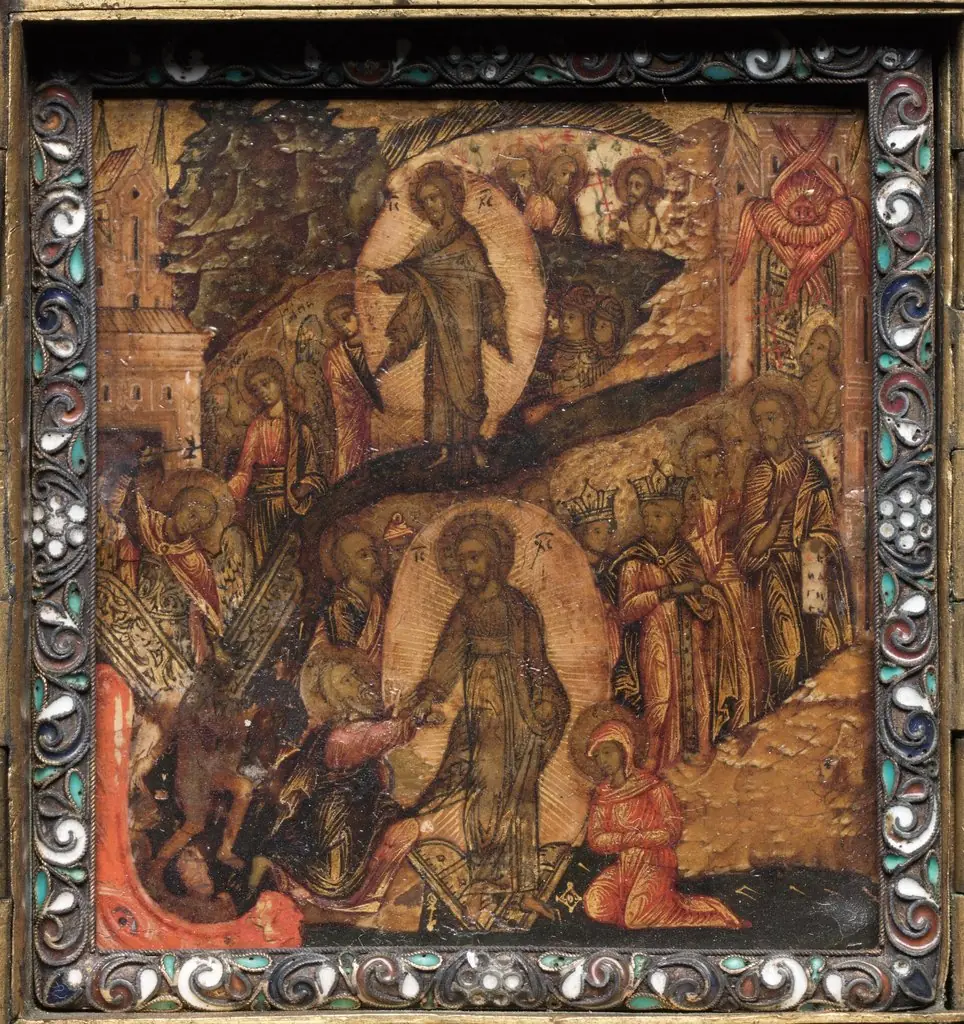 Portable Triptych Icon
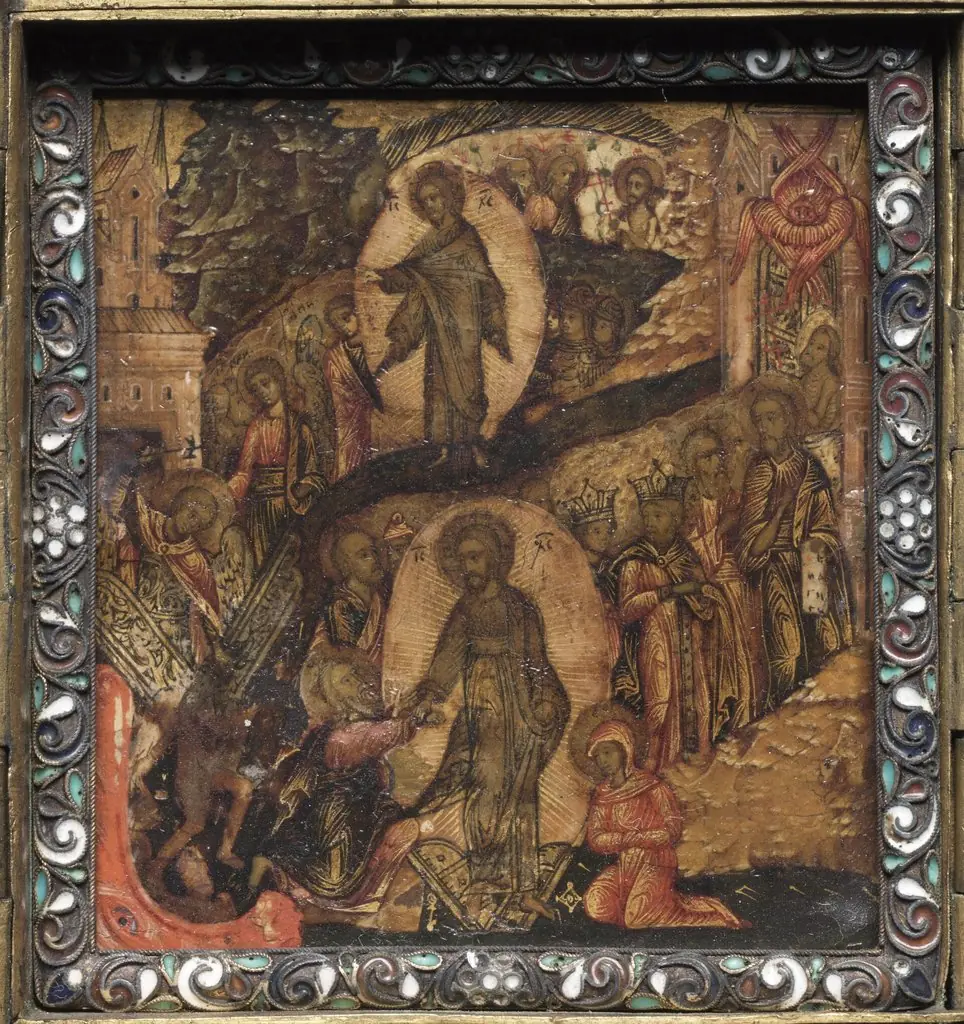 Portable Triptych Icon: The Resurrection and Anastasis
 Scene biblice
 The Creation of the World
 Adoration of the Magi
 Icoană în patru registre, în centru Iisus Crucificat
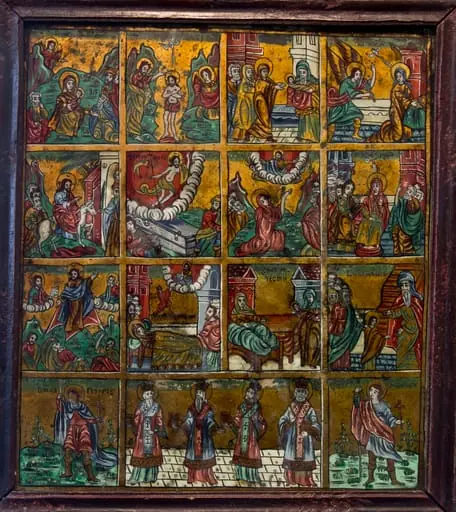 Prăznicar – Scene din viața lui Iisus
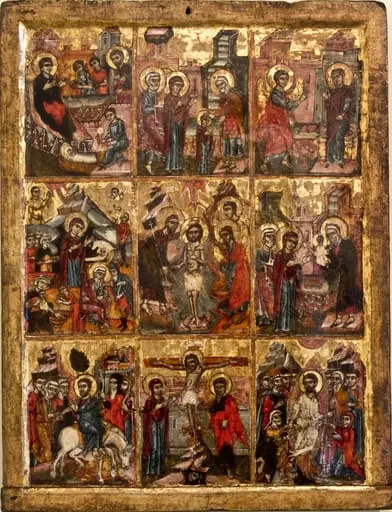 Scene din viața lui Iisus și a Maicii Domnului