Artwork
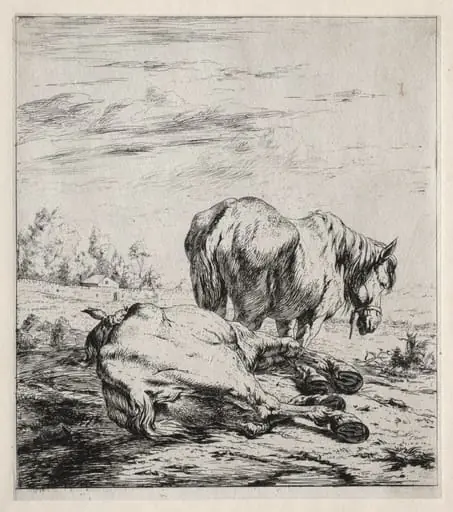
The Mare and Her Foal
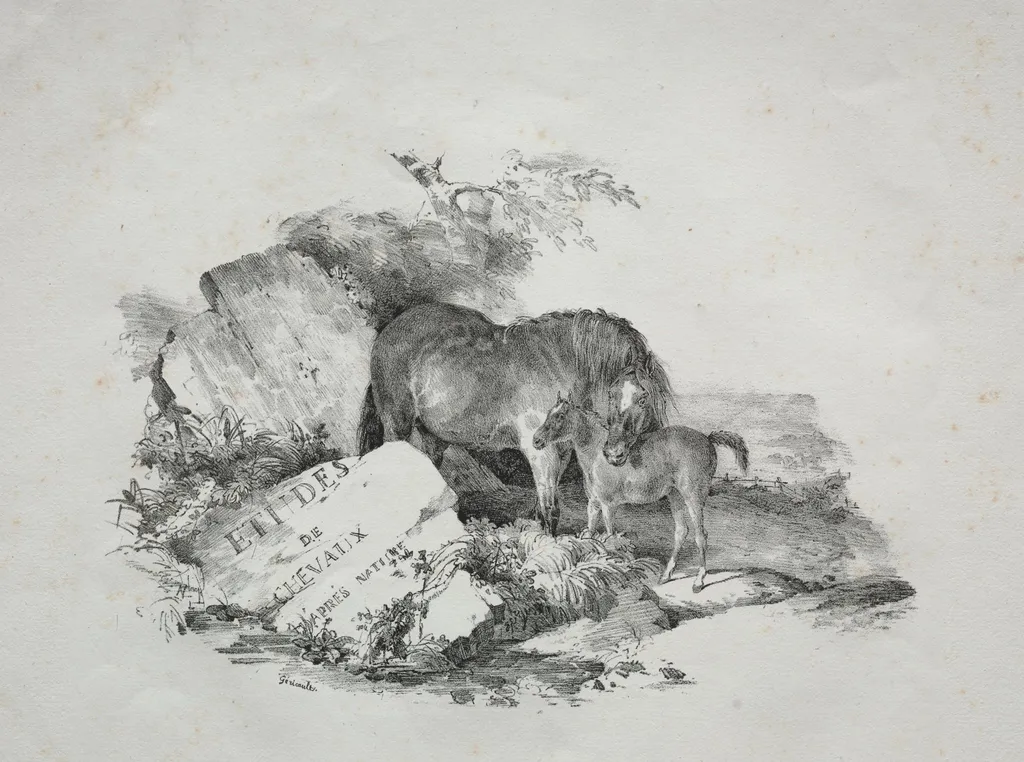
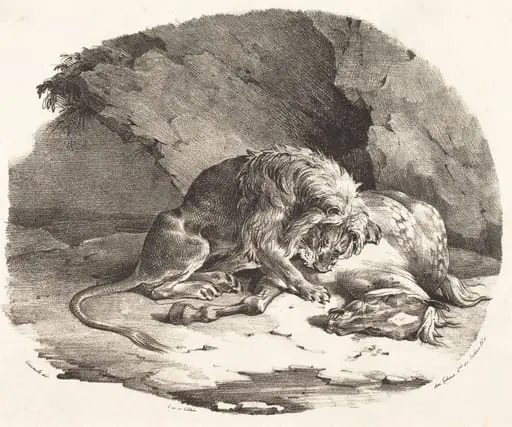
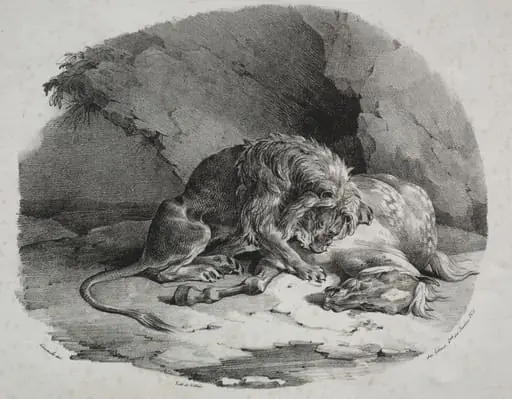
The Mare and Her Foal is a print by the Romanticist artist Théodore Géricault. It dates from 1822 and is held in the collection of the Cleveland Museum of Art.
About this work
Overview
Théodore Géricault produced *The Mare and Her Foal* in 1822 as a lithograph, reflecting his interest in animal subjects during the later phase of his career.
Théodore Géricault produced *The Mare and Her Foal* in 1822 as a lithograph, reflecting his interest in animal subjects during the later phase of his career. Though best known for large-scale historical paintings, this work reveals a quieter, more intimate focus. Created in the years following his return from England, it aligns with his sustained study of equine anatomy and behavior, capturing a moment of calm between mother and offspring.
Subject & Meaning
The print portrays a mare and her foal in a quiet, unadorned setting, their proximity suggesting maternal tenderness. The mare’s turned head and the foal’s close stance convey a bond without sentimentality. Géricault avoids narrative drama, instead emphasizing natural behavior. The absence of overt human presence or symbolic context invites contemplation of animal life on its own terms, consistent with Romanticism’s reverence for the organic world.
Technique & Style
Géricault employed lithography to achieve subtle tonal gradations, using soft lines and muted contrasts to model the animals’ forms. The background is deliberately indistinct, with faint suggestions of grass and foliage, directing focus to the figures. His handling of light is restrained, avoiding dramatic chiaroscuro in favor of even, diffused illumination that enhances the scene’s stillness. The technique reflects his mastery of the medium and his shift toward intimate, observational work.
History & Provenance
Created in 1822, the lithograph was likely made during Géricault’s time in England, where he studied horses and produced a series of animal studies. It entered the collection of the Cleveland Museum of Art in the 20th century, following earlier ownership by European collectors. The work’s survival as a single impression among several variants underscores its status as a personal, rather than commercial, endeavor.
Context
In the early 1820s, Géricault turned from grand historical themes toward studies of animals, influenced by his fascination with anatomy and his travels. This period coincided with broader European interest in naturalism and the emotional life of non-human subjects. His equine works, including this one, reflect both scientific curiosity and a Romantic sensibility that valued authenticity over idealization.
Legacy
Though less known than his monumental paintings, *The Mare and Her Foal* exemplifies Géricault’s versatility and his quiet influence on later animal artists. Its restrained composition and empathetic observation prefigured the naturalistic approaches of 19th-century printmakers and realist painters. The work remains a testament to his ability to convey dignity and quiet emotion through understated means.
Artist & collection
Artist
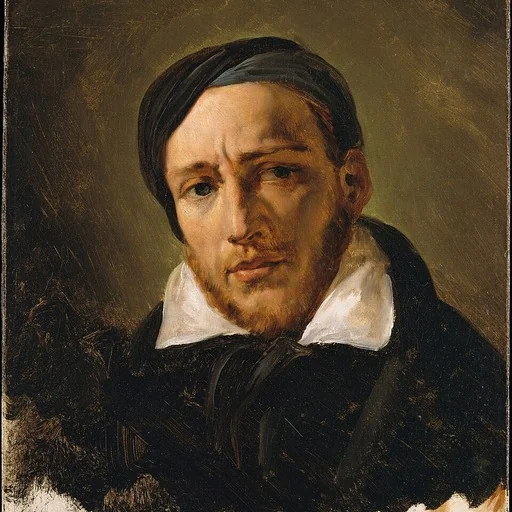
Jean-Louis André Théodore Géricault (French: ; 26 September 1791 – 26 January 1824) was a French painter and lithographer.