Artwork
Landscape with Cows and Oaks
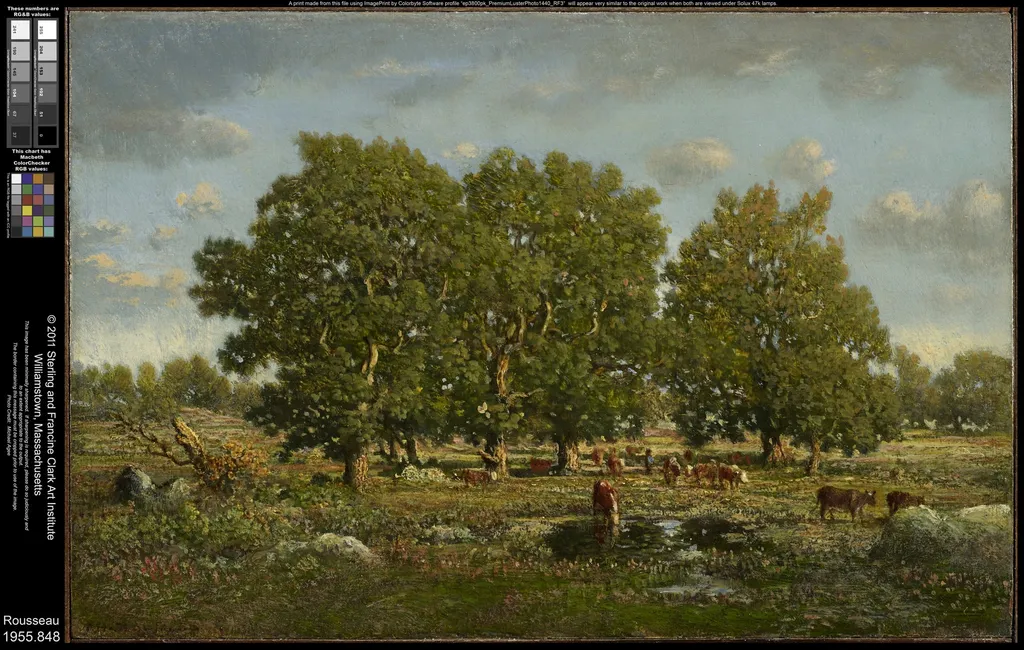
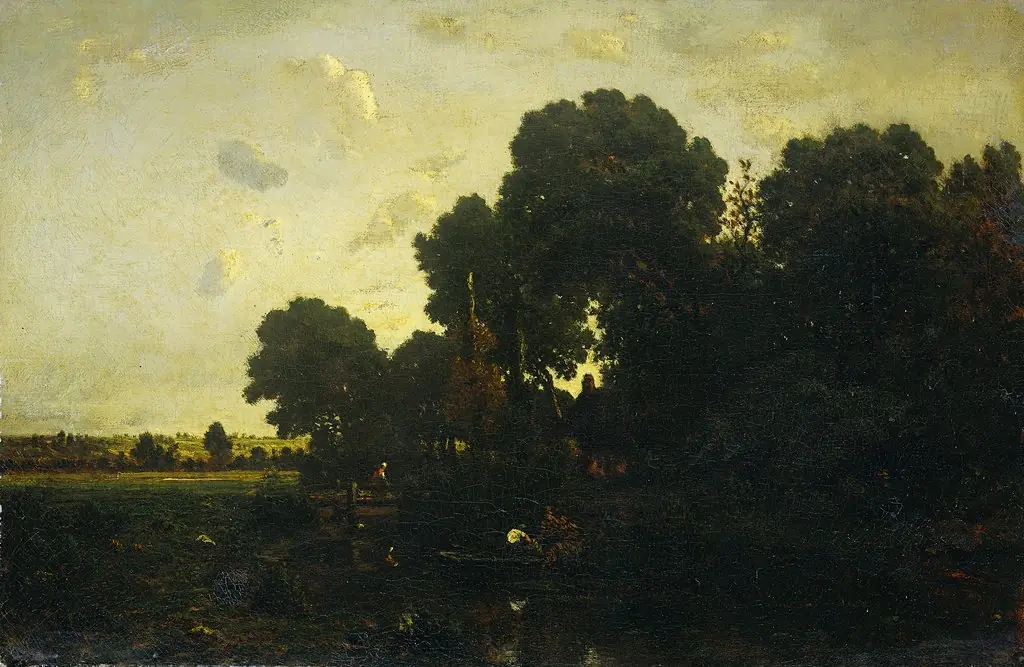
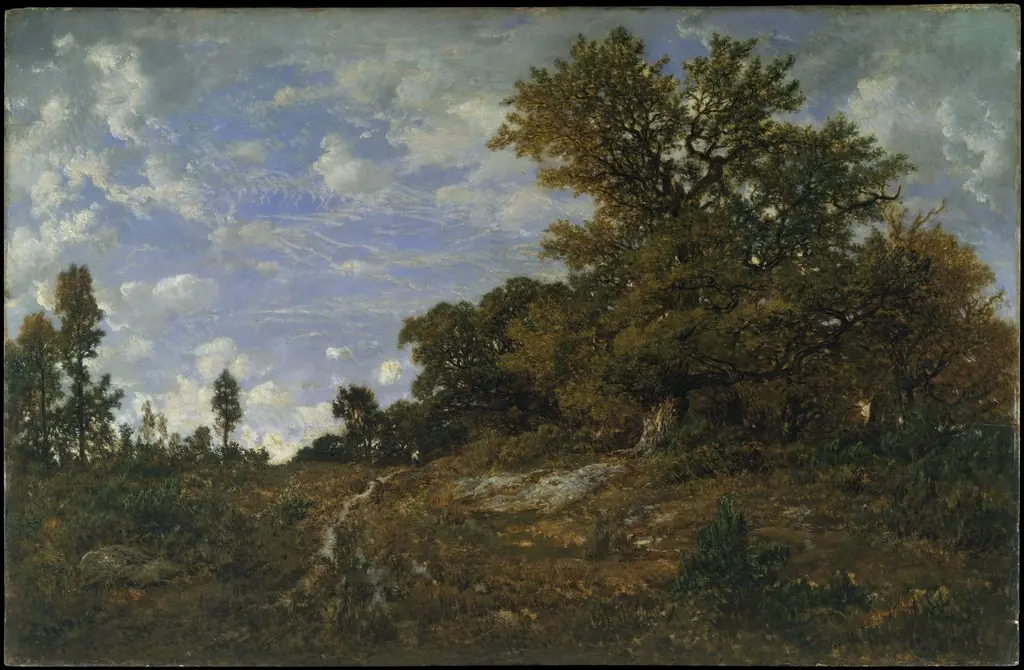
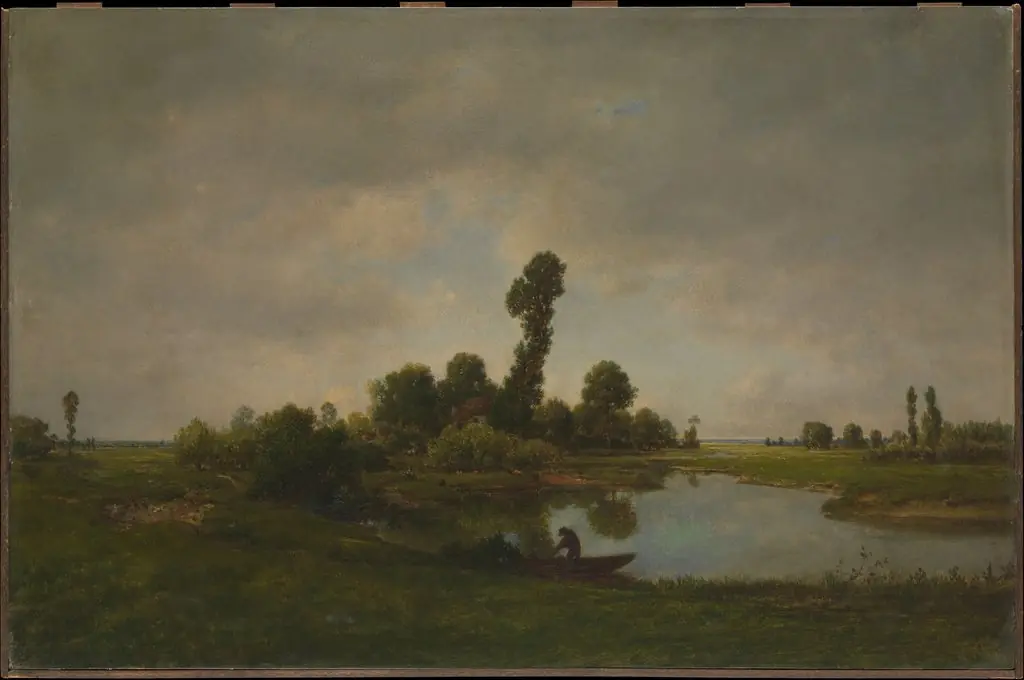
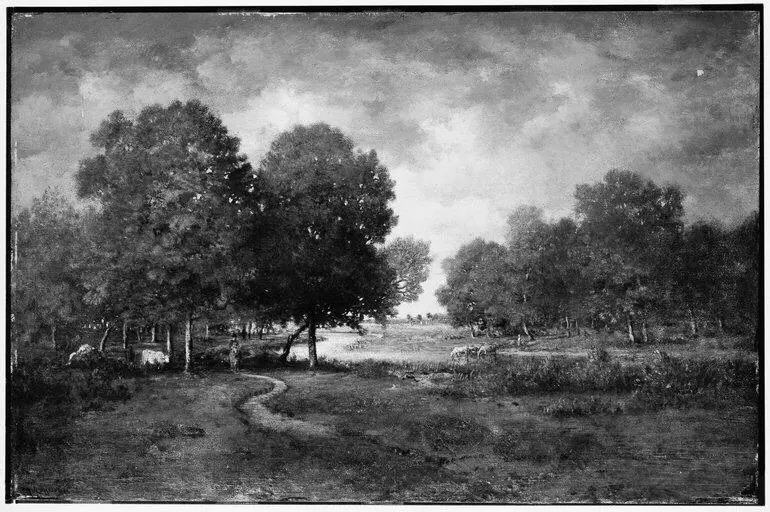
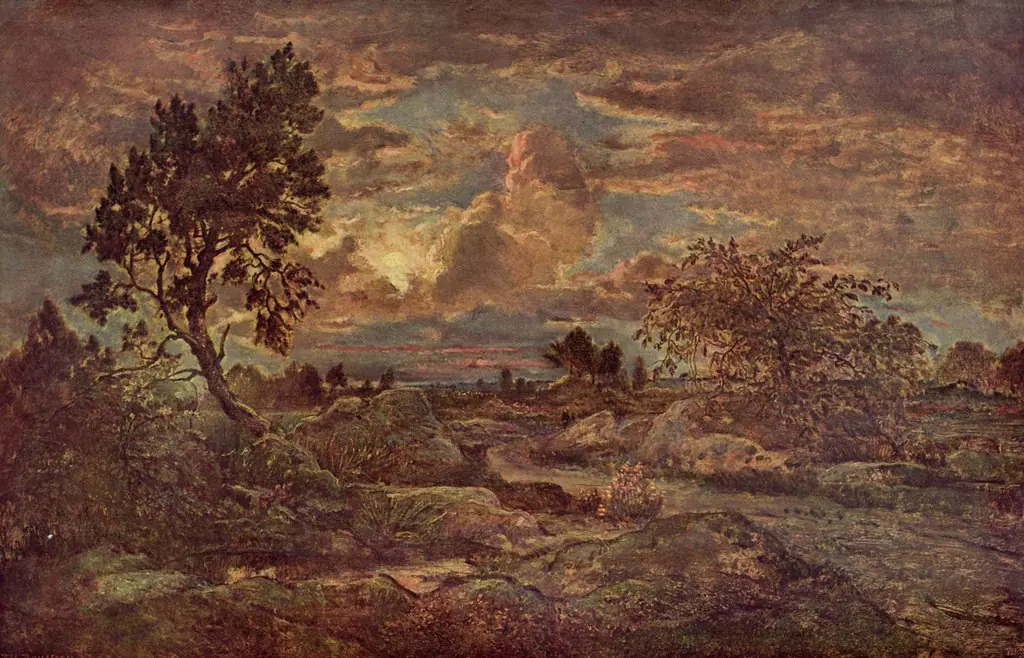
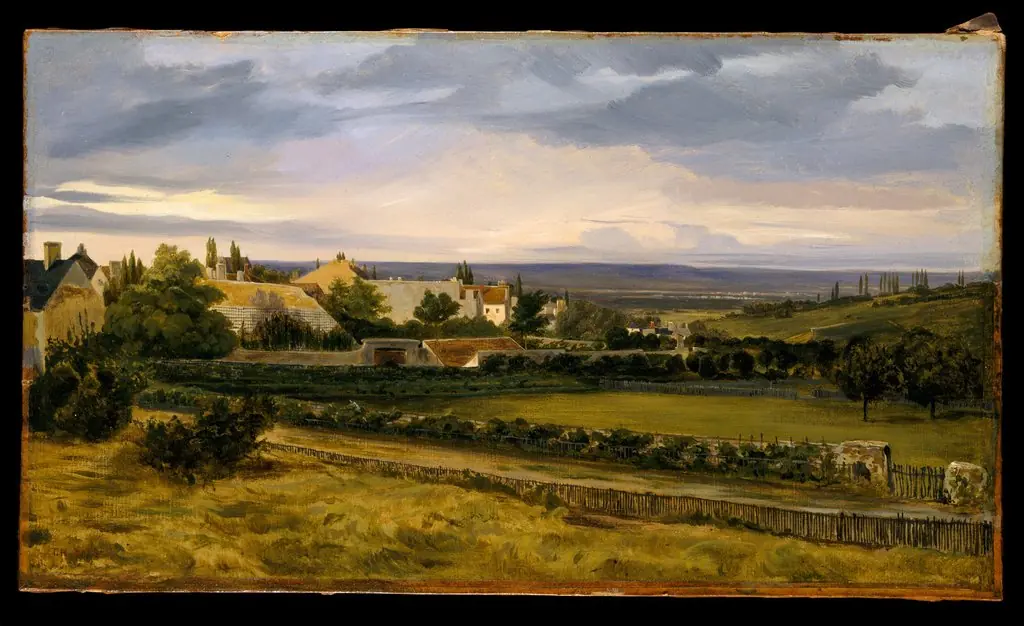
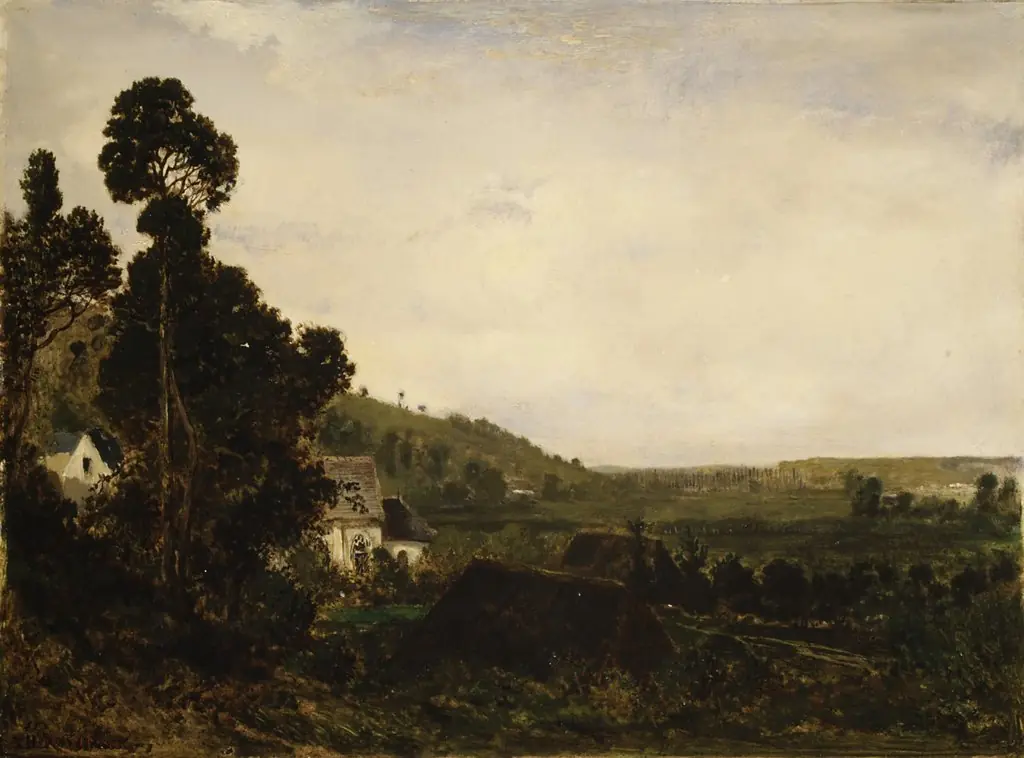
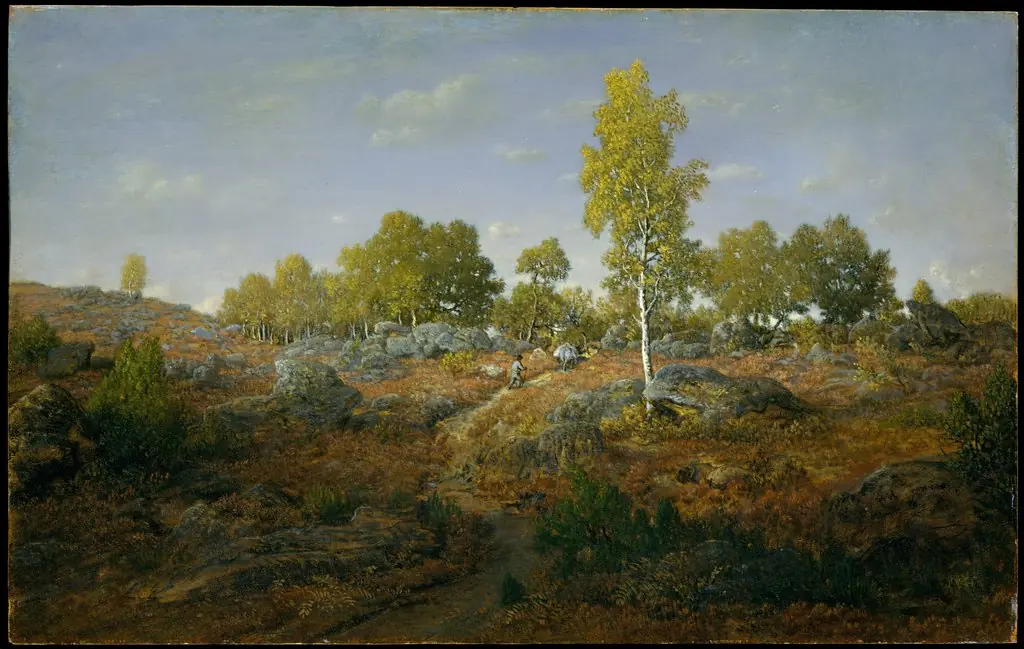
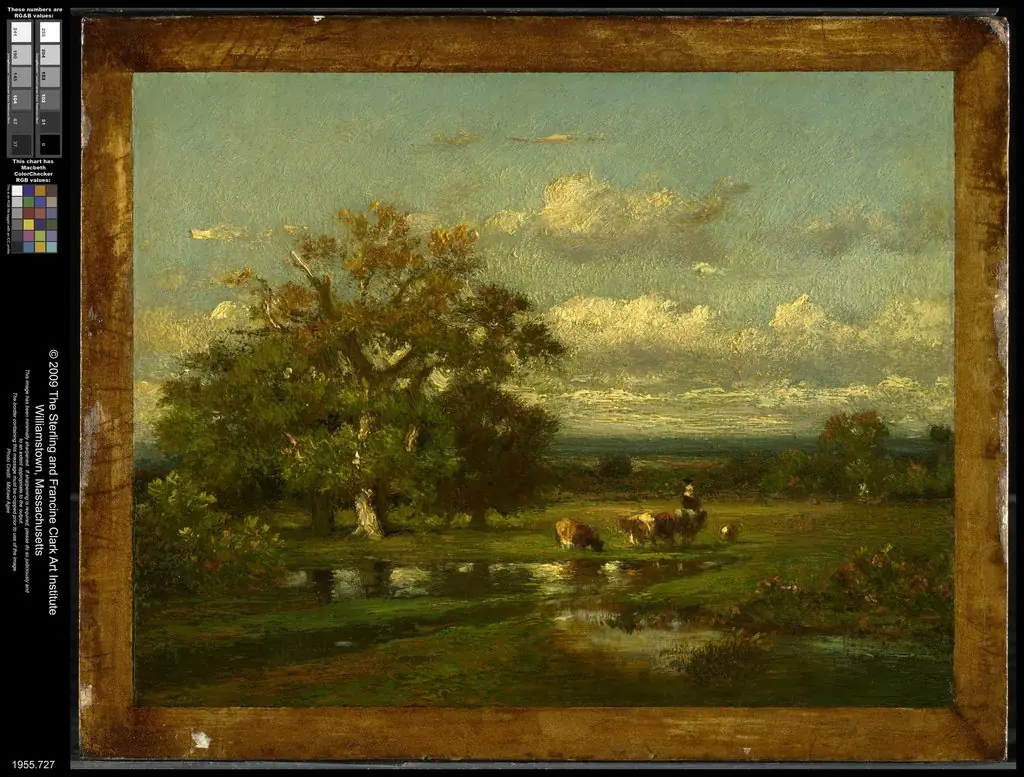
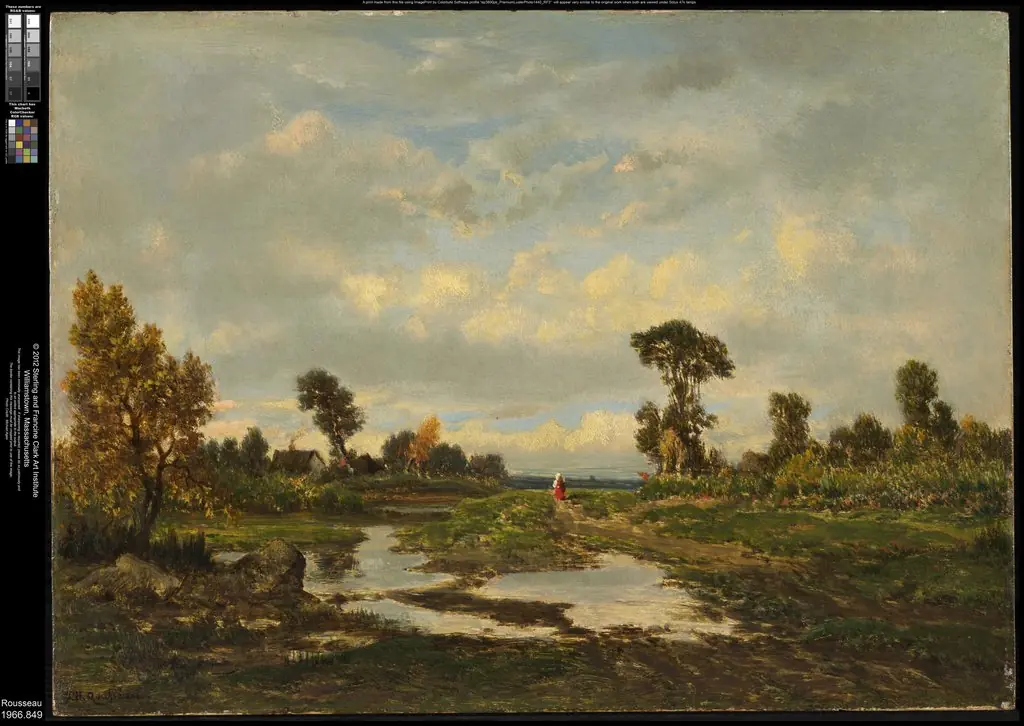
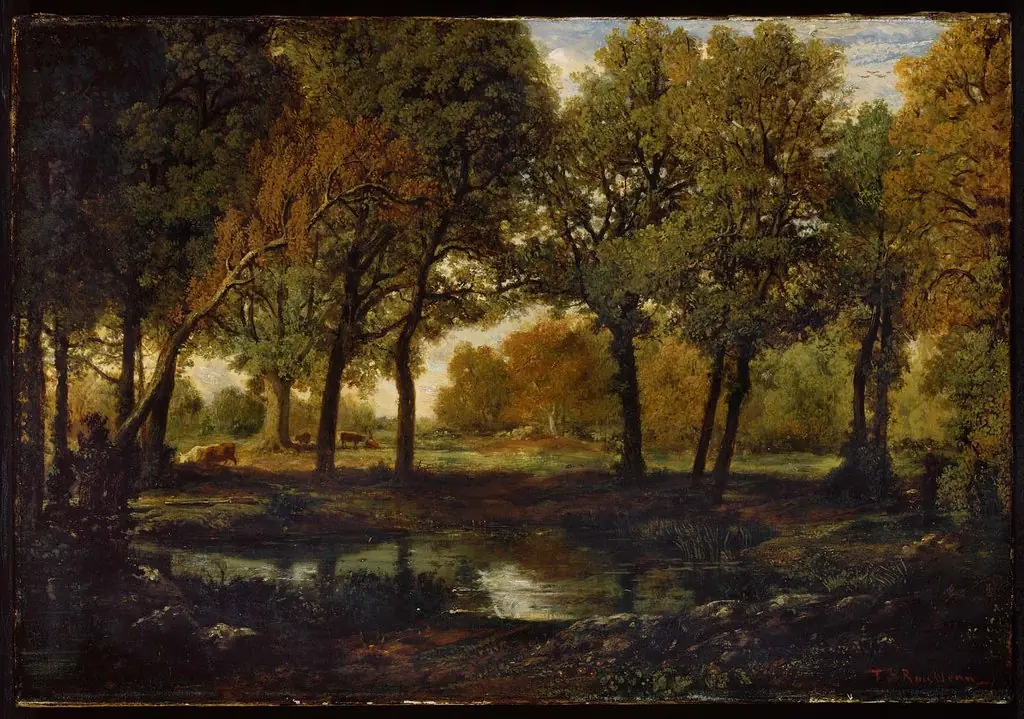
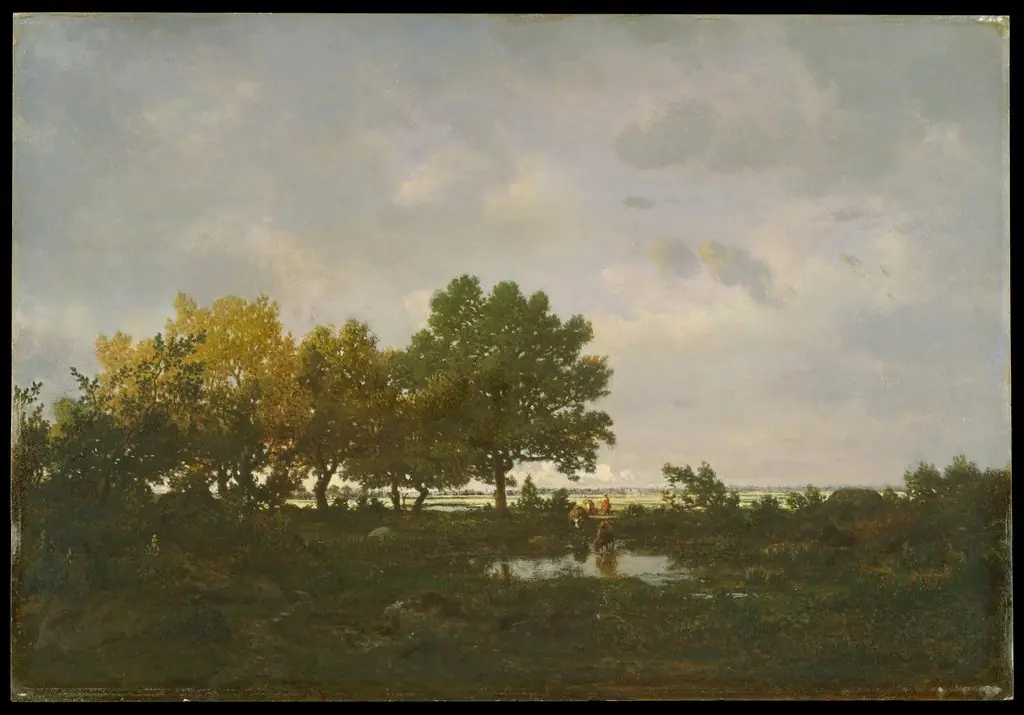
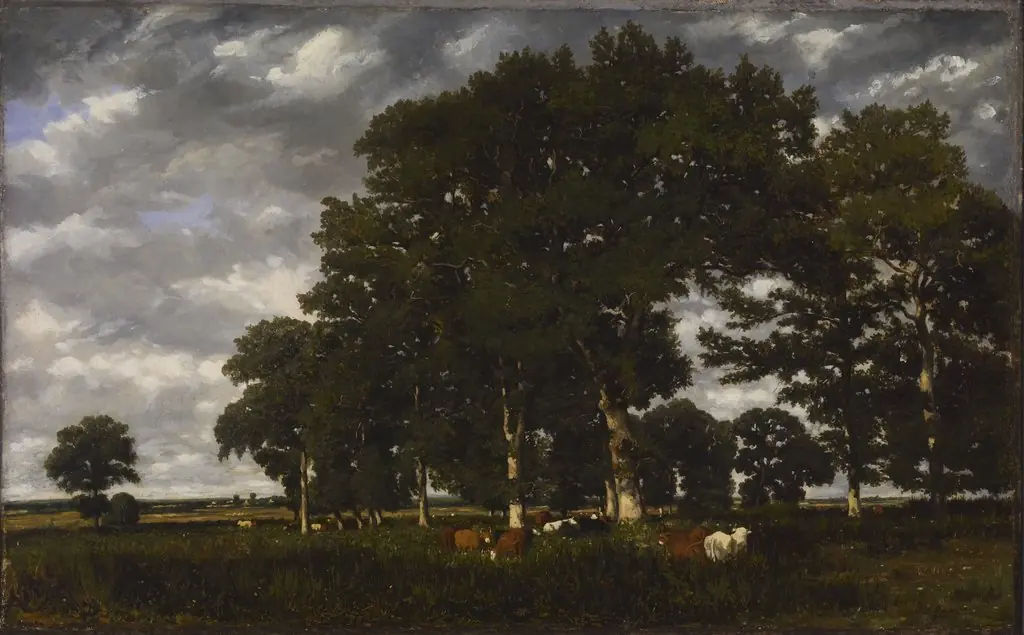
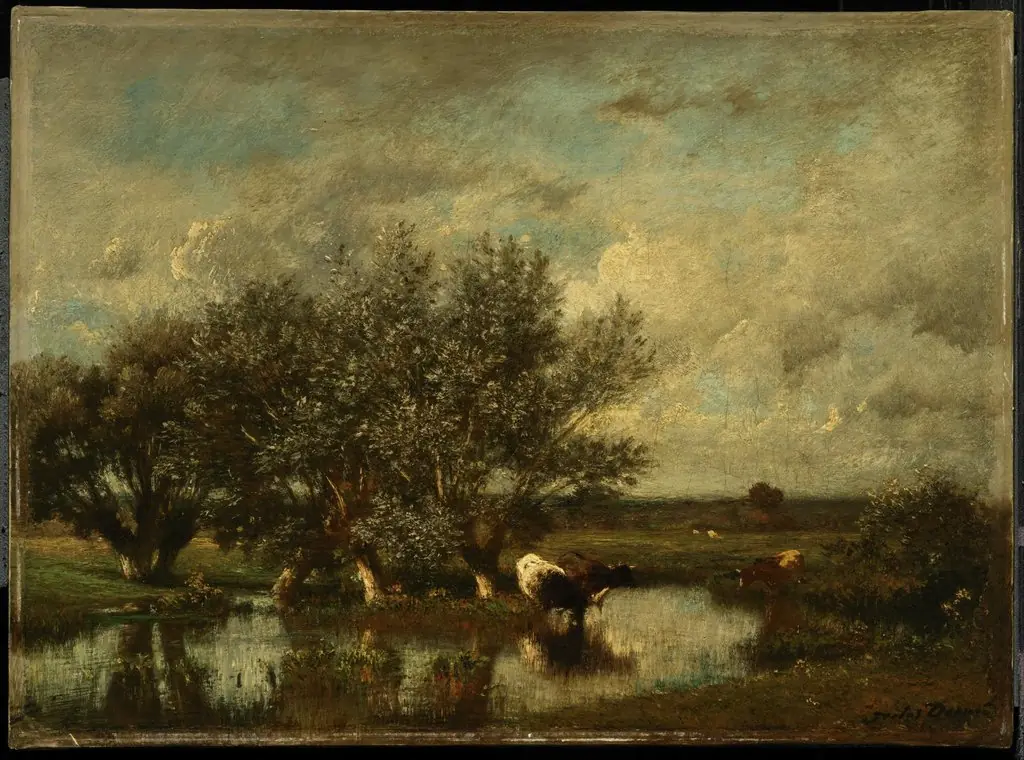
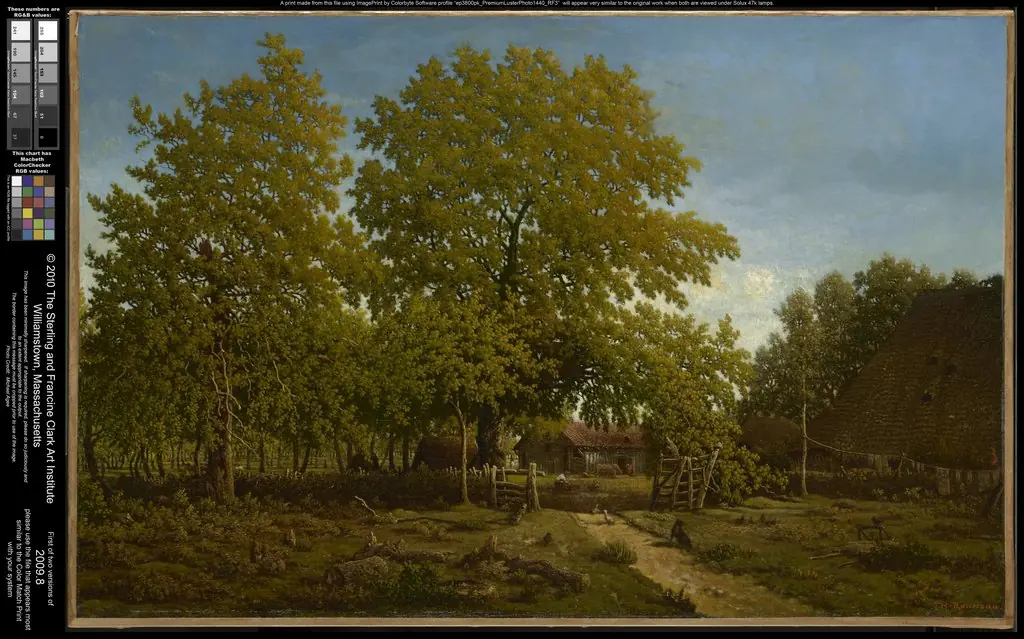
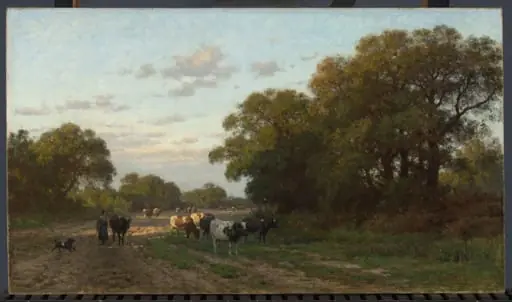
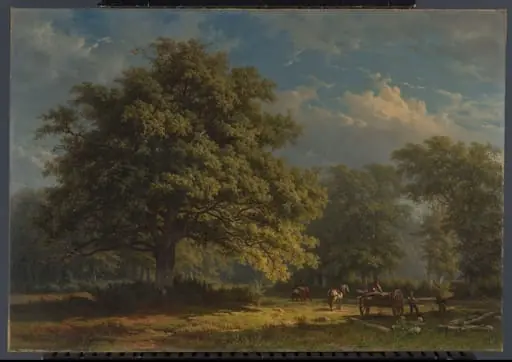
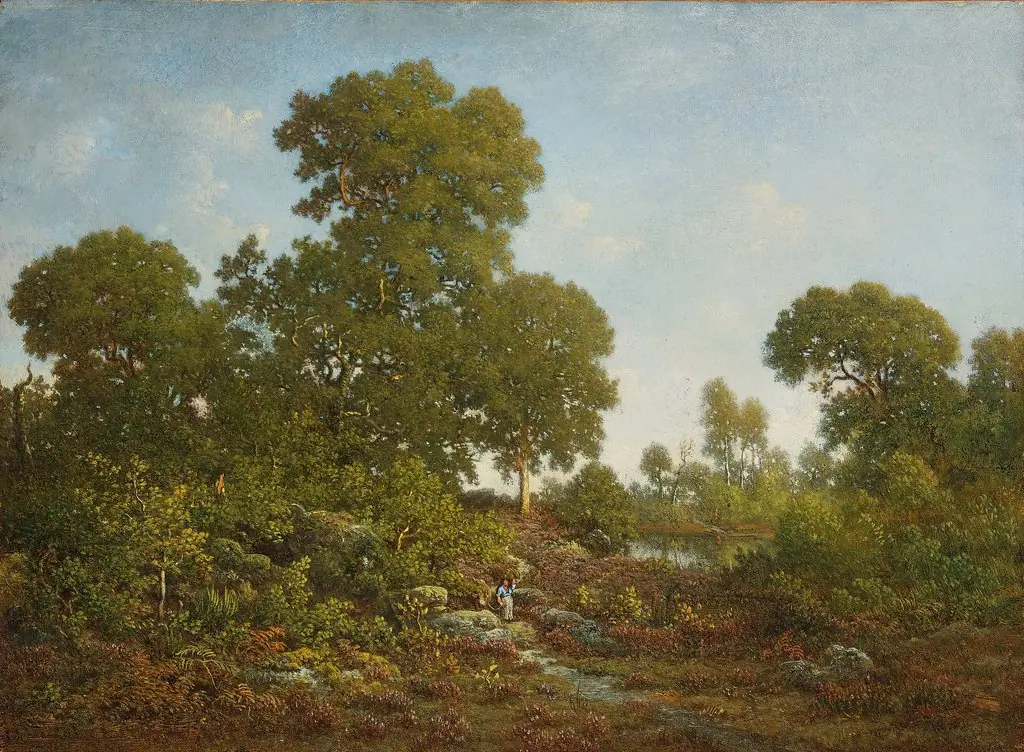
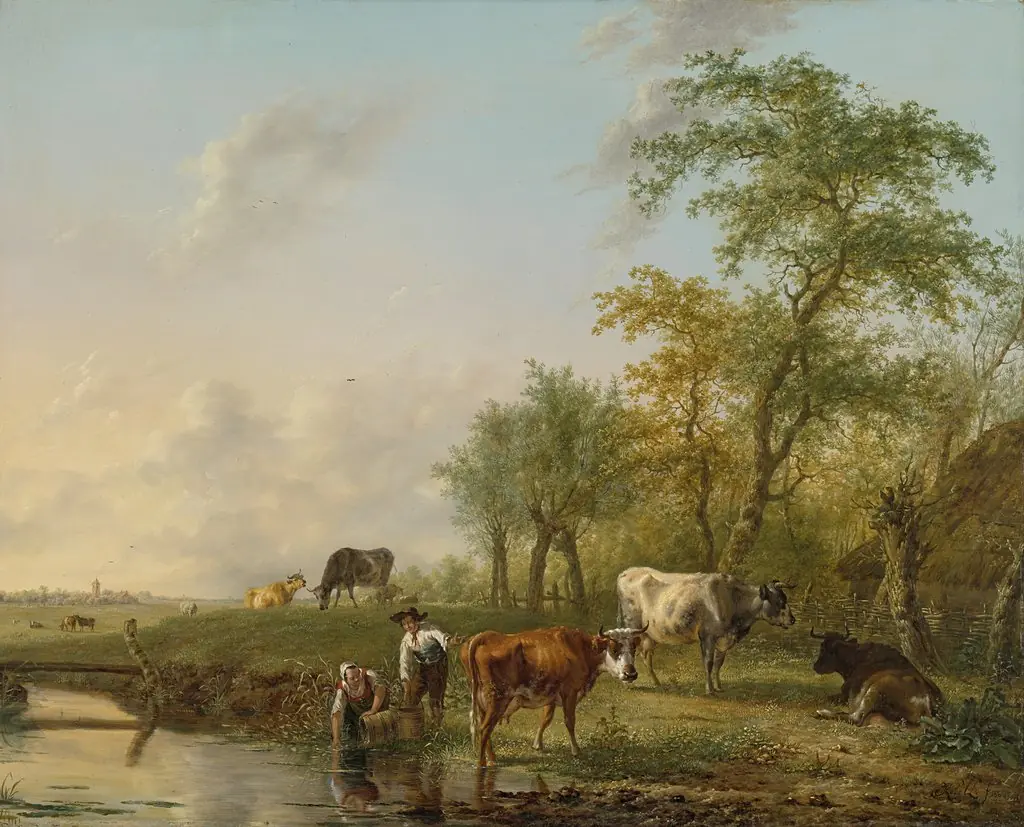
Landscape with Cows and Oaks is an oil painting by the Barbizon school artist Théodore Rousseau. It dates from 1860 and is held in the collection of the Clark Art Institute.
About this work
Overview
Painted in 1860, *Landscape with Cows and Oaks* is an oil on canvas work by Théodore Rousseau, a central figure in the Barbizon school.
Painted in 1860, *Landscape with Cows and Oaks* is an oil on canvas work by Théodore Rousseau, a central figure in the Barbizon school. The painting captures a quiet rural scene in France, emphasizing the natural world without idealization. Its composition centers on grazing cattle and mature oaks under an open sky, reflecting Rousseau’s commitment to portraying the French countryside as it was observed, not as it was imagined.
Subject & Meaning
The painting presents a pastoral moment: cows graze beneath the shade of ancient oaks, while a solitary figure stands near a still pool in the foreground. There is no narrative or human drama—only the quiet rhythm of animals and land. The scene conveys a sense of stillness and continuity, aligning with the Barbizon ethos of finding dignity and beauty in unremarkable, everyday nature.
Technique & Style
Rousseau applied oil paint with deliberate, textured brushwork to render the rough bark of oaks, the soft fur of cattle, and the shifting light of the sky. His palette is muted yet rich, favoring earth tones and soft blues. The composition avoids dramatic perspective, instead inviting the viewer into the scene through layered planes of foliage and open pasture, characteristic of direct outdoor study.
History & Provenance
Created during Rousseau’s mature period, the painting was likely made near Fontainebleau, where he spent much of his life sketching and painting. It entered the collection of the Clark Art Institute in Williamstown, Massachusetts, through the institution’s founding bequest in the mid-20th century. Its preservation there ensures continued access to a key example of 19th-century French landscape painting.
Context
In the mid-1800s, French artists began rejecting academic idealism in favor of painting nature directly. Rousseau and his peers in Barbizon settled in the forested countryside to work en plein air, challenging the Salon’s preference for historical or mythological subjects. This painting exemplifies their belief that ordinary rural landscapes held intrinsic artistic value.
Legacy
Rousseau’s dedication to truthful landscape representation influenced later generations, including the Impressionists. While not as widely known today as some of his contemporaries, his work helped shift the focus of French painting toward the natural world as a subject worthy of sustained attention. *Landscape with Cows and Oaks* remains a quiet testament to that transformation.
Artist & collection
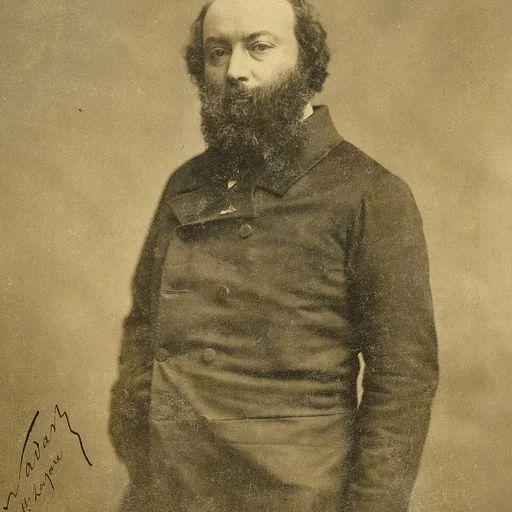
Artist
Étienne Pierre Théodore Rousseau (French pronunciation: ; 15 April 1812 – 22 December 1867) was a French painter of the Barbizon school.