Artwork
Peisaj de iarnă
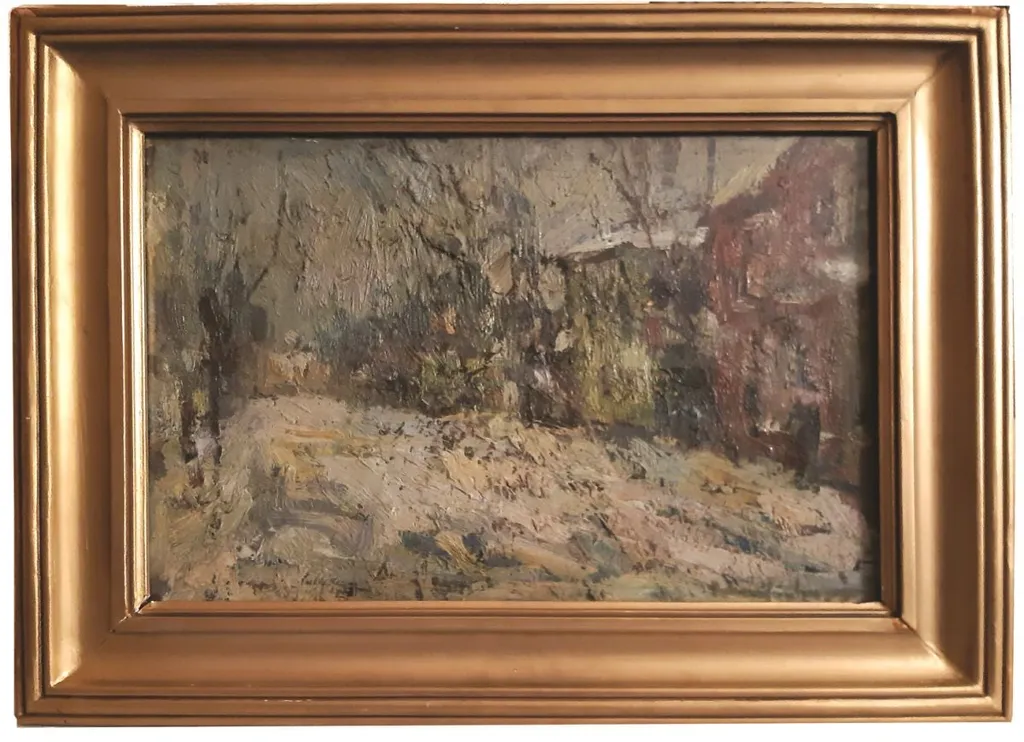
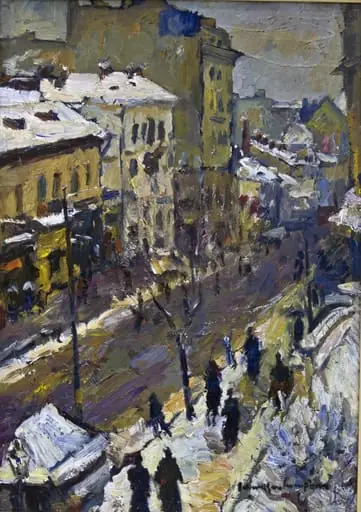
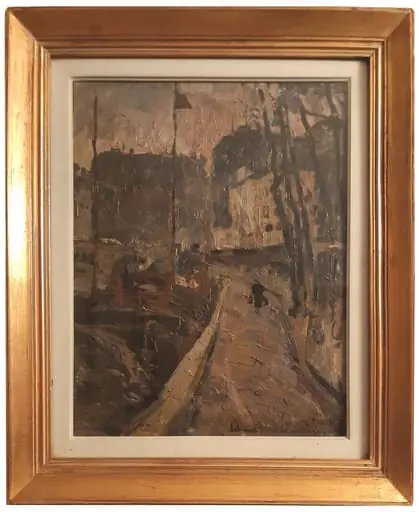
Peisaj de iarnă is an unspecified painting by Rudolf Schweitzer-Cumpăna. It dates from 1949 and is held in the collection of the Cotroceni National Museum.
About this work
Overview
Its physical presence is defined by heavy application of paint, creating a surface that emphasizes materiality over polished finish.
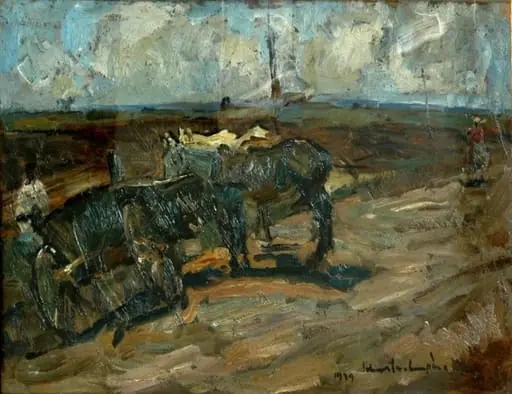
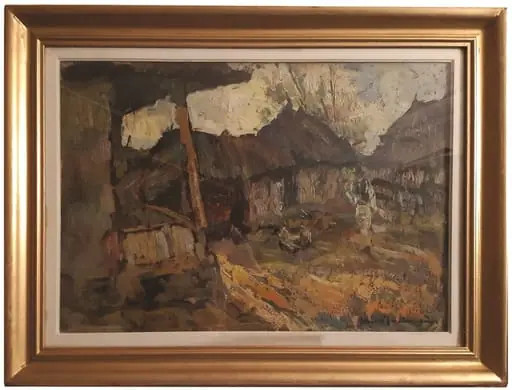
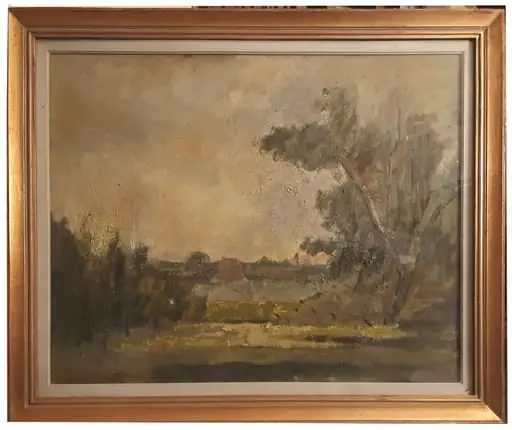
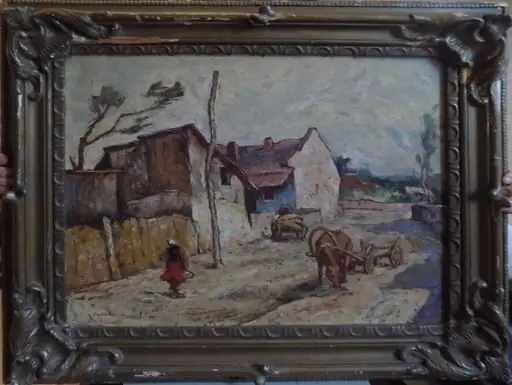
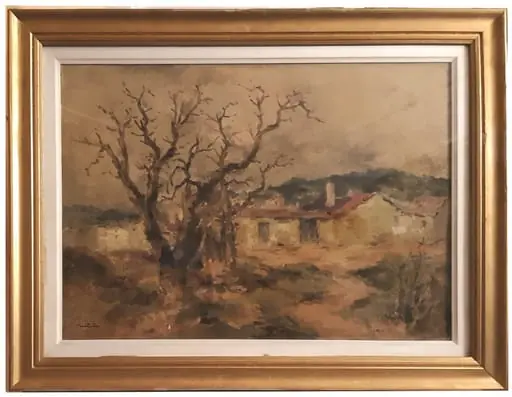
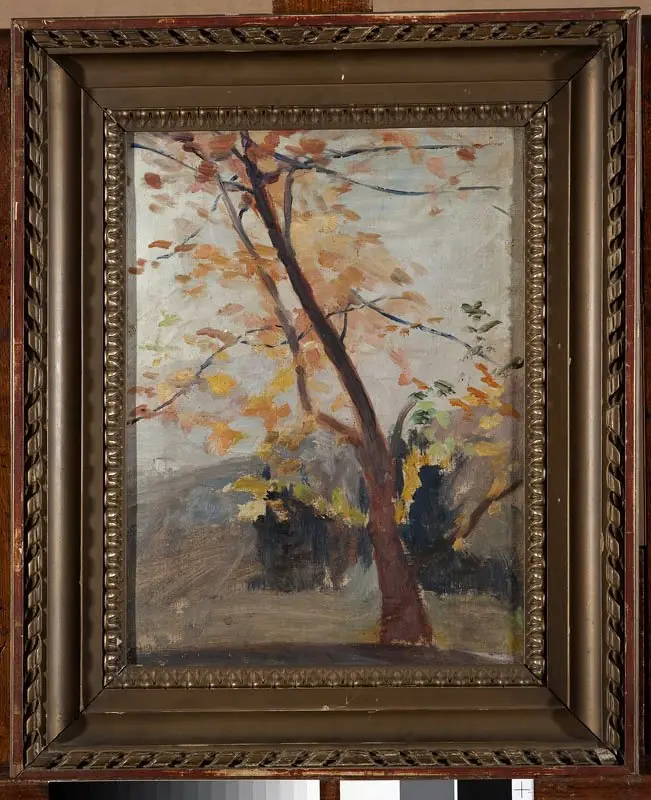
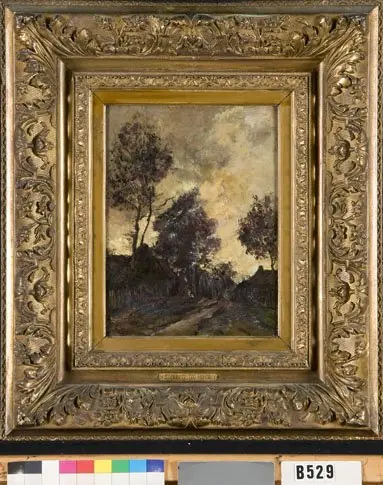
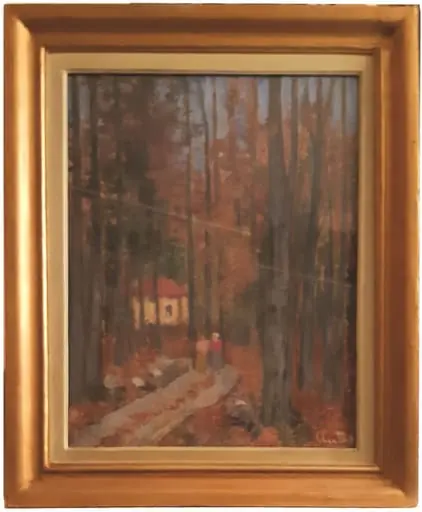
Painted around 1949 by Rudolf Schweitzer-Cumpăna, this landscape depicts a winter scene in a restrained, tactile manner. Executed in oil, the work is part of the Museum of Ethnography’s collection. Its physical presence is defined by heavy application of paint, creating a surface that emphasizes materiality over polished finish. The composition avoids idealized beauty, instead focusing on the weight and texture of the season.
Subject & Meaning
The scene portrays a quiet, snow-laden terrain under a muted sky. Dark, indistinct forms in the distance suggest trees or structures, barely emerging from the cold. There is no human presence, and the absence of detail reinforces a sense of isolation. The work conveys winter not as a picturesque setting but as a somber, enduring condition—more felt than described.
Technique & Style
Thick, layered brushstrokes dominate the surface, applying paint with a scraping, almost sculptural motion. The impasto technique gives the canvas a tactile, uneven quality, with ridges and depressions catching light differently. Colors are subdued—gray, ochre, and faint yellow—avoiding contrast in favor of tonal unity. The brushwork remains visible, rejecting smoothness in favor of raw, immediate expression.
History & Provenance
Created shortly after World War II, the painting entered the Museum of Ethnography’s holdings in the mid-20th century. Its acquisition reflects institutional interest in regional artistic responses to postwar austerity. Schweitzer-Cumpăna’s work from this period is rarely exhibited widely, making this piece a quiet but significant example of Romanian postwar landscape painting.
Context
In the late 1940s, Romania’s cultural climate favored socially oriented art, yet this work resists narrative or political messaging. Its focus on texture and atmosphere aligns with broader European tendencies toward material abstraction, even as it remains rooted in observable nature. The painting stands apart from state-sanctioned realism, offering a personal, introspective view of the environment.
Legacy
Though not widely reproduced, the painting contributes to understanding how Romanian artists navigated postwar constraints through formal experimentation. Its emphasis on materiality and emotional tone influenced later generations interested in landscape as a vehicle for inner states rather than external depiction. It remains a quiet testament to resilience in artistic expression under difficult conditions.
Artist & collection
Artist
Rudolf Schweitzer-Cumpăna was a Romanian painter. Born in Pitești into an ethnic German family, he finished high school in his native town before attending the Royal Academy of Arts at Berlin from 1904 to 1909, studying…