Artwork
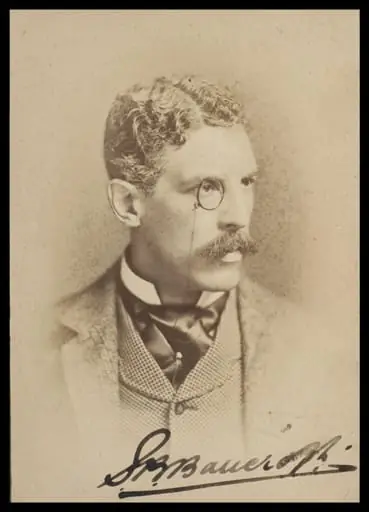
portrait of a man sat in a chair
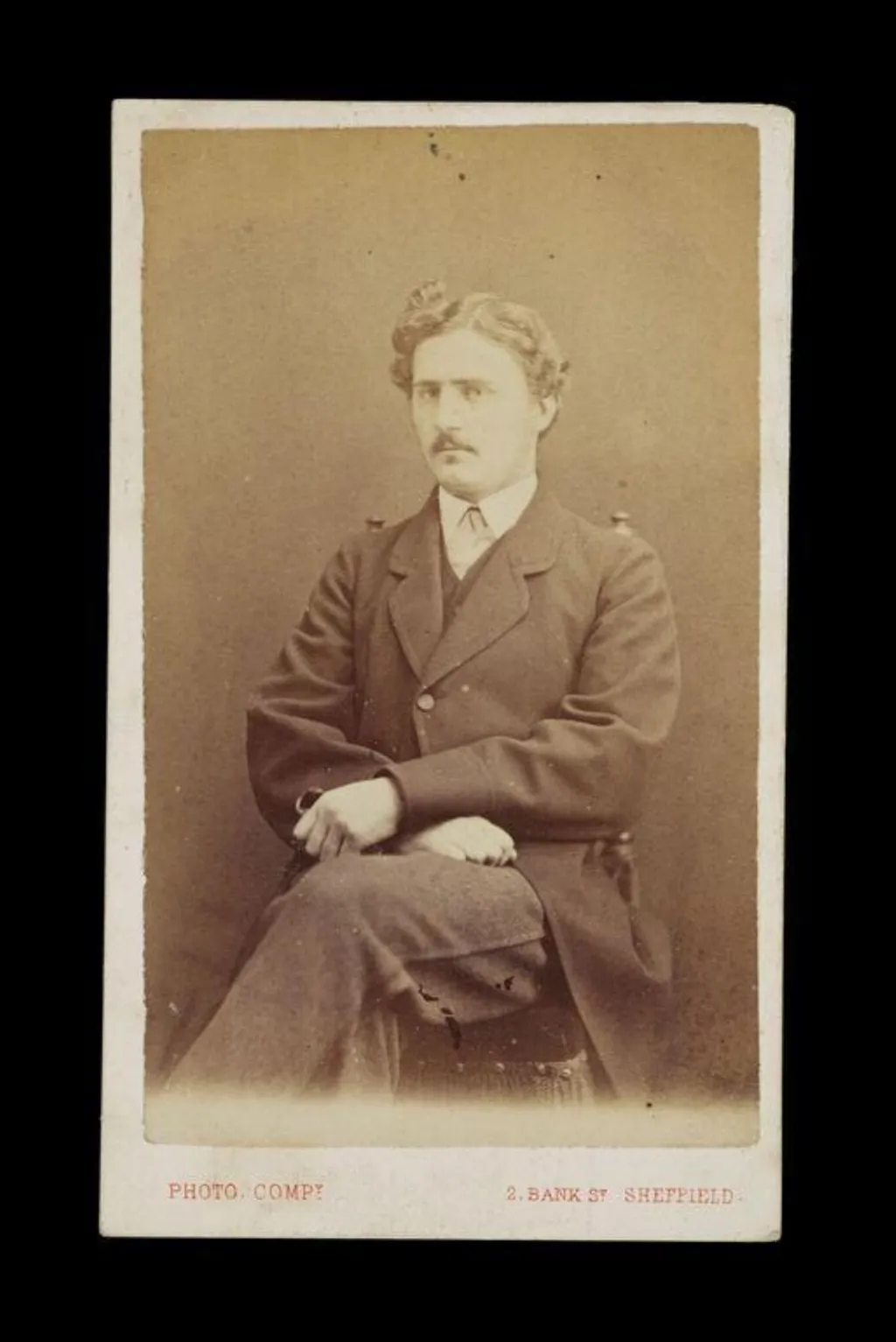
portrait of a man sat in a chair is a photographic photography by The Sheffield Photographic Company. It dates from 1850 and is held in the collection of the Victoria and Albert Museum.
About this work
Overview
This black-and-white photograph, produced around 1850 by the Sheffield Photographic Company, captures a seated man in formal attire. The image is part of the Victoria and Albert Museum’s collection and represents early commercial portraiture in Britain. Its modest composition and dated tonal qualities reflect the technical constraints and aesthetic norms of the medium’s infancy.
Subject & Meaning
The man, dressed in a dark suit with a high collar and vest, sits upright with hands resting on his knees, conveying stillness and decorum. His expression is neutral, typical of early photographic portraiture where long exposure times required subjects to remain motionless. The pose suggests an attempt to project dignity and social standing, common goals in mid-19th-century studio photography.
Technique & Style
The photograph was likely made using the calotype process, evident in its soft focus and grainy texture. The brownish tint results from chemical toning, a common practice to enhance image stability. Lighting is directional, casting subtle shadows that model the face without dramatic contrast. The plain background eliminates distraction, focusing attention on the subject.
History & Provenance
Produced by a commercial studio in Sheffield, England, the image reflects the growing accessibility of photography to the middle class in the 1850s. It entered the Victoria and Albert Museum’s collection as part of its broader effort to document the development of photographic practice. Its preservation underscores its value as an early example of British studio portraiture.
Context
In the 1850s, photography was transitioning from scientific curiosity to a commercial enterprise. Studios like the one in Sheffield offered affordable portraits to a public increasingly interested in personal representation. This image aligns with broader trends in Victorian society, where identity, respectability, and domestic order were visually codified through portraiture.
Legacy
As one of many early photographic portraits preserved in institutional collections, this work contributes to the historical record of how individuals were represented in the age of mechanical reproduction. It illustrates the formal conventions that preceded the more expressive styles of later decades, serving as a reference point for the evolution of photographic portraiture.
Artist & collection

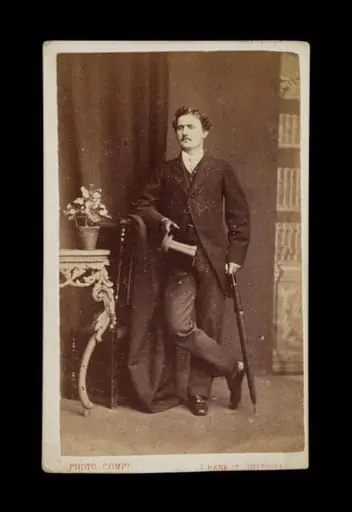 portrait of a man holding an umbrella and top hat
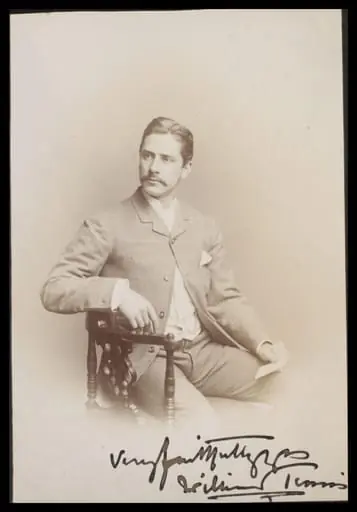 Guy Little Theatrical Photograph
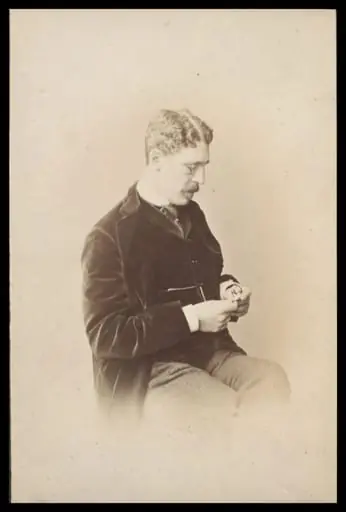 Guy Little Theatrical Photograph
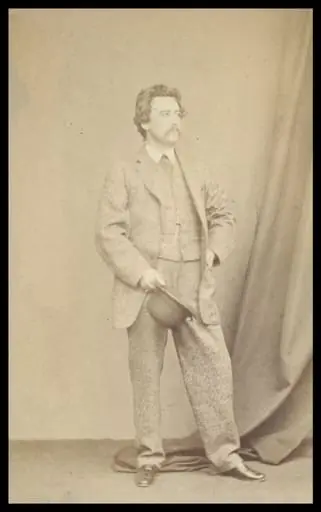 Guy Little Theatrical Photograph
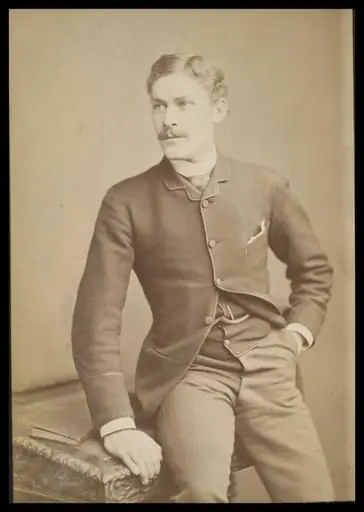 Guy Little Theatrical Photograph
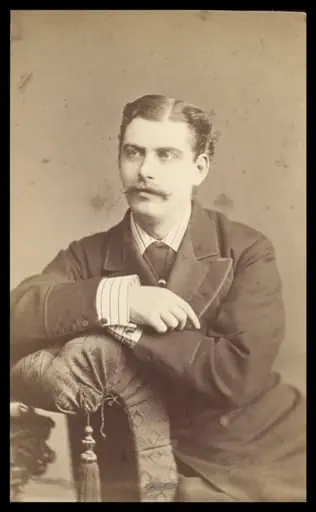 Guy Little Theatrical Photograph
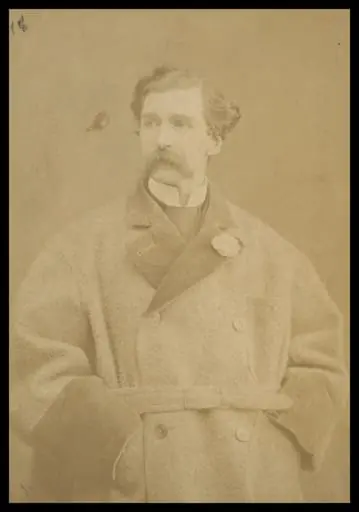 Guy Little Theatrical Photograph
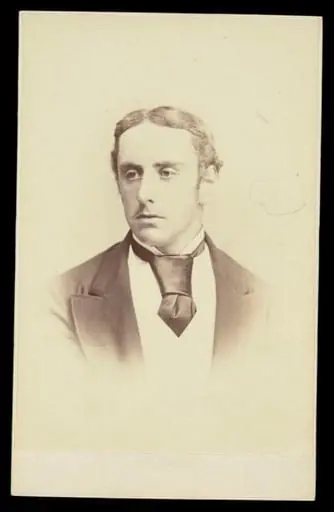 A portrait of a man
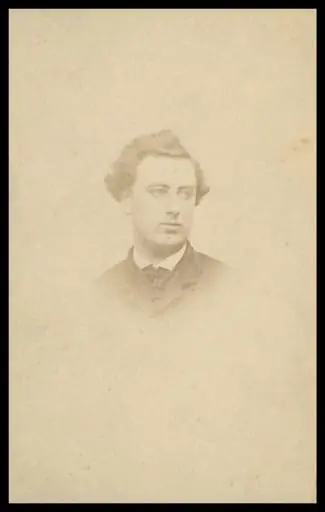 Guy Little Theatrical Photograph
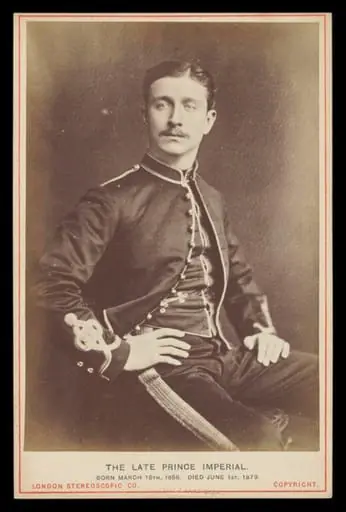 The Late Prince Imperial (Napoléon Eugène Louis Jean Joseph Bonaparte; 16 March 1856 – 1 June 1879)
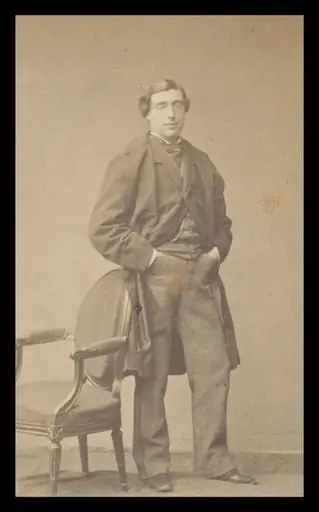 Guy Little Theatrical Photograph
 Guy Little Theatrical Photograph