Artwork
portrait of a man holding an umbrella and top hat
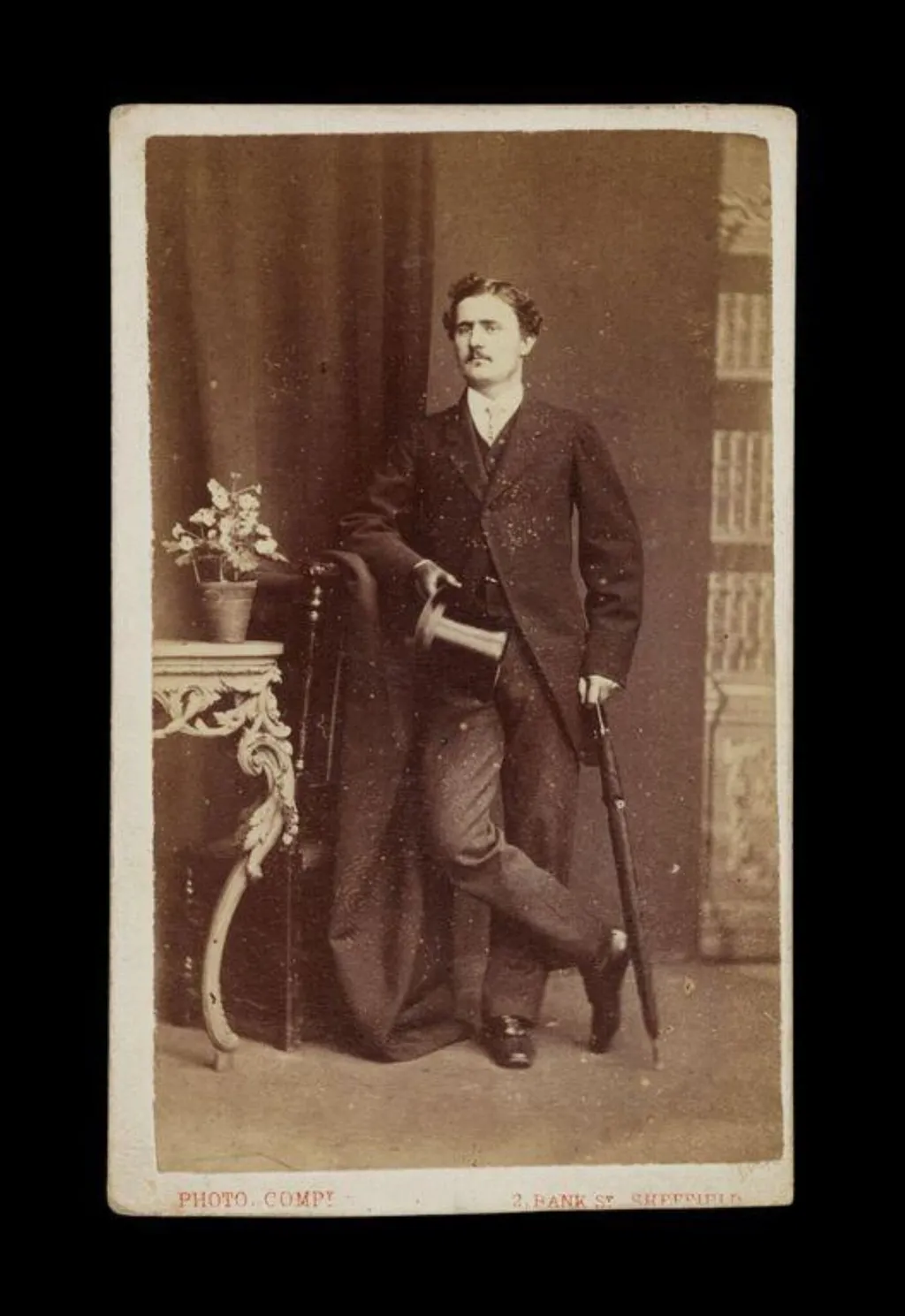
portrait of a man holding an umbrella and top hat is a photographic photography by The Sheffield Photographic Company. It dates from 1850 and is held in the collection of the Victoria and Albert Museum.
About this work
This is a photograph of a man in a dark suit, holding an umbrella in his left hand and a top hat in his right.
This is a photograph of a man in a dark suit, holding an umbrella in his left hand and a top hat in his right. He stands with his right leg crossed over his left, leaning against a table with a potted plant on it. The background is a dark curtain.
The man's attire and the style of the photograph suggest it was taken in the late 19th century. The image is in sepia tones, giving it a classic and timeless feel.
The photograph is a great example of the work of The Sheffield Photographic Company, and you can learn more about their techniques by exploring the museum's collection at the Victoria and Albert Museum.
Overview
This sepia-toned photograph, attributed to The Sheffield Photographic Company and dated around 1850, captures a man in formal attire. It is part of the Victoria and Albert Museum’s collection and represents early photographic portraiture from the medium’s formative decades. The composition reflects the conventions of studio photography at the time, emphasizing stillness and dignity.
Subject & Meaning
The subject is a man dressed in a dark suit, holding an umbrella in his left hand and a top hat in his right. His posture—leaning against a table with one leg crossed—suggests a composed, self-assured demeanor. The umbrella and hat, symbols of urban respectability, imply social standing. The absence of overt expression invites interpretation rooted in class and identity rather than personality.
Technique & Style
The image was likely produced using a wet plate collodion process, common in the mid-19th century. The soft contrast and muted sepia tones result from chemical development and aging. The dark curtain background and carefully lit subject reflect studio practices designed to isolate the figure and minimize distractions, emphasizing clarity and form over environmental context.
History & Provenance
Created by The Sheffield Photographic Company, a regional studio active in the 1840s–1860s, the photograph entered the Victoria and Albert Museum’s collection as part of its broader documentation of early British photography. Its survival and preservation reflect the museum’s early commitment to collecting photographic works as cultural artifacts rather than mere curiosities.
Context
In the 1850s, photographic portraiture was becoming accessible to the middle class, replacing painted likenesses for many. This image aligns with trends in urban portraiture, where attire and props signaled status. The Sheffield studio catered to local professionals and merchants, making this photograph a quiet record of everyday bourgeois life in industrial England.
Legacy
The photograph endures as a representative example of early studio practice, illustrating how technical constraints shaped aesthetic choices. It contributes to scholarly understanding of regional photographic studios outside London and remains a reference point for studying how identity was constructed through visual means in the Victorian era.
Artist & collection

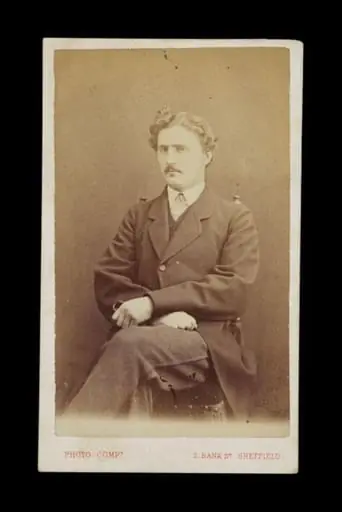 portrait of a man sat in a chair
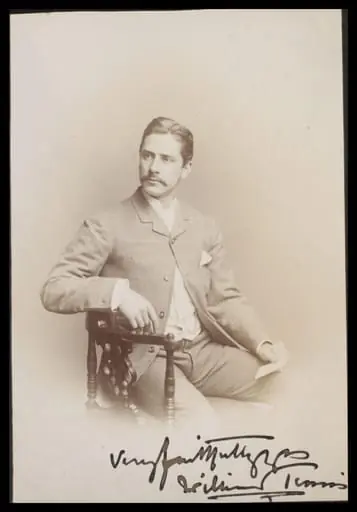 Guy Little Theatrical Photograph
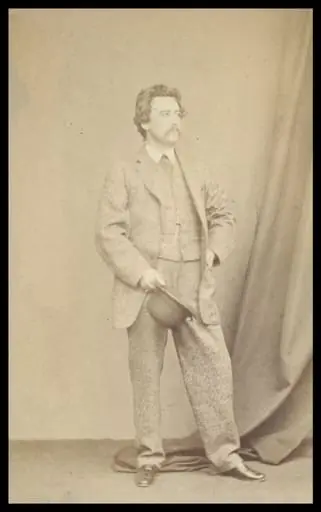 Guy Little Theatrical Photograph
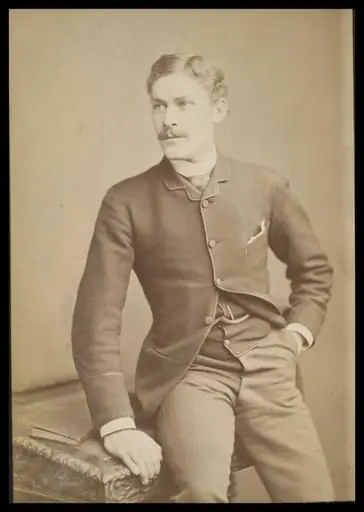 Guy Little Theatrical Photograph
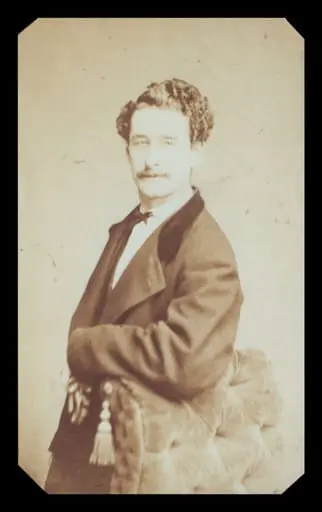 Guy Little Theatrical Photograph
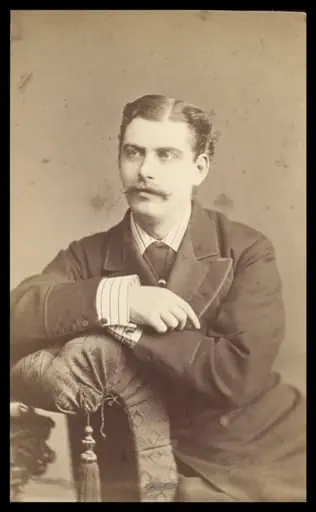 Guy Little Theatrical Photograph
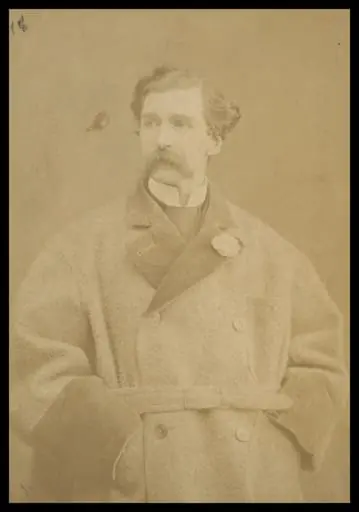 Guy Little Theatrical Photograph
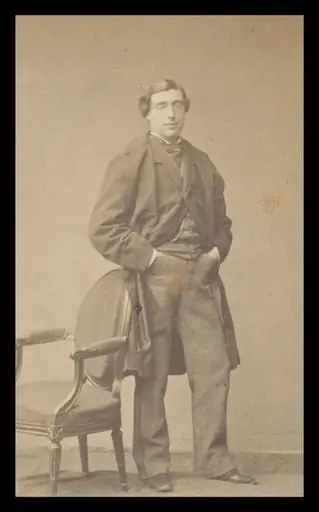 Guy Little Theatrical Photograph
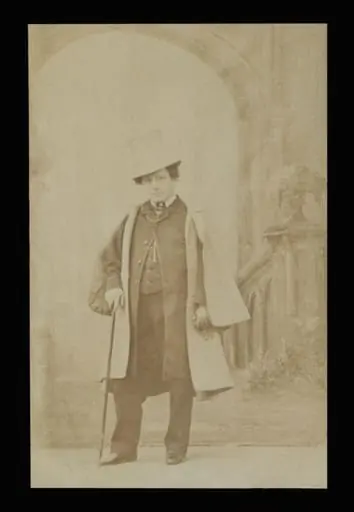 Guy Little Theatrical Photograph
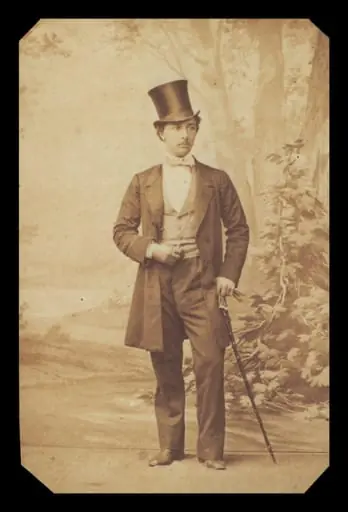 Guy Little Theatrical Photograph
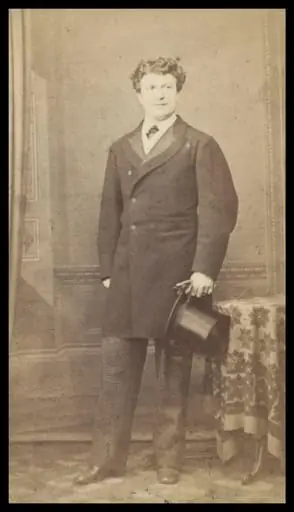 Guy Little Theatrical Photograph
 Guy Little Theatrical Photograph