Artwork
Carcase of an Ox. Rome
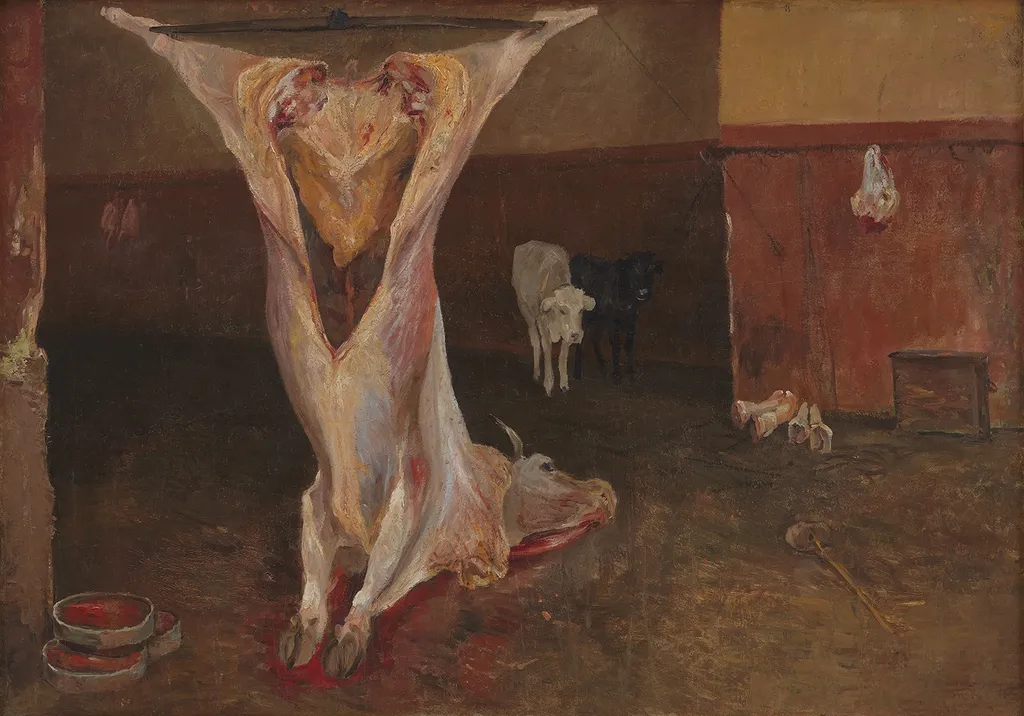
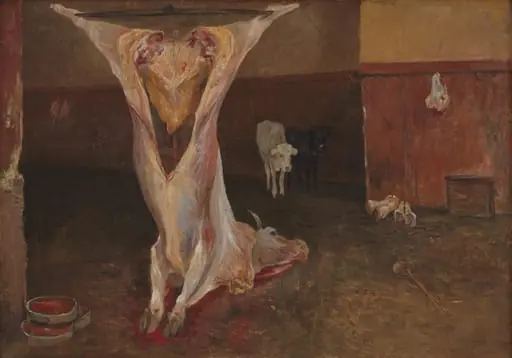
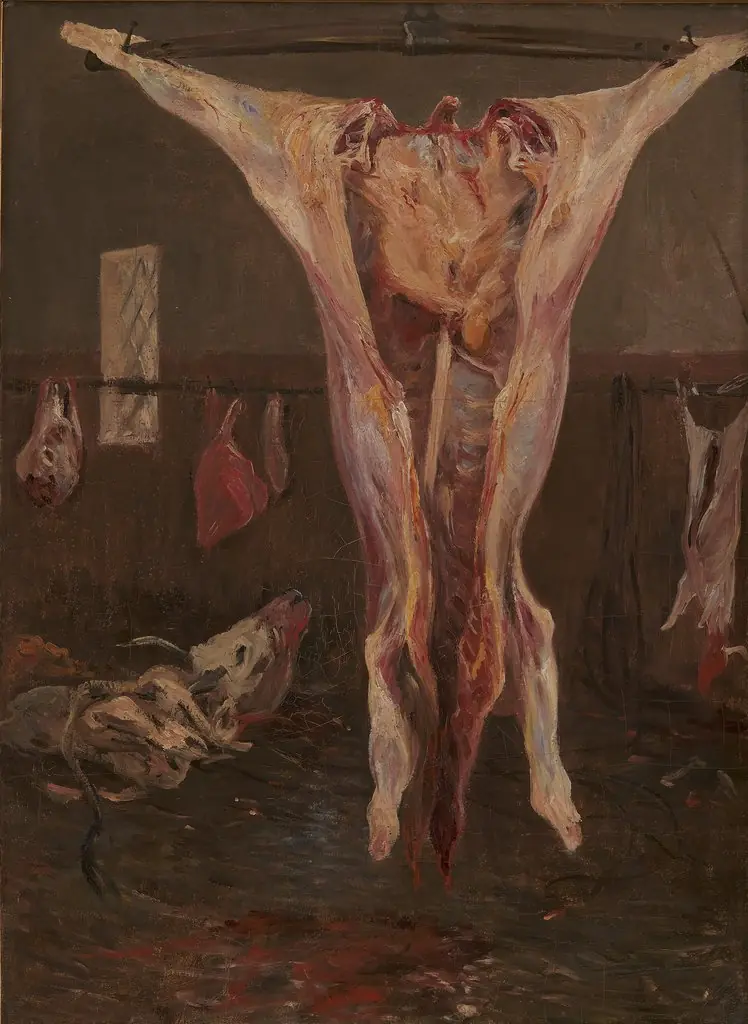
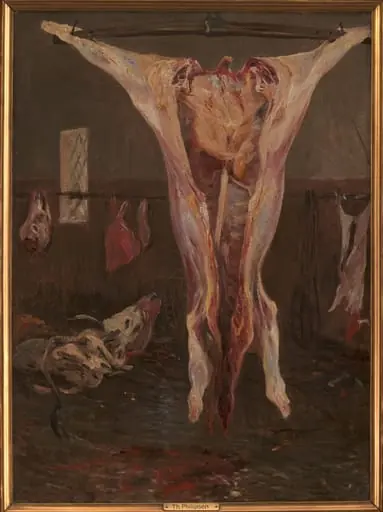
Carcase of an Ox. Rome is an oil painting by the Impressionist artist Theodor Philipsen. It dates from 1892 and is held in the collection of the Statens Museum for Kunst.
About this work
Overview
Philipsen, associated with Impressionism, turned his attention to rural and agricultural scenes, often emphasizing the quiet realism of everyday life.
Painted in 1892 by Danish artist Theodor Philipsen, *Carcase of an Ox. Rome* is an oil-on-canvas work that captures a slaughtered ox suspended in a dim interior. Philipsen, associated with Impressionism, turned his attention to rural and agricultural scenes, often emphasizing the quiet realism of everyday life. The painting is part of the permanent collection at Statens Museum for Kunst in Copenhagen.
Subject & Meaning
The painting presents the carcass of an ox, its body hung by a hook with limbs spread, revealing internal anatomy. Behind it, two live cattle stand quietly in shadowed stillness. The juxtaposition of life and death, along with the sparse, utilitarian setting, suggests contemplation of labor, mortality, and the cycle of sustenance—without overt sentiment or moralizing.
Technique & Style
Philipsen employed loose, observational brushwork characteristic of Impressionism, yet with a heightened attention to texture and form. Chiaroscuro defines the ox’s pale, almost translucent flesh against the deep red walls and shadowed background. Light falls selectively, modeling the carcass with subtle gradations while leaving surrounding objects—like a bowl and stick—indistinct, reinforcing the scene’s somber focus.
History & Provenance
Created during Philipsen’s time in Rome, the painting reflects his interest in southern European rural life. It entered the collection of Statens Museum for Kunst in Denmark shortly after its completion and has remained there since. No significant alterations or reattributions are recorded; its provenance is well-documented through museum archives.
Context
In late 19th-century Denmark, artists increasingly turned from idealized subjects to scenes of ordinary existence. Philipsen, influenced by French Impressionists, brought this sensibility to Nordic art, often depicting animals and rural labor with unembellished honesty. This work aligns with broader European trends toward naturalism and the aesthetic of the mundane.
Legacy
Though not widely exhibited outside Denmark, *Carcase of an Ox. Rome* remains a key example of Philipsen’s mature style and his contribution to Scandinavian Impressionism. It stands as a quiet but forceful meditation on the physical realities of animal husbandry, influencing later Danish artists who sought to portray rural life with psychological and visual restraint.
Artist & collection
Artist
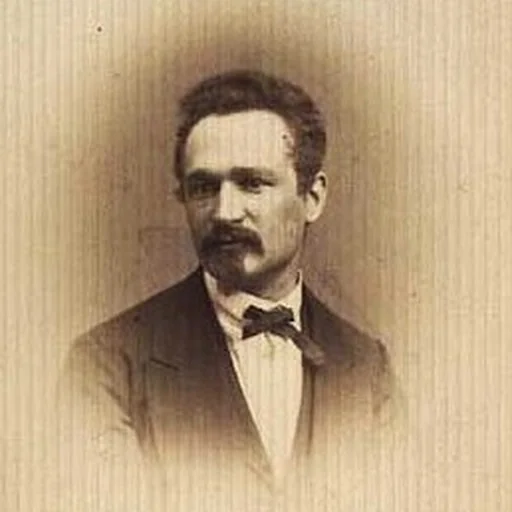
Theodor Esbern Philipsen (10 June 1840 – 3 March 1920) was a Danish painter of Jewish ancestry, known for landscapes and animal portraits. He also did small figures in wax and clay.