Artwork
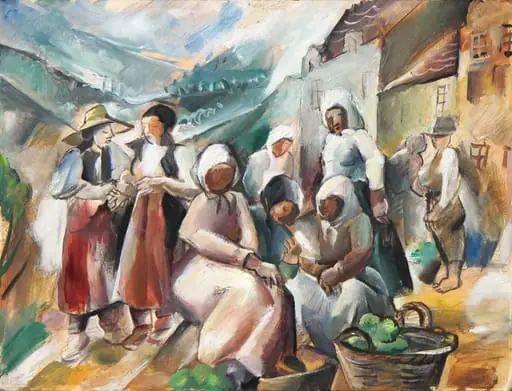
Țărănci
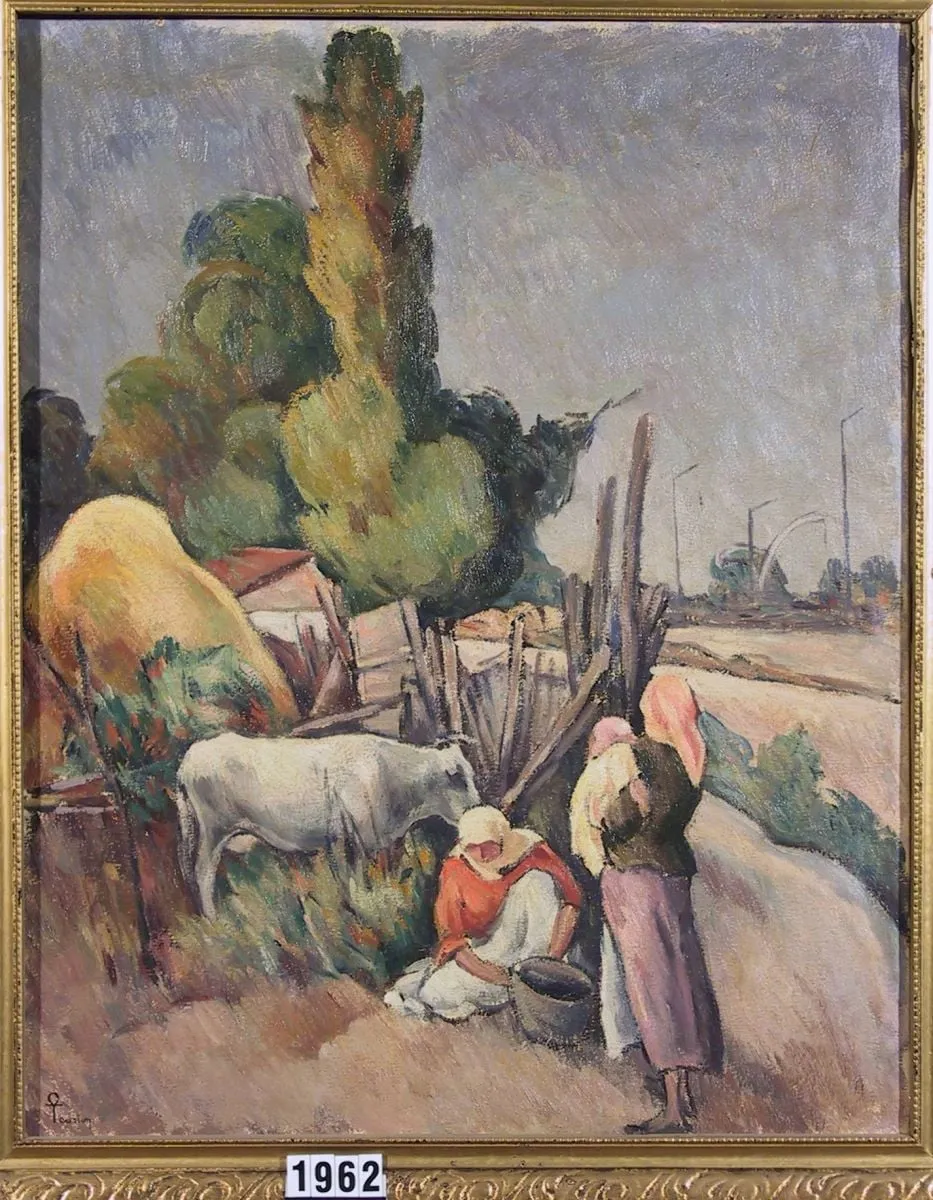
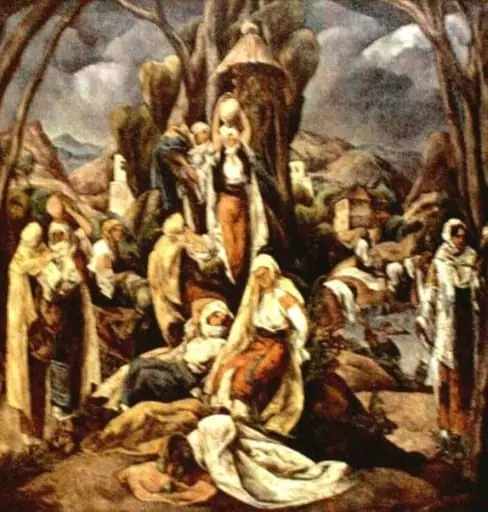
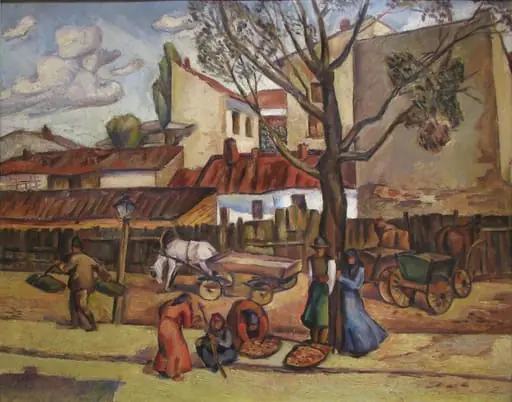
Țărănci is a print by Ion Theodorescu-Sion. It dates from 1920 and is held in the collection of the Brukenthal National Museum.
About this work
Overview
It reflects his deepening interest in Romanian peasant life, rendered without idealization or theatricality, through restrained tones and composed stillness.
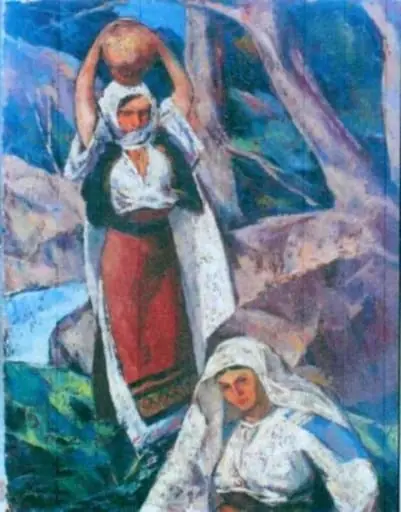
Painted around 1920, *Țărănci* by Ion Theodorescu-Sion captures a quiet rural moment with three peasant women and a white cow amid natural foliage. The work emerged from the artist’s shift away from modernist experimentation toward a more rooted, traditionalist aesthetic. It reflects his deepening interest in Romanian peasant life, rendered without idealization or theatricality, through restrained tones and composed stillness.
Subject & Meaning
The painting centers on rural women engaged in unspoken, everyday presence—seated, standing, and near a cow—emphasizing continuity rather than action. Their traditional attire and the animal’s quiet integration into the landscape suggest a life bound to seasonal rhythms and manual labor. The absence of narrative drama underscores a reverence for ordinary existence, aligning with broader early 20th-century efforts to affirm local identity through visual culture.
Technique & Style
Theodorescu-Sion employs muted, earth-toned hues and soft transitions between light and shadow to evoke a sense of calm. Forms are simplified, with gentle contours and minimal detail, avoiding academic precision in favor of a tactile, almost textile-like rendering of fabric and fur. The composition is balanced yet informal, with figures arranged to guide the eye through the scene without focal dominance, enhancing its meditative quality.
History & Provenance
Created during a period of artistic reorientation, *Țărănci* belongs to a series of works Theodorescu-Sion produced after moving away from Impressionist and Symbolist influences. It reflects his engagement with Romanian folk traditions and the broader cultural movement seeking authenticity in rural subjects. The painting remained within Romanian collections, contributing to its recognition as part of the national artistic discourse of the interwar years.
Context
In early 20th-century Romania, artists increasingly turned to peasant life as a source of cultural identity amid rapid modernization. Theodorescu-Sion’s work responded to this trend, aligning with intellectuals who valued folk customs as repositories of national character. His approach, though personal, resonated with contemporaries who sought to distance art from Western academic norms and embrace indigenous visual languages.
Legacy
Though not widely exhibited internationally, *Țărănci* remains a significant example of Romanian interwar realism rooted in rural observation. It influenced later generations of artists interested in non-urban subjects and the quiet dignity of labor. The work’s enduring presence in national collections affirms its role in shaping a visual vocabulary for Romanian cultural self-definition during a formative era.
Artist & collection
Artist
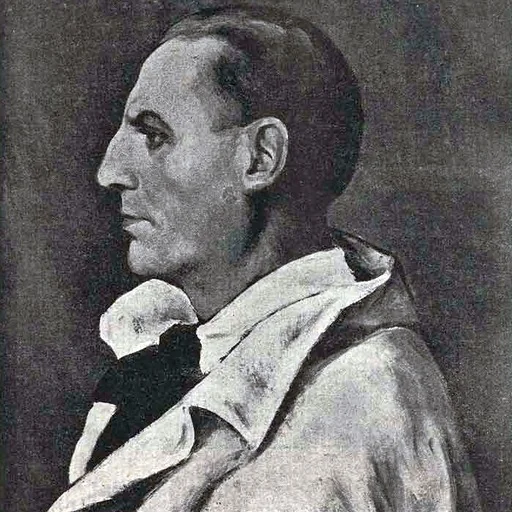
Ion Theodorescu-Sion (Romanian pronunciation: ; also known as Ioan Theodorescu-Sion or Teodorescu-Sion; January 2, 1882 – March 31, 1939) was a Romanian painter and draftsman, known for his contributions to modern art…