Artwork
M. G. Lewis
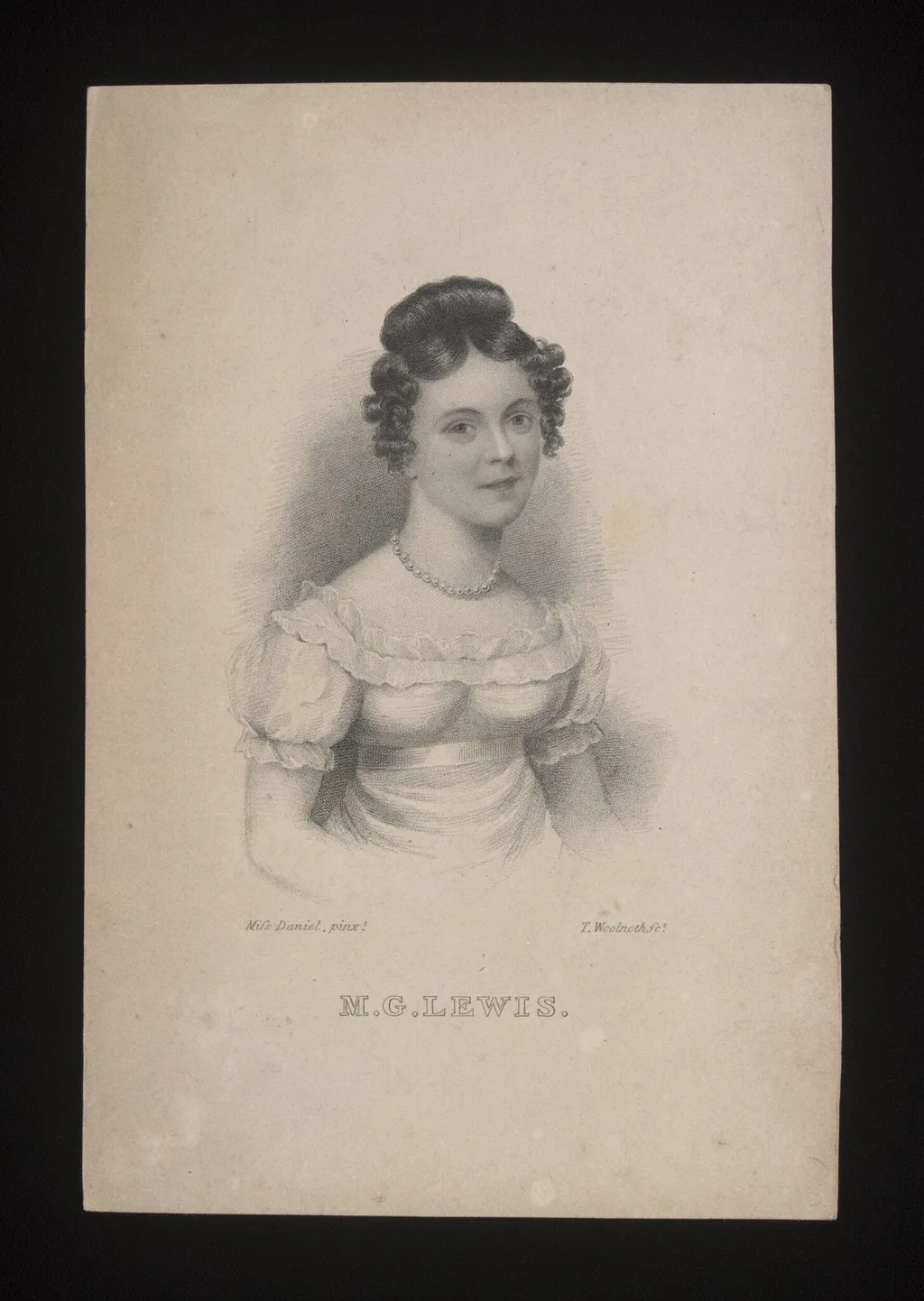
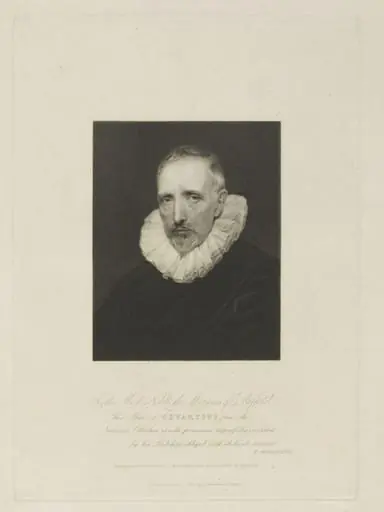
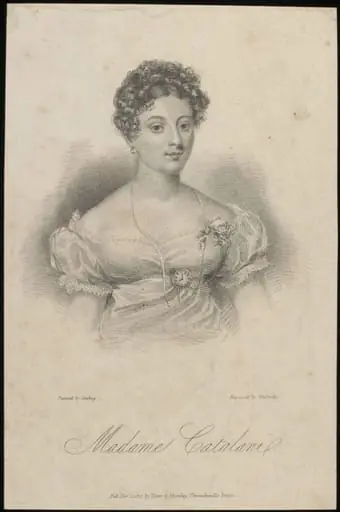
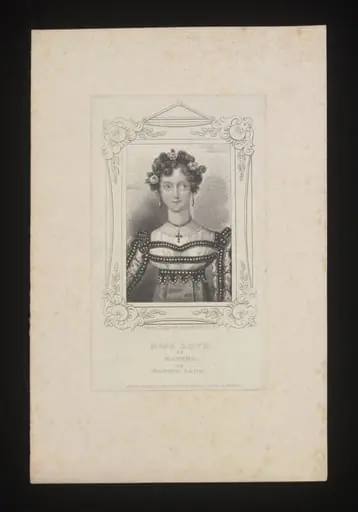
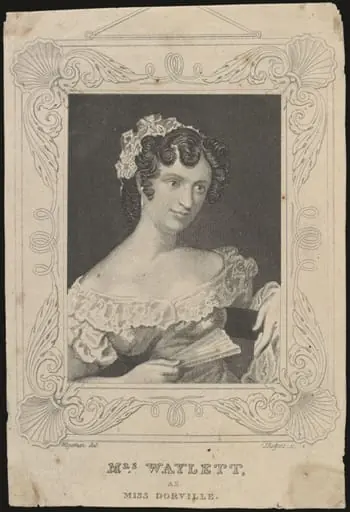
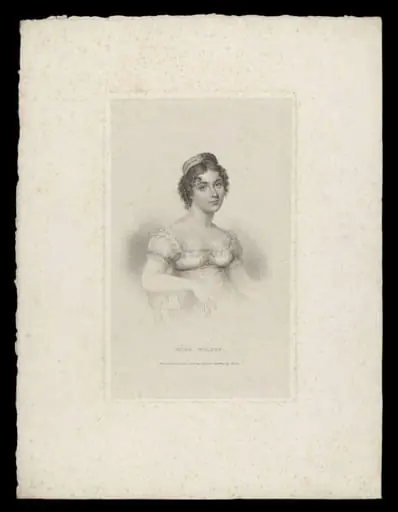
M. G. Lewis is a print by Thomas A. Woolnoth. It dates from 1850 and is held in the collection of the Victoria and Albert Museum. This early 19th-century print portrays the writer M.
About this work
This print is a portrait of M. G. Lewis.
It was created in the early 19th century by Thomas A. Woolnoth.
The print is part of the Harry Beard Collection at the Victoria and Albert Museum, which suggests it has some historical significance.
You can learn more about this type of artwork by looking at the work of artist Thomas A. Woolnoth.
Overview
Executed as a reproductive engraving, it belongs to the Harry Beard Collection at the Victoria and Albert Museum.
This early 19th-century print portrays the writer M. G. Lewis, produced in London by engraver Thomas A. Woolnoth. Executed as a reproductive engraving, it belongs to the Harry Beard Collection at the Victoria and Albert Museum. The work reflects the period’s practice of disseminating literary figures through printed portraiture, serving as a visual record rather than an original artistic statement.
Subject & Meaning
M. G. Lewis was a prominent Gothic novelist and playwright, best known for his controversial work 'The Monk.' The portrait captures him in a formal, contemplative pose, aligning with contemporary conventions for depicting authors. Its purpose was likely to associate his literary reputation with a recognizable image, reinforcing his public identity during a time when authorship was becoming increasingly commercialized.
Technique & Style
Thomas A. Woolnoth employed line engraving to render Lewis’s likeness, using fine, controlled strokes to suggest texture and volume. The composition is restrained, with minimal background detail, focusing attention on the subject’s face and attire. The tonal range is limited, typical of reproductive prints of the era, prioritizing clarity and legibility over expressive depth.
History & Provenance
The print entered the Harry Beard Collection, a curated assembly of theatrical and literary memorabilia amassed in the 19th century. Its inclusion suggests it was valued as a document of cultural history rather than as fine art. The collection was later acquired by the Victoria and Albert Museum, preserving the print as part of Britain’s printed heritage related to literature and performance.
Context
In the early 1800s, engraved portraits of writers were commonly circulated to meet public interest in literary figures. Lewis, though divisive, was a notable figure in Gothic fiction, and such prints helped solidify his presence in popular culture. Woolnoth, primarily known for theatrical portraits, contributed to this trend, linking visual representation with the rising market for authorial imagery.
Legacy
The print endures as a material artifact of how literary fame was visually constructed in the pre-photographic age. While not artistically groundbreaking, it remains a useful reference for scholars studying the intersection of print culture, authorship, and public perception in early 19th-century Britain.
Artist & collection
Artist
Thomas Alfred Woolnoth (1785–1857) was an English engraver. He was known for his portraits of theatre people. He also painted, and engraved works of Correggio and Van Dyck. Woolnoth was engraver to Queen Victoria. His…