Artwork
Gevartius
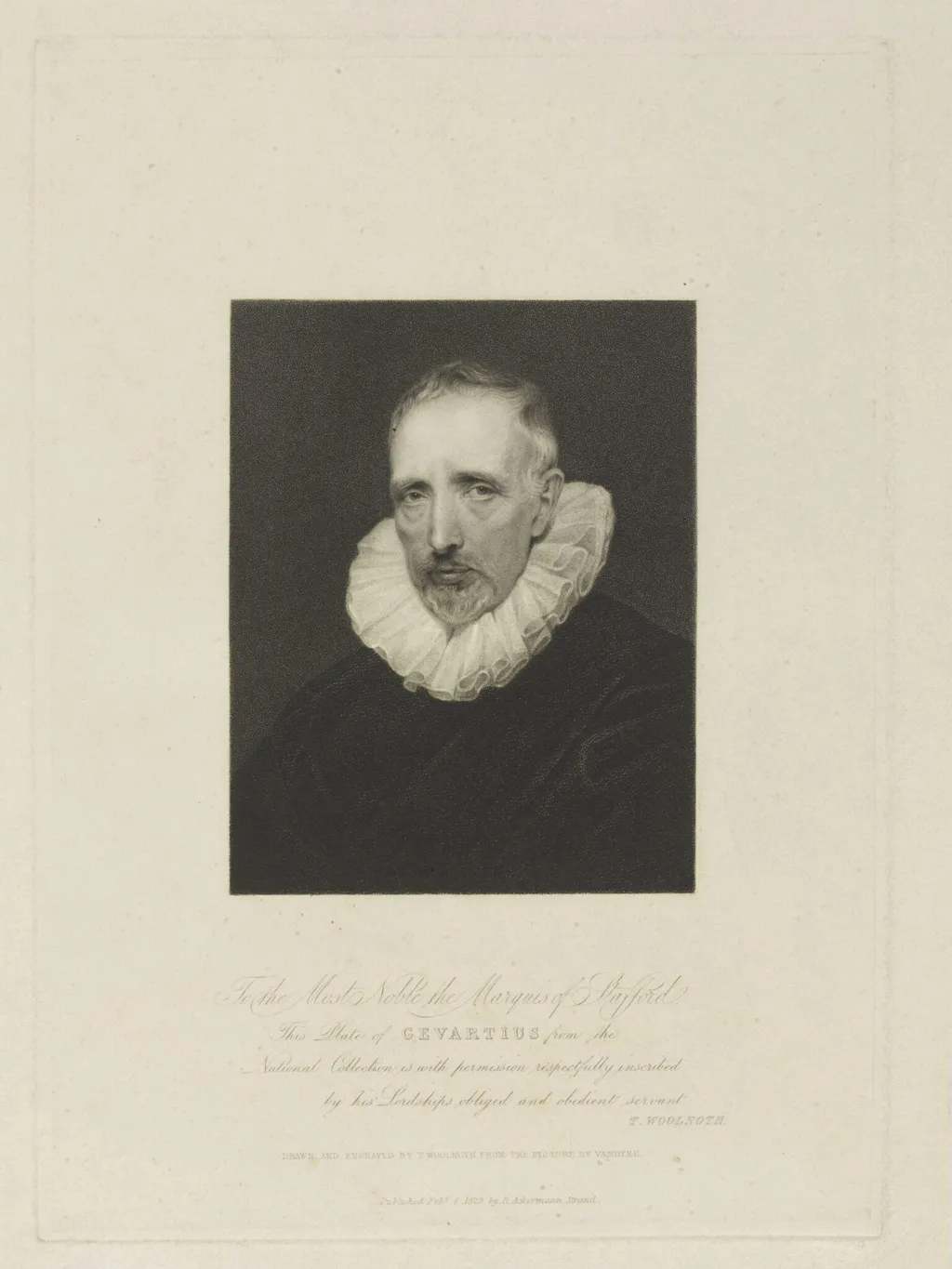
Gevartius is a print by Thomas A. Woolnoth. It dates from 1850 and is held in the collection of the Victoria and Albert Museum.
About this work
Overview
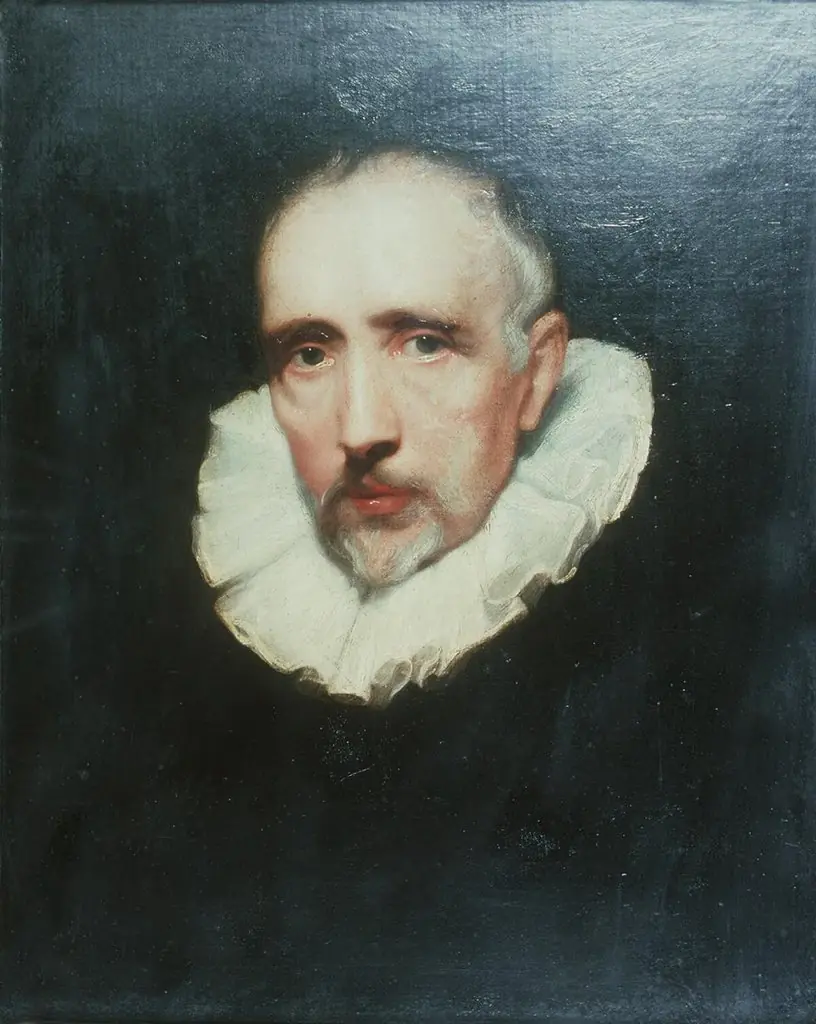
A black-and-white print on paper portrays the scholar Cornelis van der Geer, known as Gevartius, based on a painted portrait by Anthony van Dyck.
A black-and-white print on paper portrays the scholar Cornelis van der Geer, known as Gevartius, based on a painted portrait by Anthony van Dyck. The image is rendered in tonal contrast, with no color, emphasizing the sitter’s features against a dark, unadorned background. A handwritten dedication at the base addresses the Marquess of Stafford, and the artist’s name is recorded in an archaic spelling as 'Vandrye.' The print reflects 17th-century practices of disseminating likenesses through reproductive engraving.
Subject & Meaning
Gevartius, a Flemish jurist and humanist, is depicted with solemn dignity, his expression composed and introspective. The white ruff and neatly groomed beard signal his status and intellectual profession. The plain background and direct gaze focus attention on his character rather than ornamentation, aligning with the era’s preference for portraying learned men through restraint and gravity. The dedication suggests the print served as a gift or token of respect among elite circles.
Technique & Style
The image is a reproductive engraving, likely etched or line-printed, translating Van Dyck’s oil painting into monochrome. Fine hatching and subtle gradations model the face and ruff, capturing texture without color. The composition is tightly framed, eliminating context to heighten psychological presence. The handwritten inscription, integrated into the lower margin, reflects the custom of personalizing printed portraits for specific recipients, blending art with epistolary tradition.
History & Provenance
The original painting by Van Dyck resides in the National Gallery, London. This print was produced later, likely in the 17th or early 18th century, as part of a broader trend to circulate portraits of notable figures through prints. The dedication to the Marquess of Stafford indicates it was commissioned or presented within aristocratic networks. The Victoria and Albert Museum holds similar examples, documenting the role of prints in preserving and distributing elite imagery.
Context
During the 17th century, engraved portraits of scholars and nobles were widely circulated as tokens of cultural capital. Van Dyck’s painted likenesses were frequently reproduced to extend his influence and the subjects’ reputations. Such prints functioned as both memorials and instruments of social connection, particularly among educated elites who valued intellectual lineage. The use of archaic spellings and handwritten notes reveals the transitional nature of print culture before standardized publishing.
Legacy
This print exemplifies how portraiture moved beyond the original canvas into the realm of reproduction, democratizing access to elite imagery. Though not an original work, it preserves Van Dyck’s compositional authority and Gevartius’s public persona. Surviving examples like this one in institutions such as the V&A help trace the transmission of visual culture across social strata and generations, anchoring historical identity in repeated visual form.
Artist & collection
Artist
Thomas Alfred Woolnoth (1785–1857) was an English engraver. He was known for his portraits of theatre people. He also painted, and engraved works of Correggio and Van Dyck. Woolnoth was engraver to Queen Victoria. His…

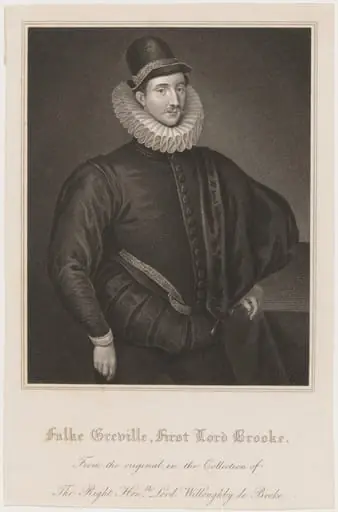 Fulke Greville, First Lord Brooke, Poet
 Dr Servantes
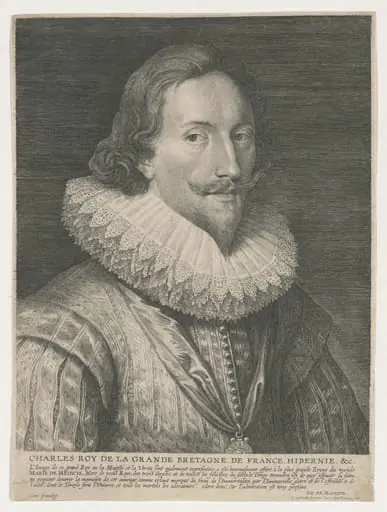 Charles I
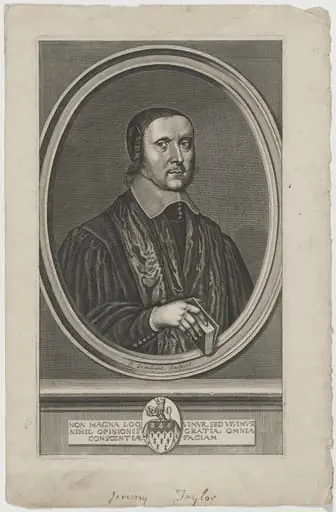 Jeremy Taylor, Bishop of Down, Connor and Dromore
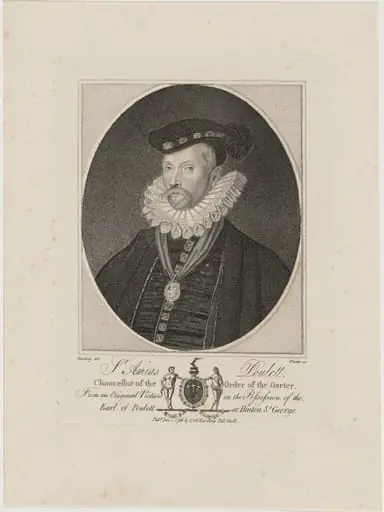 Sir Amias Poulett
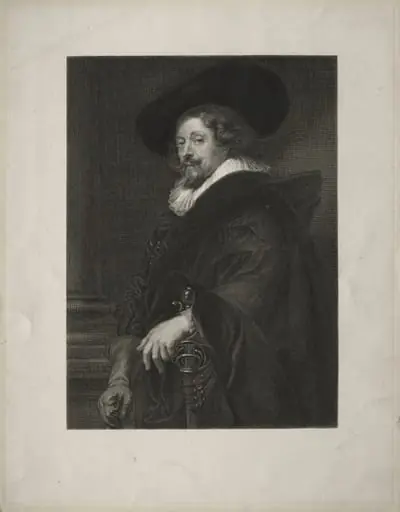 Portrait of a Man
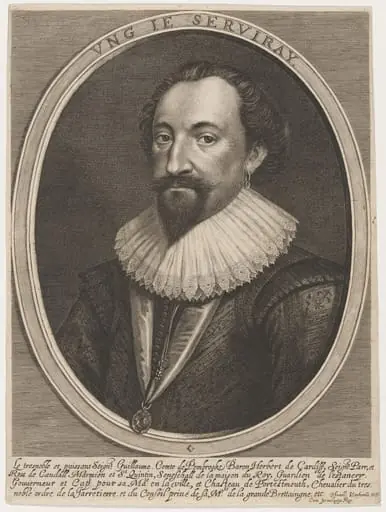 William Herbert, Third Earl of Pembroke
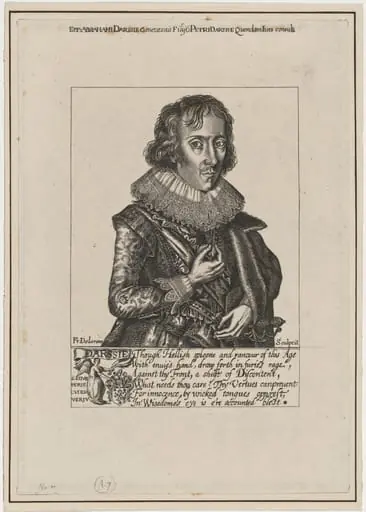 Abraham Darssie
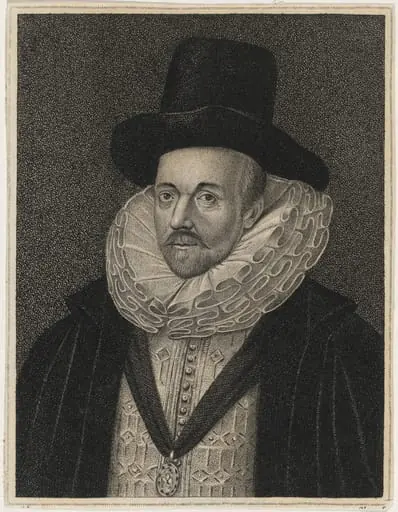 Henry Howard, Earl of Northampton
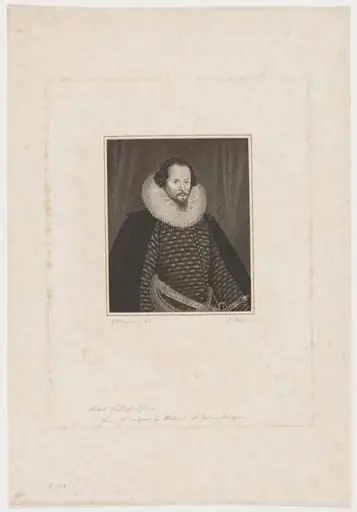 Robert Devereux, Earl of Essex
 Francis Bacon, Baron Verulam
 Hugo Grotius