Artwork
The Bay of Baiae, Apollo and the Sibyl
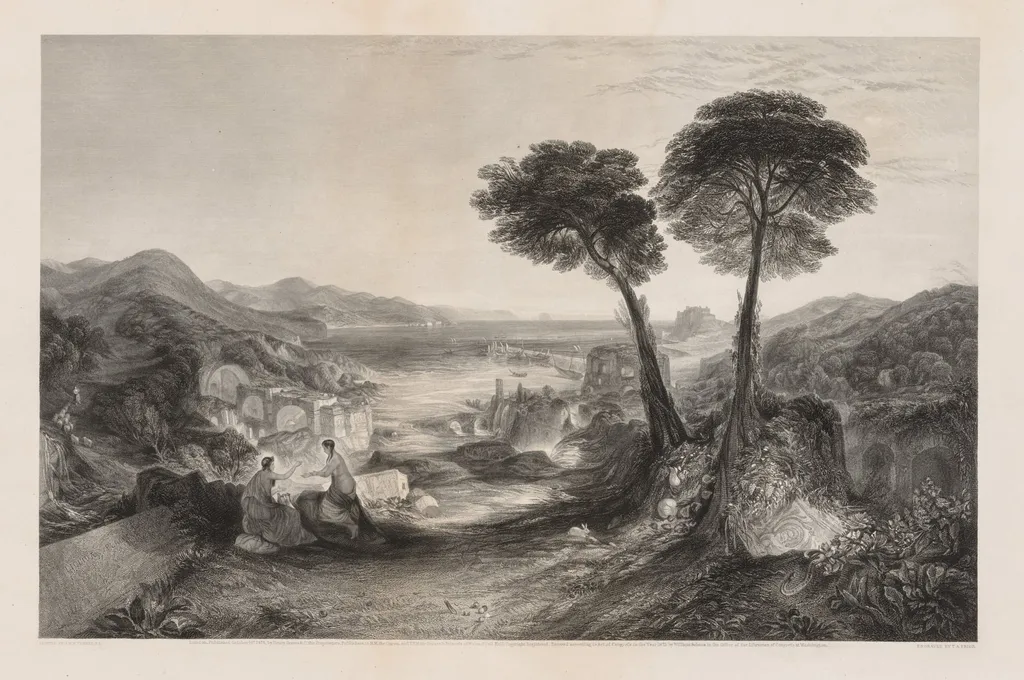
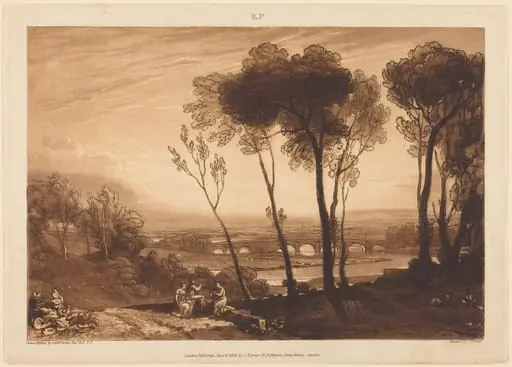
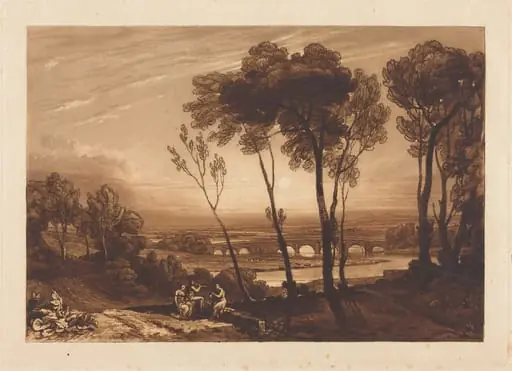
The Bay of Baiae, Apollo and the Sibyl is a print by the Impressionist artist Thomas Abiel Prior. It dates from 1873 and is held in the collection of the Cleveland Museum of Art.
About this work
Overview
The work is held in the collection of The Cleveland Museum of Art and reflects Prior’s interest in classical themes rendered with quiet precision.
Thomas Abiel Prior’s 1873 print, The Bay of Baiae, Apollo and the Sibyl, depicts a mythological scene set along the Italian coast. Though often described as a painting, it is a reproductive engraving, likely made to disseminate an earlier oil composition. The work is held in the collection of The Cleveland Museum of Art and reflects Prior’s interest in classical themes rendered with quiet precision.
Subject & Meaning
The scene centers on a sibyl, a prophetic figure from antiquity, seated on a rocky outcrop overlooking the bay of Baiae. Her gaze into the distance suggests contemplation or divine revelation. Apollo, the god of prophecy, is implied rather than explicitly shown, reinforcing the mystical atmosphere. The composition evokes the moment before revelation, linking human stillness with the unseen presence of the divine.
Technique & Style
Prior employed fine linear engraving to render subtle tonal gradations, mimicking the soft transitions of light and shadow found in oil painting. The landscape is rendered with delicate hatching, allowing the sky and sea to merge in muted blues and grays. Chiaroscuro is used sparingly but effectively to model the sibyl’s form and anchor her as the visual focal point within the expansive setting.
History & Provenance
The work originated as a print after Prior’s own oil painting, produced during a period when reproductive engravings were popular for distributing artistic imagery to a broader audience. It entered the Cleveland Museum of Art’s collection in the early 20th century, likely through a donation or acquisition focused on 19th-century British graphic art. Its preservation reflects its role in scholarly and aesthetic circles of the time.
Context
Created in the late Victorian era, the print aligns with a revival of classical mythology in British art, influenced by Romanticism and archaeological interest in ancient Italy. Baiae, a famed Roman resort, was a symbol of lost grandeur. Prior’s choice of subject reflects a broader cultural fascination with antiquity as a site of spiritual and aesthetic contemplation, distinct from overt narrative drama.
Legacy
Though not widely exhibited today, the print remains a quiet example of 19th-century British engraving’s capacity to convey mythic serenity. It illustrates how reproductive techniques extended the reach of painterly ideas beyond elite audiences. Its presence in a major museum underscores its role as a historical artifact of aesthetic taste and print culture in the Victorian age.
Artist & collection