Artwork
John Tradescant the Younger as a Gardener
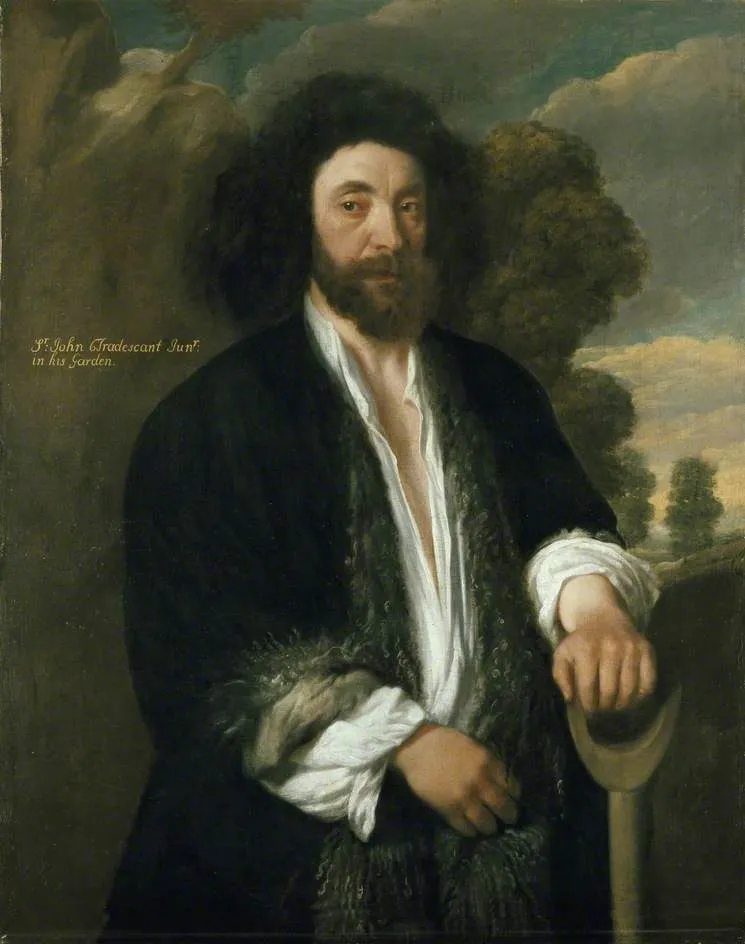
John Tradescant the Younger as a Gardener is an oil painting by Thomas de Critz. It dates from 1640 and is held in the collection of the Ashmolean Museum.
About this work
Overview
Painted around 1640, this oil portrait captures John Tradescant the Younger in a moment of quiet stillness, framed by the plants he cultivated.
Painted around 1640, this oil portrait captures John Tradescant the Younger in a moment of quiet stillness, framed by the plants he cultivated. The work is attributed to Thomas de Critz, a London-based painter of Flemish descent who served the English court. Unlike formal royal portraits, this image emphasizes the sitter’s scholarly engagement with botany, reflecting a growing interest in natural history during the mid-seventeenth century.
Subject & Meaning
John Tradescant the Younger, a noted botanist and collector, is portrayed not as a nobleman but as a man of learning and labor. The trowel in his hand and the cultivated plants behind him signal his role in expanding England’s botanical knowledge. The fur-trimmed cloak suggests modest status rather than wealth, reinforcing his identity as a practical naturalist rather than a courtier. The composition invites reflection on the dignity of scientific pursuit.
Technique & Style
Thomas de Critz renders the figure with careful attention to texture—the softness of fur, the sheen of silk, the roughness of soil-stained hands. The background is softly modeled, with hazy trees and a muted sky that recede gently, keeping focus on the figure. Brushwork is restrained, avoiding dramatic contrasts; the lighting is even, enhancing the portrait’s contemplative tone. The palette is subdued, dominated by blacks, whites, and earth tones.
History & Provenance
The painting entered the Ashmolean Museum’s collection through the bequest of Elias Ashmole, a contemporary of Tradescant and fellow antiquarian. Ashmole inherited Tradescant’s botanical and curio collections, which formed the foundation of the museum. The portrait likely accompanied these materials, serving as a visual record of the man whose work helped establish one of England’s first public collections of natural specimens.
Context
In the 1630s and 1640s, English elites increasingly valued the study of plants and natural objects, spurred by global exploration and the rise of private cabinets of curiosities. Tradescant’s travels to the Americas and his role in expanding the Royal Garden at Lambeth placed him at the center of this movement. Portraits like this one emerged to honor such figures, blending personal identity with intellectual contribution.
Legacy
The portrait endures as a document of early scientific culture in England, illustrating how botany transitioned from a pastime to a disciplined pursuit. Tradescant’s contributions to plant collection and the founding of the Ashmolean Museum’s core holdings remain significant. This image, though not widely exhibited, quietly anchors the visual history of natural history in Britain’s institutional development.
Artist & collection
Artist
Thomas De Critz or Decritz (1 July 1607 – 22 October 1653) was an English painter.

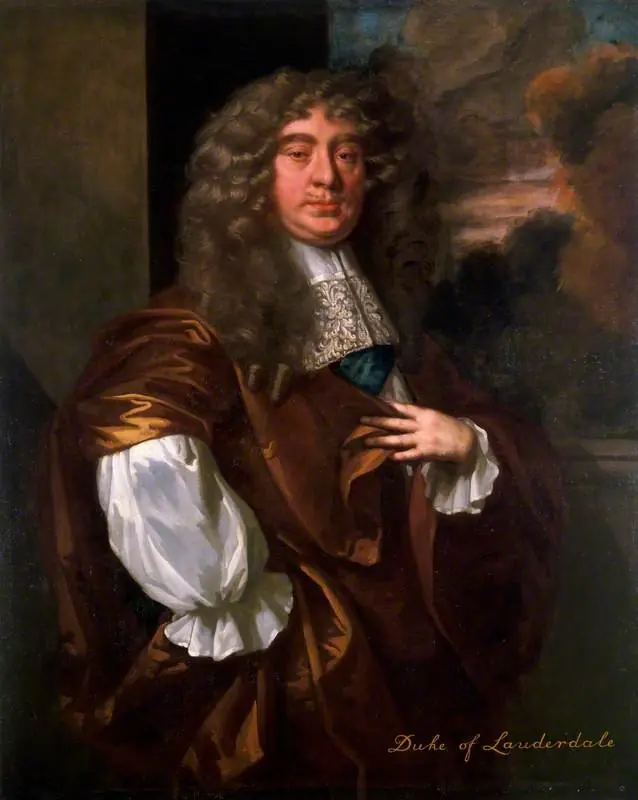 John, Duke of Lauderdale (1616–1682)
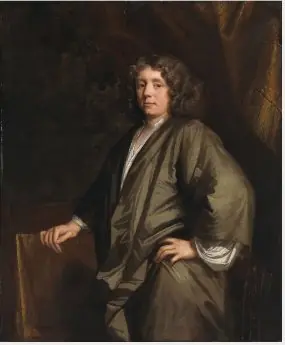 Portrait of Thomas Wharton, 1st Marquess of Wharton (1648-1715)
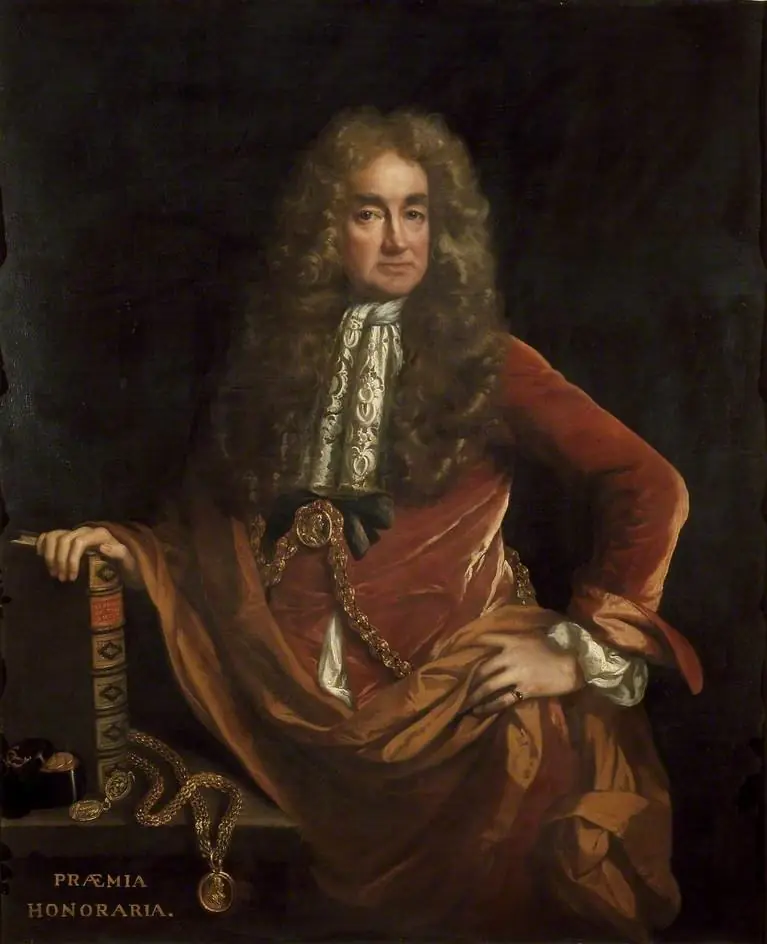 Elias Ashmole
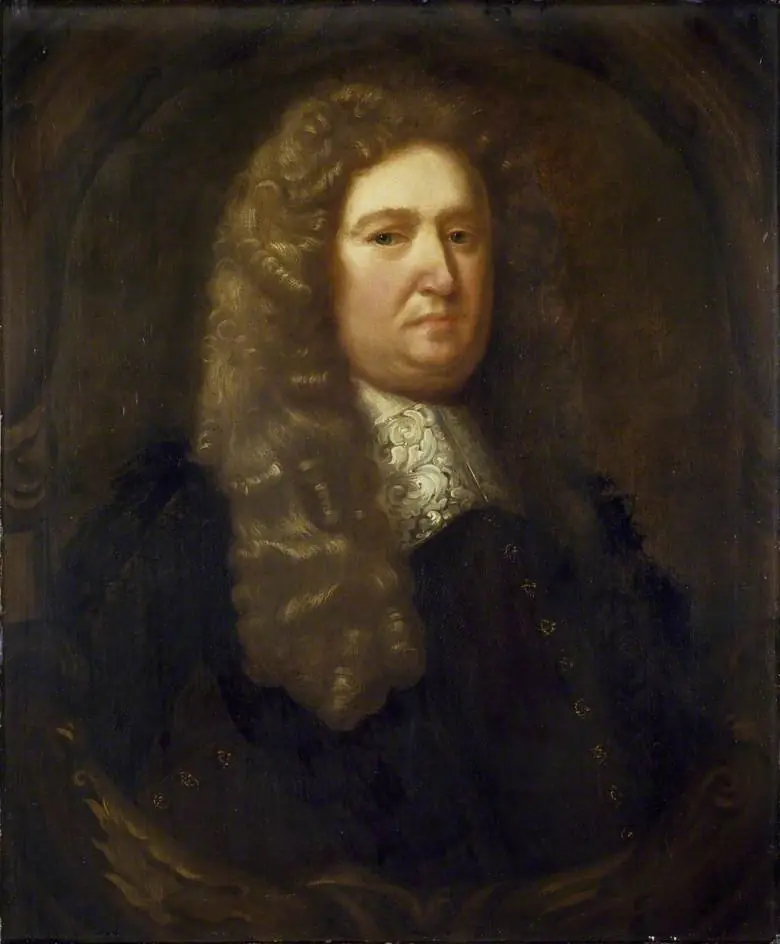 Robert Plot
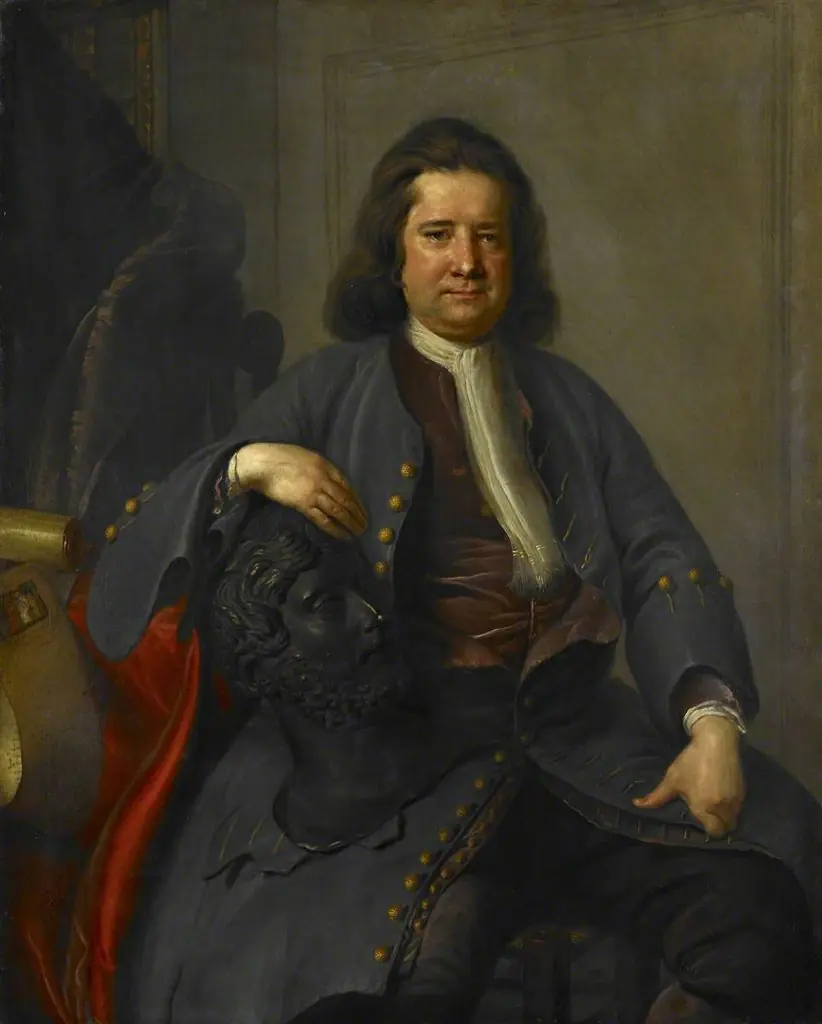 Humfrey Wanley (1672–1726), Librarian
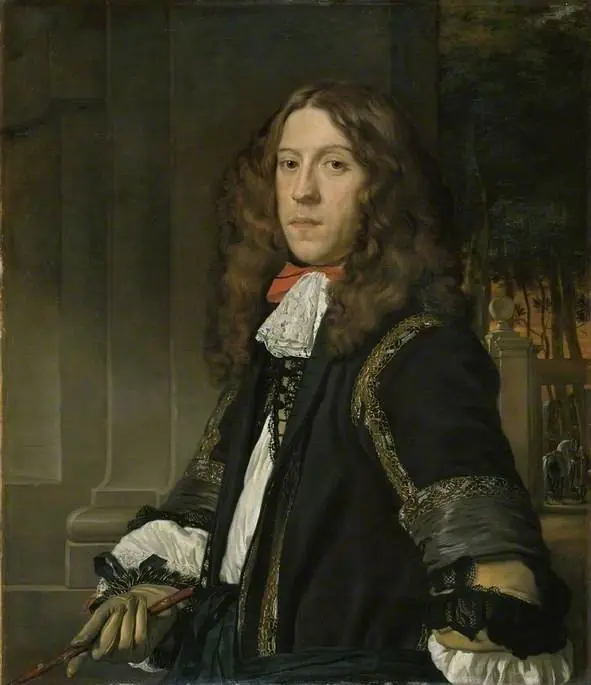 Portrait of a man
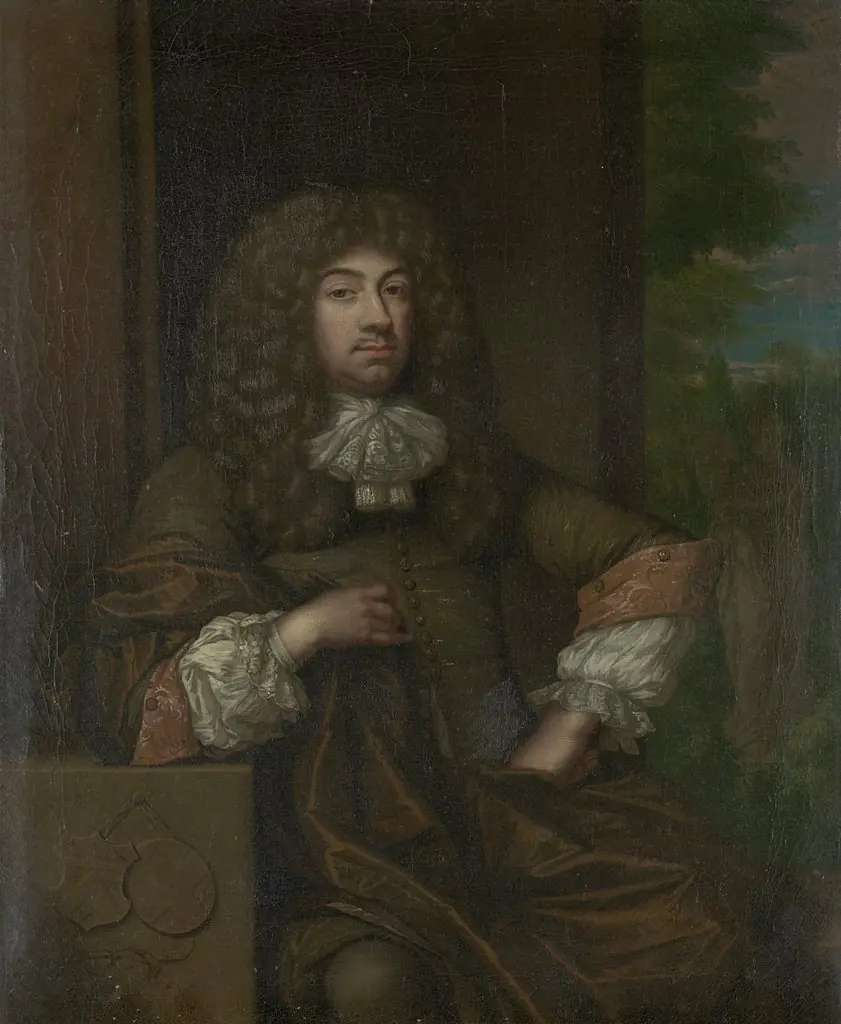 Portrait of Jan Boudaen Courten (1635-1716), lord of St. Laurens, Schellach and Popkensburg, Judge and alderman of Middelburg
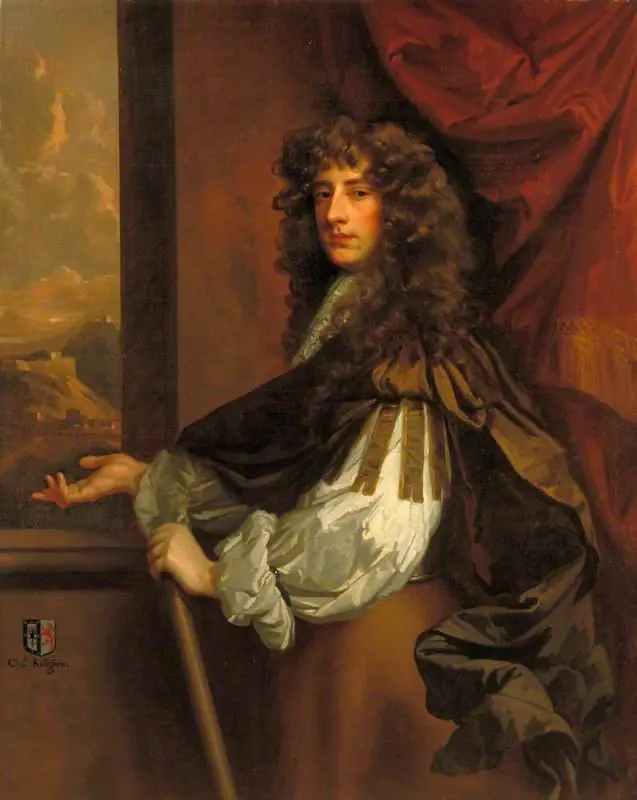 Charles Killigrew (1655–1724/1725)
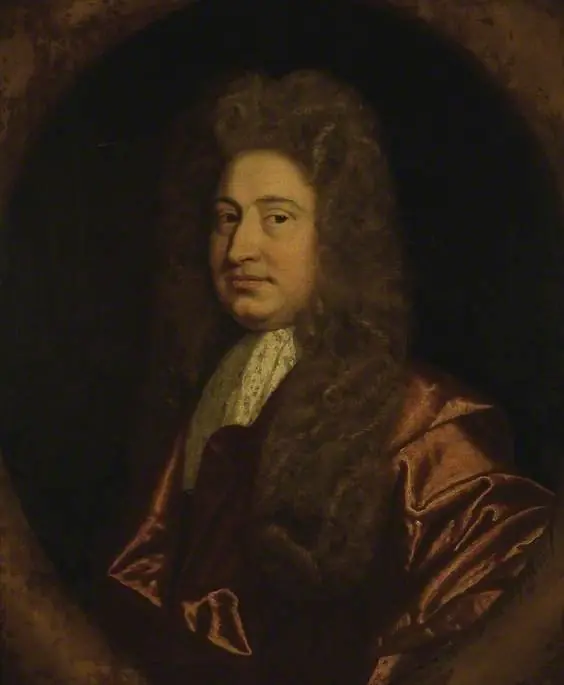 Unknown man (1693)
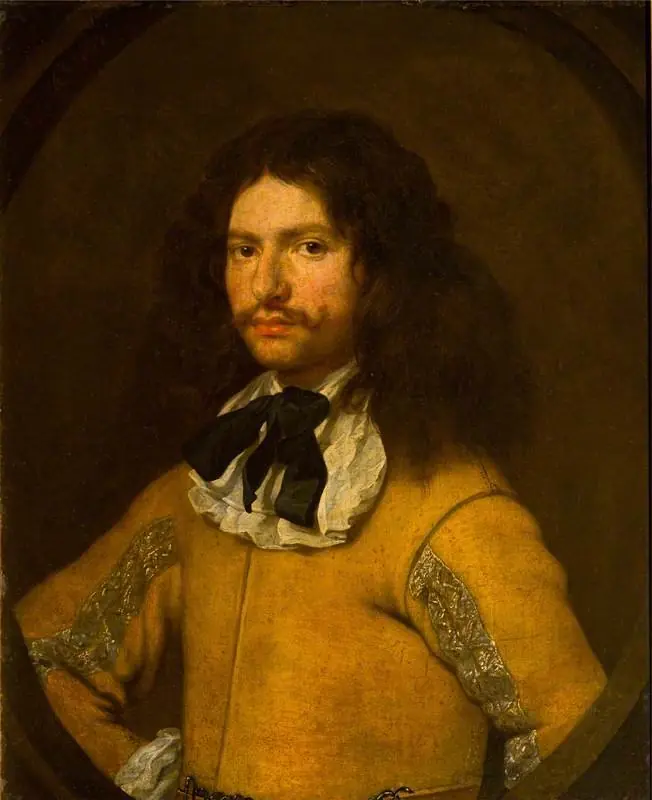 A Cavalier in a Yellow Coat
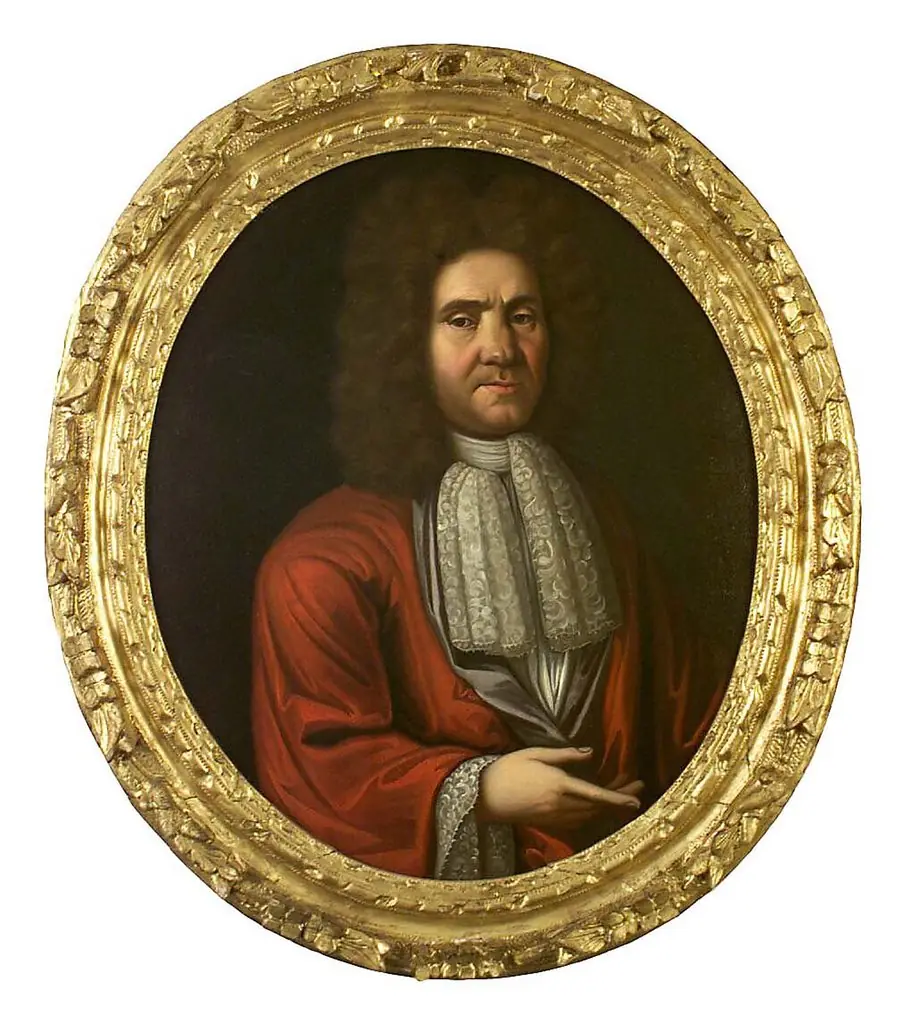 George Jaffrey I
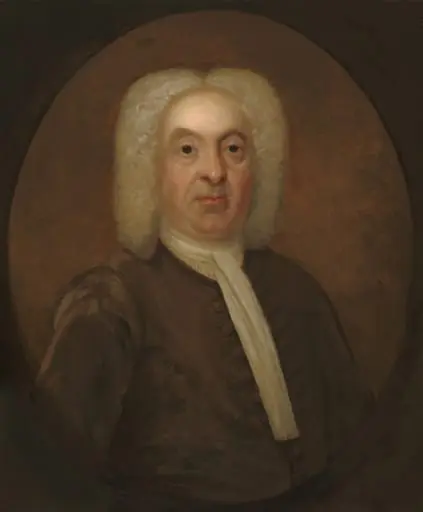 Portrait of a Gentleman