Artwork
View in Paris
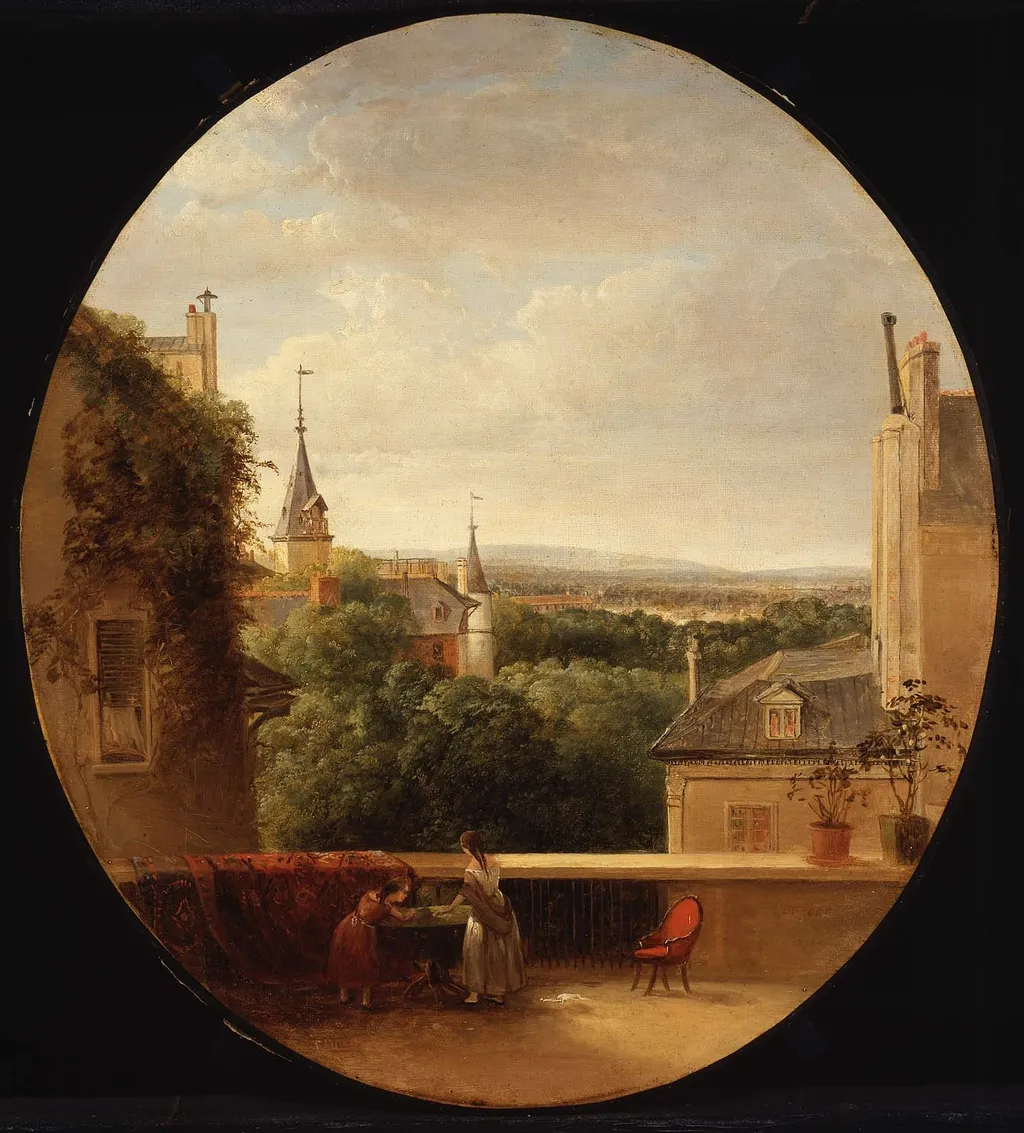
View in Paris is an oil painting by the American Folk Art artist Thomas Doughty. It dates from 1847 and is held in the collection of the Museum of Fine Arts Boston.
About this work
Overview
Painted in 1847 by Thomas Doughty, View in Paris is an oil-on-canvas work depicting a quiet urban scene from an elevated viewpoint. The painting belongs to the collection of the Museum of Fine Arts, Boston. It captures a moment of stillness in the city, blending architectural detail with intimate human presence, and reflects the artist’s interest in atmospheric landscape and everyday observation.
Subject & Meaning
Two women in early 19th-century attire sit at a table in the foreground, engaged in quiet conversation beneath a red cloth.
Two women in early 19th-century attire sit at a table in the foreground, engaged in quiet conversation beneath a red cloth. Behind them, the Parisian skyline recedes in soft focus—buildings, rooftops, and trees rendered with subtle gradations. The scene avoids grandeur, instead emphasizing solitude and contemplation, suggesting a meditation on urban life through personal stillness rather than spectacle.
Technique & Style
Doughty employs a restrained palette of muted earth tones and soft grays to convey depth and spatial recession. Light is diffused evenly, avoiding dramatic chiaroscuro, yet carefully modulated to suggest volume and distance. The composition directs the viewer’s gaze from the foreground figures through layers of architecture, using aerial perspective and delicate brushwork to unify the scene.
History & Provenance
Created during Doughty’s later career, the painting reflects his shift from American wilderness scenes to European urban views, likely inspired by his travels. It entered the Museum of Fine Arts, Boston’s collection in the 19th century and has remained there since, representing a lesser-known facet of his oeuvre focused on European topography and domestic tranquility.
Context
In the mid-1840s, American artists increasingly looked to Europe for subject matter, drawn by its historic cities and cultivated landscapes. Doughty’s View in Paris aligns with this trend, yet diverges from romanticized depictions by favoring quiet observation over dramatic narrative. It reflects a broader interest in the everyday rhythms of urban life among Hudson River School-associated painters.
Legacy
Though not widely exhibited, the painting contributes to understanding how American artists interpreted European cities with restraint and psychological nuance. Doughty’s approach—emphasizing atmosphere over monumentality—influenced later generations interested in mood and quiet composition, offering an alternative to the grandeur typical of 19th-century landscape painting.
Artist & collection



 Street in Cologne
 Music-Making Society in the Forest
 Italian Landscape
 The Old Palace in Brussels
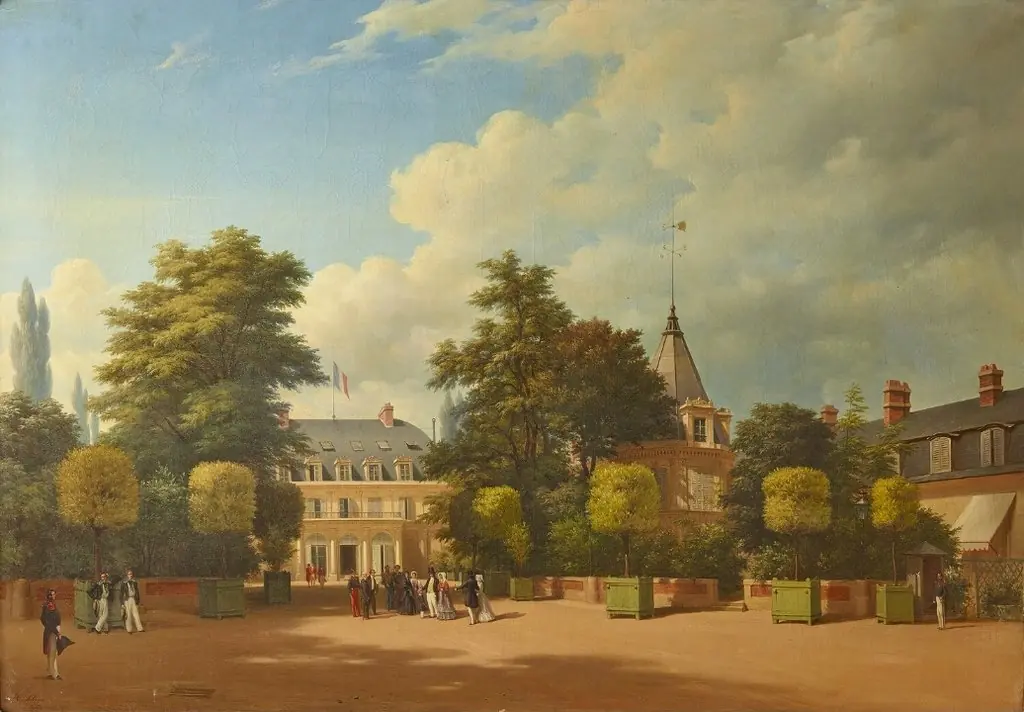 Vue du château de Neuilly
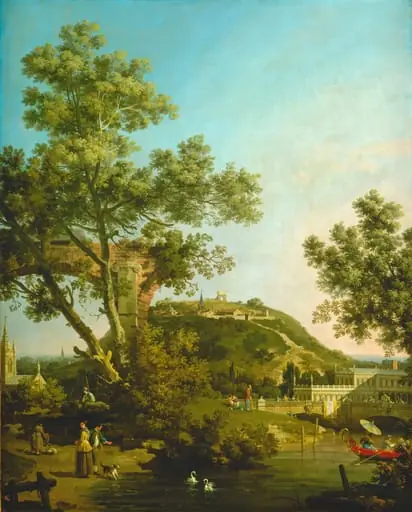 English Landscape Capriccio with a Palace
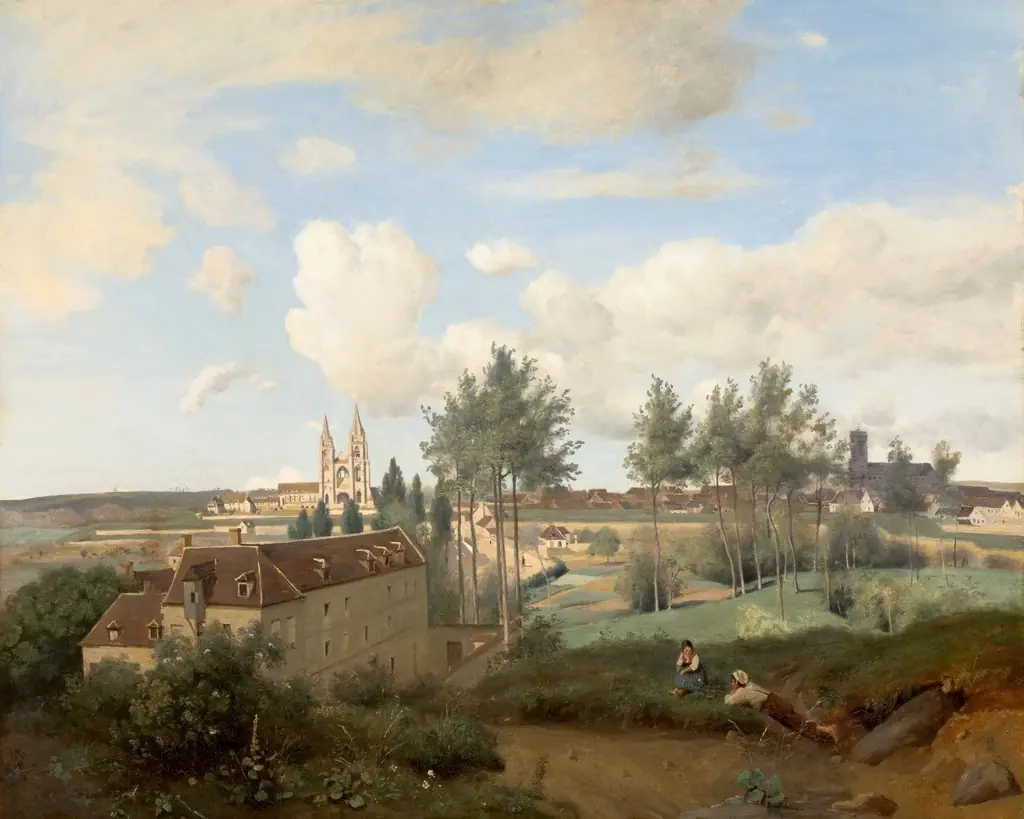 Soissons Seen from Mr. Henry's Factory
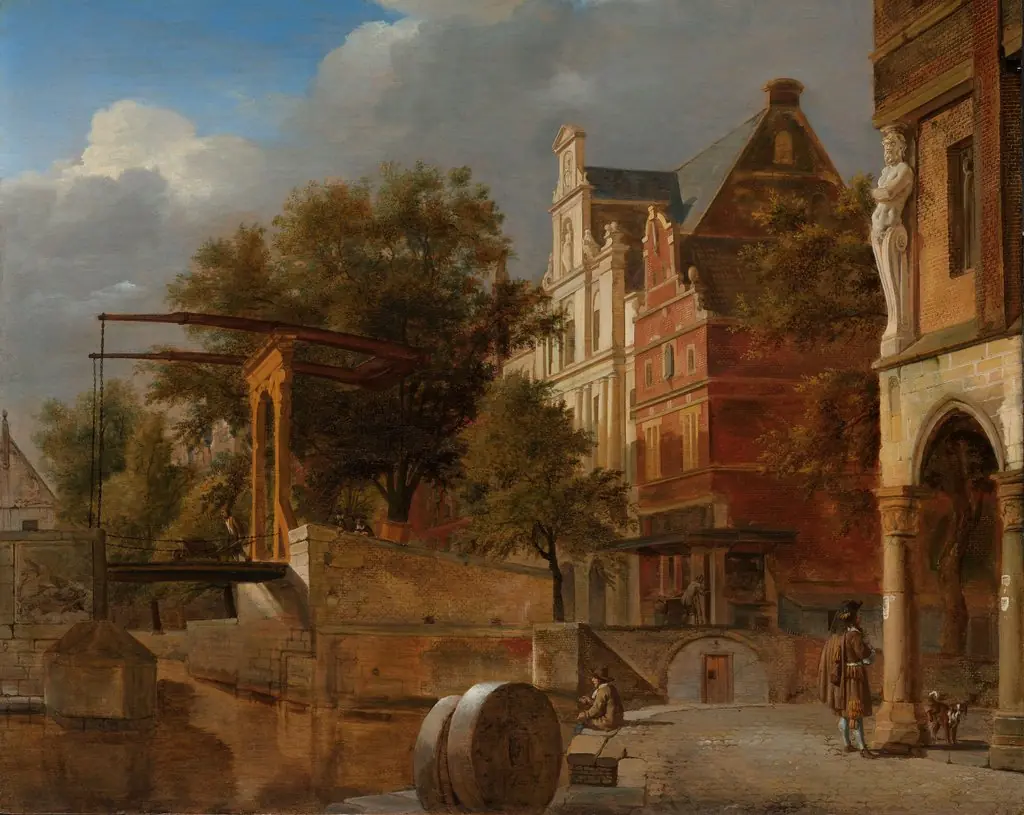 The drawbridge
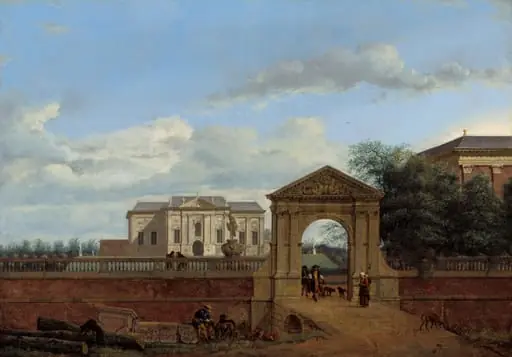 An Architectural Fantasy
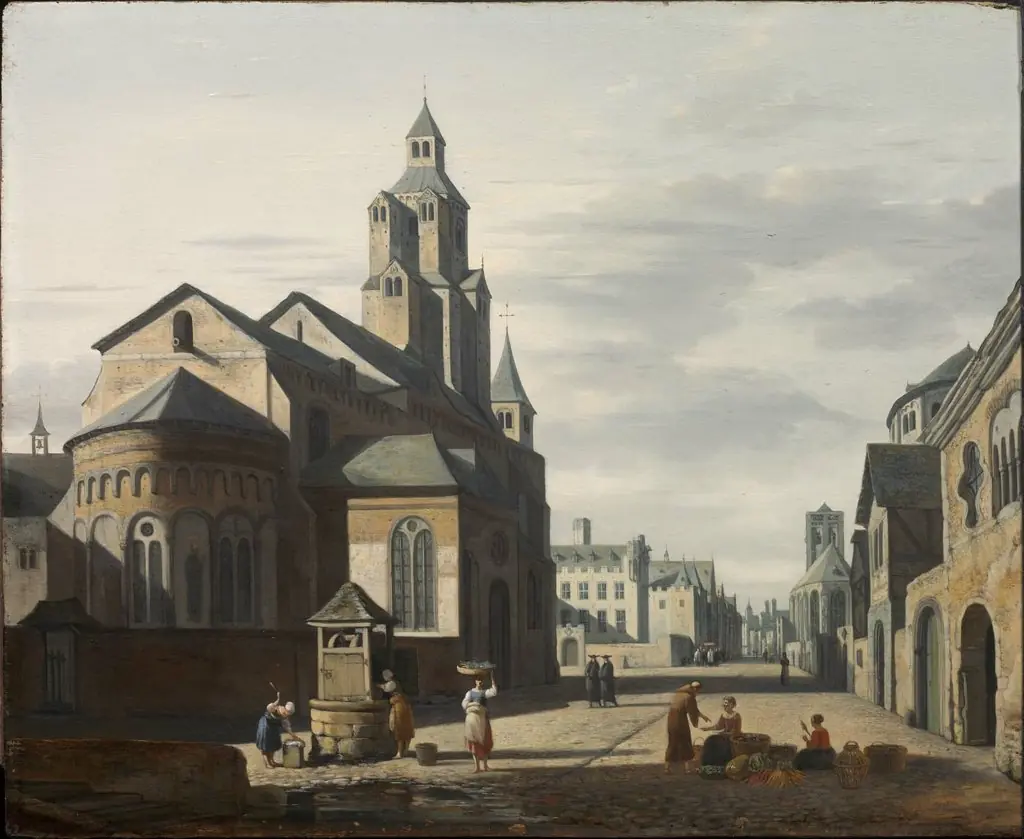 Church of Saint Cecilia, Cologne
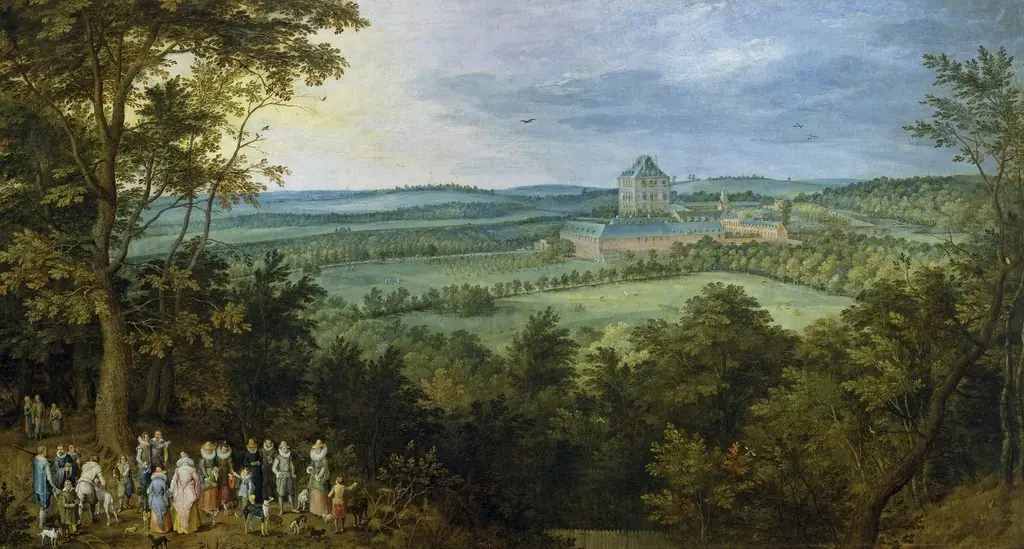 The Archdukes hunting in Mariemont
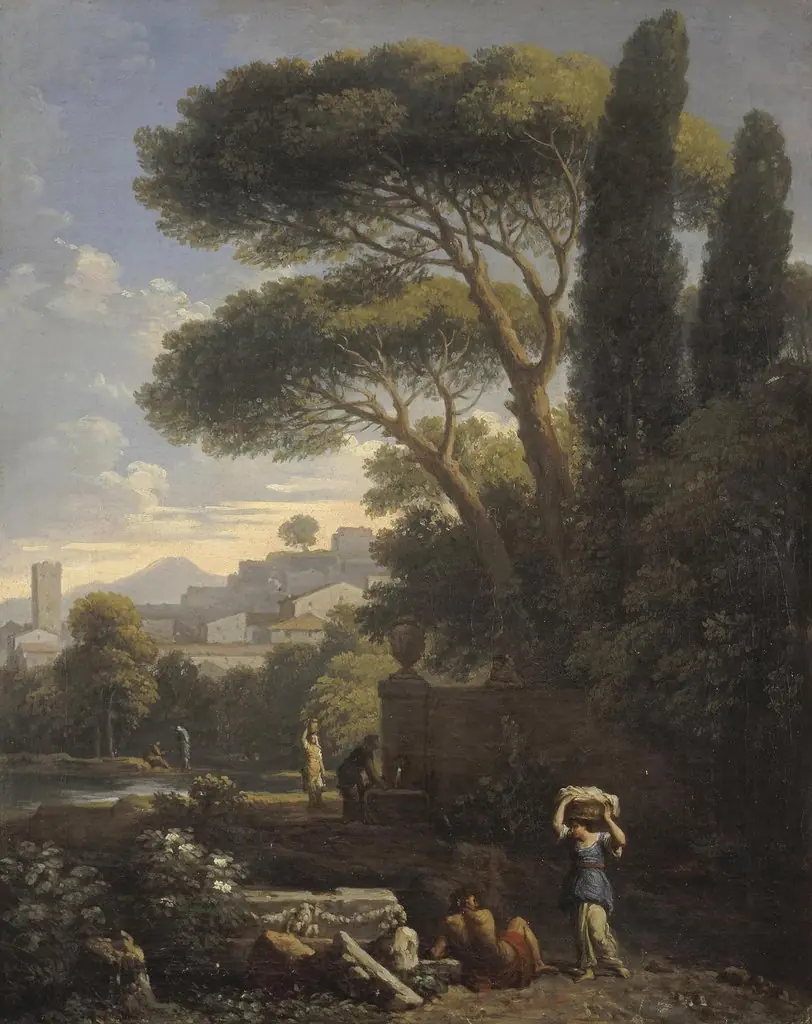 Landscape in Latium with Three Female Figures by a Fountain