Artwork
A Selection of Twenty of the Most Picturesque Views in Paris: View of Pont Neuf, part of the Louvre, Notre Dame, and the College of Four Nations
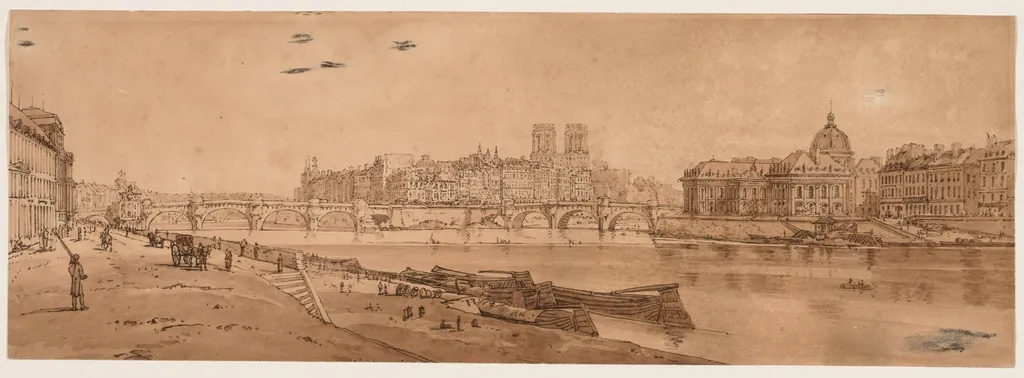
A Selection of Twenty of the Most Picturesque Views in Paris: View of Pont Neuf, part of the Louvre, Notre Dame, and the College of Four Nations is a print by the Romanticist artist Girtin. It dates from 1802 and is held in the collection of the Cleveland Museum of Art.
About this work
Overview
Created in 1802, this watercolour is one of twenty views in Thomas Girtin’s series documenting Parisian landmarks.
Created in 1802, this watercolour is one of twenty views in Thomas Girtin’s series documenting Parisian landmarks. As an English artist, Girtin captured the city’s urban fabric with precision and atmospheric sensitivity. The work belongs to a body of travel-inspired prints that reflect the British fascination with continental scenery during the early nineteenth century, blending topographical accuracy with poetic observation.
Subject & Meaning
The scene presents the Pont Neuf as a bustling urban corridor, framed by the towers of Notre-Dame and the dome of the College of Four Nations. The composition emphasizes the river as a central axis of daily life, with moored boats and pedestrians suggesting routine activity. Rather than idealizing the city, Girtin records its layered architecture and lived-in character, offering a quiet meditation on Paris as a functioning metropolis.
Technique & Style
Girtin employed transparent watercolour washes to build subtle tonal gradations, using earthy browns and cool grays to unify the skyline and water. Chiaroscuro effects, achieved through controlled light and shadow, lend depth to the buildings and animate the river’s surface. His loose yet deliberate brushwork conveys texture without overdetailing, balancing topographical clarity with atmospheric mood.
History & Provenance
The print was produced shortly before Girtin’s death at age twenty-seven, during a period when he was refining his watercolour technique. It was part of a published series intended for a British audience curious about Parisian architecture. Though few original impressions survive, the work was circulated through prints, contributing to his posthumous reputation as a pioneer of the medium in England.
Context
Girtin’s Paris views emerged amid growing British interest in continental travel following the Napoleonic Wars. His depictions differed from romanticized landscapes by focusing on urban realism, aligning with emerging trends in topographical art. Unlike many contemporaries, he avoided overt drama, instead capturing the quiet rhythm of city life through careful observation and restrained palette.
Legacy
Girtin’s watercolours, including this view, helped establish the medium as capable of serious artistic expression beyond mere illustration. His influence extended to later artists like J.M.W. Turner, who admired his ability to merge precision with atmosphere. Though his career was brief, his approach to urban scenes left a lasting imprint on British watercolour traditions.
Artist & collection
Artist
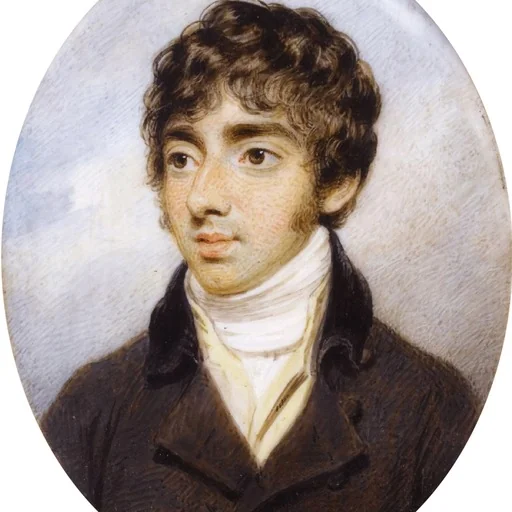
Thomas Girtin (18 February 1775 – 9 November 1802) was an English watercolourist and etcher. A friend and rival of J. M. W. Turner, Girtin played a key role in establishing watercolour as a reputable art form.

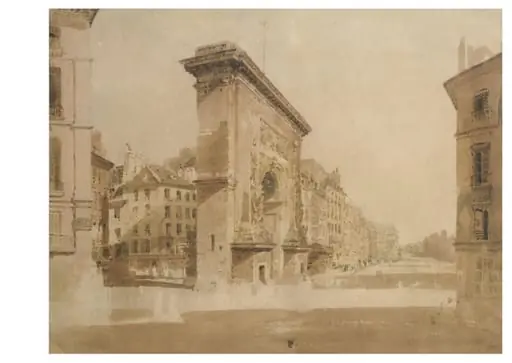
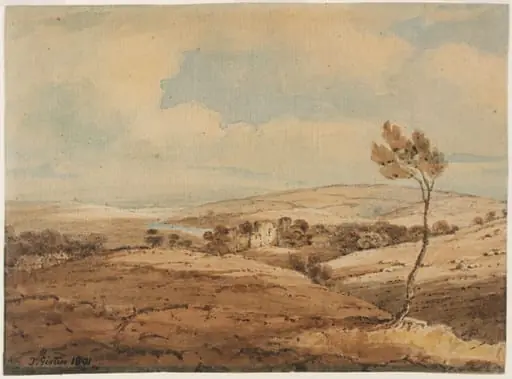
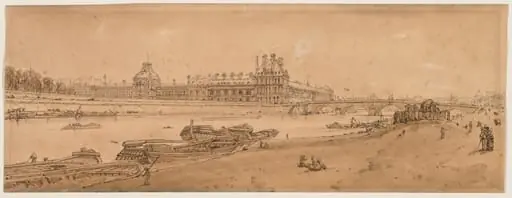 A Selection of Twenty of the Most Picturesque Views in Paris
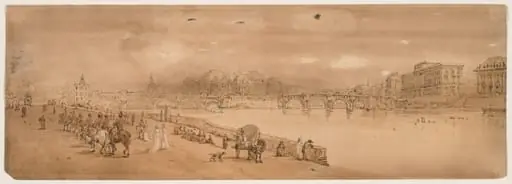 A Selection of Twenty of the Most Picturesque Views in Paris: View of Pont Neuf, and the Mint
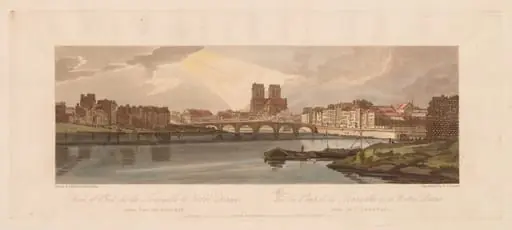 A Selection of Twenty of the Most Picturesque Views in Paris: View of the Pont de la Tournelle & Notre Dame Taken from the Arsenal
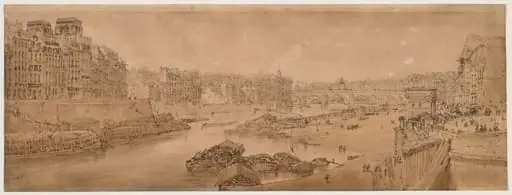 A Selection of Twenty of the Most Picturesque Views in Paris: View of the City with the Louvre taken from the Pont Marie
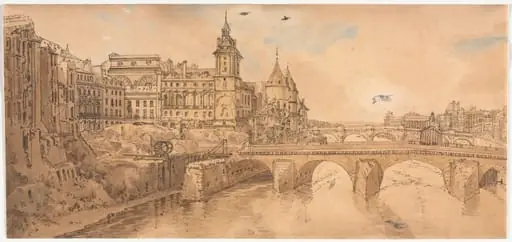 A Selection of Twenty of the Most Picturesque Views in Paris: View of Pont au Change, the City Theatre, Pont Neuf, Conciergerie Prison, and taken from Pont Notre Dame
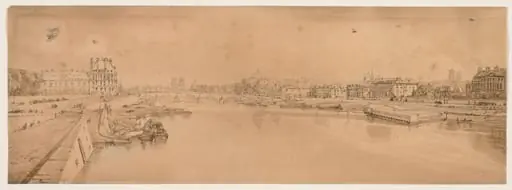 A Selection of Twenty of the Most Picturesque Views in Paris: View of the Tuilleries and Bridge and taken from Pont de la Concorde
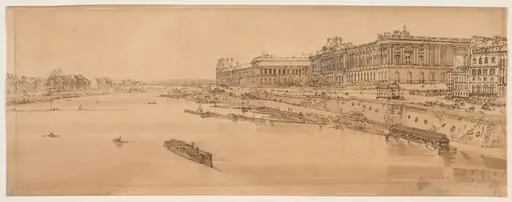 A Selection of Twenty of the Most Picturesque Views in Paris: View of the Louvre and Bridge of the Tuilleries taken from Pont Neuf
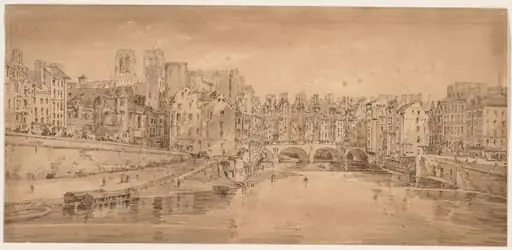 A Selection of Twenty of the Most Picturesque Views in Paris: View of Pont St. Michel, taken from Pont Neuf
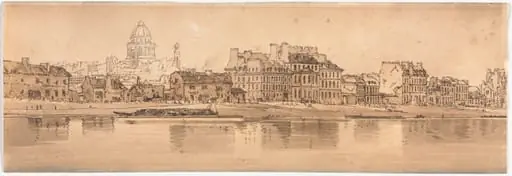 A Selection of Twenty of the Most Picturesque Views in Paris: View of the Pantheon taken from the Arsenal
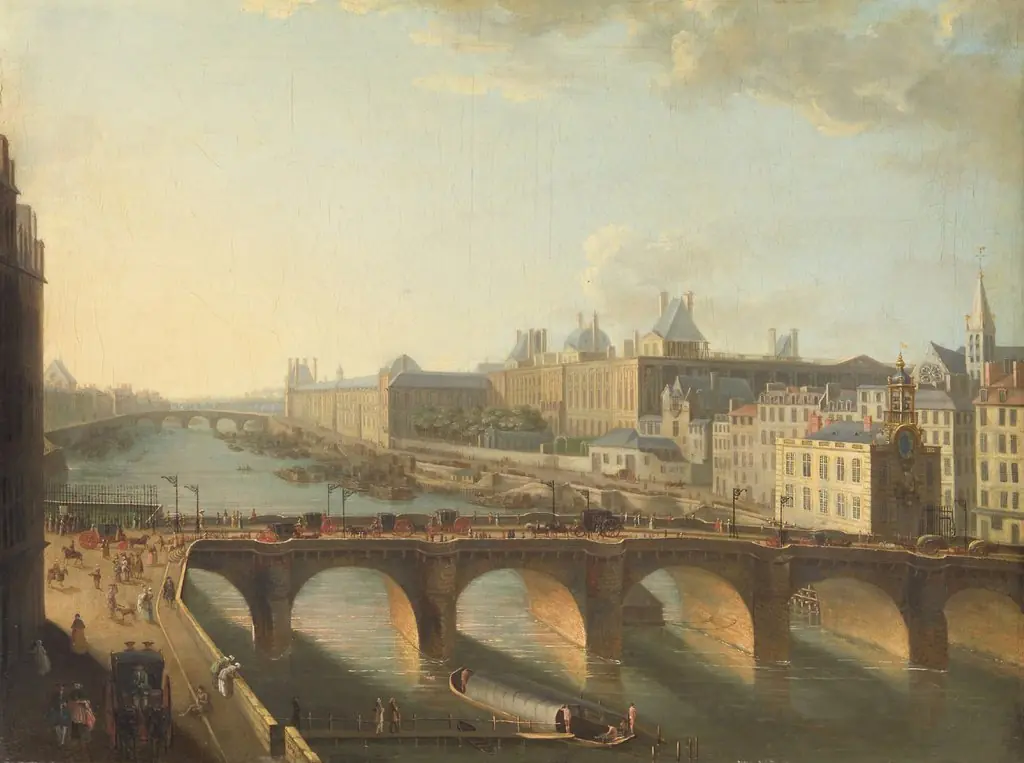 View of the Pont-Neuf in Paris from the Quai de la l’Horloge