Artwork
Achilles as Pyrrha with Cupid
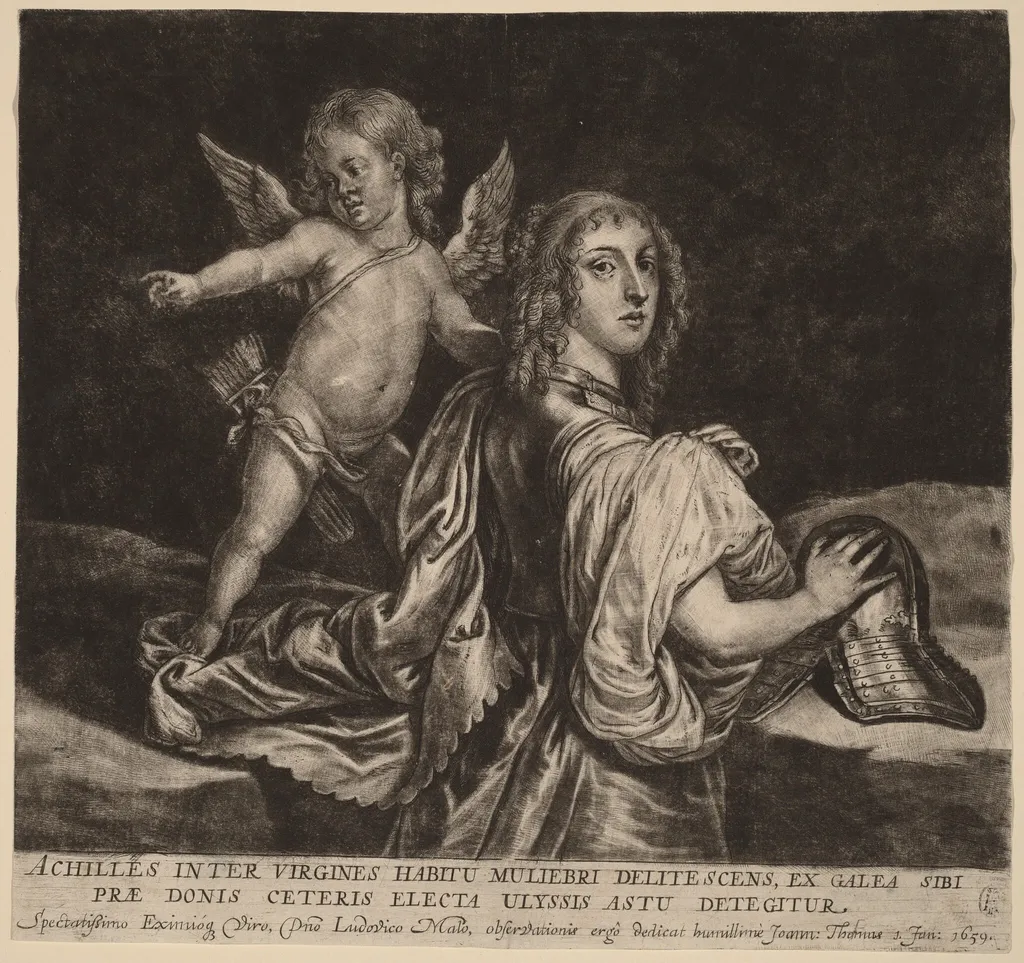
Achilles as Pyrrha with Cupid is an ink print by the Baroque artist Jan Thomas. It dates from 1659 and is held in the collection of the National Gallery of Art.
About this work
Overview
Jan Thomas’s 1659 print, titled *Achilles as Pyrrha with Cupid*, combines mezzotint and etching on laid paper. The work presents the Greek hero Achilles in the guise of the legendary female figure Pyrrha, accompanied by the winged god of love, Cupid. It belongs to the tradition of mythological prints that explore narrative episodes from classical sources.
Subject & Meaning
The image draws on a lesser‑known episode in which Achilles, seeking to evade combat, adopts female attire and identity as Pyrrha. By placing Cupid beside him, Thomas underscores themes of disguise, desire, and the subversion of heroic masculinity that are inherent in the tale.
Technique & Style
Thomas employs a hybrid process: a mezzotint ground provides rich, velvety tonal areas, while fine etching lines render details of costume and figure. Executed on laid paper, the print demonstrates the 17th‑century mastery of combining tonal depth with linear precision in a single work.
History & Provenance
Created in 1659, the print reflects the Baroque interest in classical mythology and the popularity of printed illustrations for literary and scholarly audiences. While specific ownership records are scarce, the work has been catalogued among Thomas’s prints and appears in several 18th‑century collections of mythological engravings.
Context
During the mid‑1600s, artists frequently revisited mythic narratives to comment on contemporary concerns about identity and gender. Thomas’s choice to depict Achilles in female disguise aligns with a broader European fascination with cross‑dressing motifs in both visual and literary culture.
Artist & collection



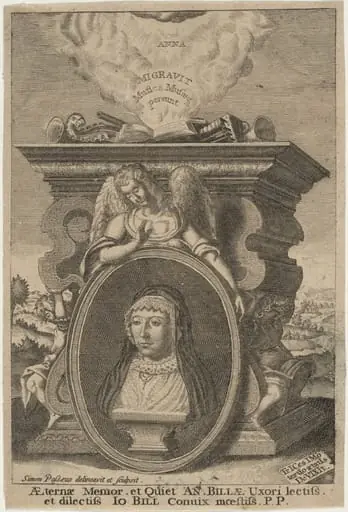 Anne Bill
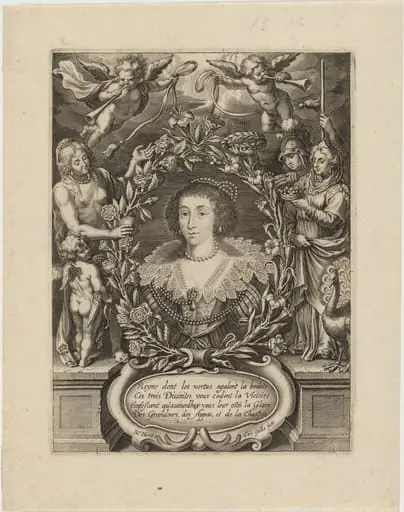 Henrietta Maria (?)
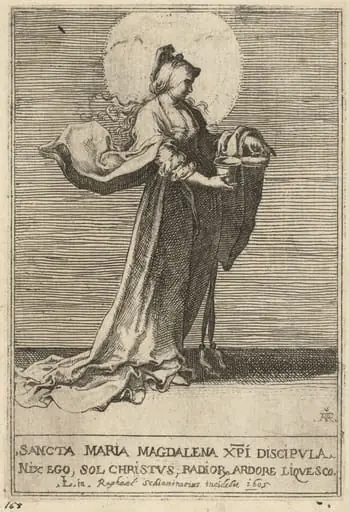 Saint Mary Magdalene
 Anne Bill
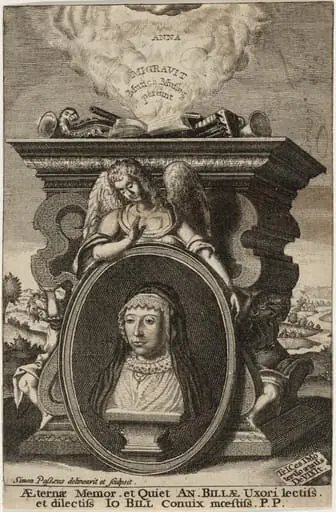 Anne Bill
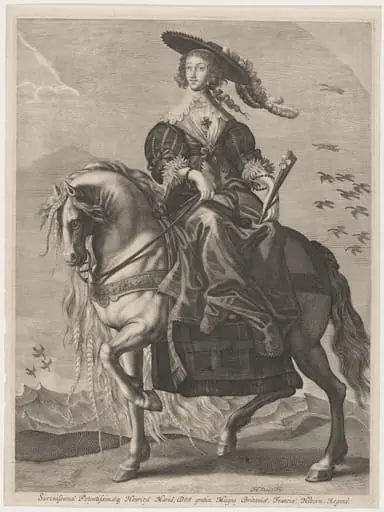 Henrietta Maria, Queen of Charles I
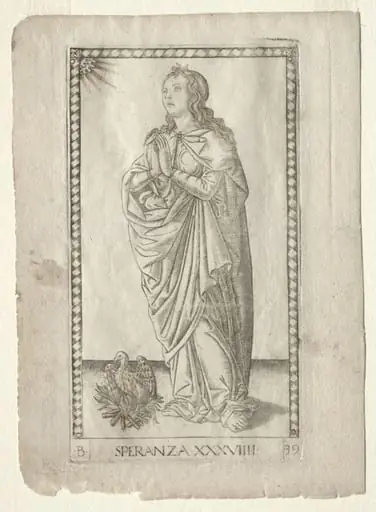 Hope (from the Tarocchi, series B: Cosmic Principles & Virtues, #39)
 Anne Bill
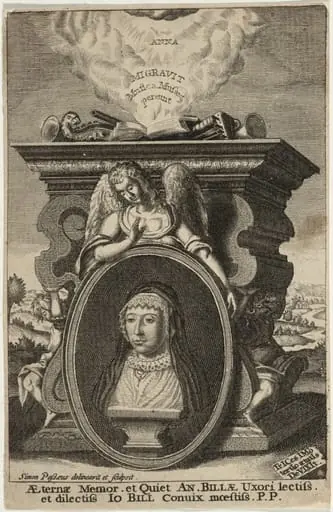 Anne Bill
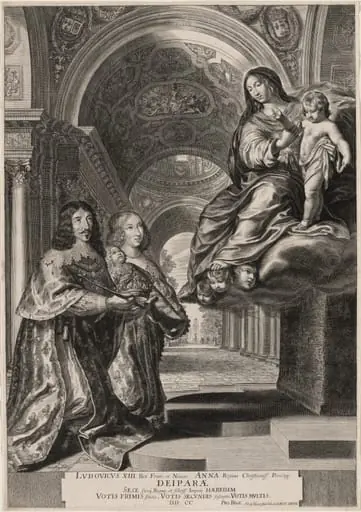 The Vow of Louis XIII (Louis XIII and His Wife, Anne of Austria, Entrusting the New Prince and the Crown to the Virgin)
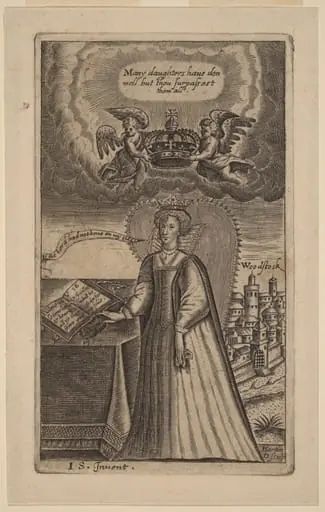 Queen Elizabeth
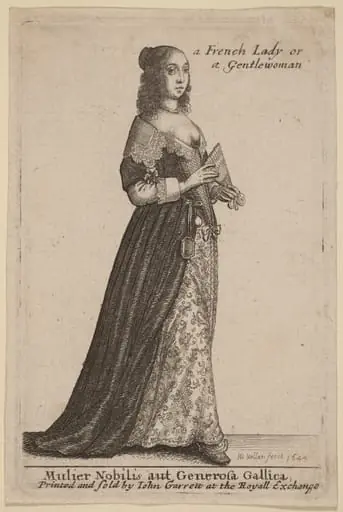 Mulier Nobilis aut Generosa Gallica