Artwork
Scene from William Shakespeare's 'Henry VI'
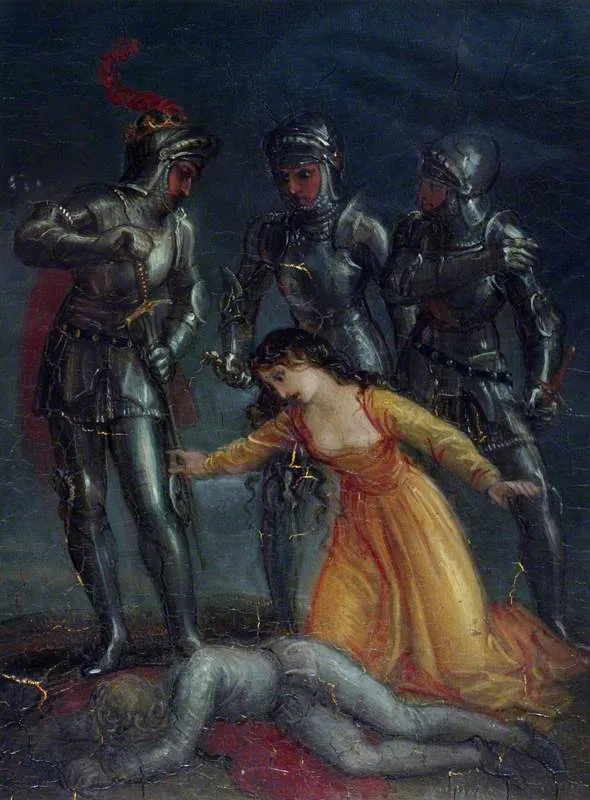
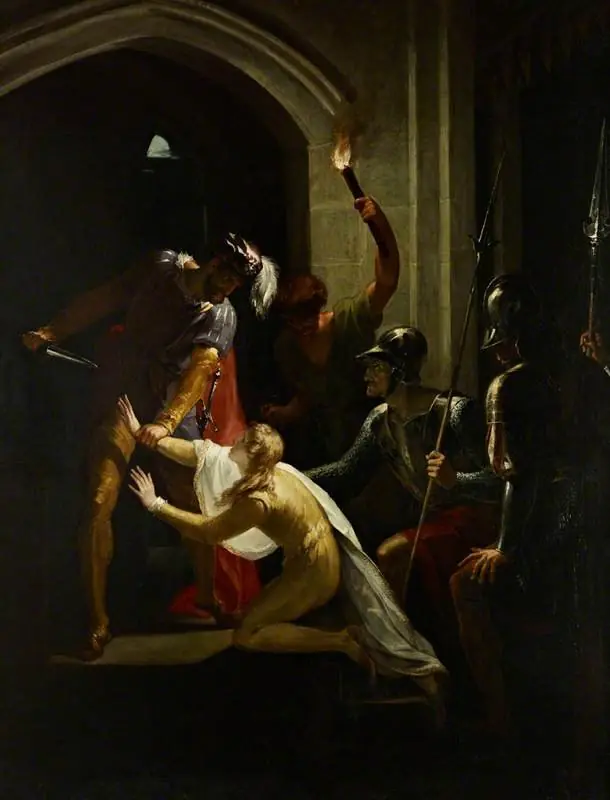
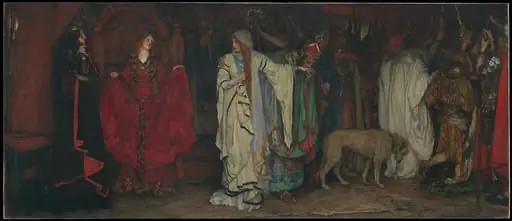
Scene from William Shakespeare's 'Henry VI' is an oil painting by the Neoclassicist artist Thomas Stothard. It dates from 1795 and is held in the collection of the Victoria and Albert Museum.
About this work
Overview
Painted in 1795 by British artist Thomas Stothard, this oil-on-canvas work illustrates a moment from Shakespeare’s 'Henry VI.
Painted in 1795 by British artist Thomas Stothard, this oil-on-canvas work illustrates a moment from Shakespeare’s 'Henry VI.' Stothard, known for his illustrations and engravings, applied his narrative sensibility to this historical drama. The painting is now part of the Victoria and Albert Museum’s collection, where it reflects late 18th-century British interest in literary subjects rendered with emotional clarity and formal restraint.
Subject & Meaning
The scene captures a moment of grief and tension: a woman in yellow kneels beside a fallen man, her gesture both pleading and resigned. Three armored figures loom around them, their rigid postures suggesting political or military deliberation. The composition emphasizes the vulnerability of the woman against the cold authority of the men, evoking themes of loss, power, and the personal cost of political conflict as portrayed in Shakespeare’s history.
Technique & Style
Stothard employed oil paint to create a controlled, theatrical atmosphere. The woman’s bright yellow dress contrasts sharply with the muted blues and grays of the background, drawing focus to her emotional center. Figures are rendered with precise outlines and subdued modeling, reflecting neoclassical ideals of clarity and order. Lighting is even and diffuse, minimizing dramatic chiaroscuro in favor of narrative legibility and compositional balance.
History & Provenance
The painting was completed in 1795 and entered the Victoria and Albert Museum’s collection in the 19th century. It was not commissioned for a specific patron but likely produced as part of Stothard’s broader engagement with literary themes. His son, Robert T. Stothard, also became a painter, later creating works tied to royal events, though this painting remains a distinct example of the father’s early career focus on Shakespearean drama.
Context
In the 1790s, British artists increasingly turned to Shakespeare for subject matter, viewing his plays as culturally significant and morally resonant. Stothard’s work aligns with this trend, blending literary illustration with the prevailing neoclassical aesthetic. Unlike theatrical depictions emphasizing spectacle, this painting favors quiet solemnity, reflecting a growing preference for introspective, emotionally grounded interpretations of historical narratives.
Legacy
While Thomas Stothard is better remembered today for his book illustrations, this painting stands as a significant example of his independent artistic ambition. It contributes to the broader 18th-century movement that elevated Shakespearean scenes to the status of serious art. The work continues to be studied for its nuanced portrayal of gender, authority, and tragedy within the conventions of neoclassical painting.
Artist & collection
Artist
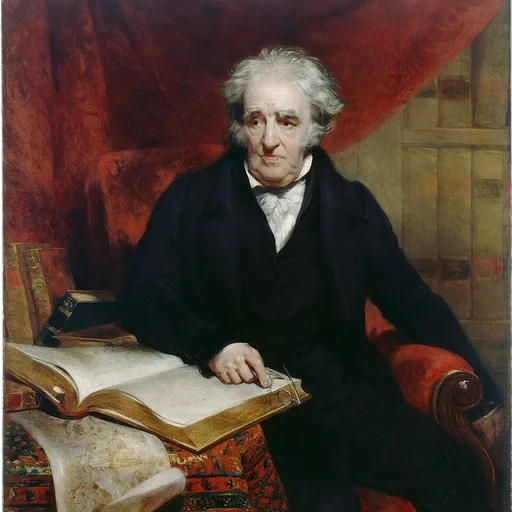
Thomas Stothard (17 August 1755 – 27 April 1834) was a British painter, illustrator and engraver.

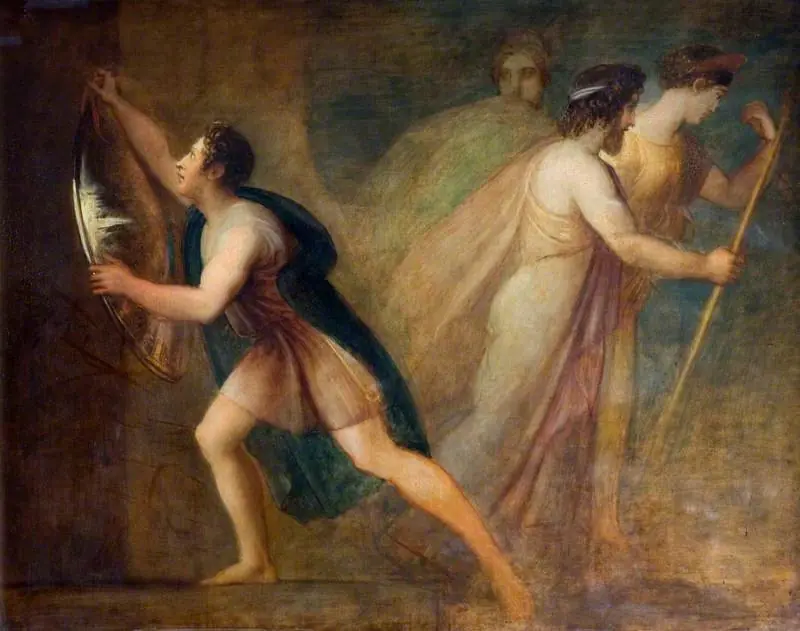 Orestes Hanging up the Shield of Agamemnon
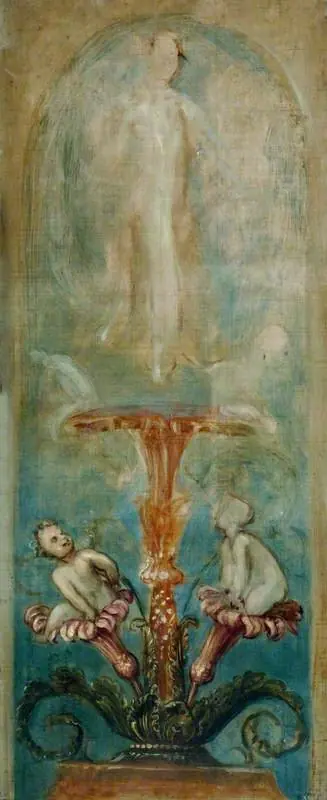 Arabesque Decoration with a Female Figure (sketch)
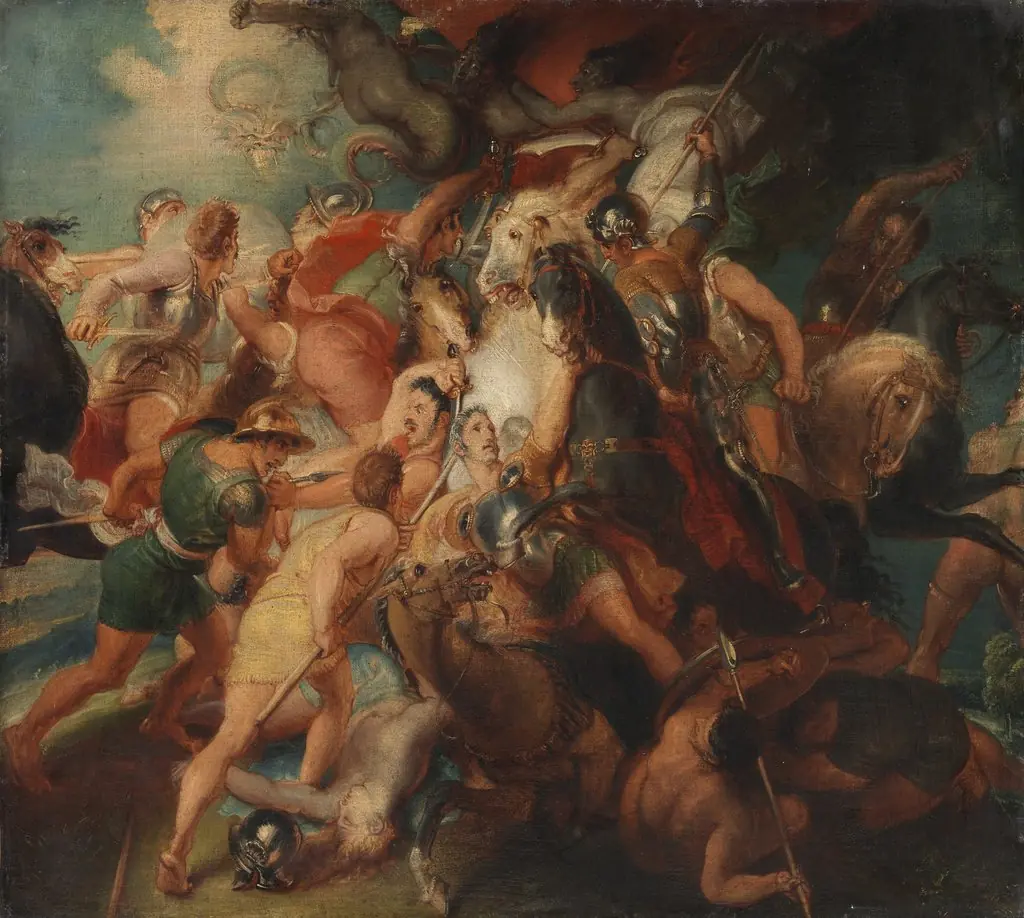 The Horrors of War, Sketch for Burghley House Mural
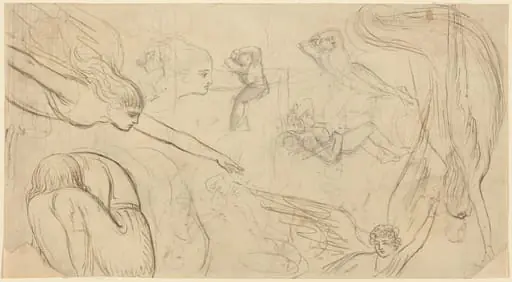 Sheet of Studies with Angels and Cowering Figures (Illustration for Macklin's Bible?)
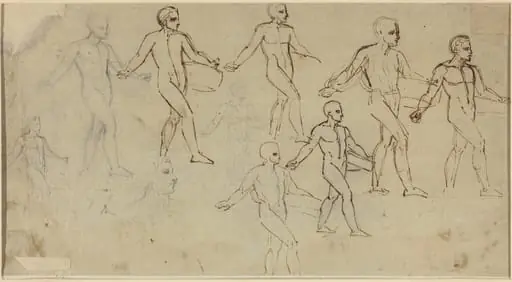 Studies of a Sower (Illustration for Thomson's _Seasons_)
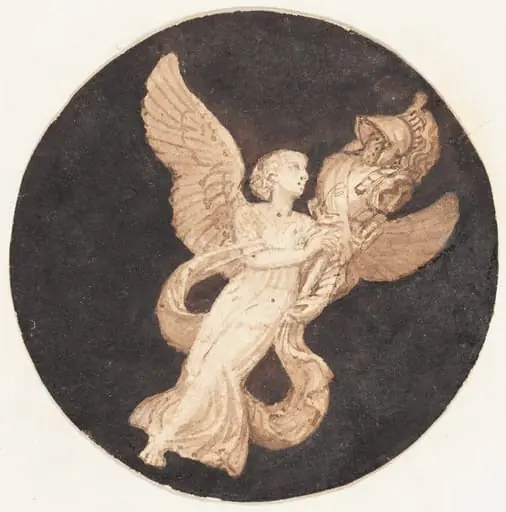 Vignette for a Title Page: "Winged Victory"
![Design for a Book Illustration of Circe and Odysseus [recto], by Thomas Stothard](https://artifactworldgallery.com/img/thomas-stothard--design-for-a-book-illustration-of-circe-and-odysseus-recto--5bd59a6f73de4838-w320.webp) Design for a Book Illustration of Circe and Odysseus [recto]
Design for a Book Illustration of Circe and Odysseus [recto]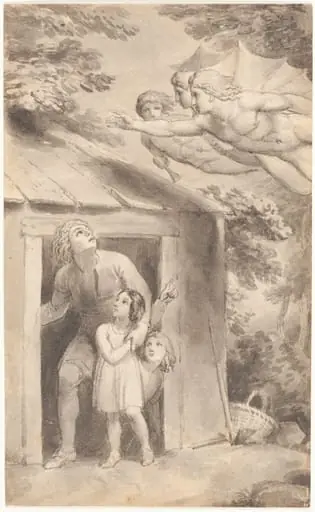 Peter and His Children Visited by Three Flying Figures
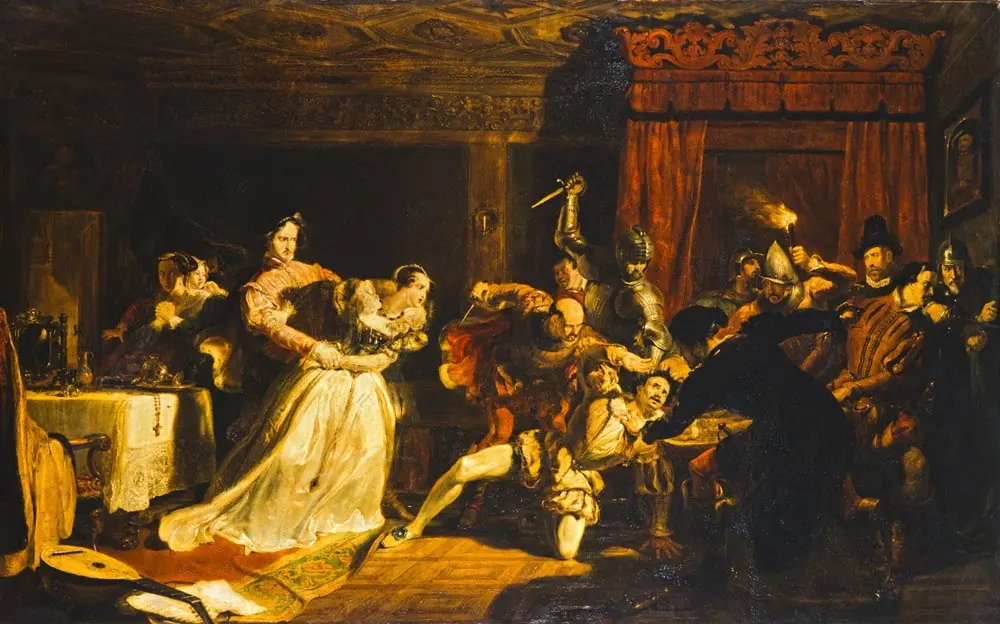 The Murder of David Rizzio
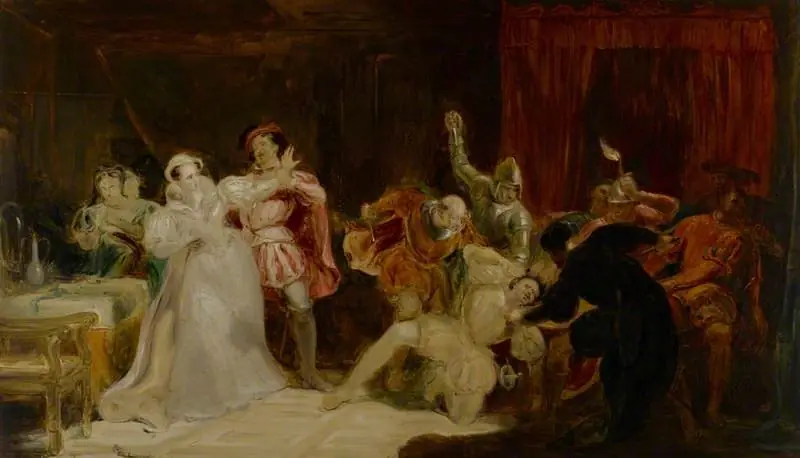 A Study for 'The Murder of David Rizzio' (NG 1677)
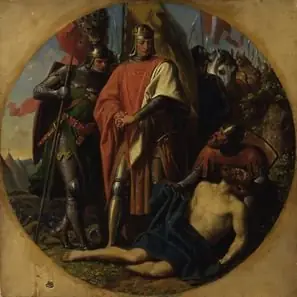 Rudolf I of Habsburg at the corpse of Ottokar near Dürnkrut in 1278
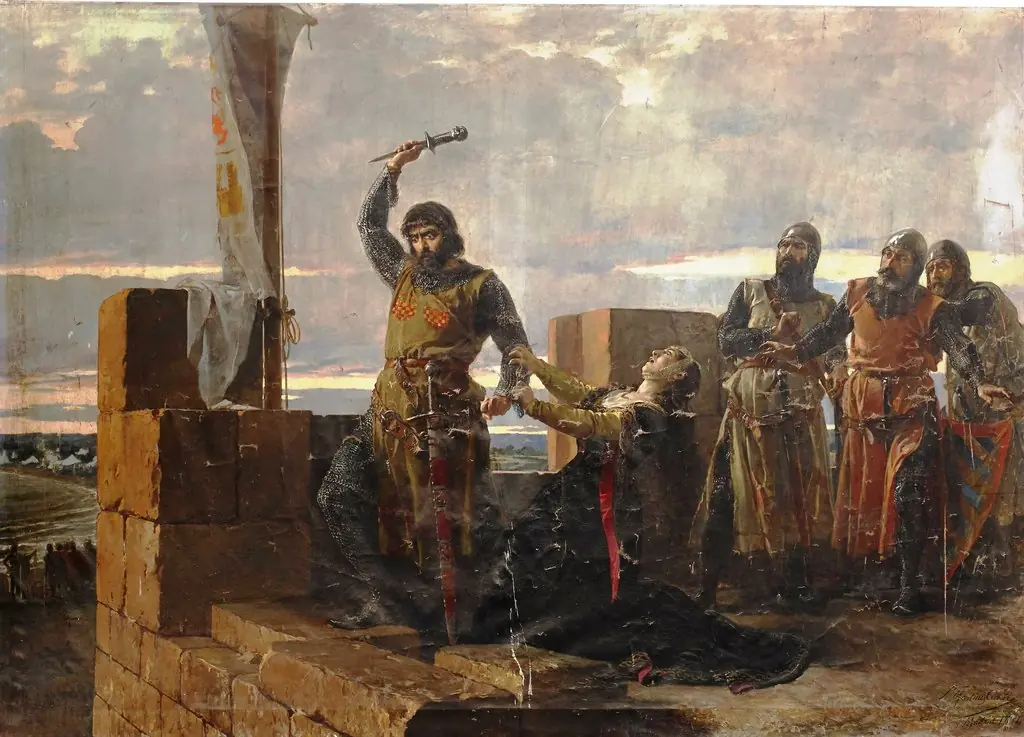 Guzmán el Bueno
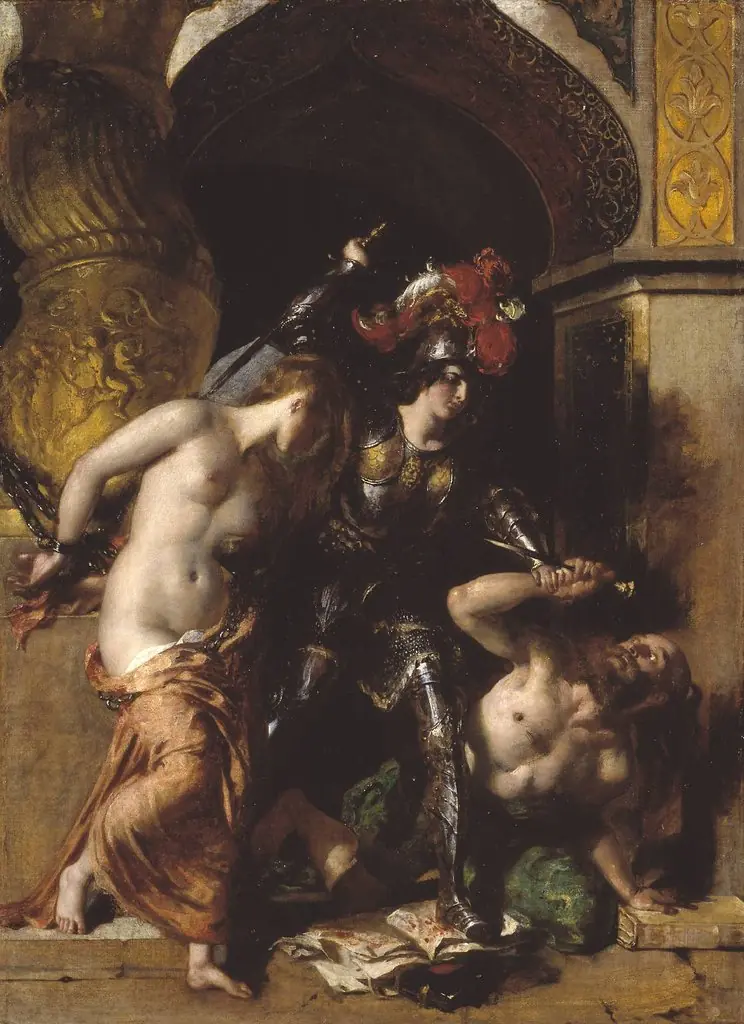 Britomart Redeems Faire Amoret
 Compoziție cu 5 personaje
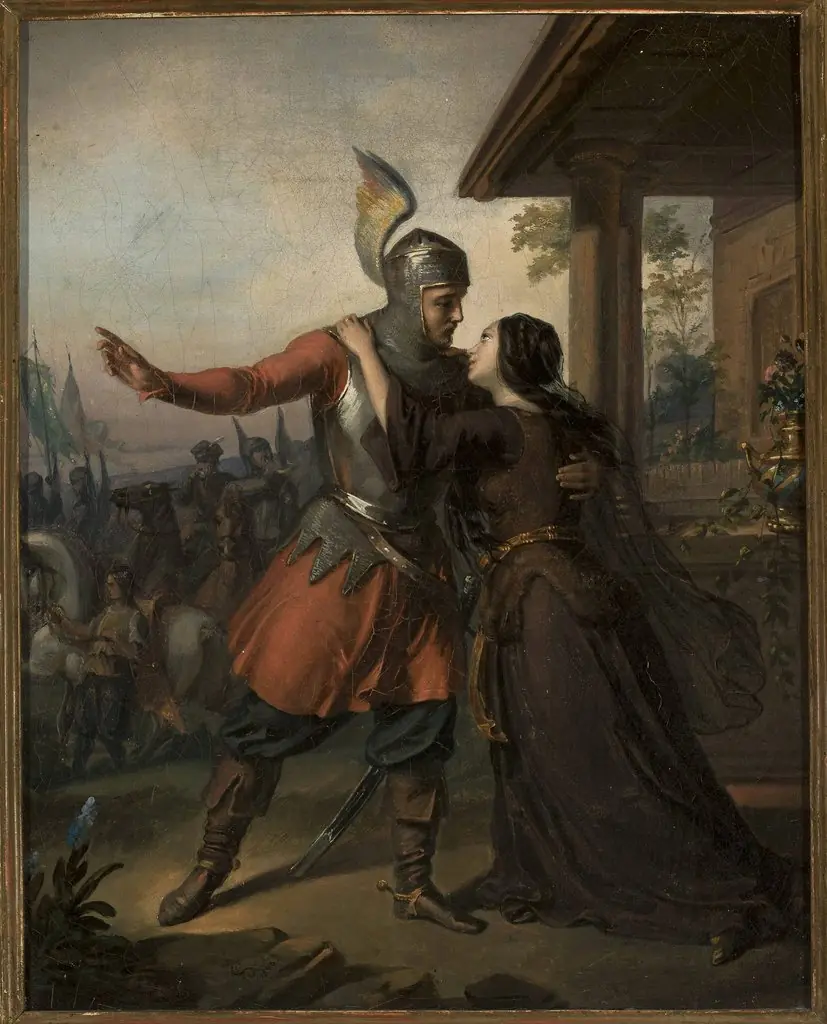 Wacław's farewell to Maria
 Appeal by Inês de Castro
 The Bride of Abydos
 The Death of Arthur
 Continence of Scipio
 "King Lear," Act I, Scene I