Artwork
Rudolf I of Habsburg at the corpse of Ottokar near Dürnkrut in 1278
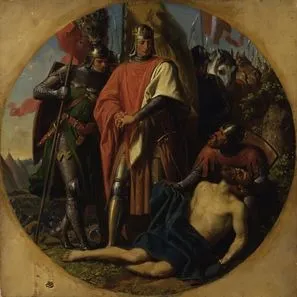
Rudolf I of Habsburg at the corpse of Ottokar near Dürnkrut in 1278 is an oil painting by Karl von Blaas. It dates from 1868 and is held in the collection of the Kunsthistorisches Museum.
About this work
Overview
Karl von Blaas’s 1868 oil canvas, titled *Rudolf I of Habsburg at the corpse of Ottokar near Dürnkrut in 1278*, belongs to the collection of Vienna’s Kunsthistorisches Museum. The work captures a pivotal medieval encounter, rendered in a restrained palette that emphasizes the gravity of the moment.
Subject & Meaning
The composition centers on King Rudolf I, robed in red and white, standing solemnly over the slain King Ottokar II. A spear‑bearing knight and a horse appear in the background, underscoring the martial context. The painting conveys the somber aftermath of the 1278 battle, reflecting themes of power, loss, and the transition of authority.
Technique & Style
Executed in oil on canvas, von Blaas employs muted earth tones and careful modeling to create a sense of depth without dramatic chiaroscuro. The figures are rendered with precise anatomical detail, while the overall lighting is even, reinforcing the scene’s contemplative mood rather than theatrical drama.
History & Provenance
Created in the late nineteenth century, the canvas reflects von Blaas’s interest in historic and religious subjects. Shortly after its completion, the painting entered the holdings of the Kunsthistorisches Museum, where it has remained on public display, contributing to the museum’s representation of Austrian historical narrative art.
Context
The depicted event marks the decisive clash at Dürnkrut, where Rudolf I secured the Habsburg claim to the Austrian throne after defeating Ottokar II. Von Blaas, an Austrian portraitist, chose this episode to illustrate a formative moment in the nation’s medieval history, aligning with nineteenth‑century historicist trends in European painting.
Artist & collection
Artist
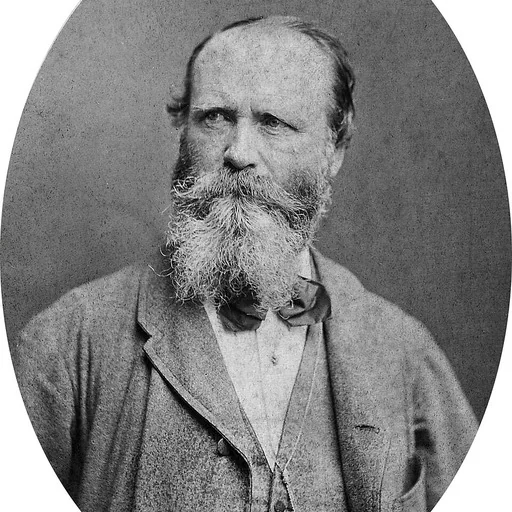
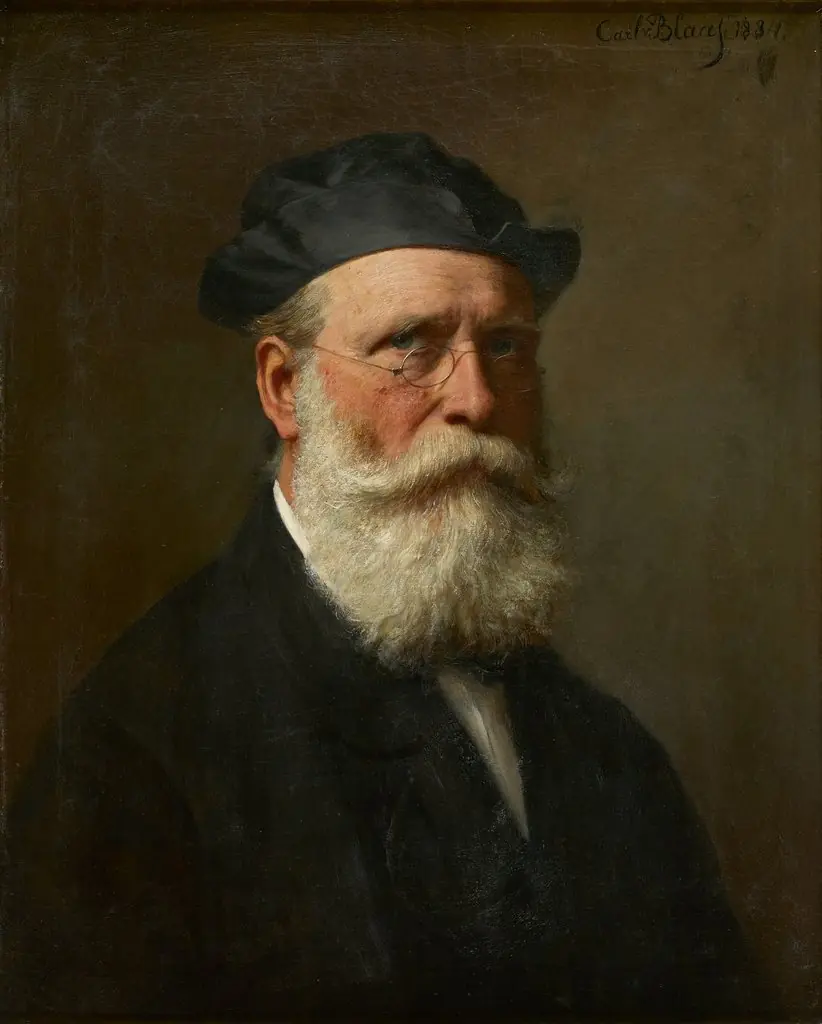
Karl von Blaas (28 April 1815 – 19 March 1894) was an Austrian painter known for his portraits and religious compositions executed on canvas as well as in the form of frescoes.

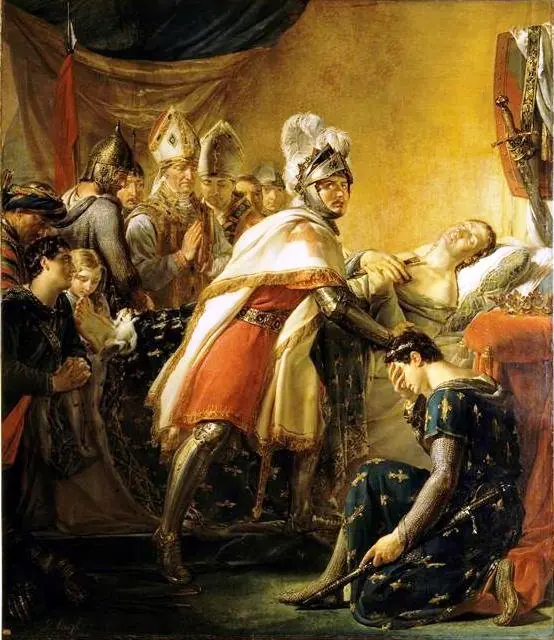 Mort de Saint Louis devant Tunis, 25 août 1270
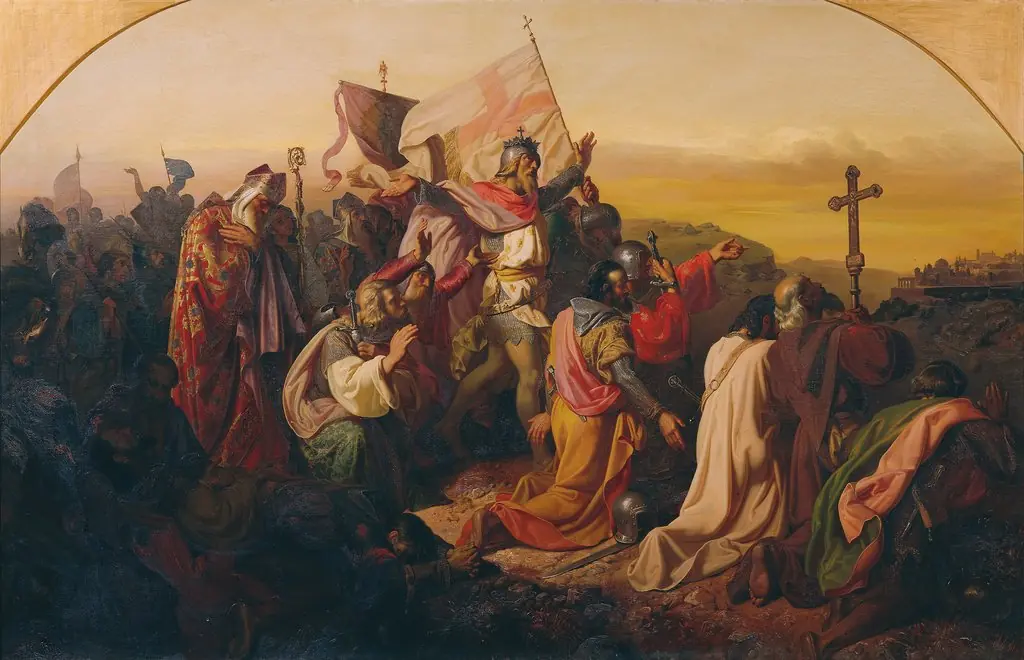 Gottfried von Bouillon und Kreuzfahrer
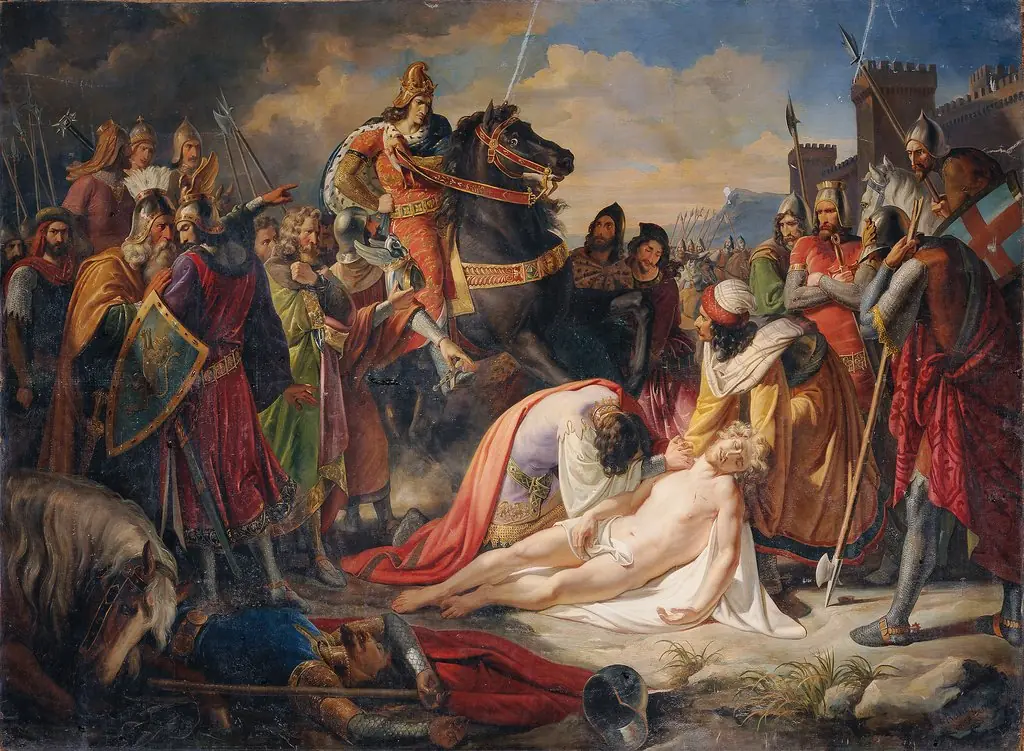 Karl I. von Anjou an der Leiche Manfreds nach der Schlacht von Benevent am 26. Februar 1266
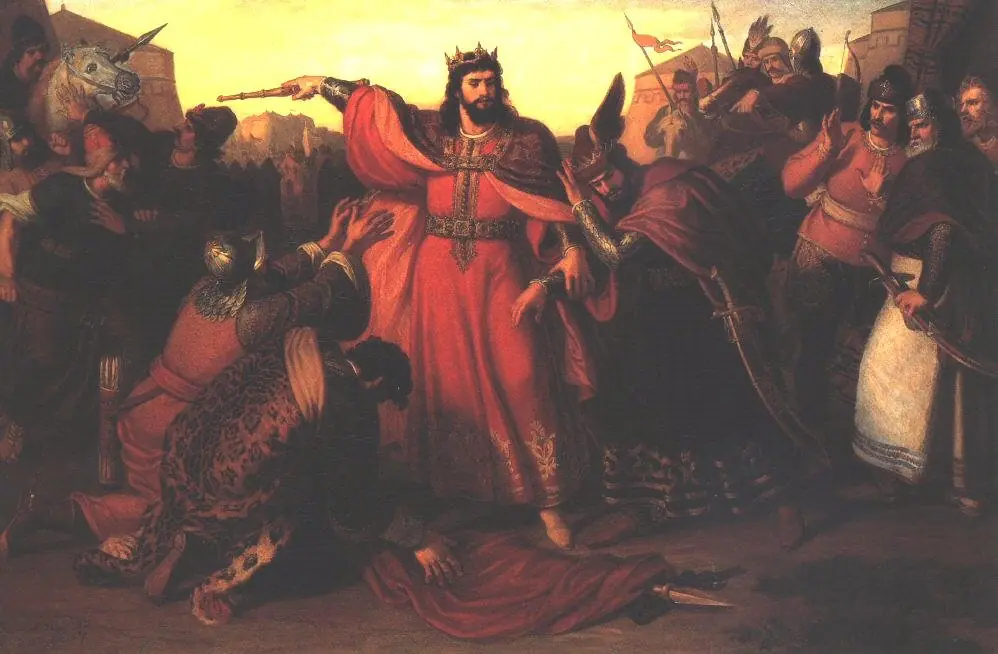 King Imre Captures his Factional Brother, Endre
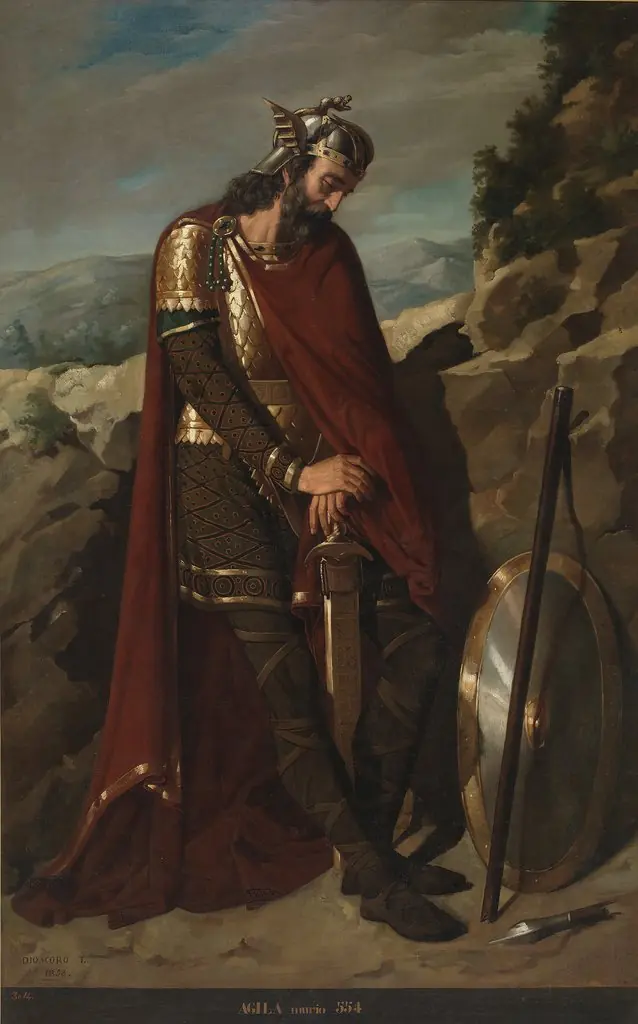 Agila I
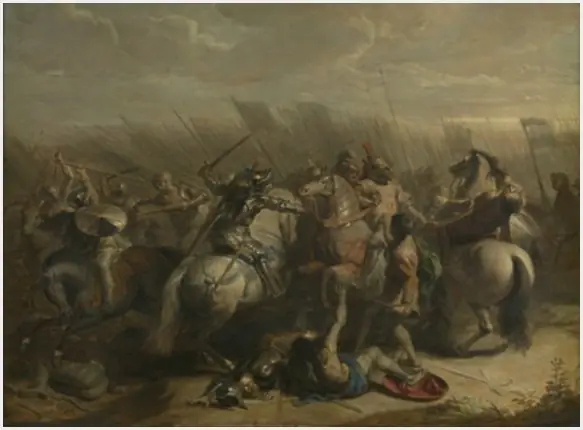 Legendary Battle of the Torriani and Visconti - the Capture
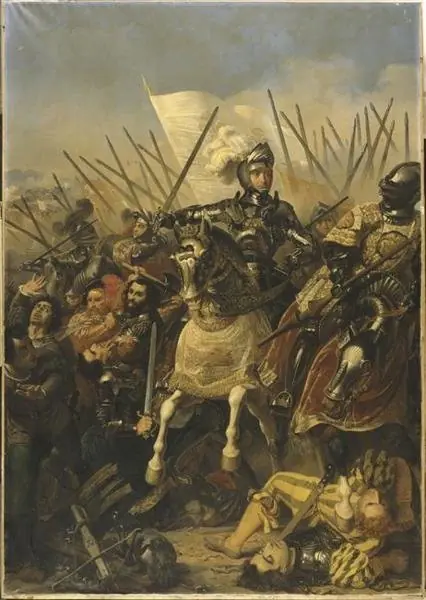 Battle of Agnadel, 14th May 1509
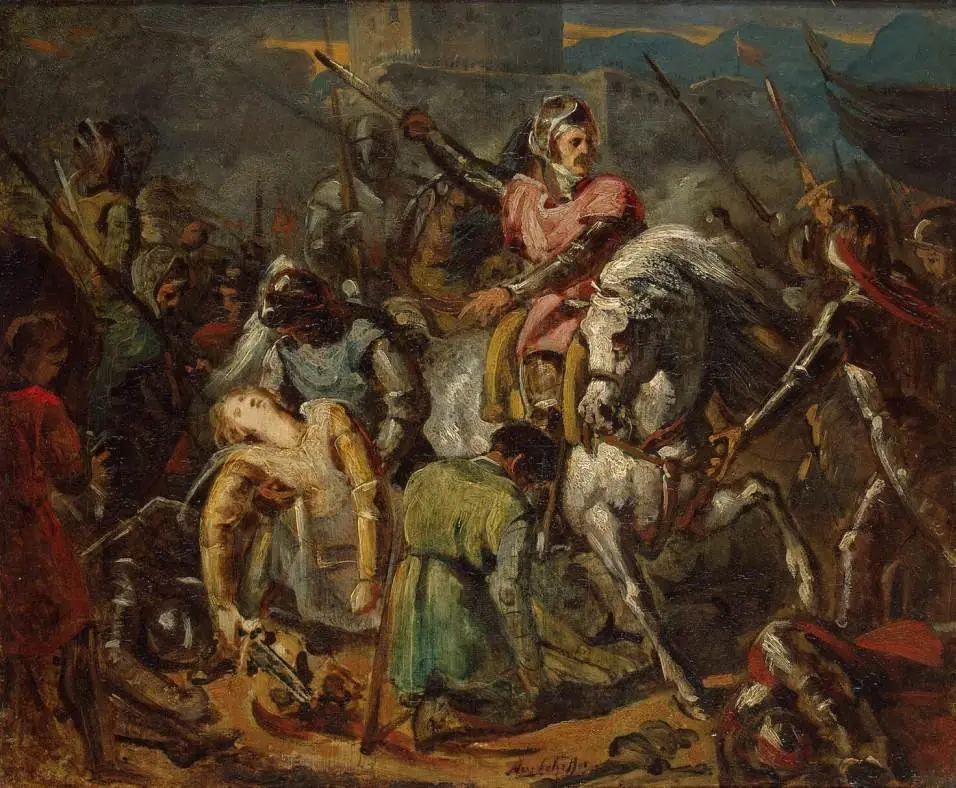 Death of Gaston de Foix in the Battle of Ravenna on 11 April 1512
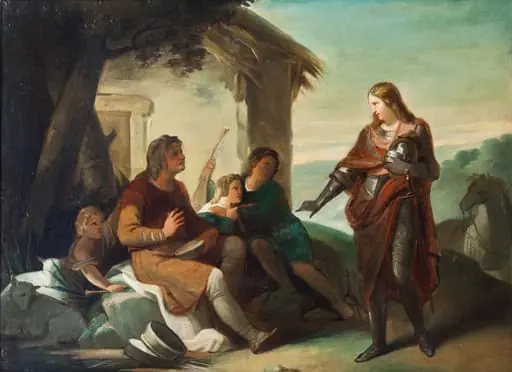 Compoziție cu 5 personaje
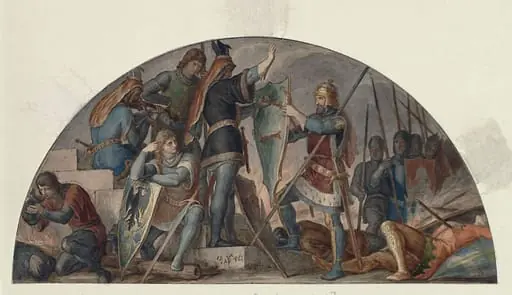 Rudiger gives his shield to Hagen
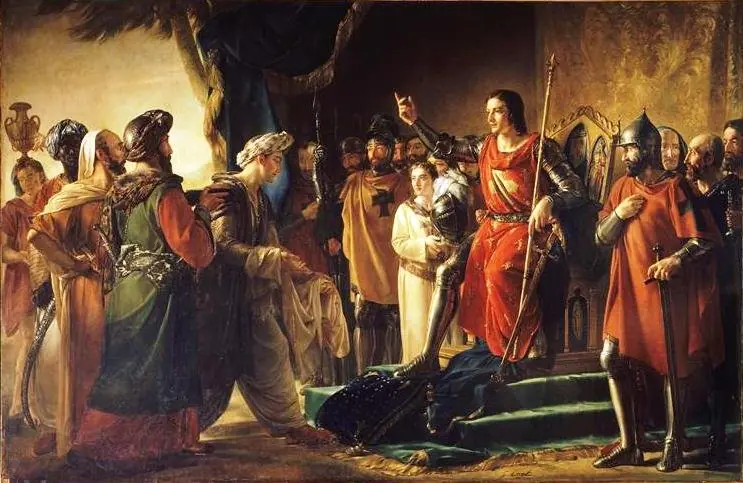 Saint Louis recoit à Ptolemais les envoyes du Vieux de la Montagne, 1251
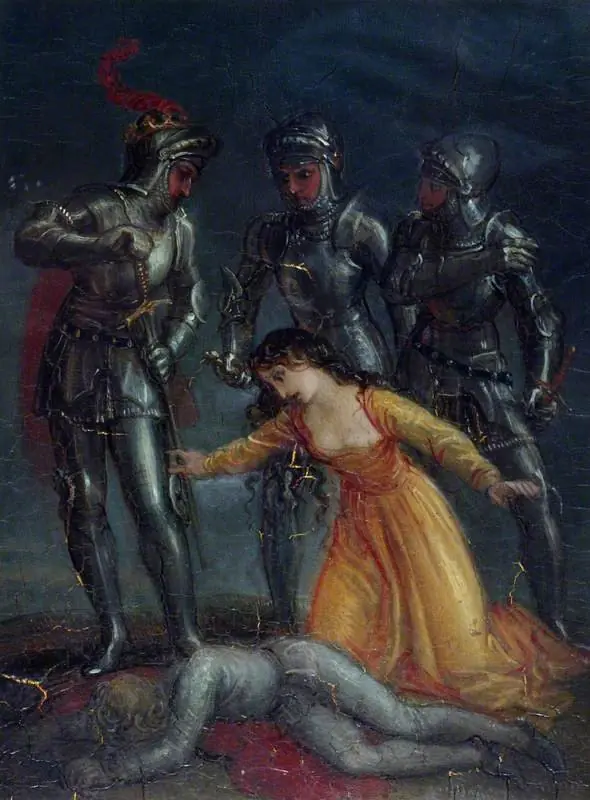 Scene from William Shakespeare's 'Henry VI'