Artwork
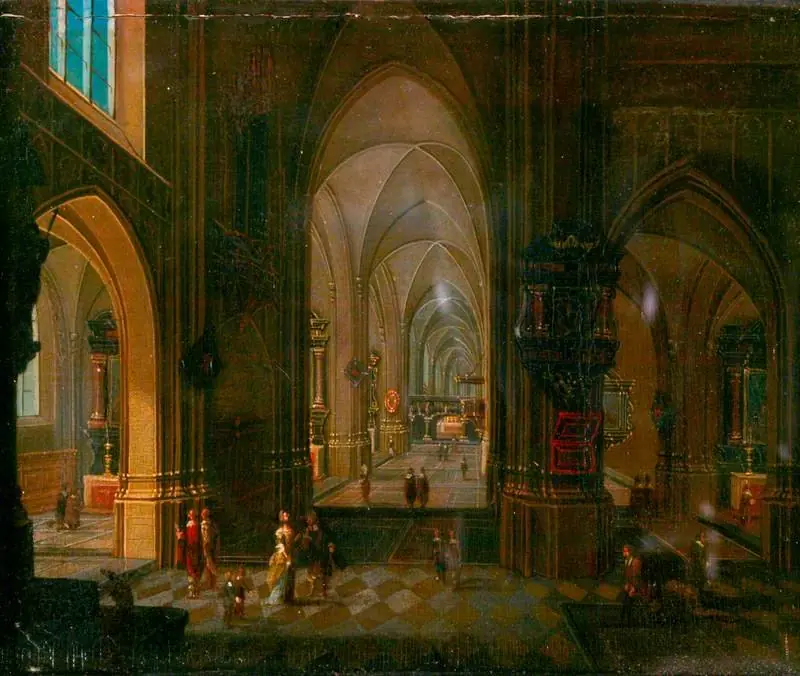
Interior from the Church Saint Thibault in Bourgogne
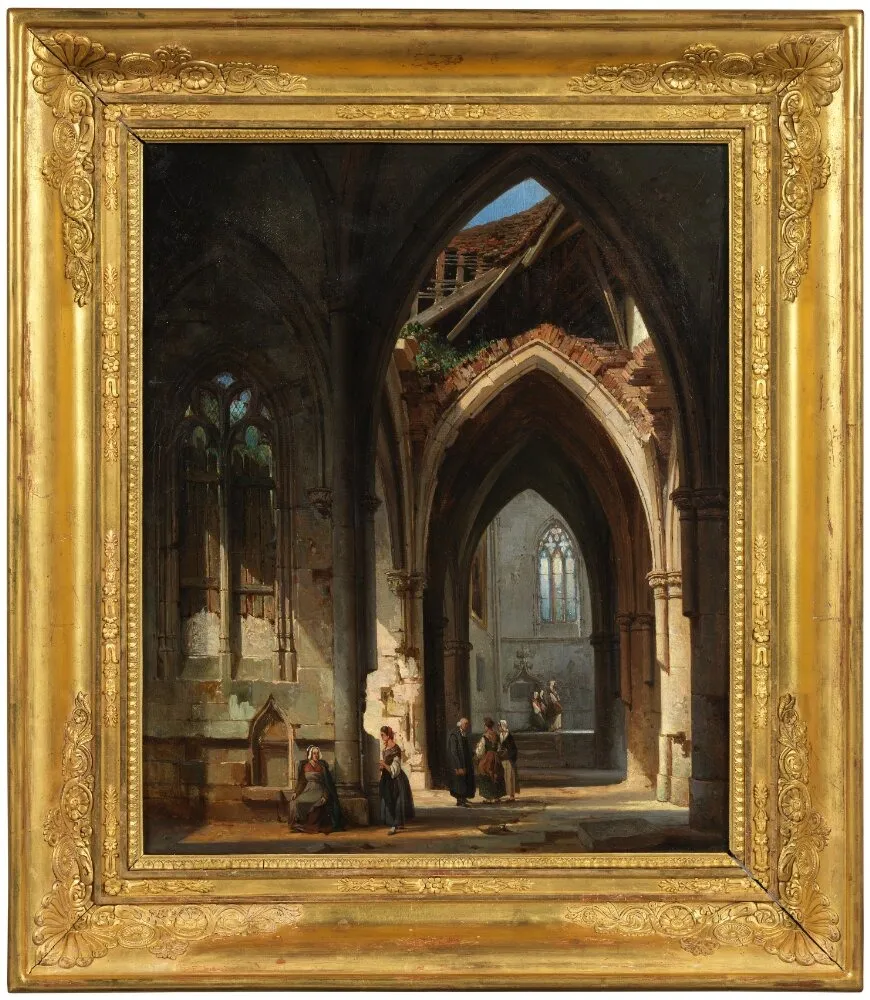
Interior from the Church Saint Thibault in Bourgogne is an oil painting by Étienne Bouhot. It dates from 1830 and is held in the collection of the Nationalmuseum.
About this work
Overview
Bouhot, an educator and painter active in Semur-en-Auxois, focused on architectural interiors with quiet realism.
Painted around 1830 by Étienne Bouhot, this oil work captures the interior of Saint-Thibault Church in Burgundy. Bouhot, an educator and painter active in Semur-en-Auxois, focused on architectural interiors with quiet realism. The piece is part of the Nationalmuseum’s collection and reflects a regional interest in sacred spaces during the early 19th century, blending topographical accuracy with atmospheric tone.
Subject & Meaning
The painting portrays a modest group of individuals near the church’s entrance, dressed in dark, everyday garments. Their presence suggests private devotion or quiet conversation, not ceremonial activity. The absence of clergy or ritual objects emphasizes personal reflection. The dim, enclosed space reinforces a sense of solitude within communal worship, inviting contemplation rather than spectacle.
Technique & Style
Bouhot employed subtle gradations of light to model the stone walls and vaulted arches, using limited color to enhance the somber mood. The floor and clothing are rendered with restrained tonality, while the high windows introduce faint, diffused illumination. Brushwork is precise but unobtrusive, prioritizing spatial coherence over decorative detail, aligning with the quiet realism common in French regional painting of the period.
History & Provenance
Created during Bouhot’s tenure at the École de Dessin in Semur-en-Auxois, the painting likely originated as a study or personal work. It entered the Nationalmuseum’s collection in the 19th century, possibly through acquisition or donation. No record of exhibition or public display prior to its museum acquisition exists, suggesting it remained a private or pedagogical piece before institutional recognition.
Context
In early 19th-century France, interest in regional architecture and vernacular religious spaces grew among artists and intellectuals. Bouhot’s work aligns with this trend, capturing churches not as monuments but as lived environments. Unlike grand historical or religious scenes, this interior reflects a quieter, more intimate cultural moment—one focused on the ordinary presence of faith in daily life.
Legacy
Though Bouhot is not widely known today, this painting contributes to a broader understanding of French regional art beyond major urban centers. It stands as a quiet example of how artists documented local sacred spaces with sincerity, avoiding idealization. Its preservation in a national collection underscores its value as a record of 19th-century spiritual and architectural culture.
Artist & collection
Artist
Étienne Bouhot (8 August 1780 – 17 July 1862) was a French painter and art teacher. Bouhot was born in Bard-lès-Époisses. He was the director of the École de Dessin (School of Drawing) in Semur-en-Auxois. He died in Semur-en-Auxois.

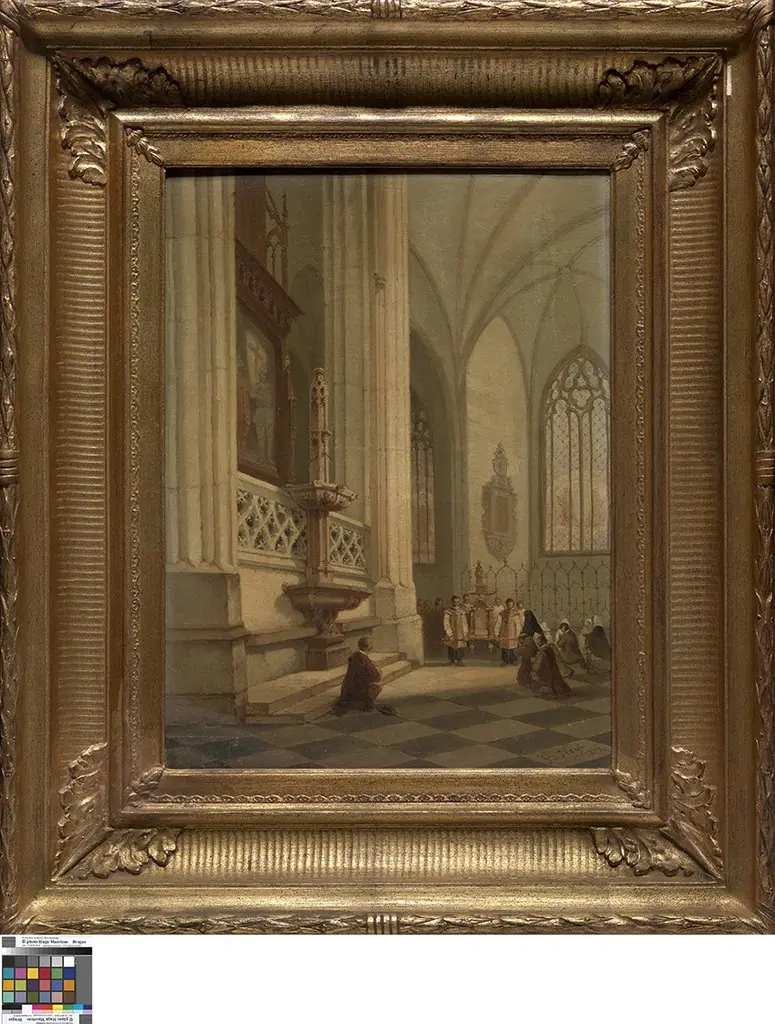 Absis van de kathedraal van Freiburg
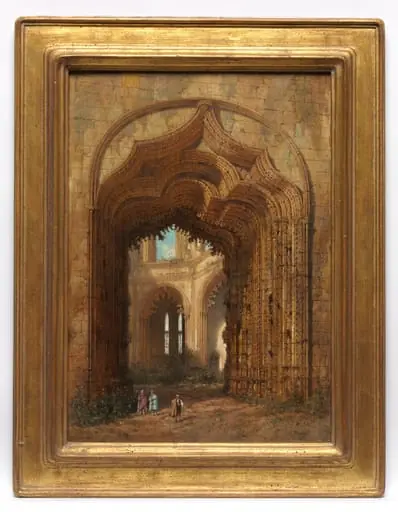 Ruined Church
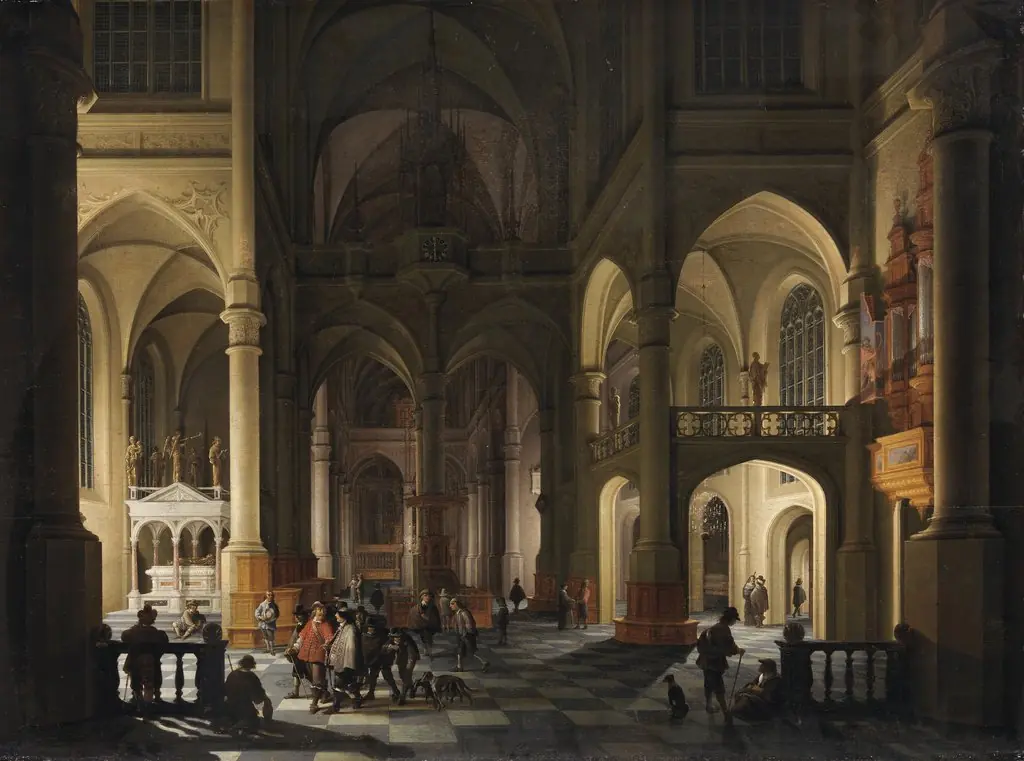 An Interior of a Church
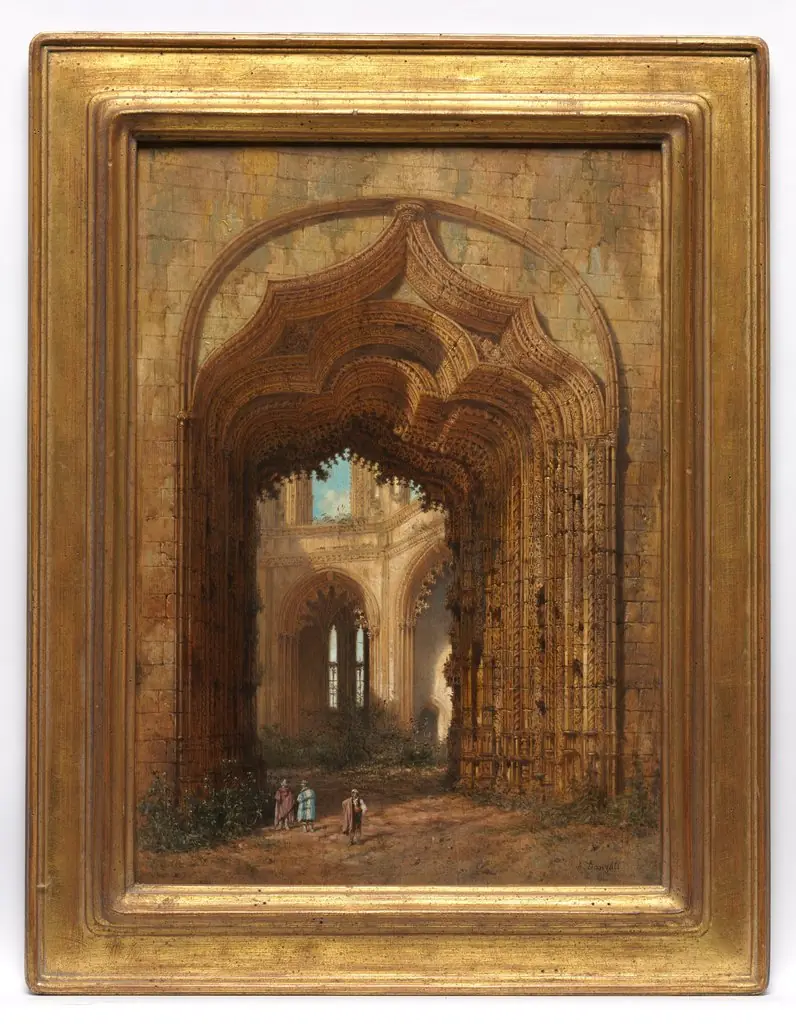 Ruined Church
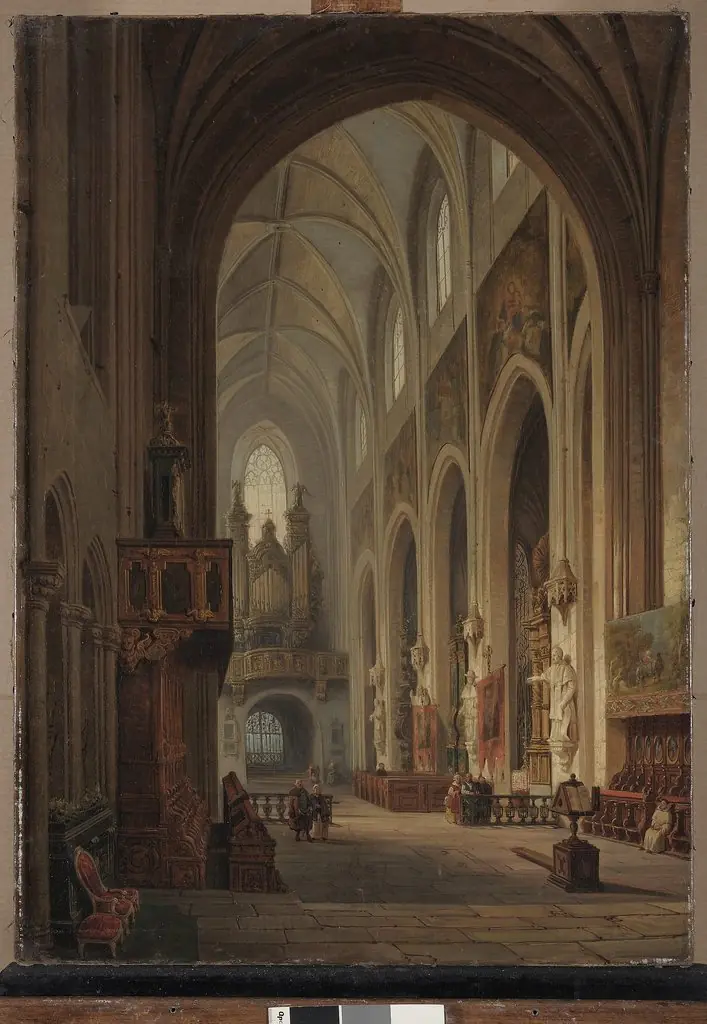 Interior of the Dominican Church in Kraków
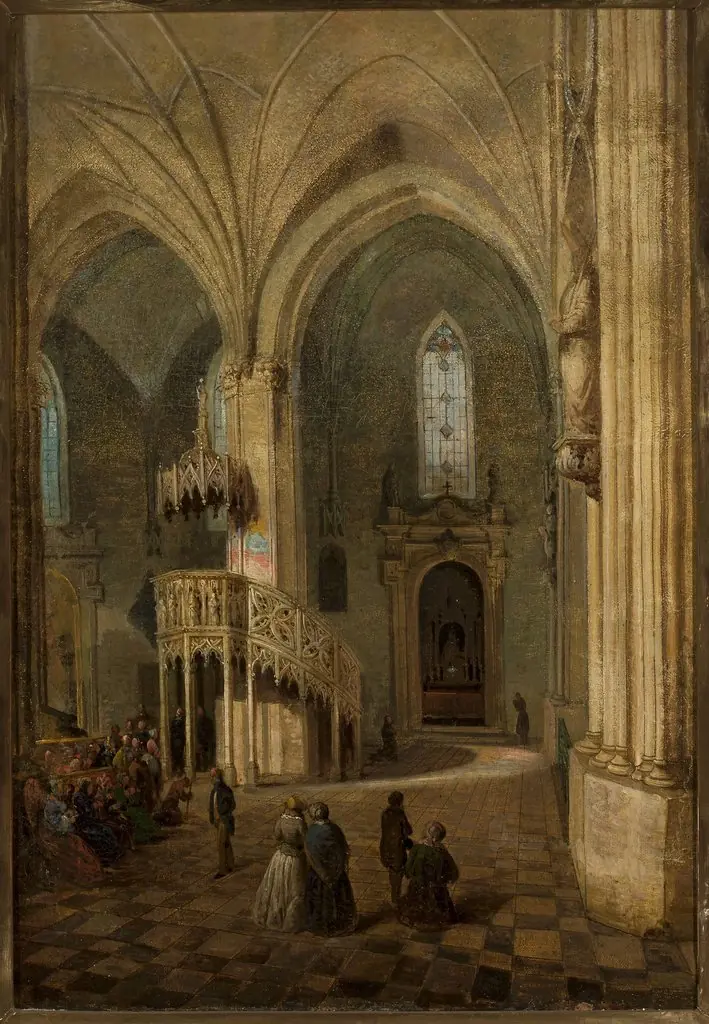 Interior of St. John’s Cathedral in Warsaw
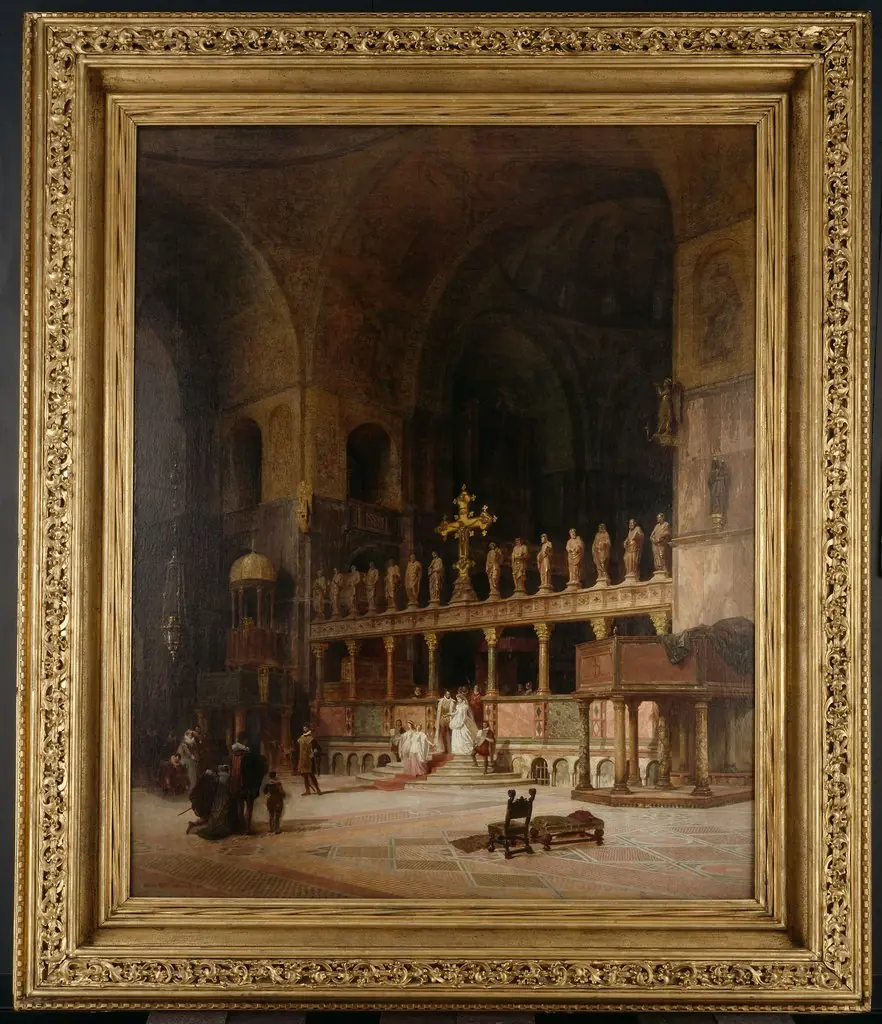 Interior of St. Mark's, Venice
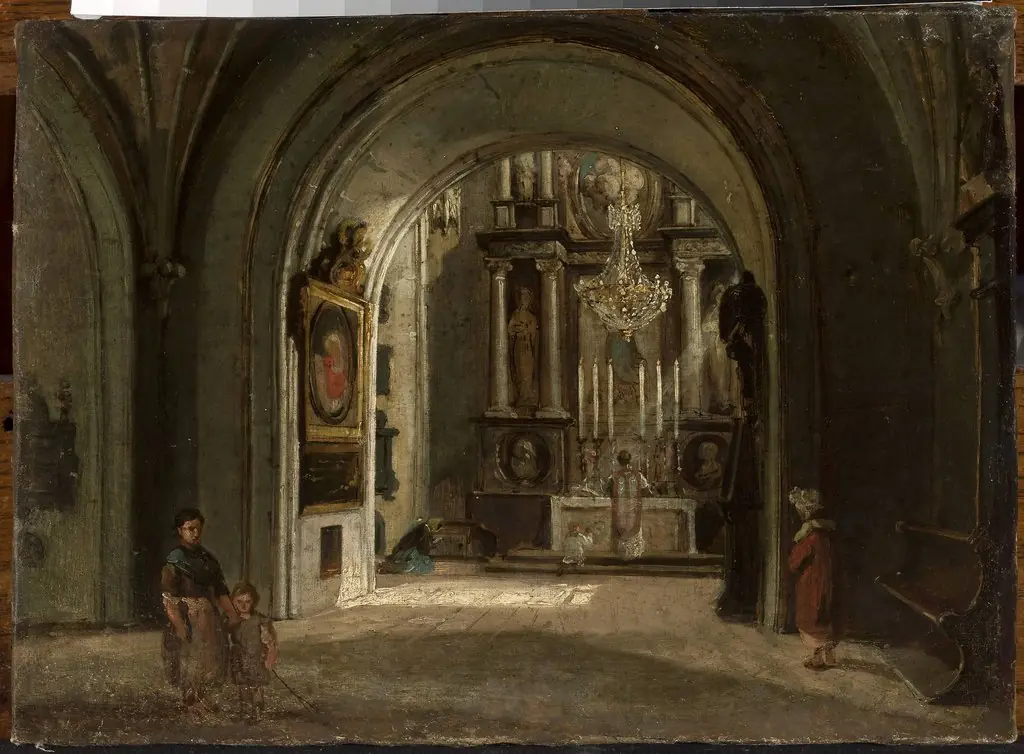 Interior of St. John’s church in Warsaw
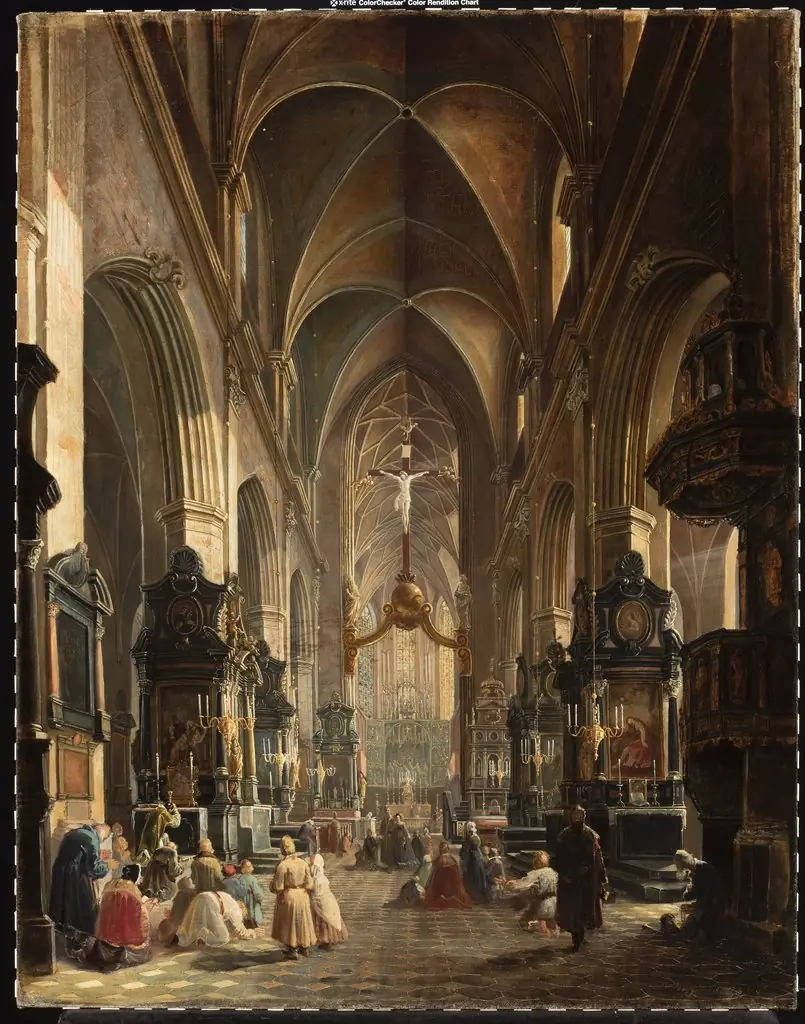 Interior of the Church of Virgin Mary in Kraków
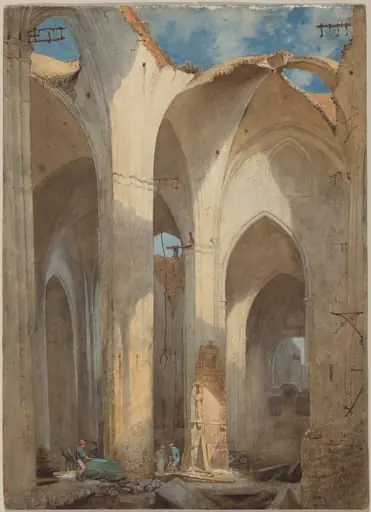 The Ruins of Saint Nicolai Church in Hamburg
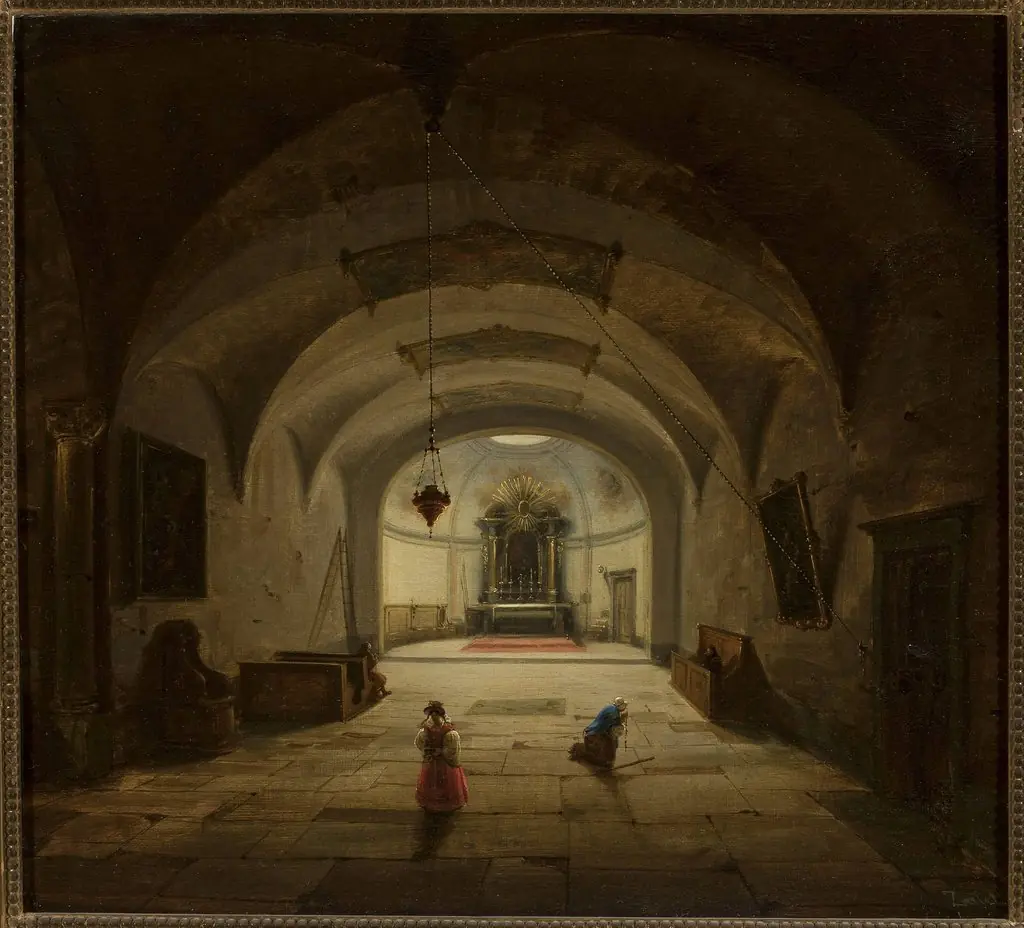 Interior of the subterranean chapel
 Interior of a Church