Artwork
Inconnue, dite autrefois Diane d’Andouins, comtesse de Gramont, ou la belle Corisande
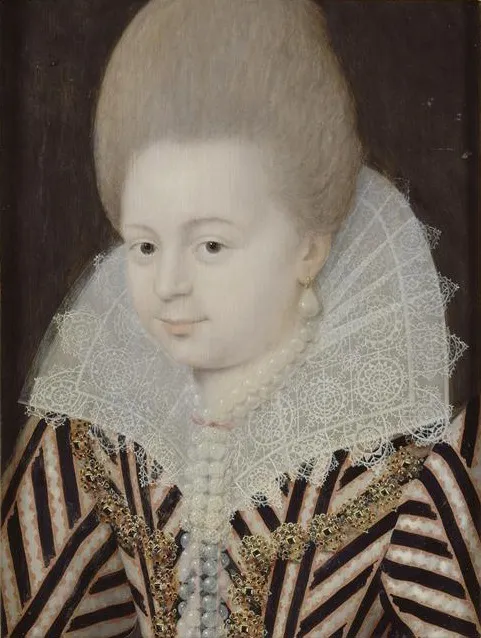
Inconnue, dite autrefois Diane d’Andouins, comtesse de Gramont, ou la belle Corisande is an oil painting by Étienne Dumonstier. It dates from 1581 and is held in the collection of the Palace of Versailles. Created circa 1581, this oil portrait presents a young woman of fair complexion, her blonde hair gathered in an elegant updo.
About this work
Overview
Created circa 1581, this oil portrait presents a young woman of fair complexion, her blonde hair gathered in an elegant updo. She is dressed in a black‑and‑white striped gown trimmed with gold, complemented by a white lace collar and a single strand of pearls. The figure is set against a deep, dark background that heightens the contrast and draws attention to her refined attire.
Subject & Meaning
The sitter’s identity has long been uncertain; she has been variously identified as Diane d’Andouins, comtesse de Gramont, or the legendary beauty Corisande. The portrait’s focus on luxurious dress and poised demeanor reflects the Renaissance ideal of aristocratic grace, emphasizing status and personal virtue through visual cues rather than narrative content.
Technique & Style
Executed in oil on canvas, the work demonstrates the meticulous brushwork characteristic of French court portraiture in the late sixteenth century. Fine modeling of skin tones and the subtle sheen of the gold accents reveal a mastery of light effects, while the dark ground creates a three‑dimensional presence that isolates the figure from any surrounding context.
History & Provenance
The painting is attributed to Étienne Dumonstier, a portraitist trained in François Clouet’s workshop and known for his commissions from the French monarchy. It entered the collection of the Palace of Versailles, where it remains part of the museum’s holdings of Renaissance portraiture.
Context
Dumonstier worked during a period when French court artists were tasked with producing images that reinforced royal authority and noble lineage. Portraits such as this one served both as personal commemorations and as visual affirmations of the social hierarchy that defined the late Valois era.
Artist & collection
Artist
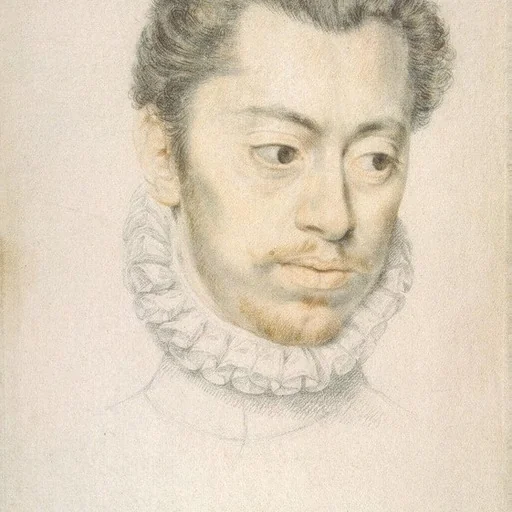
French painter Étienne Dumonstier worked in oils during the late 1500s. His Gallery Tiles bundle includes Portrait of a Woman and another oil painting identified as Q122972267. Both sit squarely in the portrait…

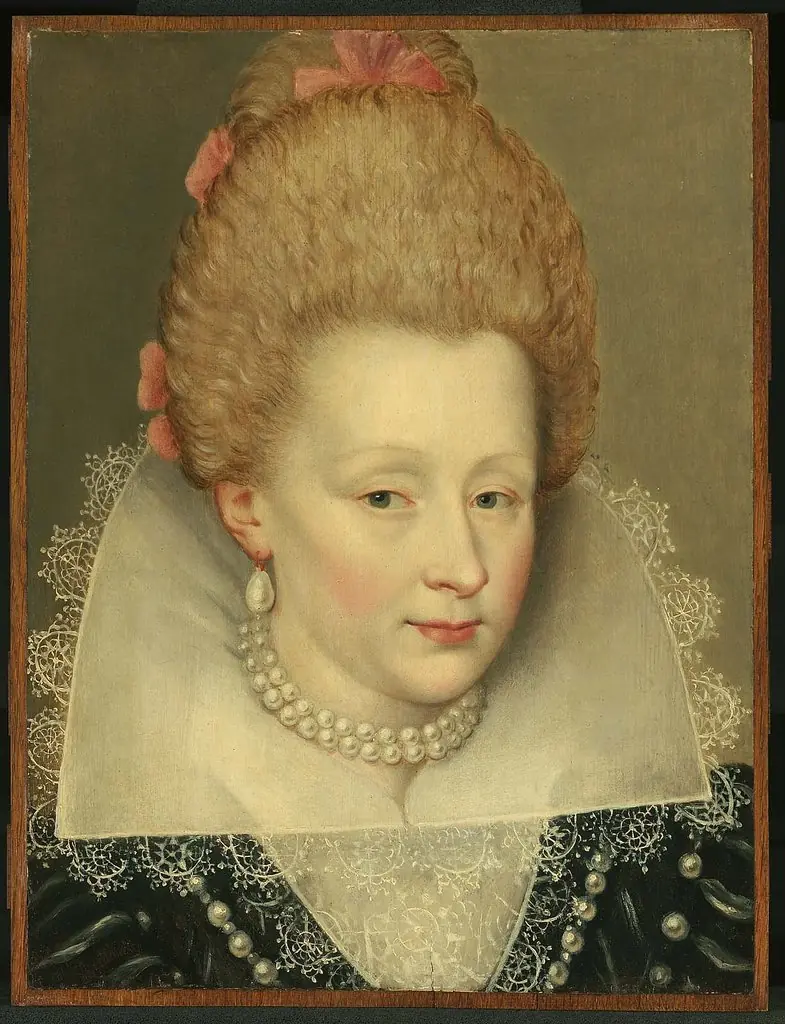 Portrait of a Woman
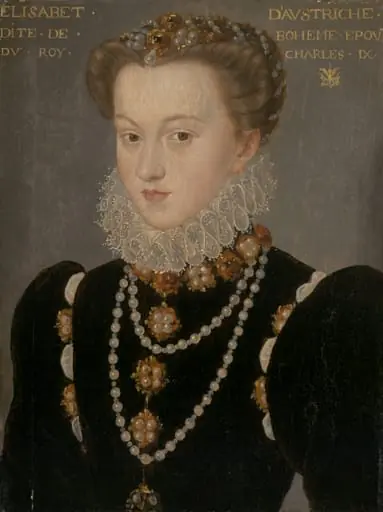 Portrait of Elizabeth of Austria, Wife of King Charles IX of France
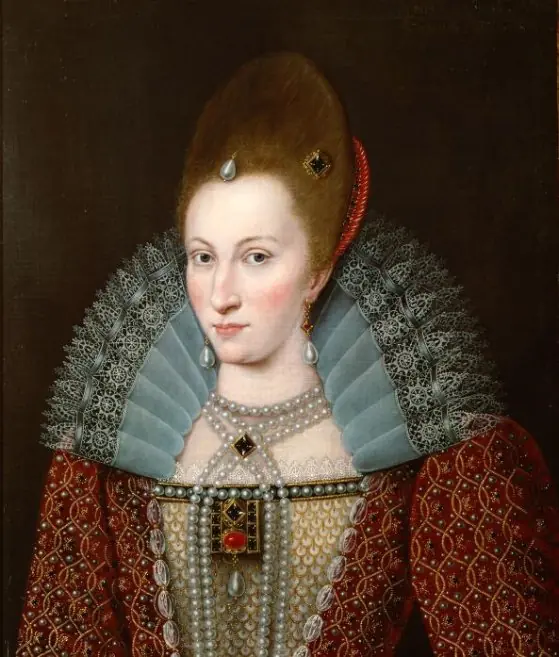 Anna von Dänemark (1574-1619), Königin von England, Brustbild
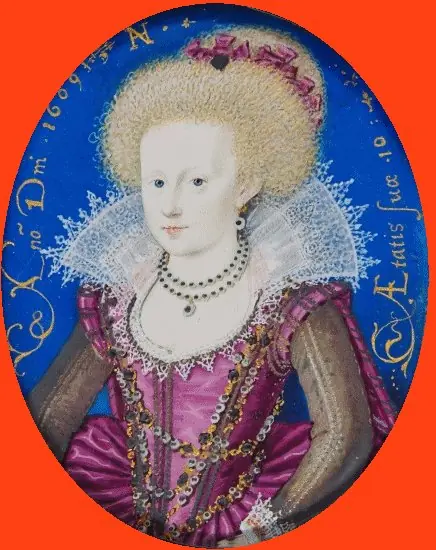 Portrait of an Unknown Girl, Aged 10
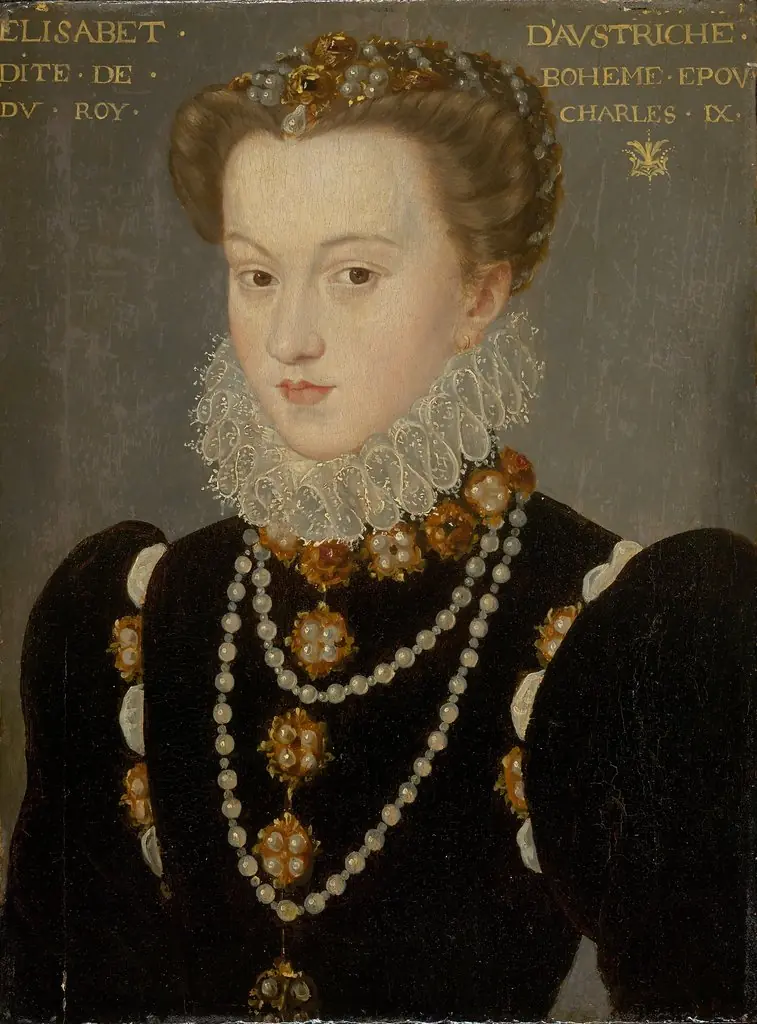 Portrait of Elizabeth of Austria, Wife of King Charles IX of France
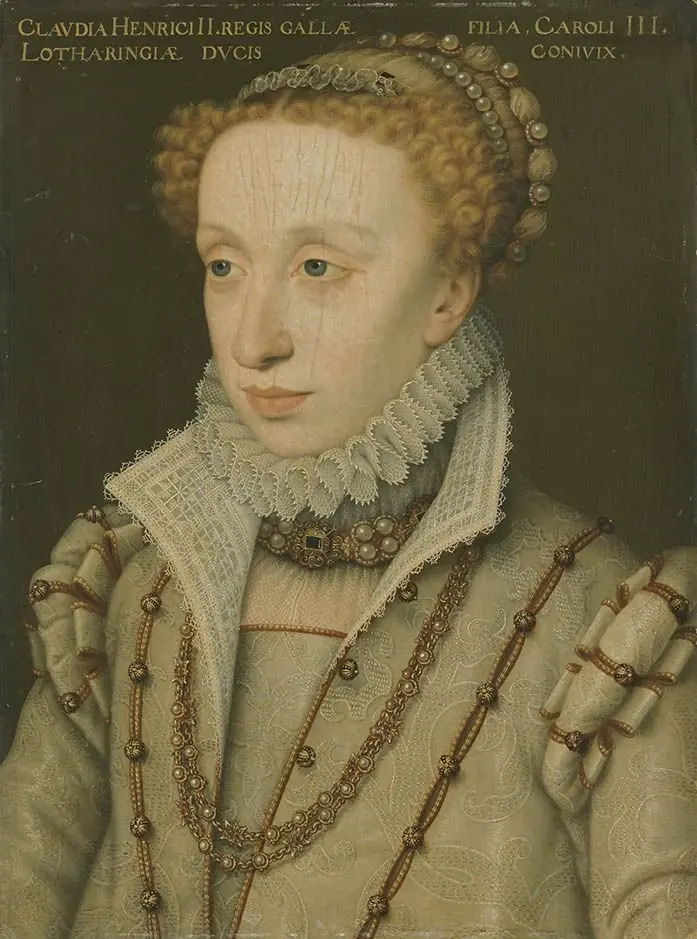 Portrait of Claudia de Valois (1547-1575)
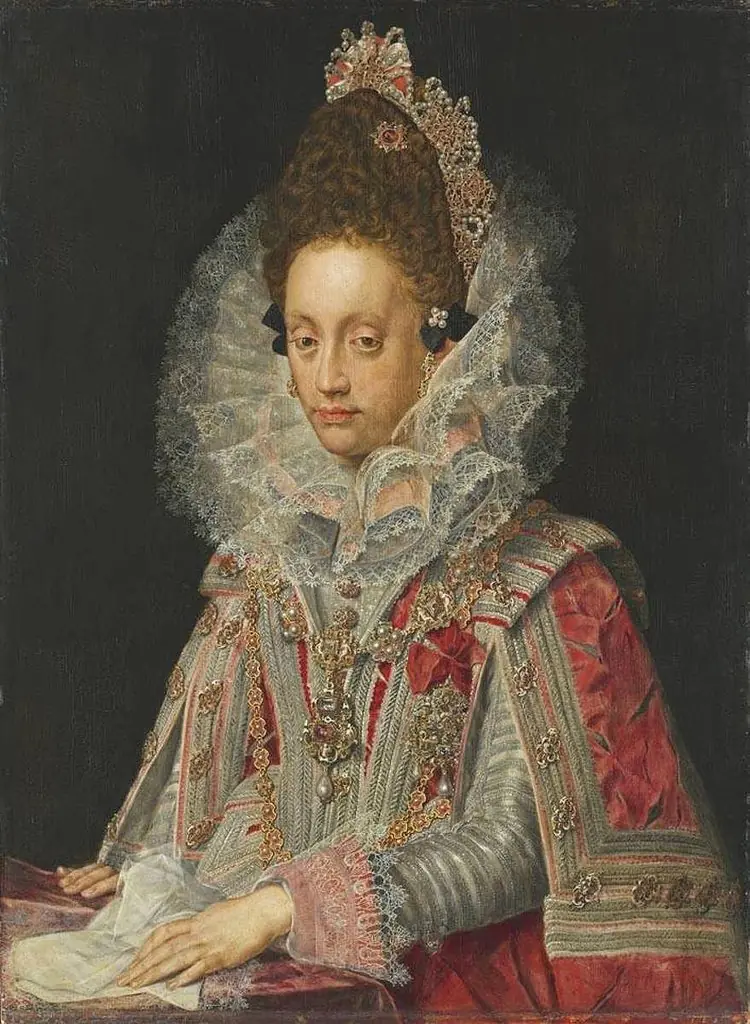 Bildnis der Herzogin Magdalena von Bayern, Gemahlin Herzog Wolfgang Wilhelms von Pfalz-Neuburg, im Hochzeitsstaat (1597-1628)
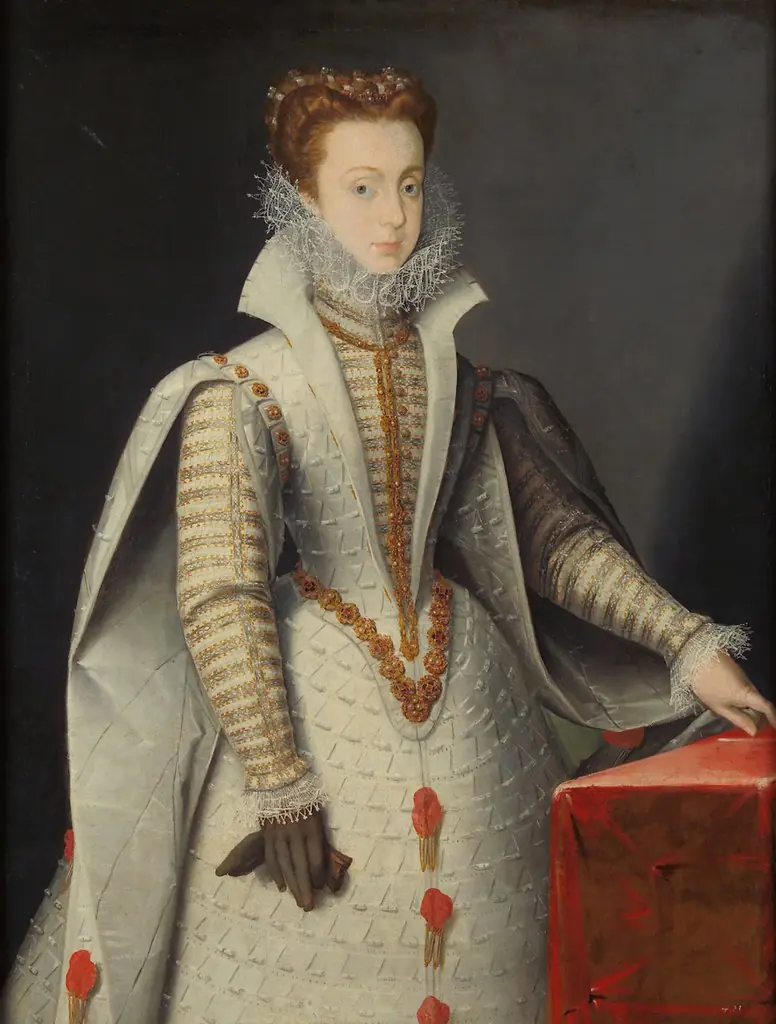 Herzogin Margarete von Joyeuse (1564-1625), Dreiviertelbildnis
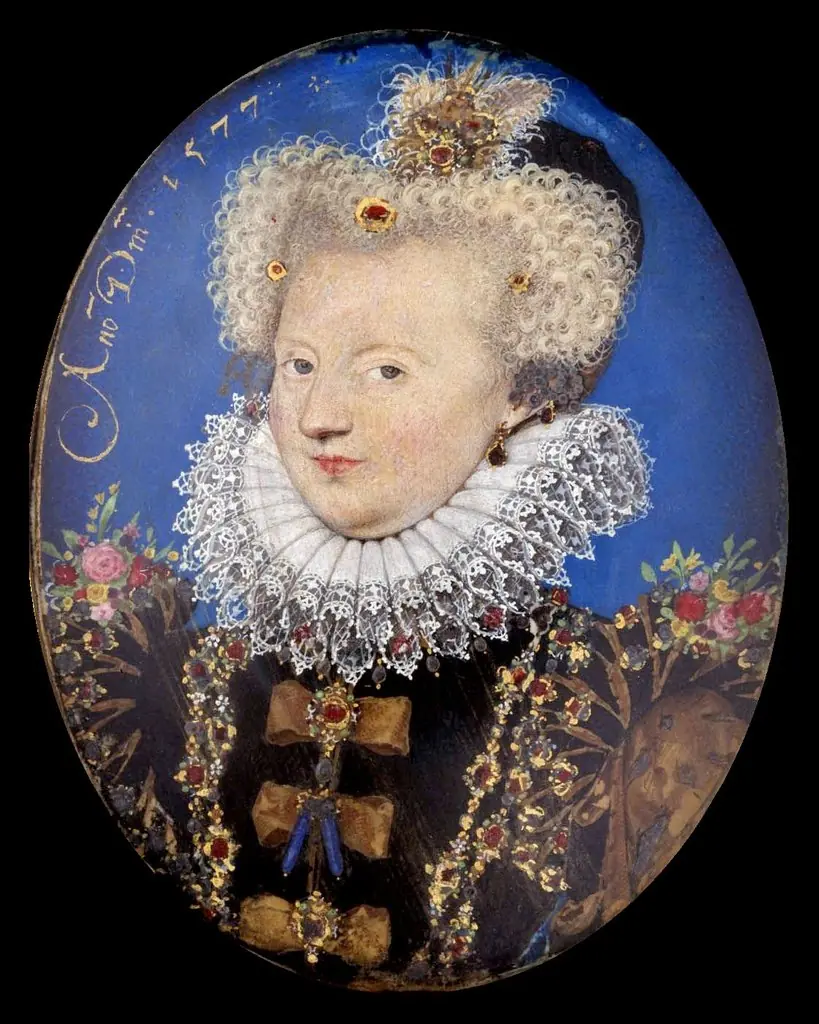 Marguerite of Valois, Queen of Navarre
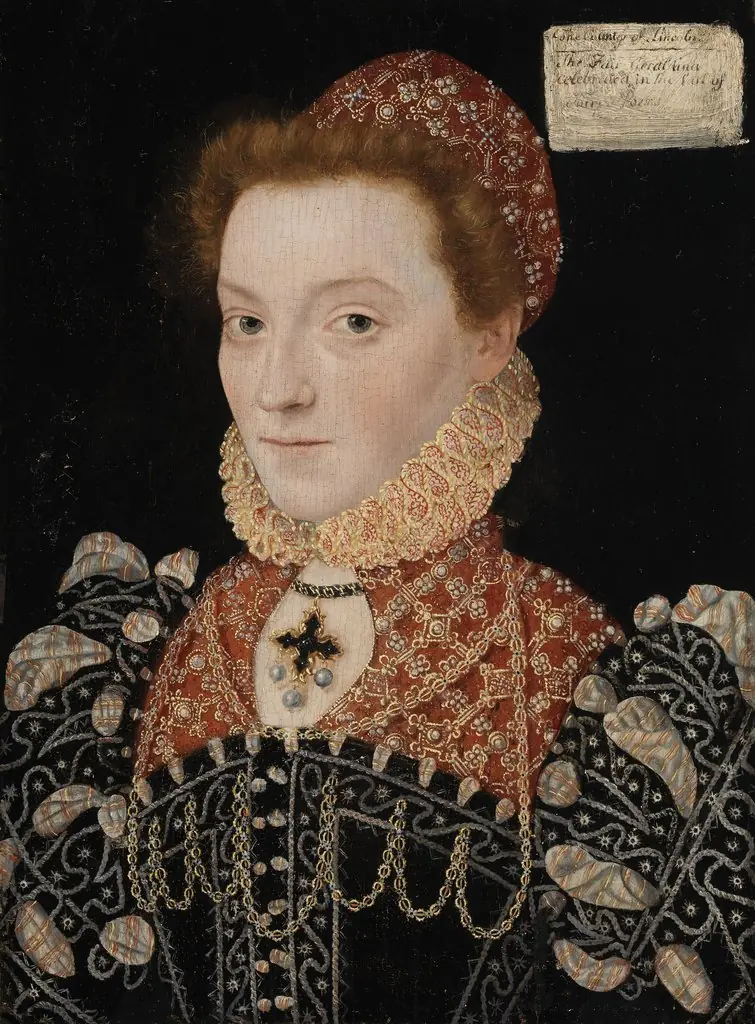 Portrait of 'The Fair Geraldine' (Elizabeth Fitzgerald, Countess of Lincoln, c1528-1590)
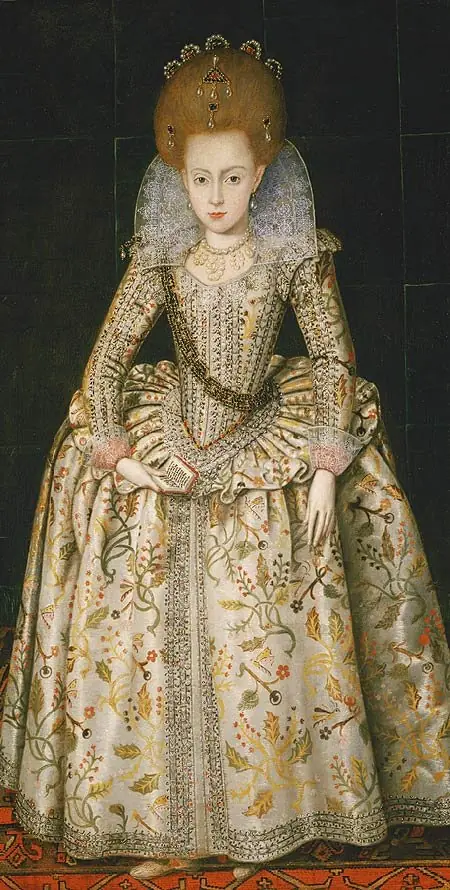 Princess Elizabeth (1596–1662), Later Queen of Bohemia
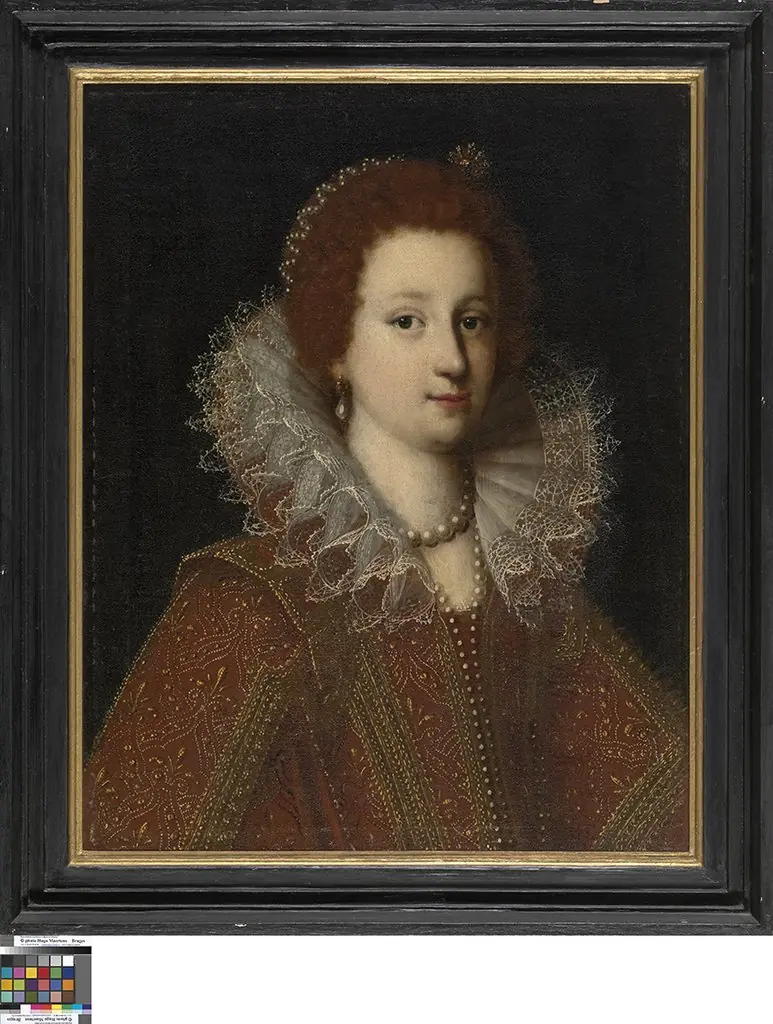 Portret van een vrouw