Artwork
Buna Vestire
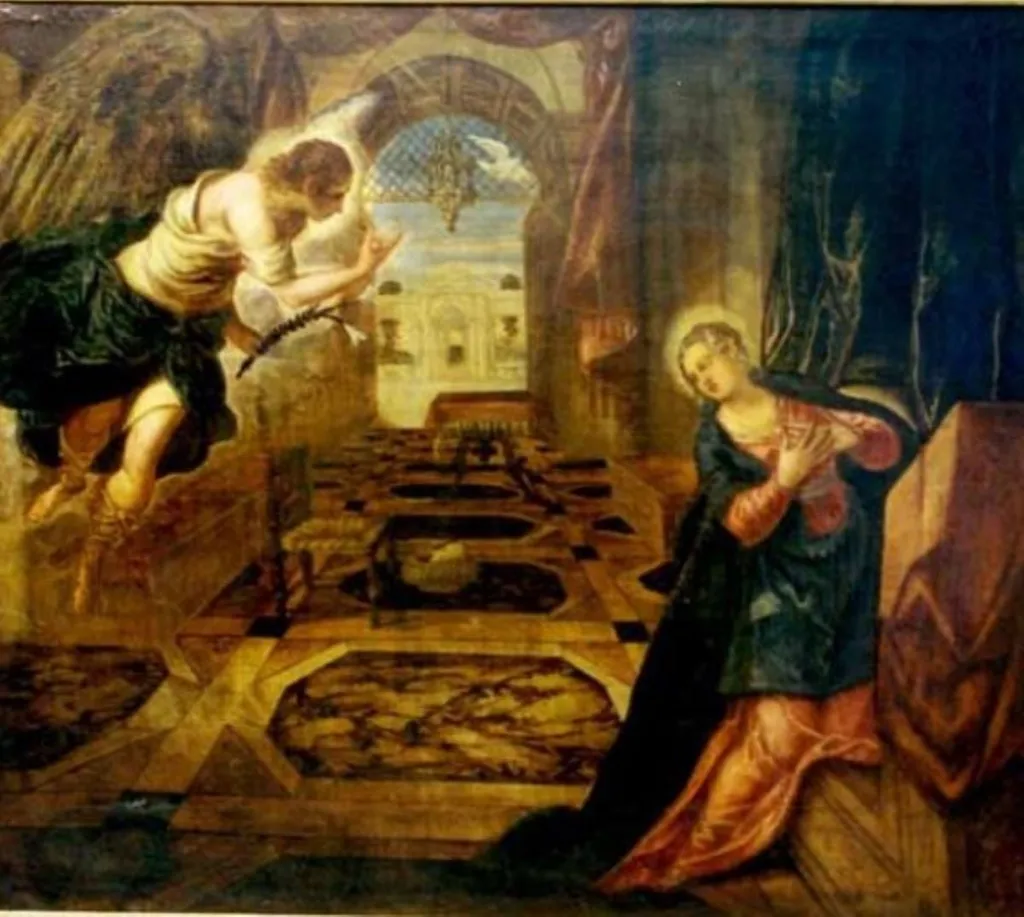
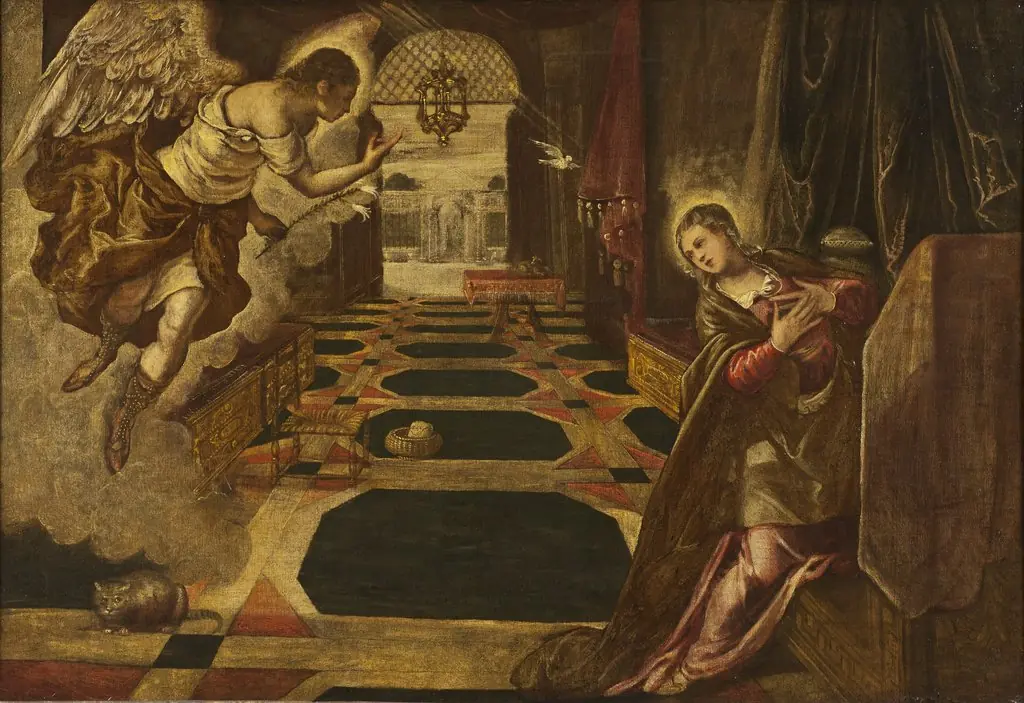
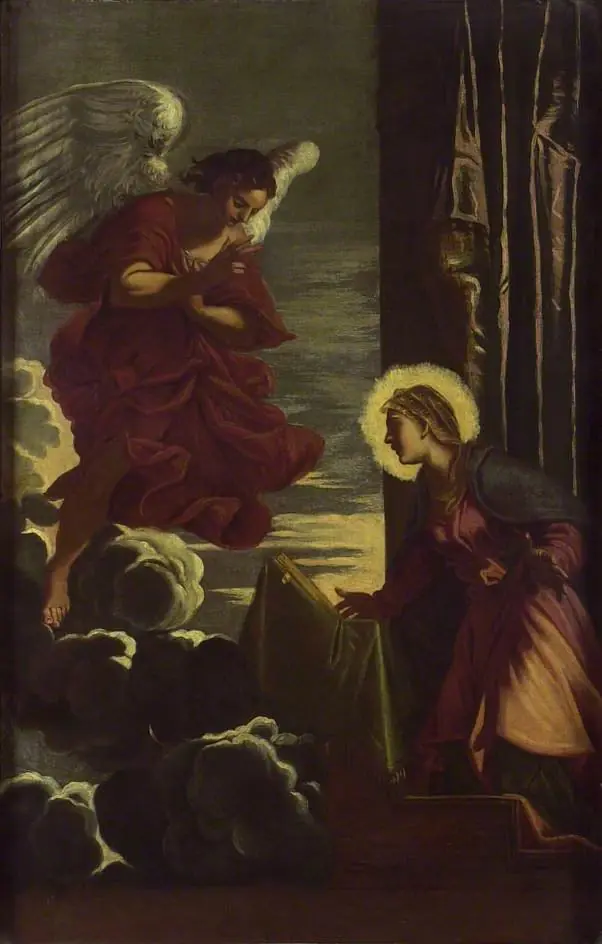
Buna Vestire is an unspecified painting by Jacopo Robusti Tintoretto. It dates from 1550 and is held in the collection of the National Museum of Art of Romania.
About this work
Overview
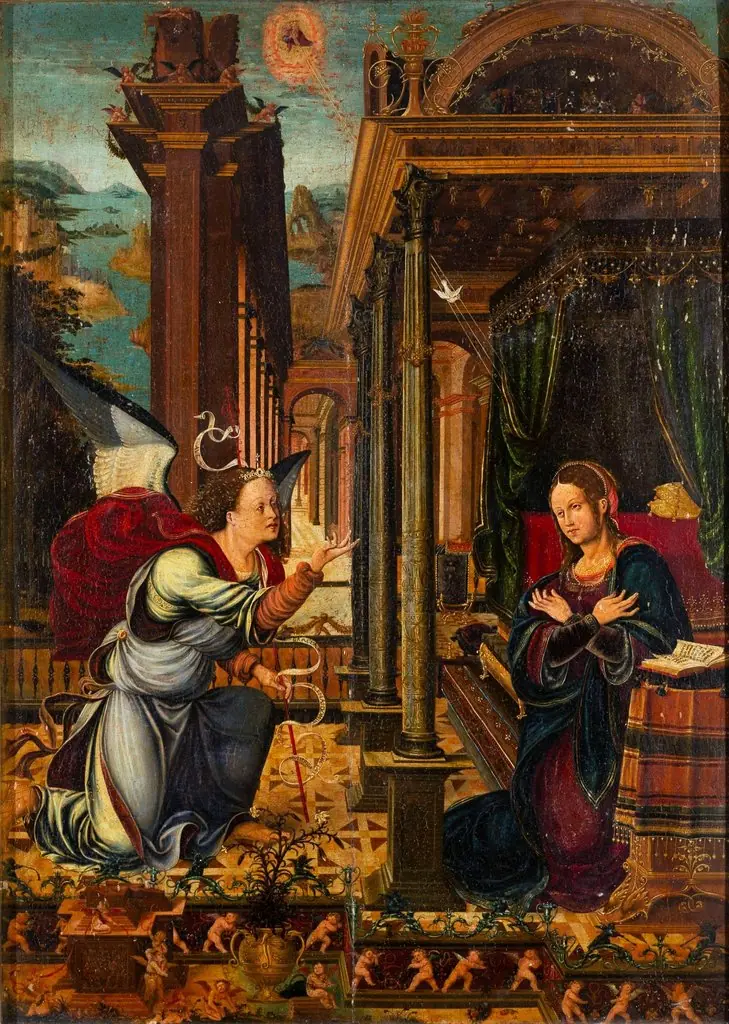
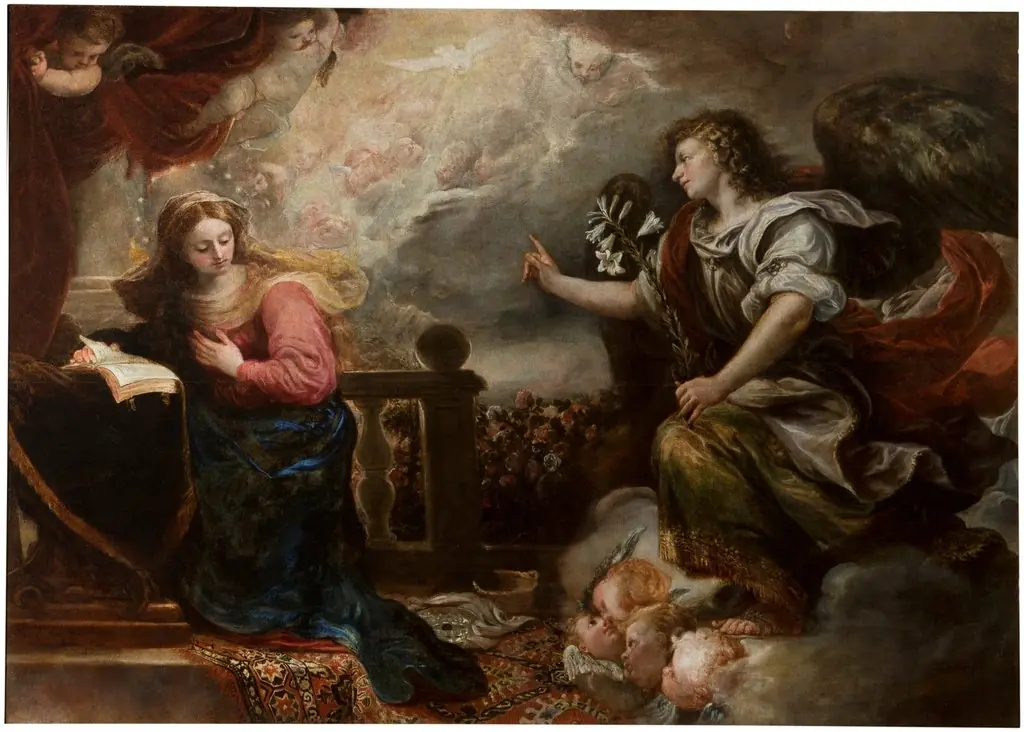
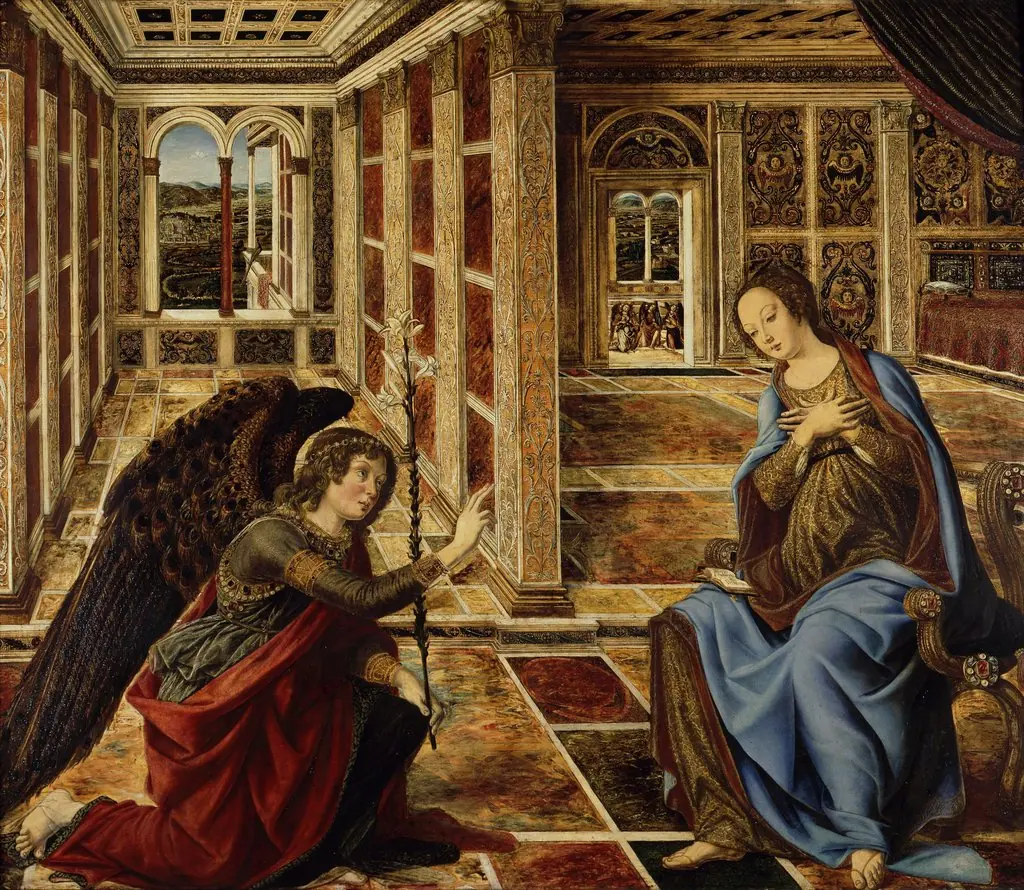
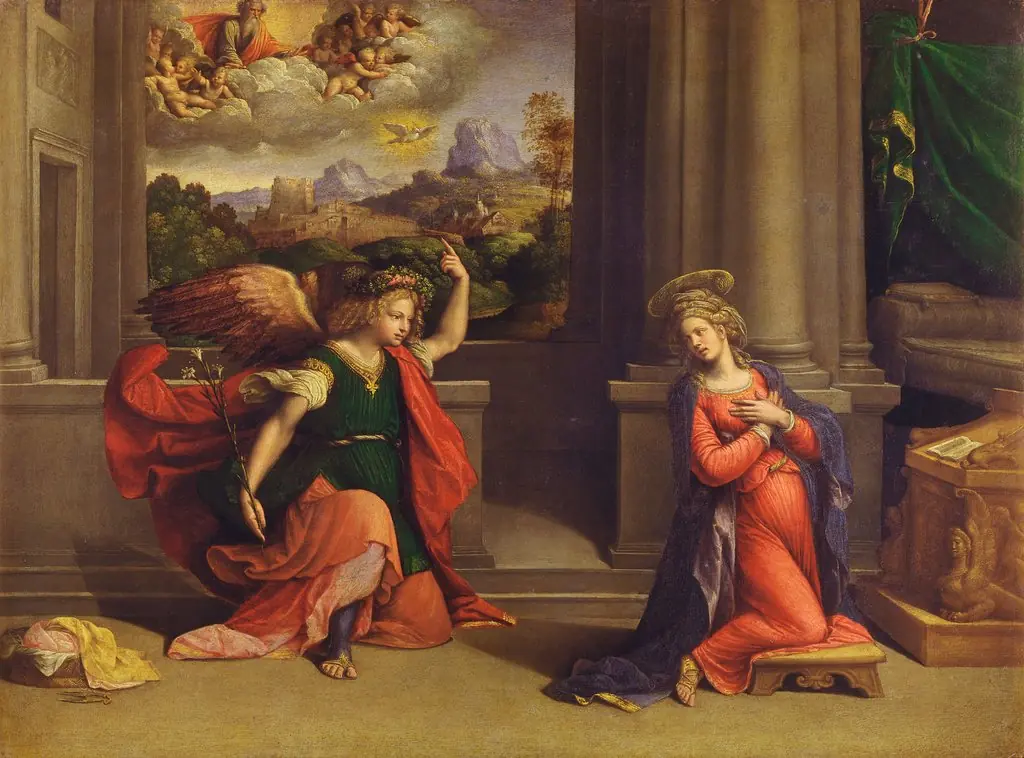
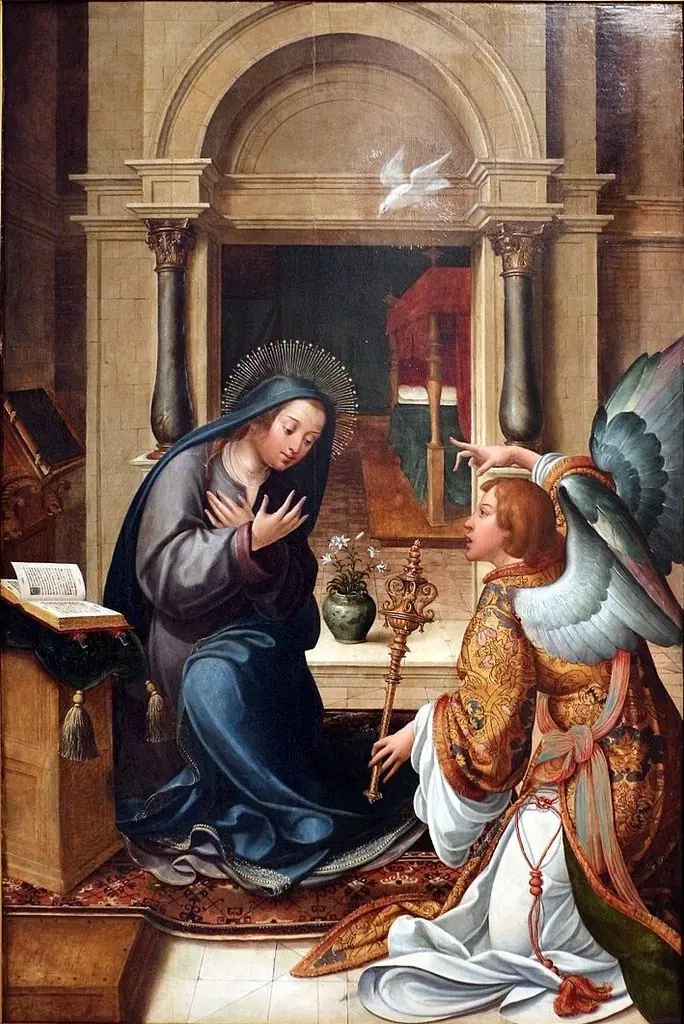
Painted around 1550 by Jacopo Robusti Tintoretto, Buna Vestire depicts the Annunciation, a moment from Christian tradition when the archangel Gabriel announces to the Virgin Mary that she will bear the Son of God. The scene unfolds in a domestic interior marked by architectural precision and subdued tones, reflecting the artist’s early interest in spatial composition and quiet drama.
Subject & Meaning
The composition suggests a personal, inward encounter rather than a public spectacle, aligning with devotional practices of the time.
The painting illustrates the moment of divine revelation: the angel, holding a lily symbolizing purity, addresses the Virgin, who kneels in prayerful acceptance. Their halos and gestures emphasize sacredness, while the intimate setting grounds the supernatural event in everyday space. The composition suggests a personal, inward encounter rather than a public spectacle, aligning with devotional practices of the time.
Technique & Style
Tintoretto employs a restrained palette of browns, golds, and muted blues, avoiding the vivid contrasts of later works. The checkerboard floor and arched window demonstrate his attention to perspective and architectural detail. The figures are rendered with soft modeling, their drapery falling naturally, while the angel’s wings and halo introduce subtle luminosity without overt theatricality.
History & Provenance
The painting’s early ownership is undocumented, but it is believed to have been created during Tintoretto’s formative years in Venice, before his large-scale commissions for public institutions. It remained in private collections for centuries, reflecting its status as a devotional piece rather than a public monument, and entered its current collection in the 20th century.
Context
Created during the Counter-Reformation, the image responds to a renewed emphasis on personal piety and the Virgin’s role in salvation. Tintoretto’s choice of a modest interior, rather than a grand temple, aligns with contemporary devotional literature that encouraged intimate meditation on sacred events. The work reflects Venice’s blend of religious tradition and domestic realism.
Legacy
Buna Vestire reveals Tintoretto’s early mastery of spatial depth and emotional restraint, foreshadowing his later dynamism. While less known than his grand altarpieces, this work exemplifies his ability to convey theological gravity through quiet composition. It remains a key example of mid-16th-century Venetian religious painting, bridging High Renaissance ideals with emerging Mannerist sensibilities.
Artist & collection
Artist
This Venetian painter worked so fast he reportedly tossed paint at the canvas and called it done.