Artwork
Cskt-nagy tarpatak a tatraban
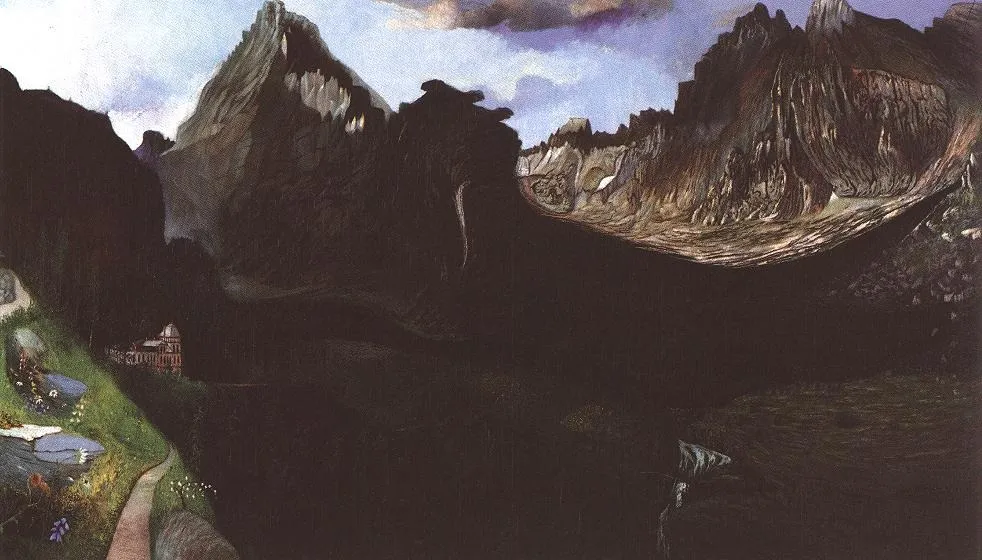
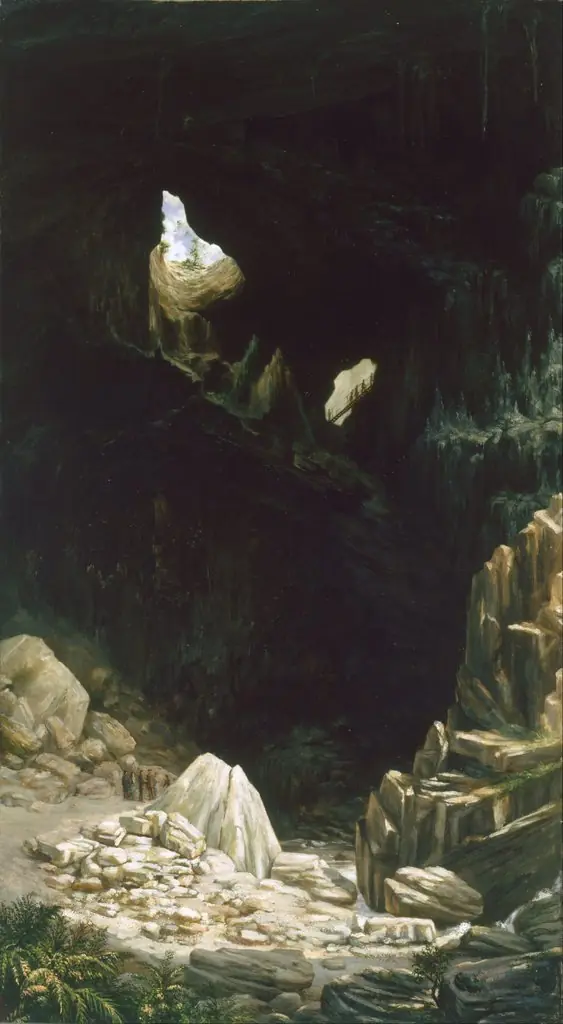
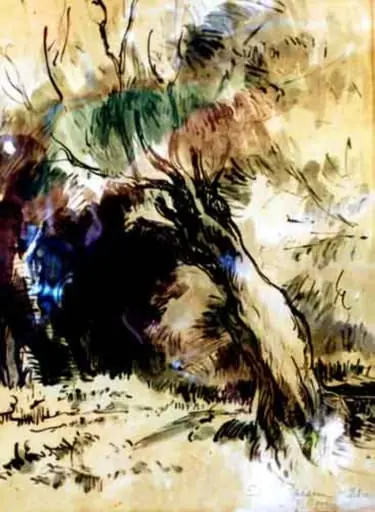
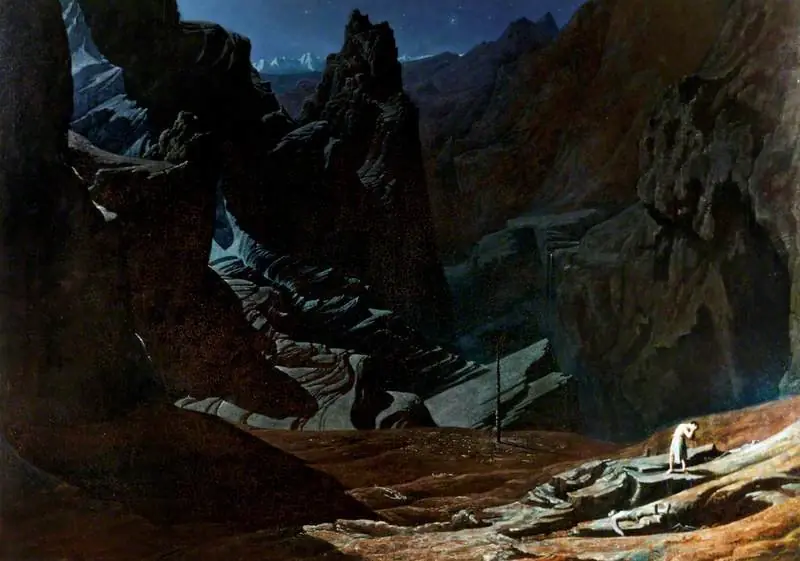
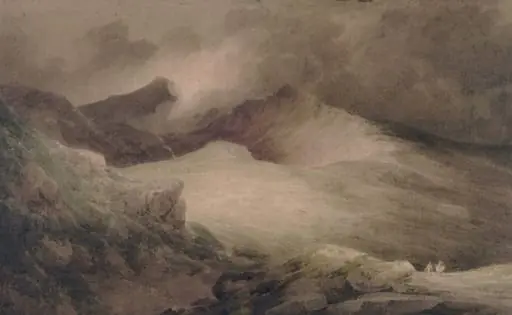
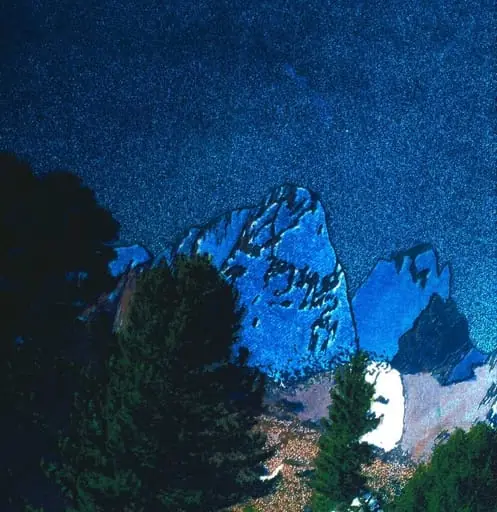
Cskt-nagy tarpatak a tatraban is an oil painting by the Post-Impressionist artist Tivadar Csontváry Kosztka. It dates from 1904 and is held in the collection of the Hungarian National Gallery.
About this work
Overview
The work reflects his personal engagement with nature and spiritual themes, distinguishing him from contemporaries aligned with formal schools.
Tivadar Csontváry Kosztka completed this oil painting in 1904, depicting a quiet mountain valley within the Tatra range. Though based in Budapest, he developed a distinctive visual language outside mainstream movements. The work reflects his personal engagement with nature and spiritual themes, distinguishing him from contemporaries aligned with formal schools. It is now part of the Hungarian National Gallery’s collection.
Subject & Meaning
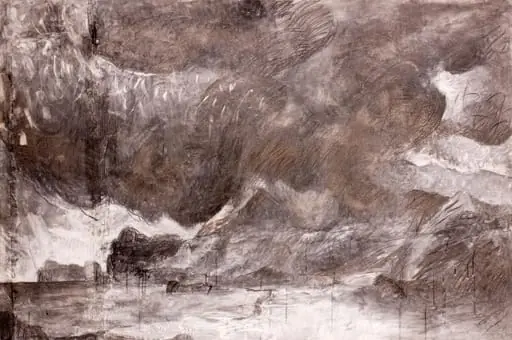
The scene presents a secluded alpine landscape, where a winding path leads toward a solitary white structure nestled among trees. The absence of figures and the subdued palette suggest introspection rather than narrative. The building, barely noticeable, implies human presence without disruption—enhancing the sense of solitude and reverence for the natural world, a recurring motif in Csontváry’s later work.
Technique & Style
Csontváry employed thick, deliberate brushwork to build texture in the foreground grass and distant peaks. The sky transitions softly between pale blues and whites, while the mountains are rendered in low-contrast grays and browns. Light is diffused rather than sharply modeled, avoiding dramatic chiaroscuro. His approach blends observational detail with emotional tone, aligning loosely with Post-impressionist sensibilities without adhering to any established style.
History & Provenance
Painted during a period of intense personal reflection, the work was retained by the artist until his death. It entered the Hungarian National Gallery’s holdings in the early 20th century, among the first acquisitions of his oeuvre by a national institution. Its preservation reflects growing recognition of his unique contribution to Hungarian modernism, despite his relative isolation from artistic centers during his lifetime.
Context
In 1904, European art was shifting toward abstraction and emotional expression, yet Csontváry worked largely outside these currents. His travels across the Balkans and Mediterranean influenced his spiritual outlook, which informed his landscapes. Unlike his peers in Paris or Vienna, he avoided exhibitions and critical circles, making his work an independent voice within Central European modernism.
Legacy
Though little known during his lifetime, Csontváry’s paintings gained retrospective attention in the 20th century as symbols of Hungarian artistic individualism. This work exemplifies his ability to merge landscape with inner contemplation, influencing later generations who sought alternatives to academic traditions. His legacy rests in the quiet intensity of his vision, not in institutional alignment or widespread fame.
Artist & collection
Artist
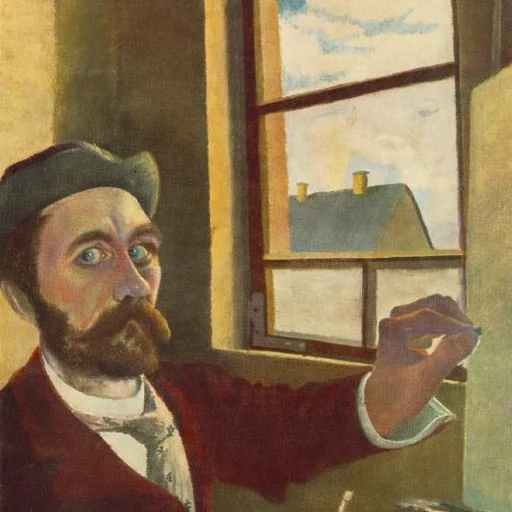
Tivadar Csontváry Kosztka born Mihály Tivadar Kosztka (Hungarian pronunciation: ; 5 July 1853 – 20 June 1919) was a Hungarian painter who was part of the avant-garde movement of the early twentieth century.