Artwork
Pilgrimage to the Cedars of Lebanon
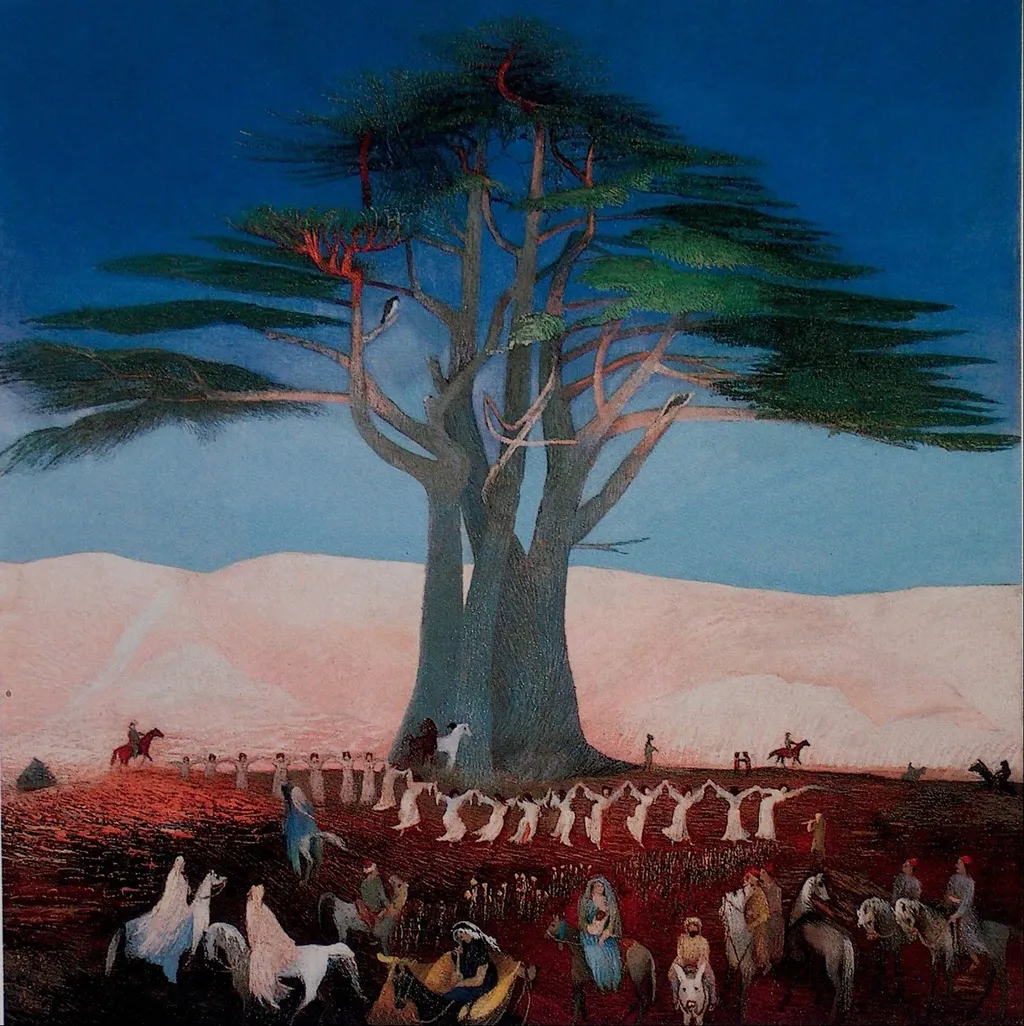
Pilgrimage to the Cedars of Lebanon is an oil painting by the Post-Impressionist artist Tivadar Csontváry Kosztka. It dates from 1907 and is held in the collection of the Hungarian National Gallery.
About this work
Pilgrimage to the Cedars of Lebanon is a painting by Tivadar Csontváry Kosztka. It was created in 1907.
The painting is described as a picture of the Hungarian painter's work from that year. This gives us a sense of when it was made.
You can learn more about the artist's style and methods by looking up the technique of glazing.
Overview
Painted in 1907, Pilgrimage to the Cedars of Lebanon is an oil work by Hungarian artist Tivadar Csontváry Kosztka.
Painted in 1907, Pilgrimage to the Cedars of Lebanon is an oil work by Hungarian artist Tivadar Csontváry Kosztka. It depicts a spiritual journey through a dramatic landscape, reflecting the artist’s personal quest for meaning. The painting belongs to a series of large-scale compositions he produced during his mature period, characterized by intense color and symbolic imagery drawn from his travels and inner convictions.
Subject & Meaning
The painting portrays a group of figures moving through a vast, otherworldly terrain toward ancient cedars, evoking themes of pilgrimage and transcendence. The cedars, rooted in biblical and Eastern traditions, symbolize endurance and divine presence. Csontváry, deeply influenced by his own spiritual searching, infused the scene with a sense of quiet reverence, blending personal mysticism with universal motifs of human longing.
Technique & Style
Csontváry employed thick layers of oil paint with glazing techniques to achieve luminous, saturated hues. His brushwork alternates between precise detail in the figures and expressive, almost abstract strokes in the sky and terrain. The composition lacks traditional perspective, instead favoring a flattened, dreamlike space that heightens the emotional and symbolic weight of the scene.
History & Provenance
Created during a period of intense personal reflection following years of travel across the Middle East and Europe, the painting remained in the artist’s possession until his death in 1919. It was later acquired by the Hungarian state and is now held in the Csontváry Museum in Pécs, where it forms a central piece of his legacy. Its journey from private vision to public collection reflects its growing recognition in Hungarian art history.
Context
In early 20th-century Hungary, Csontváry stood apart from academic traditions, drawing inspiration from Symbolism, Post-Impressionism, and Eastern spirituality. While his contemporaries focused on realism or national themes, he pursued visionary subjects rooted in his own travels and philosophical readings. Pilgrimage to the Cedars of Lebanon emerged from this solitary path, reflecting a broader European interest in mysticism beyond conventional religious frameworks.
Legacy
Though largely unrecognized during his lifetime, Csontváry’s work, including this painting, gained critical attention in the decades after his death. Pilgrimage to the Cedars of Lebanon is now regarded as a key example of Hungarian modernism’s spiritual dimension. Its unique fusion of personal symbolism and bold technique continues to influence interpretations of art as a vehicle for inner experience rather than external representation.
Artist & collection
Artist
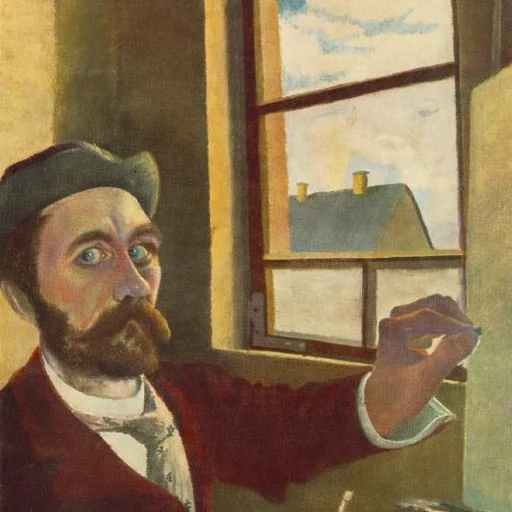
Tivadar Csontváry Kosztka born Mihály Tivadar Kosztka (Hungarian pronunciation: ; 5 July 1853 – 20 June 1919) was a Hungarian painter who was part of the avant-garde movement of the early twentieth century.