Artwork
Păpuși
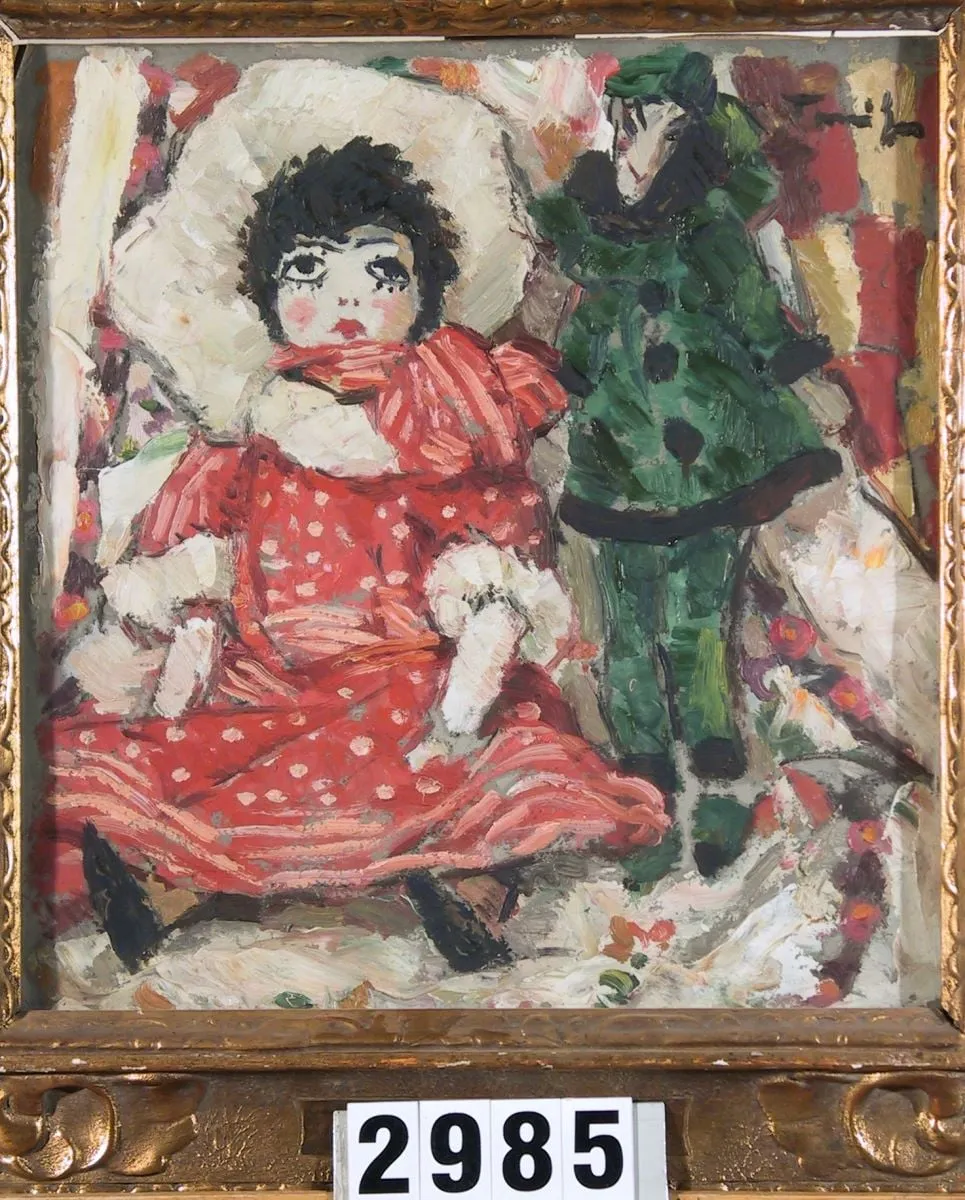
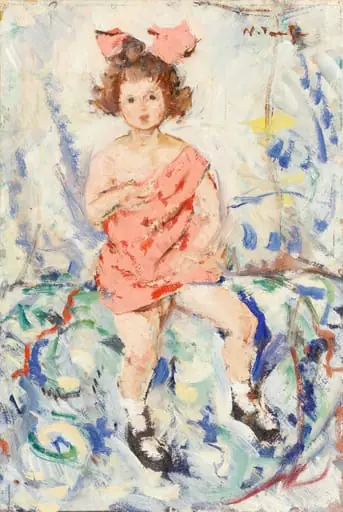
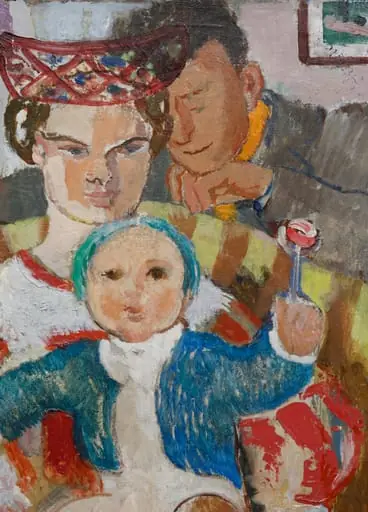
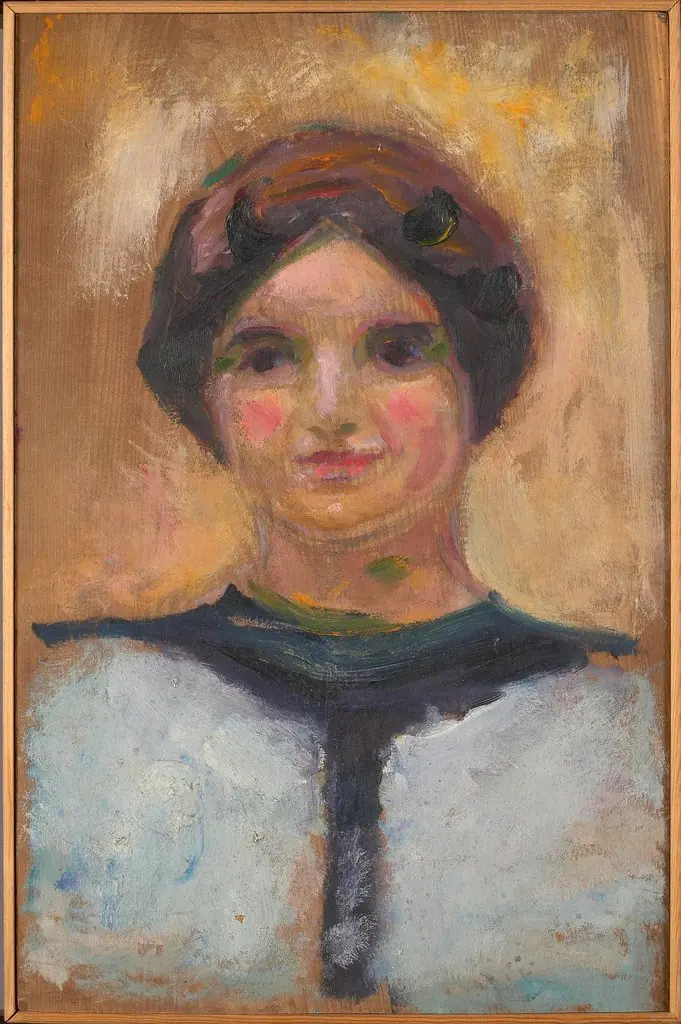
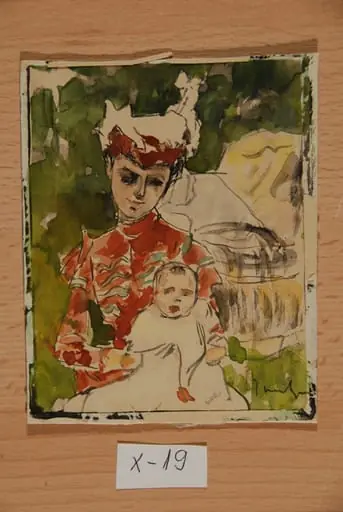
Păpuși is a print by Nicolae Tonitza. It dates from 1923 and is held in the collection of the Brukenthal National Museum.
About this work
Overview
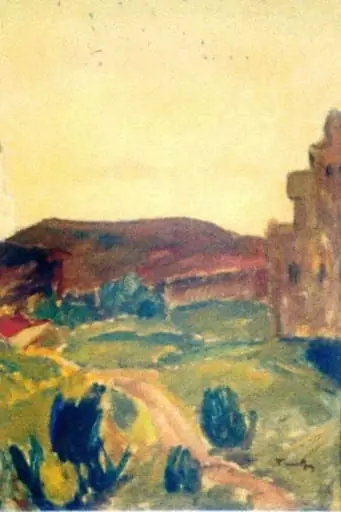
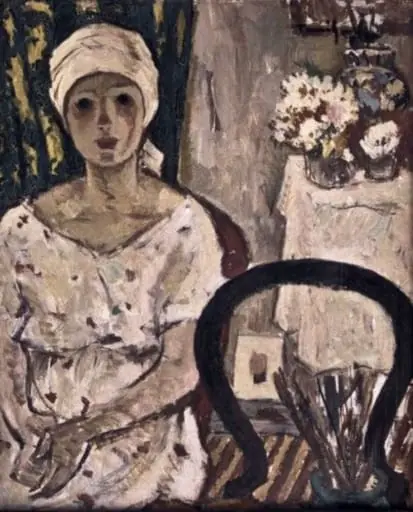
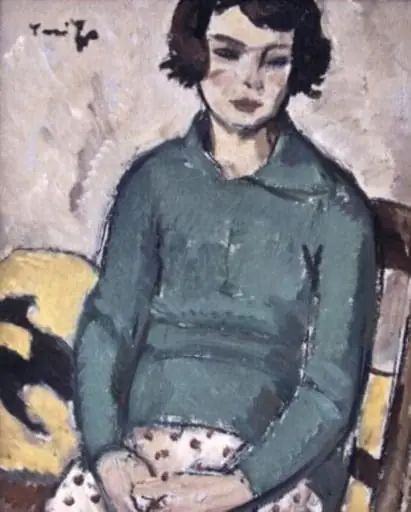
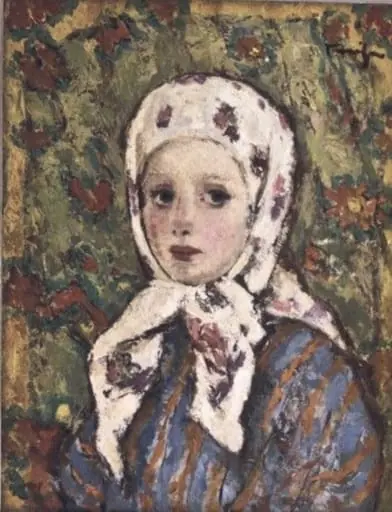
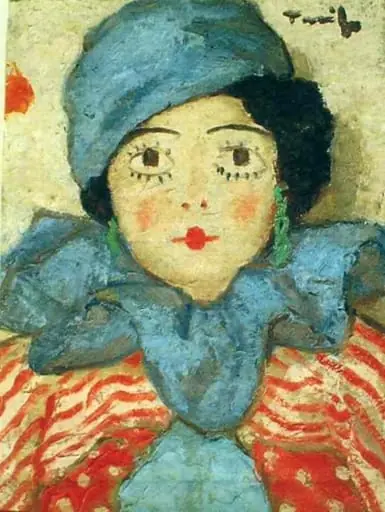
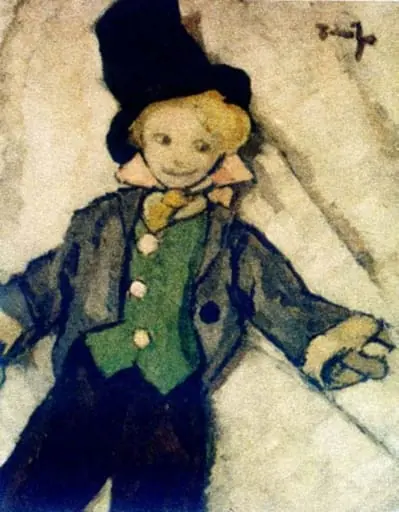
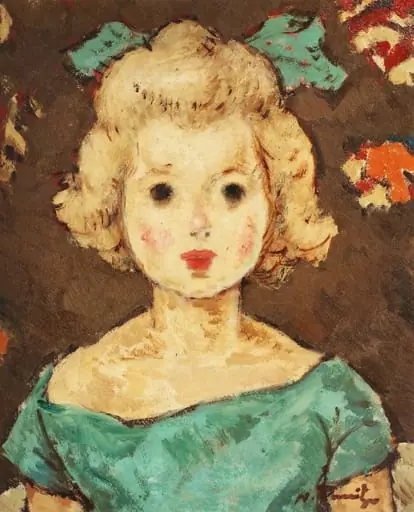
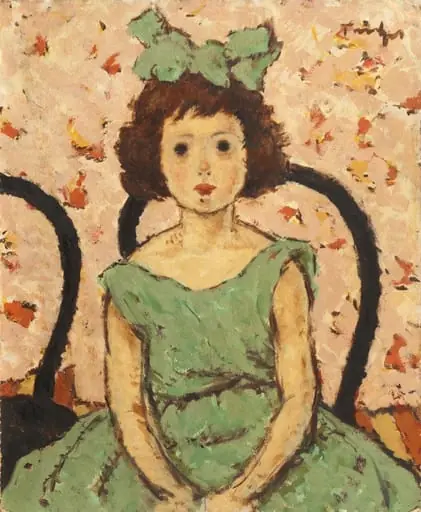
Păpuși, created around 1923 by Nicolae Tonitza, is a painting characterized by its vibrant, albeit disordered, color palette and pronounced textural brushwork.
Subject & Meaning
The work depicts two primary figures: a doll with a simplistic, rounded face and a red polka-dot dress, contrasted with a taller, more awkwardly posed figure in a green dress and black hat. The juxtaposition and expressive rendering may imply commentary on simplicity versus complexity or the human relationship with inanimate objects.
Technique & Style
Tonitza employed thick, impasto brushstrokes, applying paint in substantial, visible chunks. This technique, combined with the bright, messy colors, contributes to a sense of rapid execution and a rough, unfinished aesthetic.
History & Provenance
Created circa 1923, specific details regarding the painting's history, ownership, or exhibition record before its current status are not provided.
Context
Păpuși reflects early 20th-century artistic tendencies towards expressive, textured painting. While not explicitly linked to a major movement here, its style aligns with broader European modernist explorations of form and expression.
Legacy
The painting's influence or reception in the broader art historical canon is not detailed in the provided information, though its technique (notably the impasto) is reminiscent of practices that would influence later artistic movements.
Artist & collection

Artist
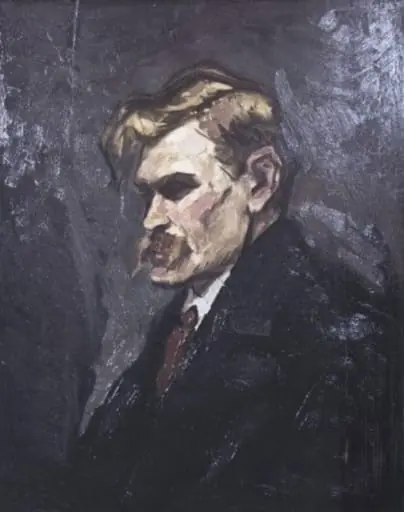
Nicolae Tonitza was a Romanian painter, engraver, lithographer, journalist and art critic. Drawing inspiration from Post-Impressionism and Expressionism, he had a major role in introducing modernist guidelines to local art.