Artwork
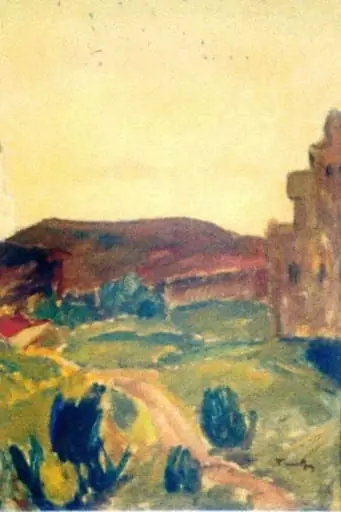
Peisaj cu moară veche
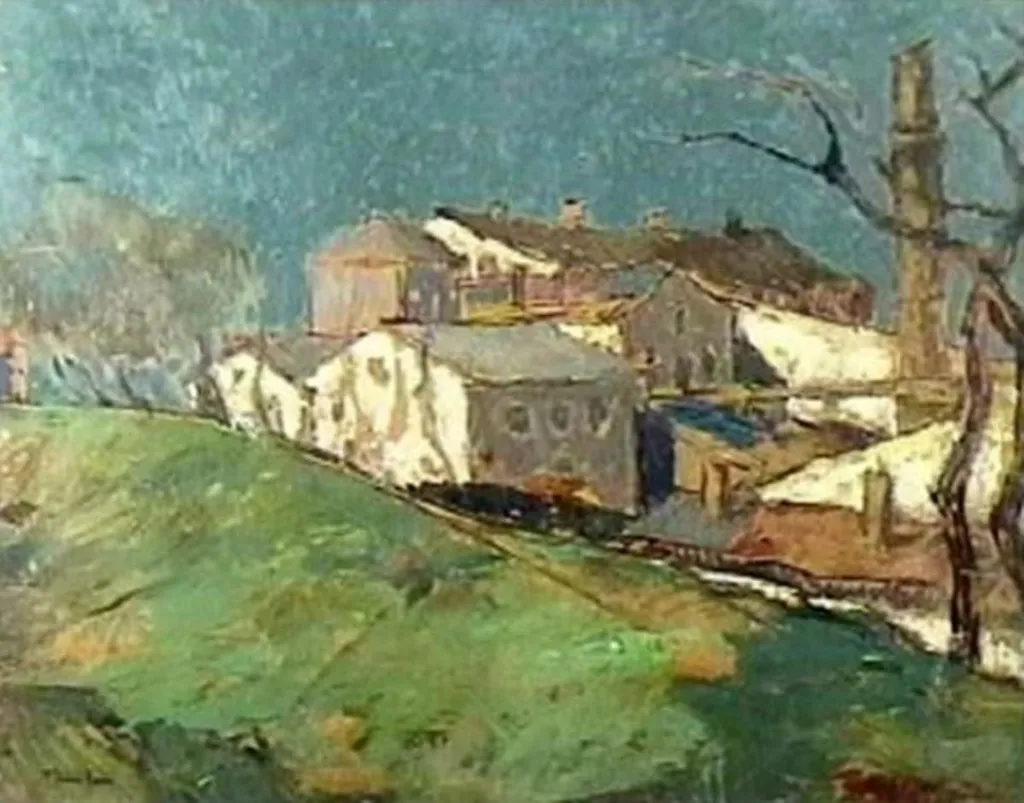
Peisaj cu moară veche is an unspecified painting by Nicolae Tonitza. It dates from 1920 and is held in the collection of the Moldova National Museum Complex.
About this work
Overview
The palette favors subdued earth tones, reinforcing a mood of contemplative solitude rather than dramatic intensity.
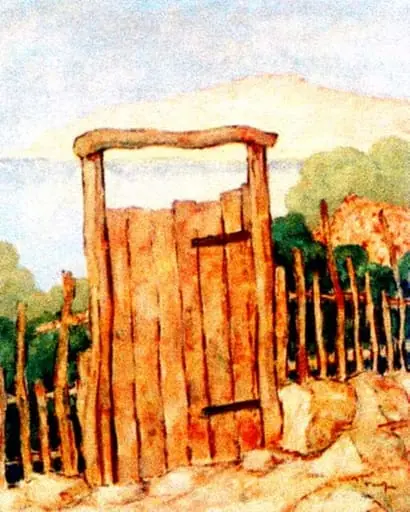
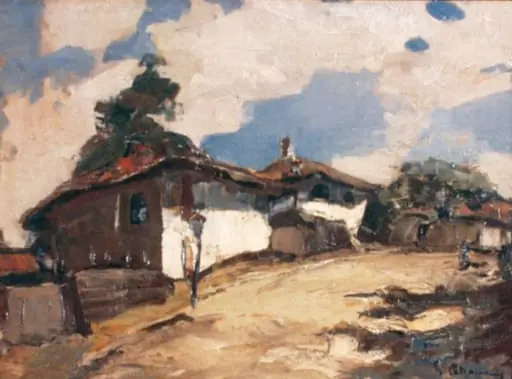
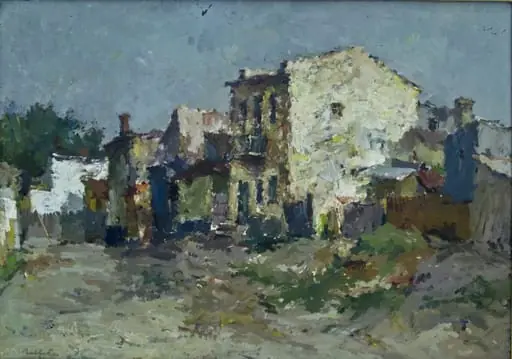
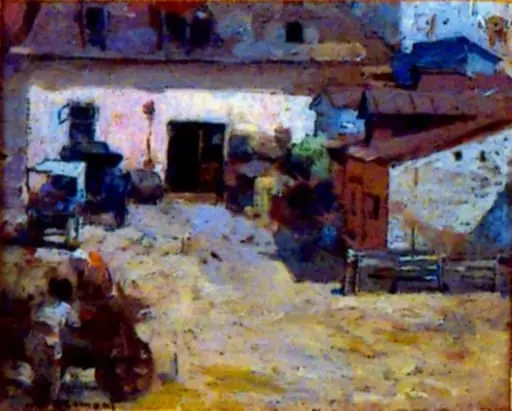
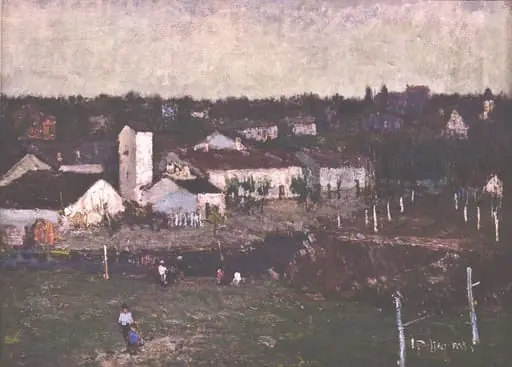
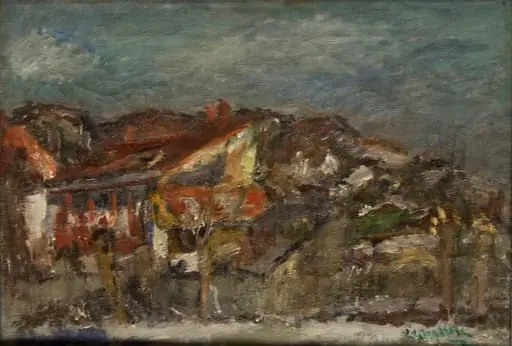
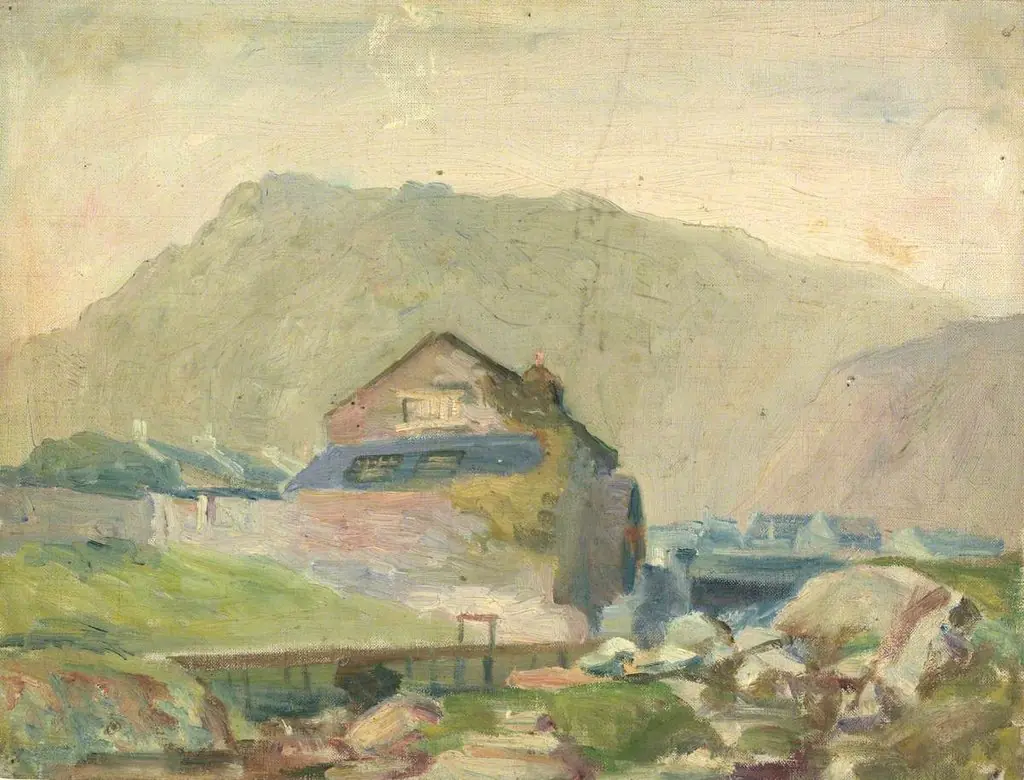
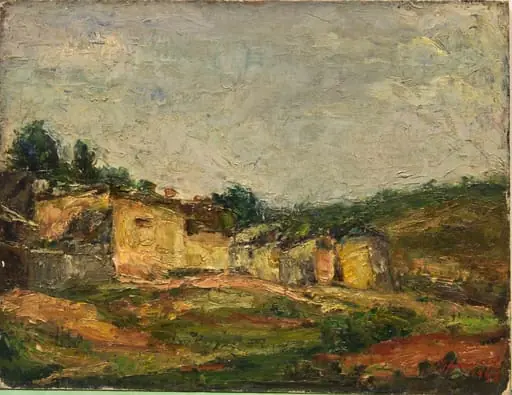
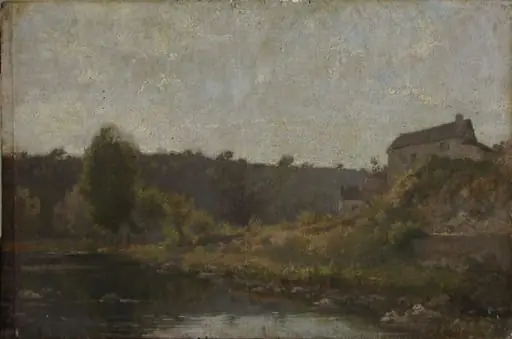
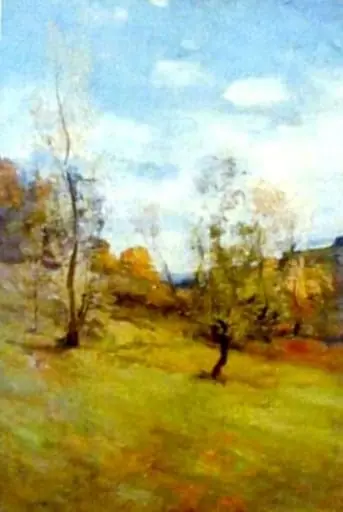
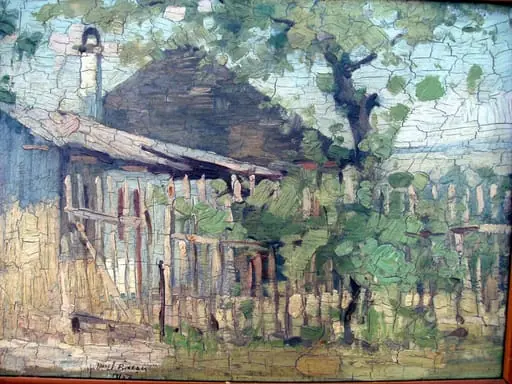
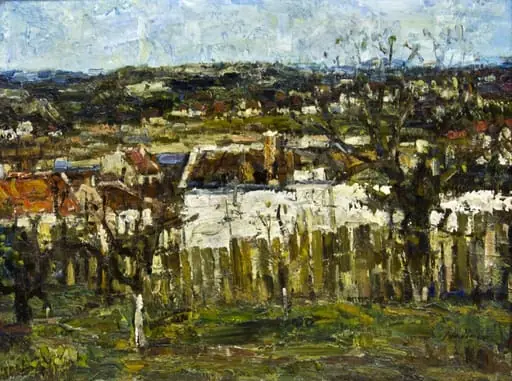
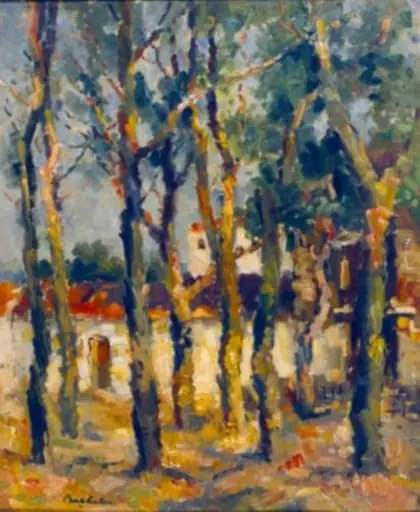
Painted in 1920 by Nicolae Tonitza, Peisaj cu moară veche is a quiet landscape depicting a rural scene in Romania. The composition centers on an aging stone mill, its white walls and dark roof standing against a soft sky. Surrounding hills, scattered trees, and a gently sloping foreground ground the image in a sense of stillness. The palette favors subdued earth tones, reinforcing a mood of contemplative solitude rather than dramatic intensity.
Subject & Meaning
The old mill serves as both focal point and symbol — a relic of rural labor, now silent and weathered. Its presence suggests the passage of time and the quiet decline of traditional ways of life. The surrounding landscape, undisturbed and serene, offers no indication of human activity beyond the structure itself. The scene evokes a sense of endurance, not decay, as nature reclaims the margins of human industry without force or sentiment.
Technique & Style
Tonitza employs a restrained brushwork, blending forms with soft transitions rather than sharp outlines. Colors are muted — pale greens, ashen grays, and warm browns — creating harmony without contrast. The sky is rendered with light, airy strokes, while the mill’s mass is built with subtle tonal shifts. There is no theatrical lighting or exaggerated perspective; the composition feels observed, not staged, aligning with a quiet realism rooted in personal perception.
History & Provenance
The painting entered the collection of the Museum of Ethnography in Bucharest, where it remains today. Its acquisition reflects an early 20th-century interest in documenting Romania’s rural heritage through art. While specific details of its early ownership are not widely recorded, its placement in an ethnographic institution underscores its value as a cultural artifact, not merely a decorative image.
Context
Created in the aftermath of World War I, the painting emerges during a period when Romanian artists increasingly turned to native landscapes and vernacular architecture as sources of identity. Tonitza, influenced by Post-Impressionism and local traditions, avoided urban modernity in favor of rural stillness. This work aligns with broader cultural efforts to preserve and reflect on a vanishing agrarian world amid rapid societal change.
Legacy
Peisaj cu moară veche exemplifies Tonitza’s commitment to capturing the emotional texture of the Romanian countryside. Though not widely exhibited outside Romania, it is recognized within national art history as a quiet testament to the dignity of rural life. Its restrained aesthetic continues to inform later generations of artists seeking to portray place without romanticism or nostalgia.
Artist & collection

Artist
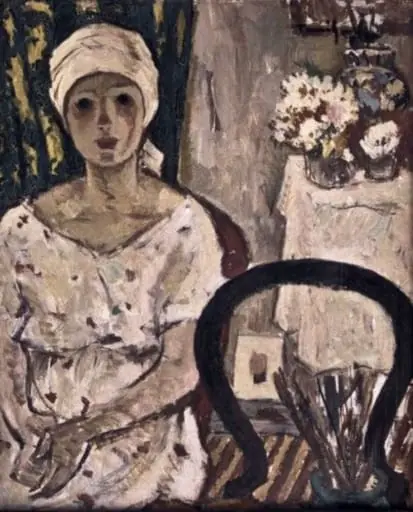
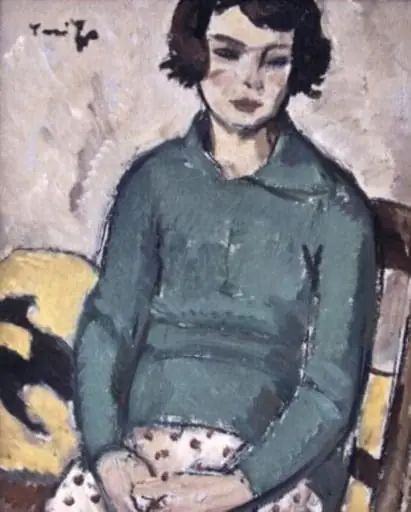
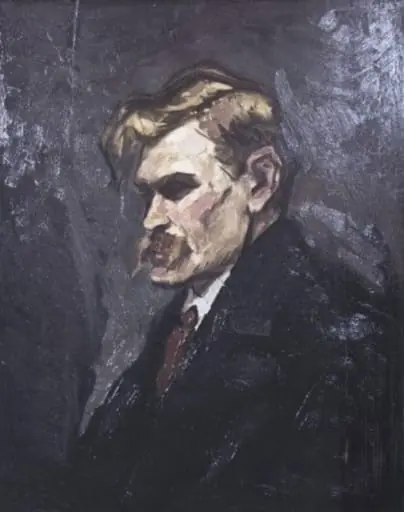
Nicolae Tonitza was a Romanian painter, engraver, lithographer, journalist and art critic. Drawing inspiration from Post-Impressionism and Expressionism, he had a major role in introducing modernist guidelines to local art.