Artwork
Soldați în lagărul bulgăresc de la Kîrdjali
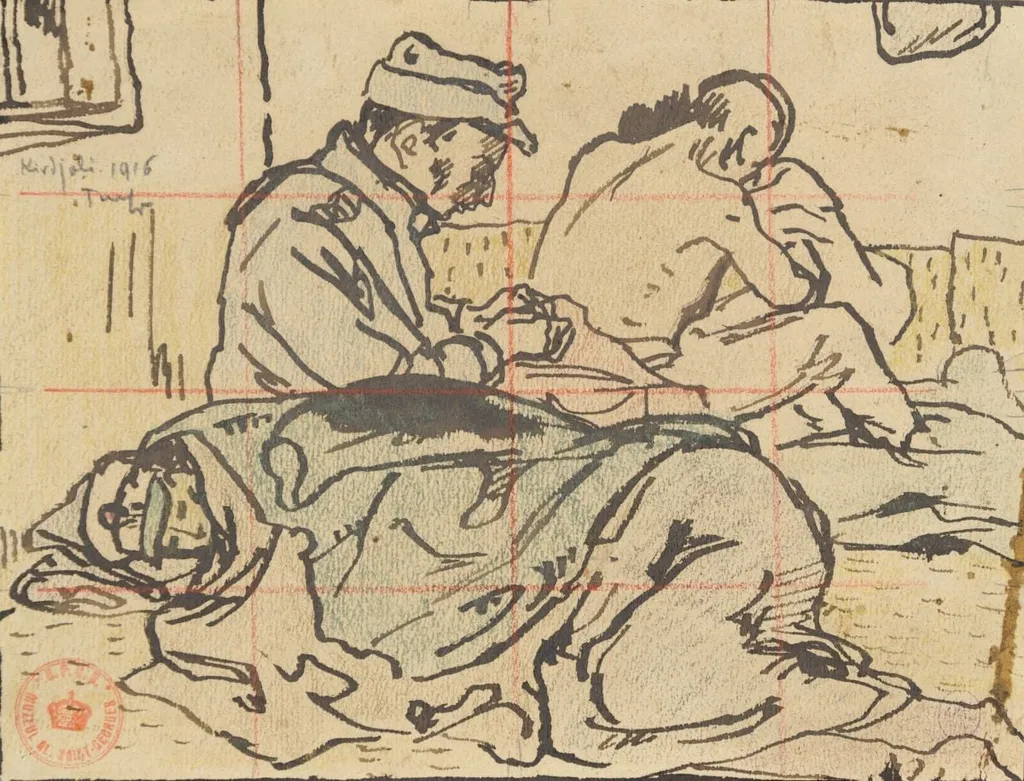
Soldați în lagărul bulgăresc de la Kîrdjali is a drawing by Nicolae Tonitza. It dates from 1916 and is held in the collection of the National Museum of Art of Romania.
About this work
Overview
Nicolae Tonitza’s 1916 drawing titled *Soldaţi în lagărul bulgăresc de la Kîrdjali* depicts three figures inside a modest interior that suggests a military barracks or camp. One figure is seated on a bed while the other two kneel on the floor, surrounded by a few scattered objects.
Subject & Meaning
The composition captures a quiet, personal moment among soldiers, emphasizing the everyday reality of life in a wartime encampment. By focusing on the simple posture and setting, the work invites contemplation of the soldiers’ fatigue and camaraderie.
Technique & Style
Executed with bold contour lines, the drawing relies on cross‑hatching and stippling to suggest texture and depth while maintaining a spare, sketch‑like quality. Minimal shading reinforces the immediacy of the scene, giving the piece an intimate, observational character.
History & Provenance
Created in 1916, during World War I, the work reflects Tonitza’s direct exposure to the Balkan front. Its title identifies the Bulgarian camp at Kîrdjali, situating the image within the artist’s wartime experiences.
Context
The drawing belongs to a period when Romanian artists documented the war’s impact on soldiers and civilians. Tonitza’s approach aligns with contemporary trends toward realism and personal testimony, contrasting with more heroic or propagandistic representations of the conflict.
Artist & collection

Artist
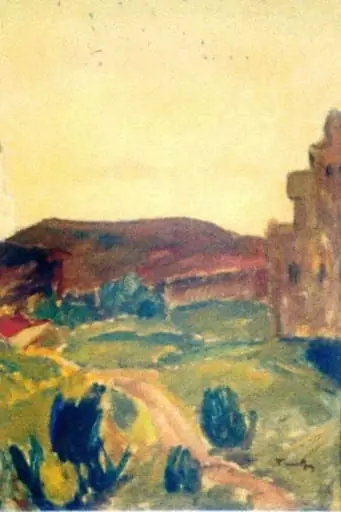
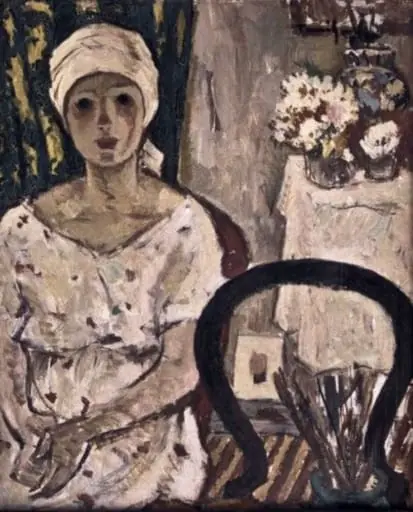
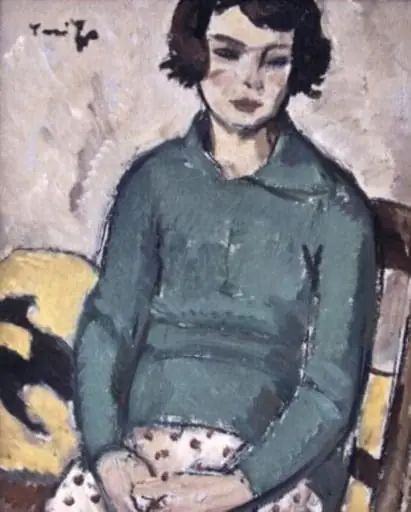
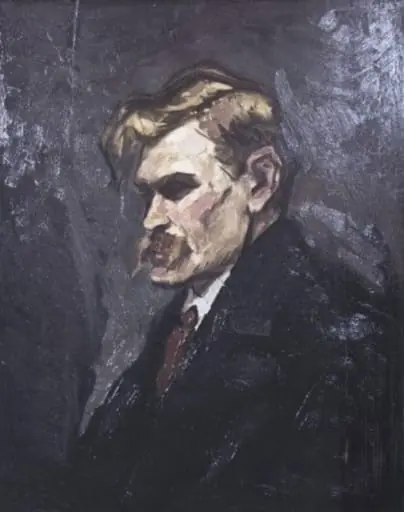
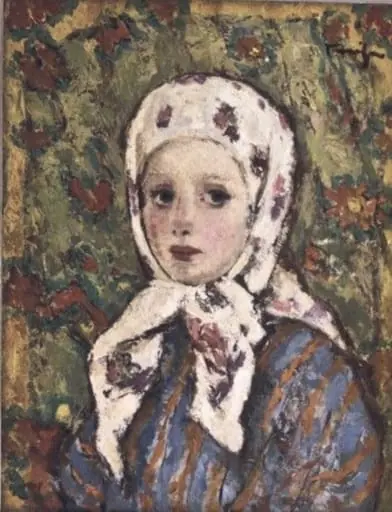
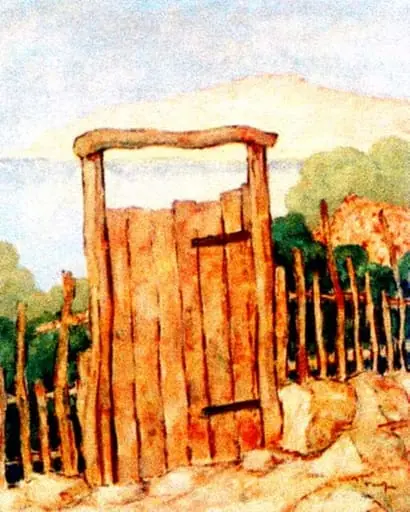
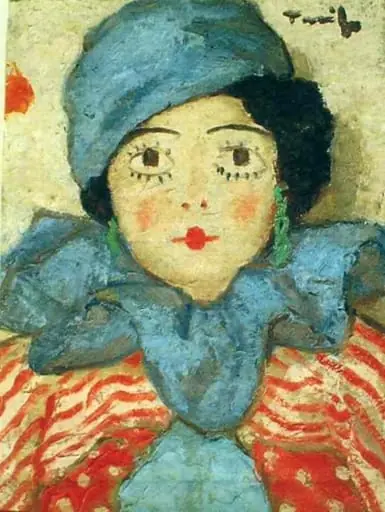
Nicolae Tonitza was a Romanian painter, engraver, lithographer, journalist and art critic. Drawing inspiration from Post-Impressionism and Expressionism, he had a major role in introducing modernist guidelines to local art.

![Two Soldiers Resting [verso], by Winslow Homer](https://artifactworldgallery.com/img/winslow-homer--two-soldiers-resting-verso--989d55e6cbbf0806-w320.webp) Two Soldiers Resting [verso]
Two Soldiers Resting [verso]![From Alexandria to Ship Point [recto], by Winslow Homer](https://artifactworldgallery.com/img/winslow-homer--from-alexandria-to-ship-point-recto--b706e6db6edee2bc-w320.webp) From Alexandria to Ship Point [recto]
From Alexandria to Ship Point [recto]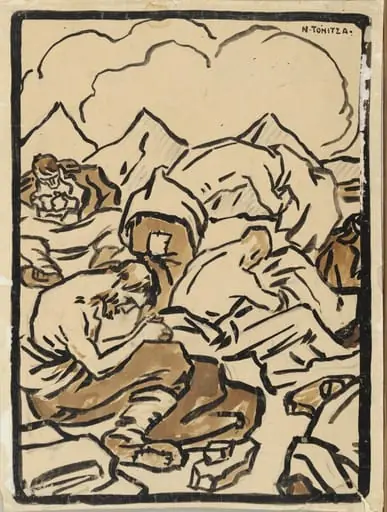 Lagăr de prizonieri (Vânatul păduchilor)
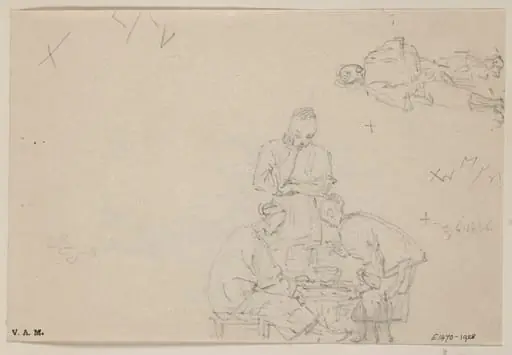 Chinese figures
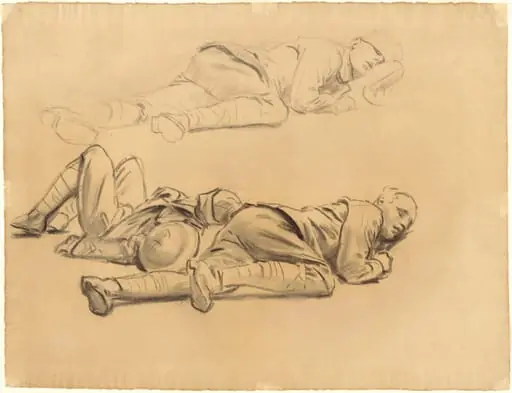 Studies for "Gassed"
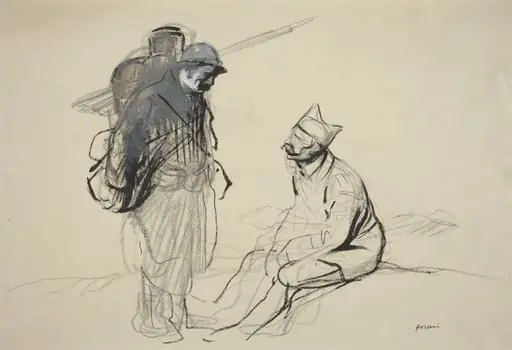 Poilu and Tommy Conversing
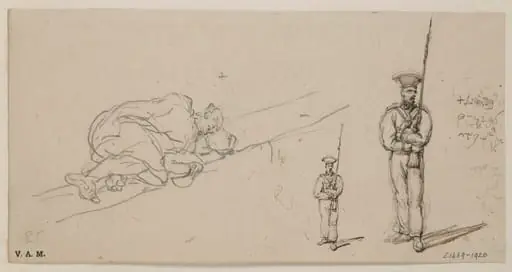 A sleeping Chinese man and a Portuguese soldier
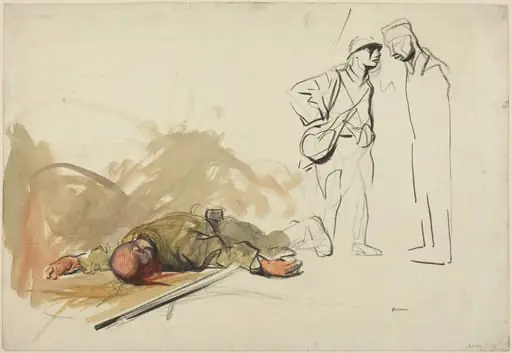 a) Dead German Soldier (recto); b) Head of a Soldier (verso)
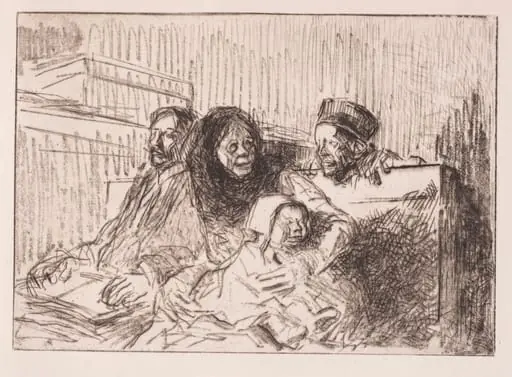 Temoins à l'audience
 Madame V. Sleeping
 Dans une tranchée, des soldats allemands se rendent
 Students in the Latin Quarter, Paris