Artwork
Kodomo Mando, Kojimachi 1,2, 3-chome, Sanno Go-sairei|Childrens' Lantern Float, Kojimachi 1,2, 3-chome Block Association, Sanno Festival
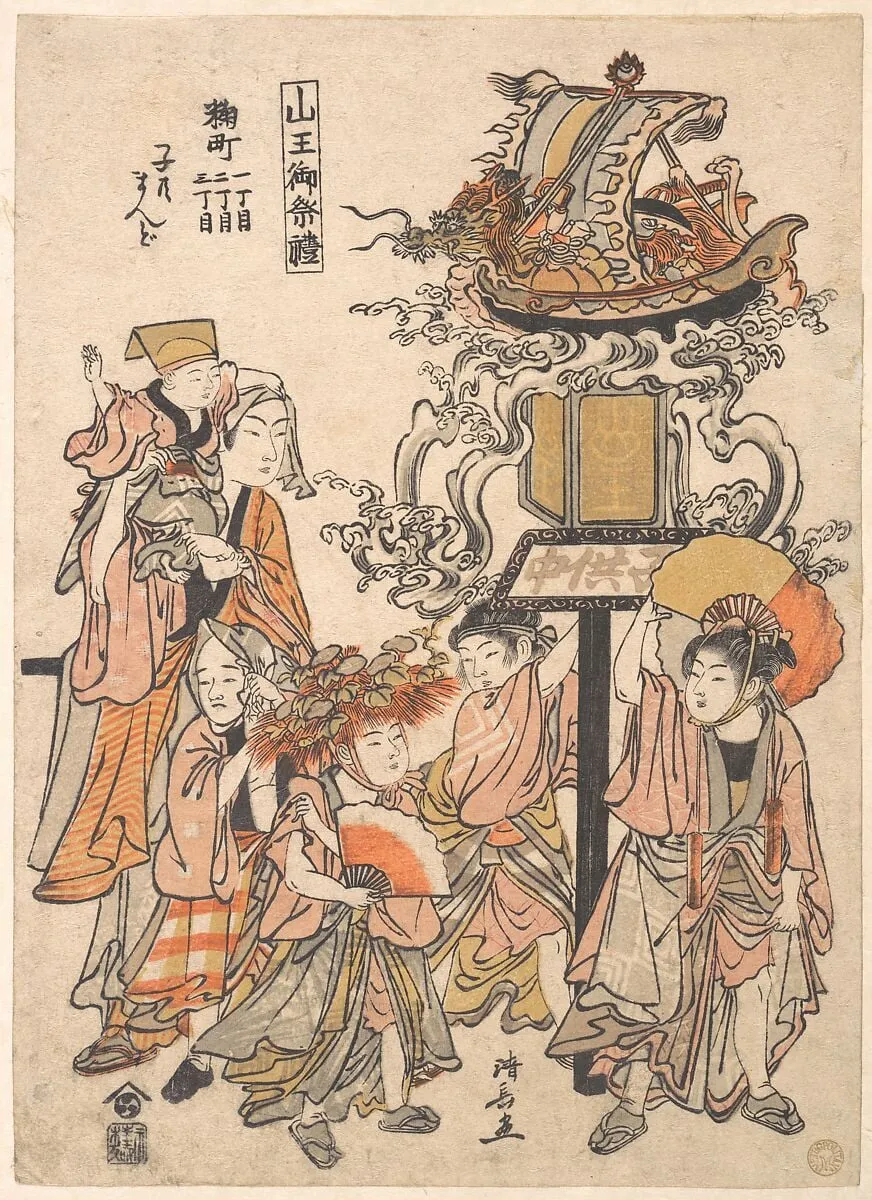
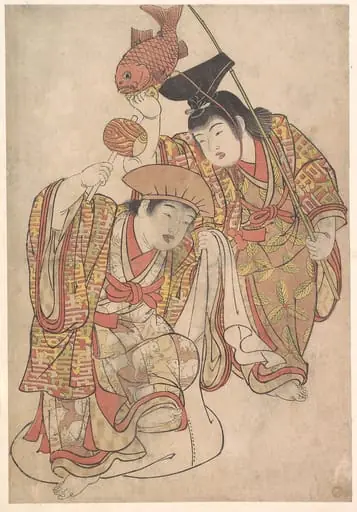
Kodomo Mando, Kojimachi 1,2, 3-chome, Sanno Go-sairei|Childrens' Lantern Float, Kojimachi 1,2, 3-chome Block Association, Sanno Festival is an ink print by the Romanticist artist Torii Kiyonaga. It dates from 1780 and is held in the collection of the Metropolitan Museum of Art. This woodblock print, dated around 1780, depicts a procession during the Sanno Festival in Edo’s Kojimachi district.
About this work
Overview
This woodblock print, dated around 1780, depicts a procession during the Sanno Festival in Edo’s Kojimachi district.
This woodblock print, dated around 1780, depicts a procession during the Sanno Festival in Edo’s Kojimachi district. Created by Torii Kiyonaga, it captures a children’s lantern float, a central feature of the summer celebration. The work is part of a series documenting local festival customs, rendered in ink and color on paper. It is currently held in the collection of The Metropolitan Museum of Art.
Subject & Meaning
The scene centers on a tall, ornate lantern float shaped like a boat, crowned by a dragon and carrying figures in miniature. Children and adults gather around it, dressed in festive attire, some holding fans or parasols. The float symbolizes communal devotion and seasonal renewal, while the presence of children emphasizes the festival’s role in passing traditions to the next generation.
Technique & Style
Kiyonaga employed delicate linework and muted, harmonious colors to convey motion and atmosphere. The figures are arranged in a loose, rhythmic composition, their postures suggesting casual interaction rather than rigid formality. Background elements are simplified—just hints of architecture and clouds—allowing focus on the float and its participants, enhancing the sense of lively intimacy.
History & Provenance
Produced during the late 18th century, the print belongs to a group of works documenting Edo’s neighborhood festivals. It was likely distributed as a commemorative image for the Kojimachi 1, 2, 3-chome Block Association. The print entered The Metropolitan Museum of Art’s collection in the 20th century, preserved as part of its broader holdings in ukiyo-e prints.
Context
The Sanno Festival, held annually in Edo, honored the deity of Hie Shrine and featured elaborate processions organized by local wards. Lantern floats, often designed as miniature stages or vessels, were common among children’s groups. Kiyonaga’s depiction reflects the growing urban culture of Edo, where neighborhood pride and seasonal rituals were visually celebrated through printmaking.
Legacy
Kiyonaga’s work contributed to the documentation of everyday Edo life through ukiyo-e, distinguishing itself from the more theatrical subjects favored by other artists. This print remains a quiet record of community participation, offering insight into how festivals fostered social cohesion. Its preservation allows continued study of Edo-period civic customs and the role of print in public memory.
Artist & collection

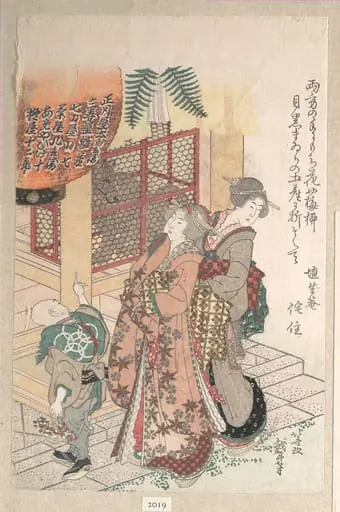 初詣|Young Women Visiting a Shinto Shrine
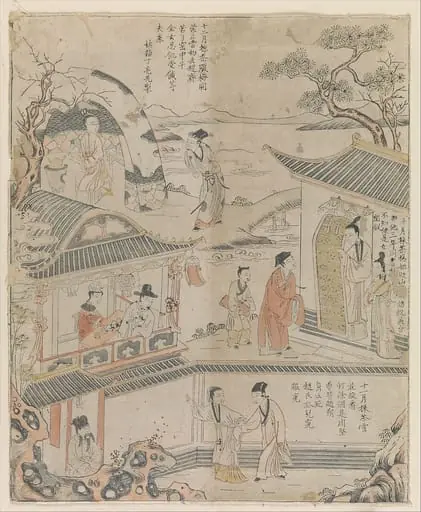 Untitled
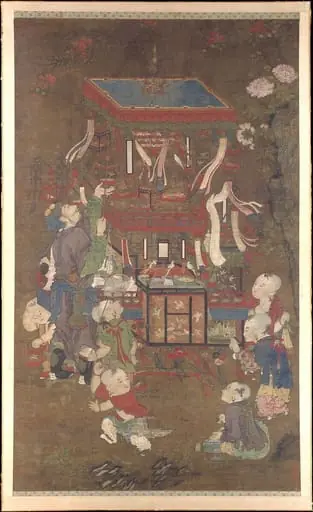 明 佚名 絹本設色 鳥販圖 軸|Bird peddler
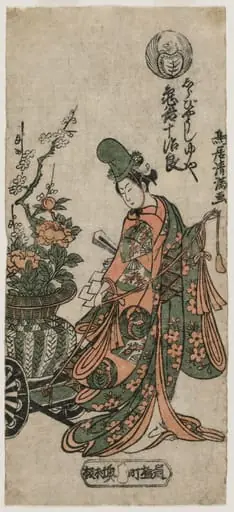 Kametani Jujiro as the Shirabyoshi Dancer Yuya
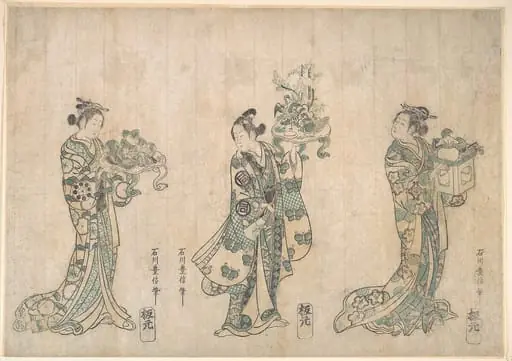 Untitled
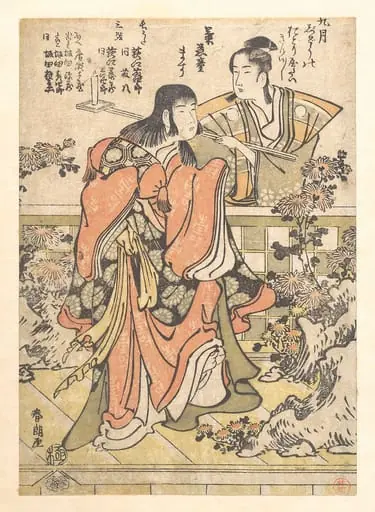 Untitled
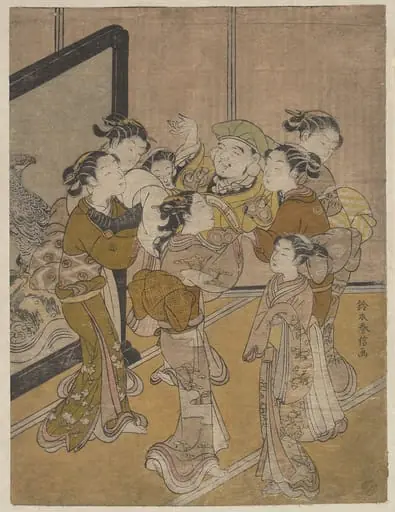 Untitled
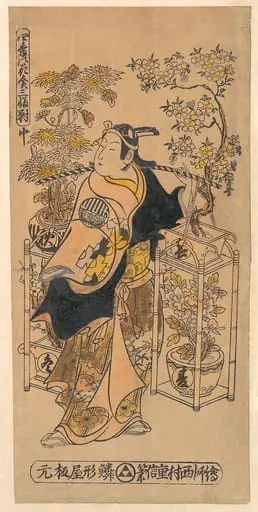 Untitled
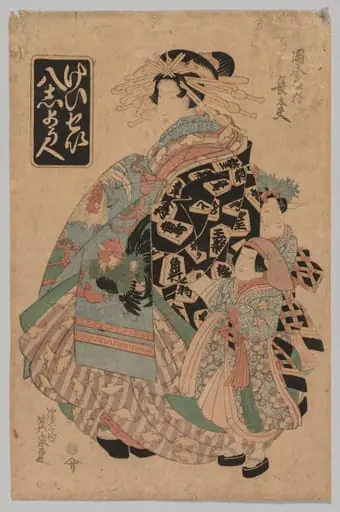 Chōdayu of the Okamotoya from the series ?
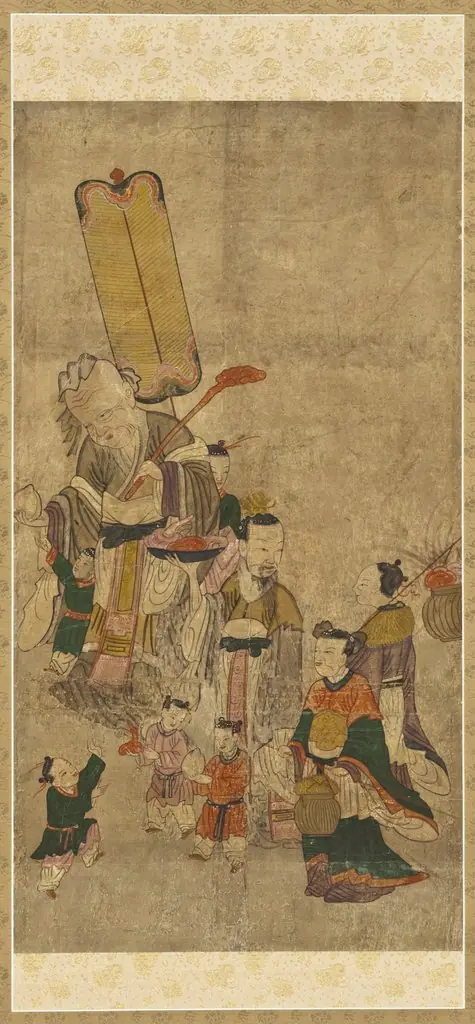 Dongfang Shuo (Tongbang Sak), one of the Eight Chinese Immortals
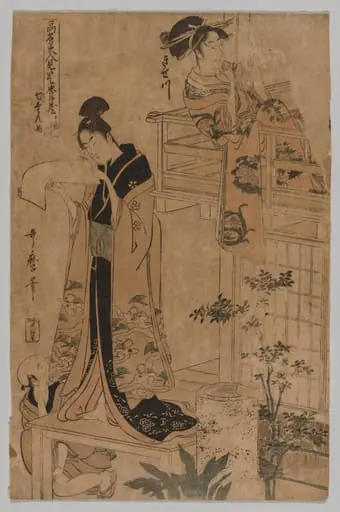 Act VII from the series The Storehouse of Loyal Retainers As Portrayed by Famous Beauties in Twelve Leaves
 Untitled