Artwork
Untitled
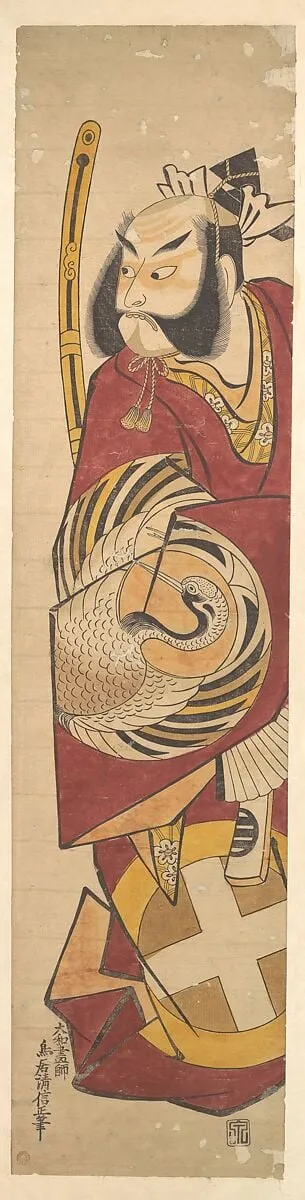
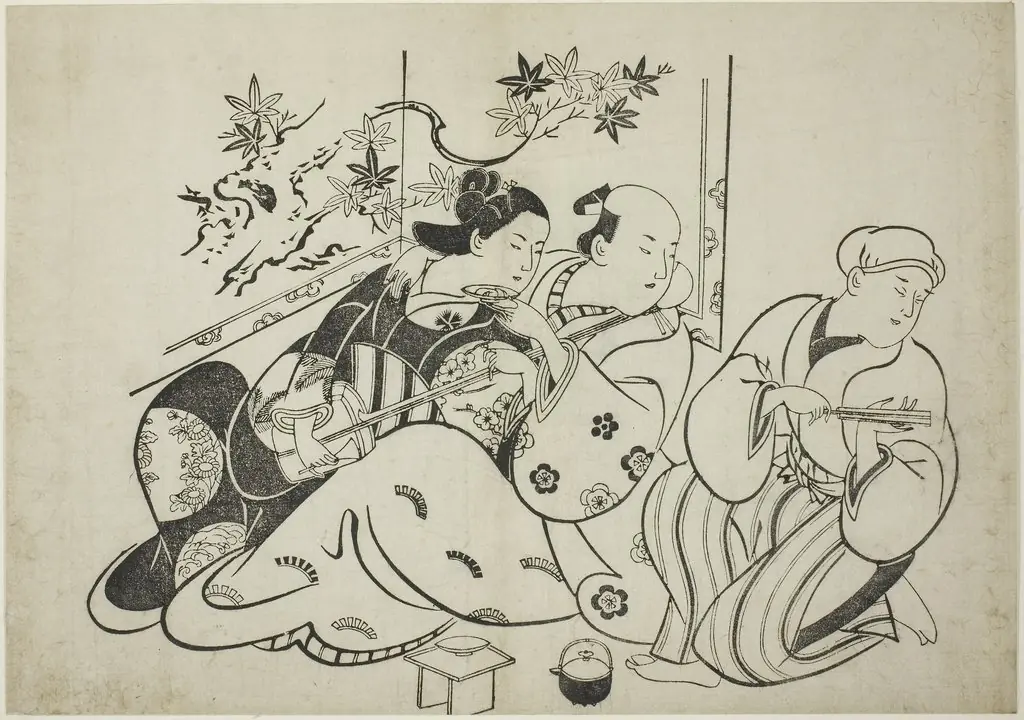
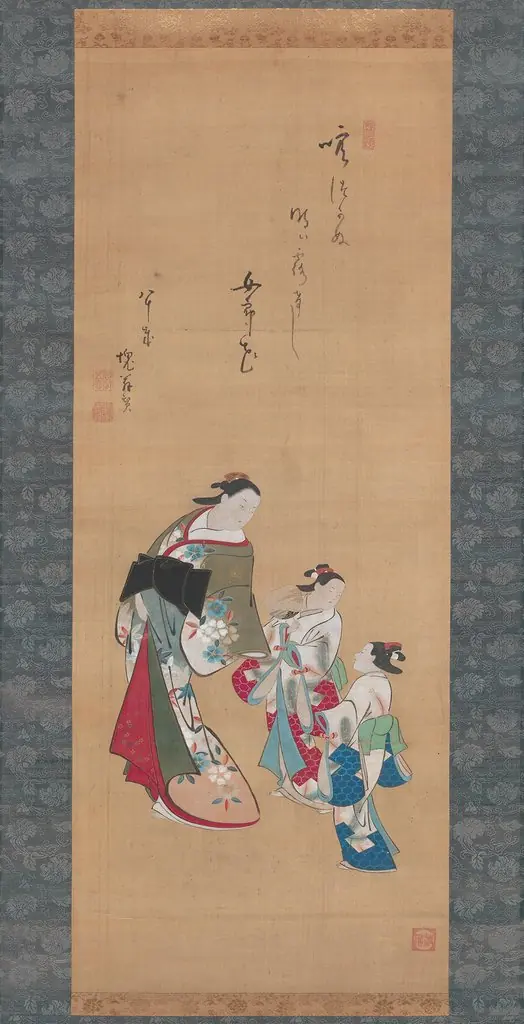
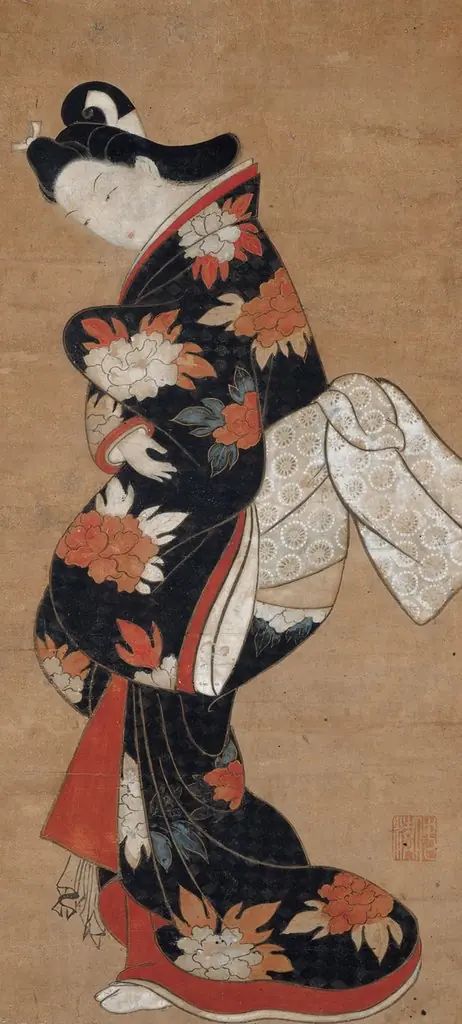
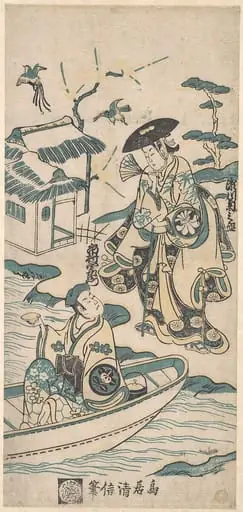
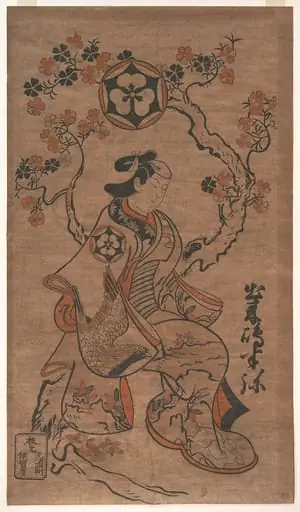
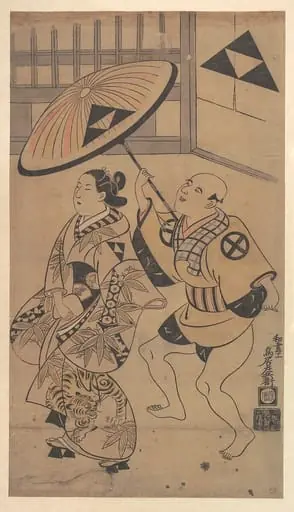
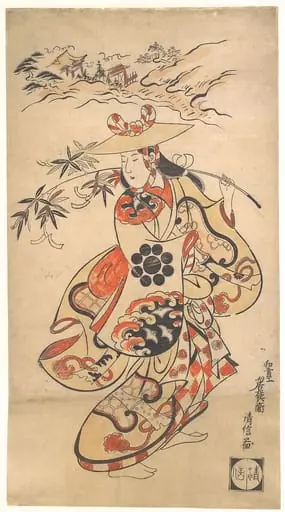
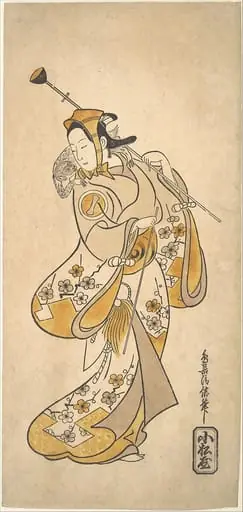
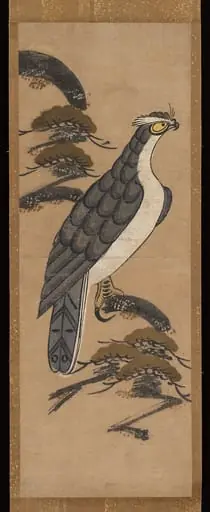
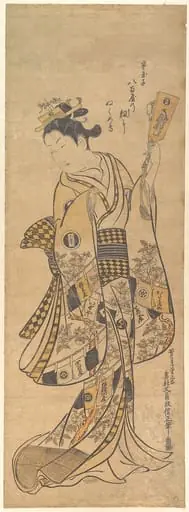
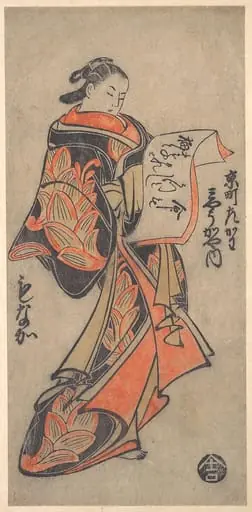
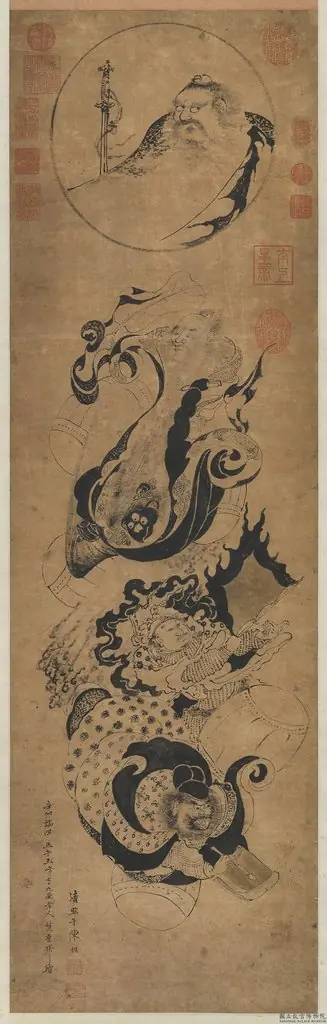
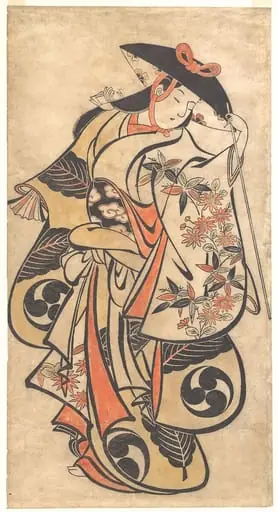
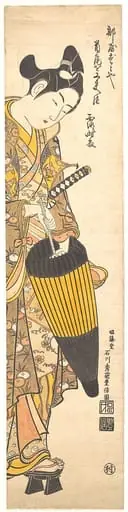
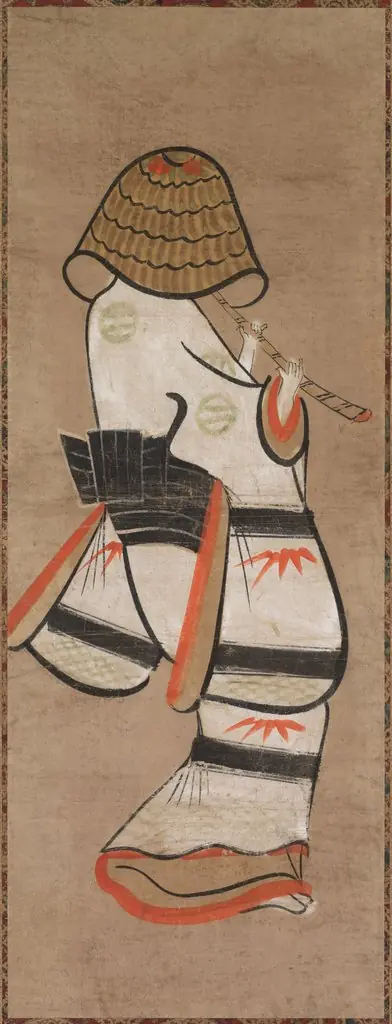
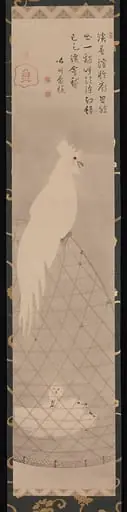
Untitled is an ink print by the Baroque artist Torii Kiyonobu. It dates from 1725 and is held in the collection of the Metropolitan Museum of Art.
About this work
Overview
Executed in ink and color on paper, it exemplifies the graphic clarity and stylized forms characteristic of early Edo-period printmaking.
This woodblock print, dated around 1725, is attributed to Torii Kiyonobu I, an early master of the ukiyo-e tradition. Executed in ink and color on paper, it exemplifies the graphic clarity and stylized forms characteristic of early Edo-period printmaking. The work is part of the collection at The Metropolitan Museum of Art, where it represents the evolving visual language of Japanese popular imagery during the early 18th century.
Subject & Meaning
The figure depicted is a man clad in vivid red robes, bearing a long spear slung over his shoulder. His stern expression and defined facial features suggest a figure of authority or martial presence. The bird behind him, rendered in bold black lines with an elongated neck and tail, may symbolize a heraldic emblem or spiritual companion. Together, the elements imply a narrative context, possibly linking the figure to theatrical roles or warrior archetypes common in contemporary visual culture.
Technique & Style
The print employs flat areas of color and strong, unmodulated outlines to define form, typical of early ukiyo-e. Gold leaf accents trace patterns on the robe, adding subtle luxury without depth or shading. The background is left largely empty, focusing attention on the central figure and the stylized bird. This emphasis on silhouette and pattern reflects a deliberate aesthetic choice to prioritize symbolic clarity over naturalistic detail.
History & Provenance
Created during the early 1720s, the print originates from the Torii school, which dominated theatrical poster production in Edo. While its specific commission or original purpose remains undocumented, its style aligns with prints used to advertise kabuki performances or depict legendary heroes. It entered The Metropolitan Museum of Art’s collection through established acquisition channels, preserving its place in the historical record of Japanese printmaking.
Context
In early 18th-century Edo, woodblock prints served as accessible visual media for urban audiences. The Torii school specialized in images of actors and warriors, blending theatrical drama with martial iconography. This print reflects the era’s fascination with performance and identity, where costume, gesture, and symbolic animals conveyed character and status without text. Such imagery reinforced cultural narratives through repetition and visual shorthand.
Legacy
Torii Kiyonobu I’s work laid foundational principles for later ukiyo-e artists, particularly in the use of bold lines and stylized figures. While this particular print is not widely reproduced, it exemplifies the transition from painterly traditions to mass-produced imagery. Its presence in major collections underscores its role in documenting the visual conventions that shaped Japanese print culture for generations.
Artist & collection
Artist
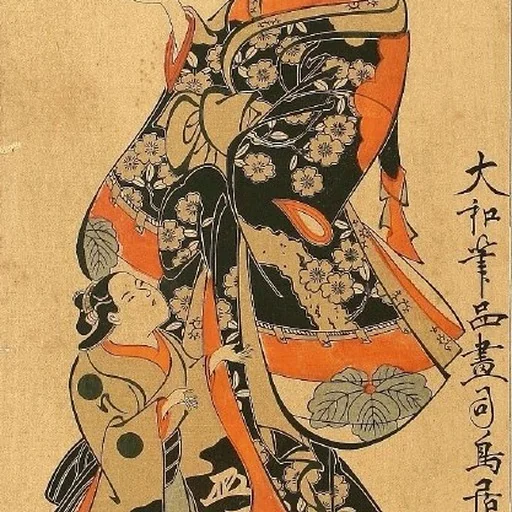
Torii Kiyonobu I (Japanese: 鳥居 清信; c. 1664 – 22 August 1729) was a Japanese painter and printmaker in the ukiyo-e style, who is renowned for his work on kabuki signboards and related materials. Along with his father…