Artwork
Untitled
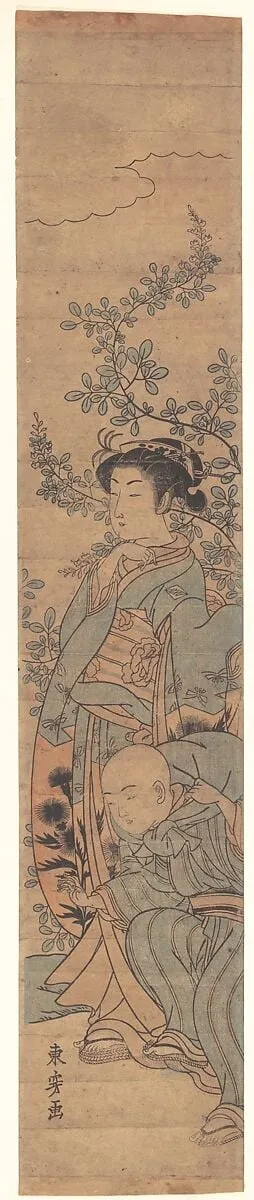
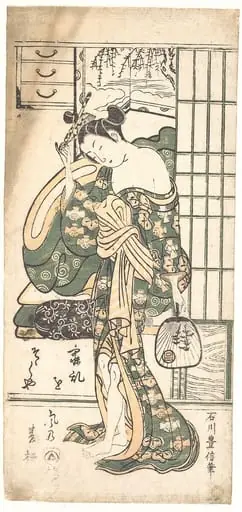
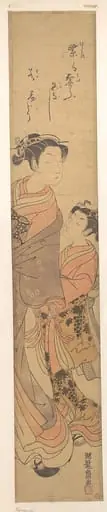
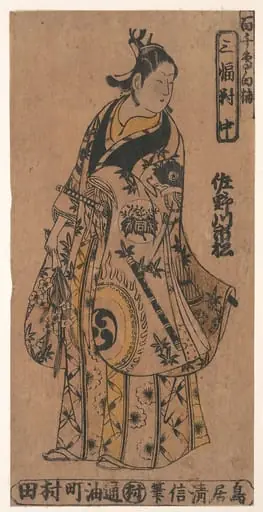
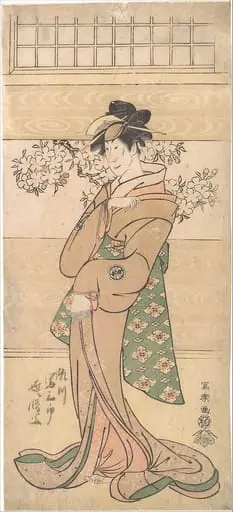
Untitled is an ink print by the Romanticist artist Tosen. It dates from 1770 and is held in the collection of the Metropolitan Museum of Art.
About this work
Overview
The composition presents a quiet domestic moment, rendered with restrained palette and delicate lines, characteristic of late Edo-period printmaking.
This woodblock print, dated around 1770, is attributed to the artist Tosen and executed in ink and color on paper. It is part of the collection at The Metropolitan Museum of Art. The composition presents a quiet domestic moment, rendered with restrained palette and delicate lines, characteristic of late Edo-period printmaking. The work lacks a formal title, reflecting its possible function as a private or informal image rather than a published series.
Subject & Meaning
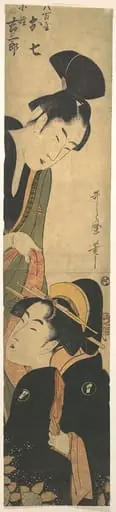
The image depicts a woman seated with a young child nestled against her, both dressed in simple garments. The child’s downward gaze and the woman’s calm posture suggest a moment of stillness, perhaps during rest or quiet contemplation. The absence of narrative detail or symbolic elements implies an emphasis on intimacy rather than storytelling, aligning with aesthetic values that favored subtlety and emotional restraint in domestic scenes.
Technique & Style
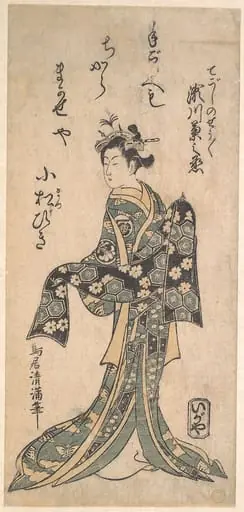
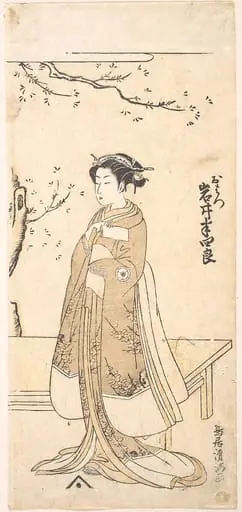
Tosen employed fine woodblock carving to achieve soft transitions in color and subtle modeling of form. The robe’s folds are suggested with minimal lines, while the background branch is rendered in light, sketch-like strokes. Colors are muted—greens, blues, and browns—applied in delicate washes that avoid bold contrasts. The overall effect is one of quiet harmony, with attention paid to texture and spatial depth through layered printing rather than perspective.
History & Provenance
The print entered The Metropolitan Museum of Art’s collection as part of a broader acquisition of Edo-period Japanese prints. Its attribution to Tosen is based on stylistic analysis and comparison with other known works, though documentation of its early ownership is limited. It likely circulated among collectors or urban households, where such intimate scenes were appreciated for their tranquility and craftsmanship.
Context
Produced during the late Edo period, this print reflects a growing interest in everyday life among urban audiences. While grand historical or theatrical subjects dominated commercial prints, quieter domestic moments like this one appealed to those seeking respite from public spectacle. Artists like Tosen contributed to a quieter visual culture, one that valued restraint, naturalism, and emotional nuance over dramatic flair.
Legacy
Tosen’s work, though less widely known than contemporaries like Utamaro or Hokusai, represents an important strand of Edo-period printmaking focused on private, unidealized moments. This print endures as an example of how artists captured the stillness of daily life with technical precision and emotional sensitivity. Its preservation in a major museum underscores its value as a quiet testament to domestic aesthetics of the time.
Artist & collection