Artwork
Le Chariot de terre cuite
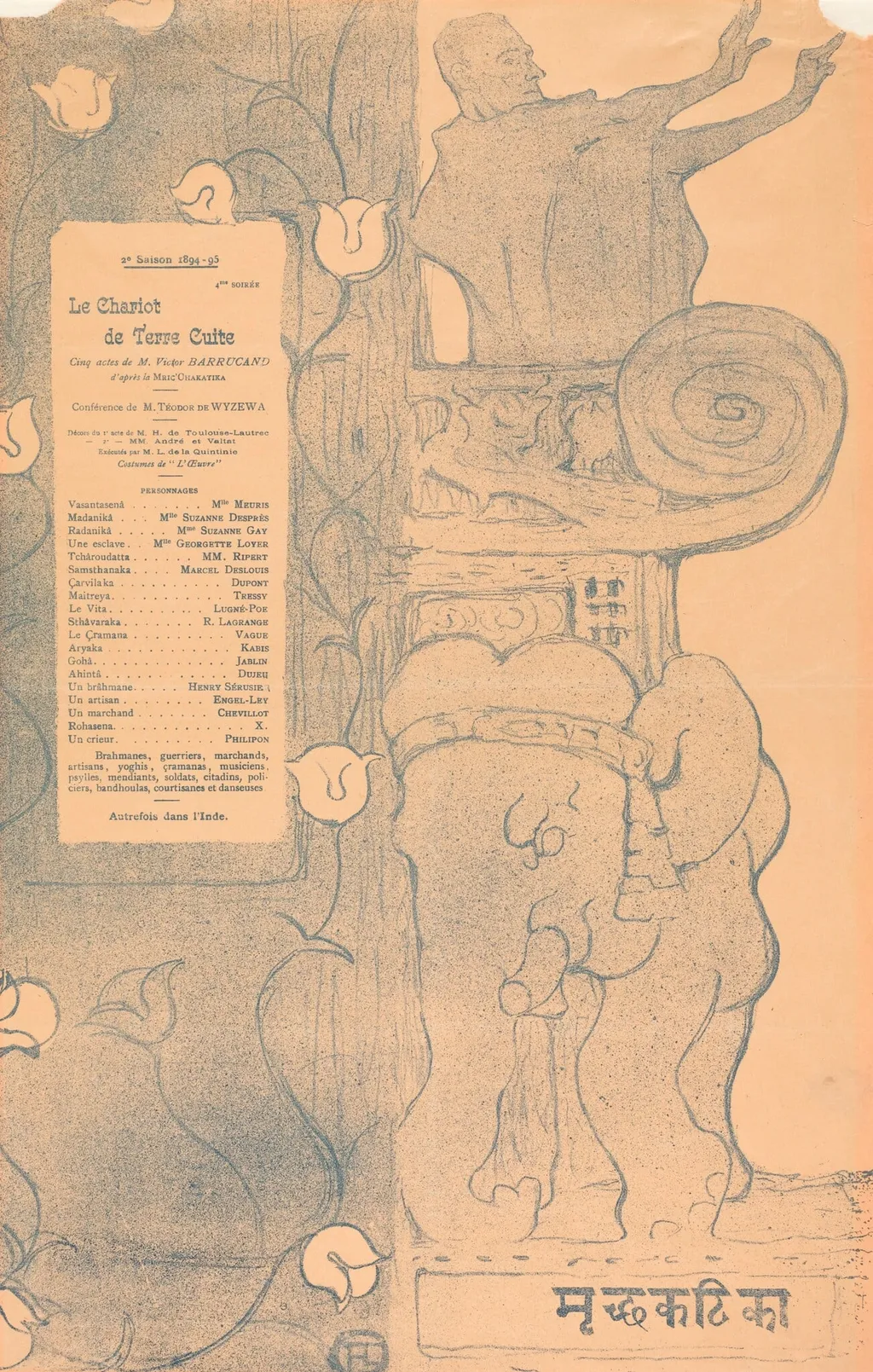
Le Chariot de terre cuite is an ink print by the Impressionist artist Henri de Toulouse-Lautrec. It dates from 1895 and is held in the collection of the National Gallery of Art.
About this work
Overview
Le Chariot de terre cuite is a 1895 lithograph by Henri de Toulouse-Lautrec, executed in blue ink on pink wove paper, combining textual elements with a sketchy, blue-lined illustration.
Subject & Meaning
The print advertises a play, *Le Chariot de Terre Cuite*, listing characters (Brahmanes, guerriers, marchands) on the left, while the right depicts a temple scene with a kneeling figure, a chariot, and swirling patterns, evoking an exotic, theatrical setting.
Technique & Style
Characterized by loose, undetailed lines, the lithograph showcases Toulouse-Lautrec's expressive use of a single blue hue on a pink paper background, typical of his poster style during this period.
History & Provenance
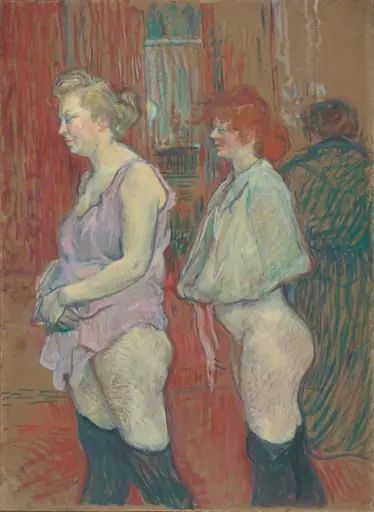
Created in 1895 by Toulouse-Lautrec, a French artist known for capturing Paris's theatrical and social life, particularly in brothels and performance environments, reflecting his unique perspective shaped by his aristocratic background and physical limitations.
Context
This work exemplifies Toulouse-Lautrec's contribution to late 19th-century Parisian art, blending advertising and art in lithographic posters, a medium he helped popularize.
Legacy
While *Le Chariot de terre cuite* may not be Toulouse-Lautrec's most renowned work, it contributes to the broader appreciation of his lithographic techniques and his role in the fin-de-siècle Parisian artistic landscape.
Artist & collection
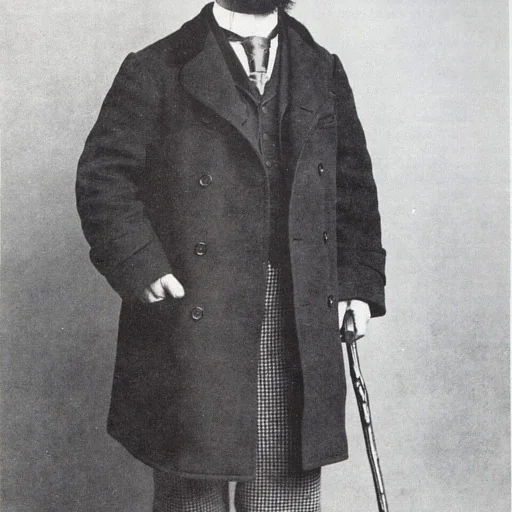
Artist
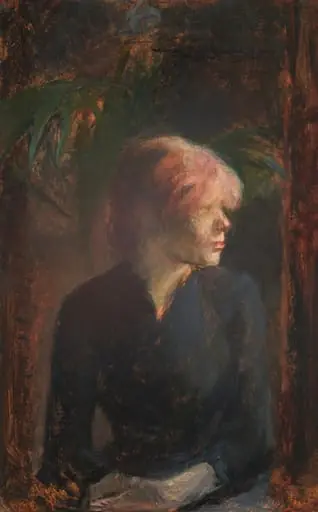
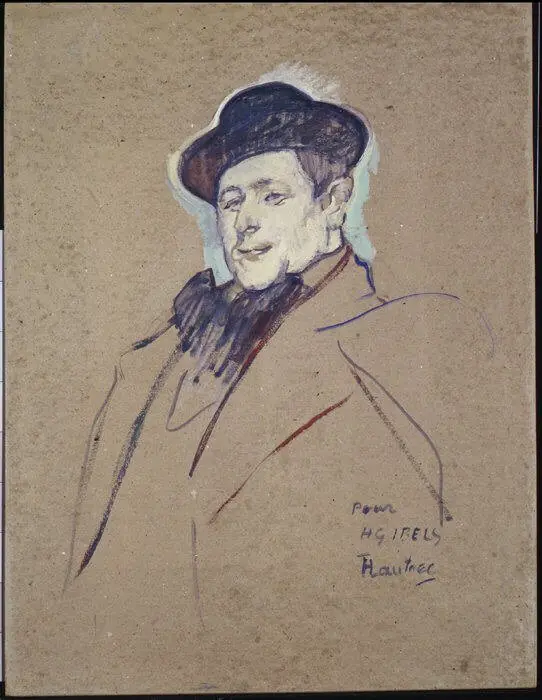
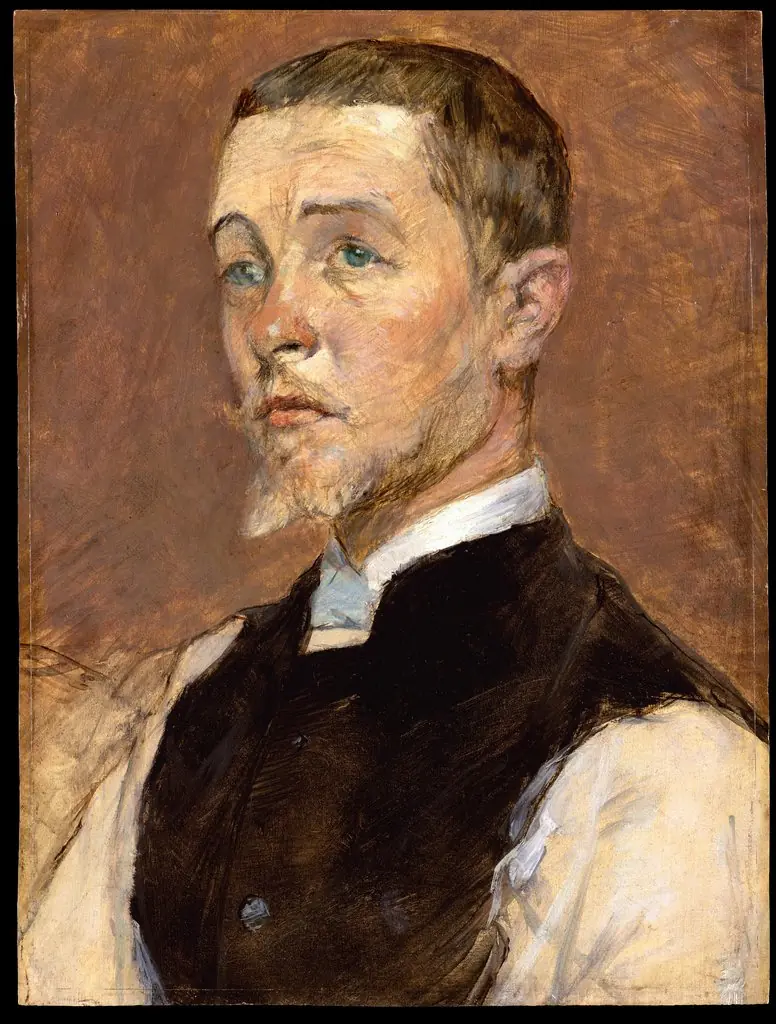
Comte Henri Marie Raymond de Toulouse-Lautrec-Montfa (24 November 1864 – 9 September 1901), known as Toulouse-Lautrec (French: ), was a French painter, printmaker, draughtsman, caricaturist, and illustrator.