Artwork
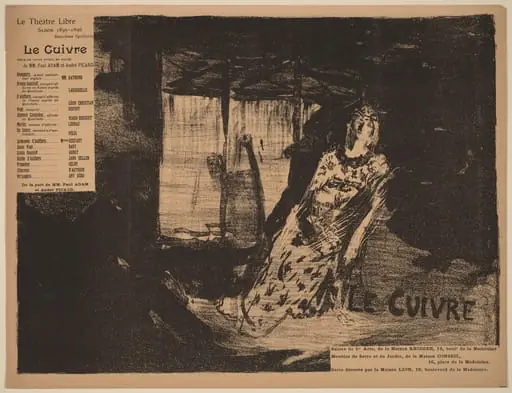
Le Cuivre
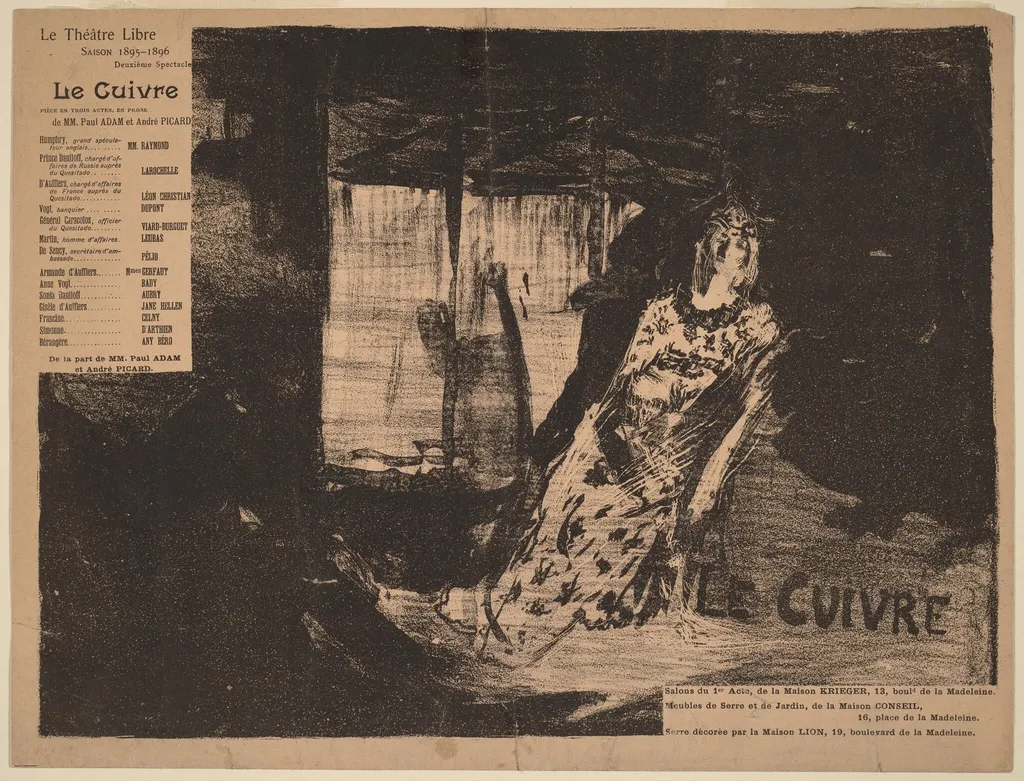
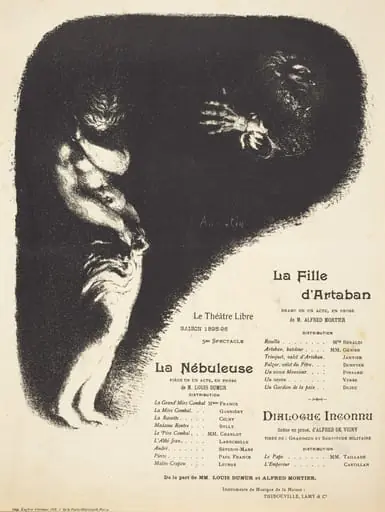
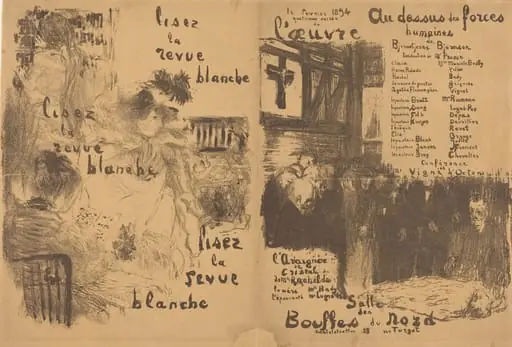
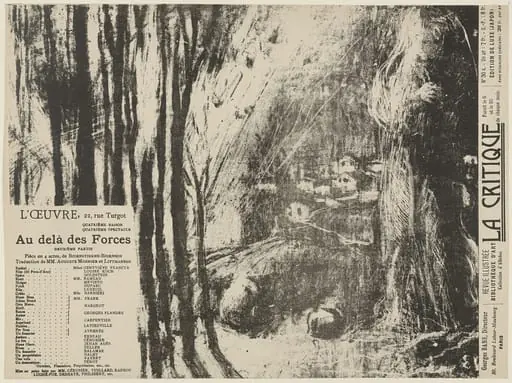
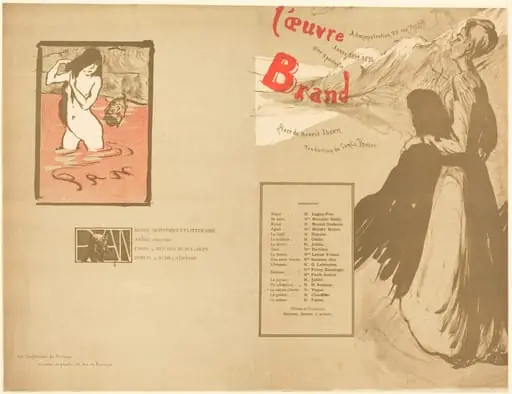
Le Cuivre is an ink print by the Impressionist artist Pierre-Eugène Vibert. It dates from 1895 and is held in the collection of the National Gallery of Art.
About this work
Overview
Le Cuivre is a lithograph created in 1895 by Pierre-Eugène Vibert. Executed in black ink on pink wove paper, it presents a solitary female figure in a minimally furnished interior. The work belongs to the print medium, utilizing the lithographic process to achieve subtle tonal gradations and a restrained aesthetic. Its quiet composition emphasizes stillness over narrative detail.
Subject & Meaning
A woman sits with her hands folded in her lap, gazing downward, her face obscured by shadow. The absence of facial expression and the dim, unadorned room invite interpretation as a moment of introspection. No external cues—furniture, objects, or activity—disturb the scene, reinforcing a sense of inward focus and emotional restraint. The work suggests contemplation without specifying its cause.
Technique & Style
Vibert employed lithography, a method where an image is drawn on a stone surface and transferred to paper via ink. The print uses monochrome black on a soft pink ground, enhancing the muted atmosphere. Delicate lines and soft contrasts define the figure and space, avoiding sharp detail. The technique allows for tonal nuance, supporting the subdued mood without overt realism.
History & Provenance
Created in 1895, Le Cuivre emerged during a period when lithography was widely used for both commercial and artistic prints in France. While specific ownership history is not documented, its production aligns with late 19th-century interest in intimate, psychologically resonant imagery. The work remains part of the broader tradition of private, non-narrative printmaking of the era.
Context
In the 1890s, French artists increasingly turned to quiet, interior scenes as alternatives to grand historical or social themes. Vibert’s work reflects this shift, resonating with contemporaries like Degas and Toulouse-Lautrec who explored solitude and everyday moments. The lithograph’s simplicity and emotional ambiguity place it within a growing trend of psychological realism in print.
Legacy
Le Cuivre does not appear to have influenced major artistic movements directly, but it exemplifies the quiet, introspective vein of fin-de-siècle printmaking. Its preservation in institutional collections underscores its value as a representative work of technical restraint and emotional subtlety in late 19th-century French lithography.
Artist & collection