Artwork
Program for "La lepreuse" (Programme pour "La lépreuse")
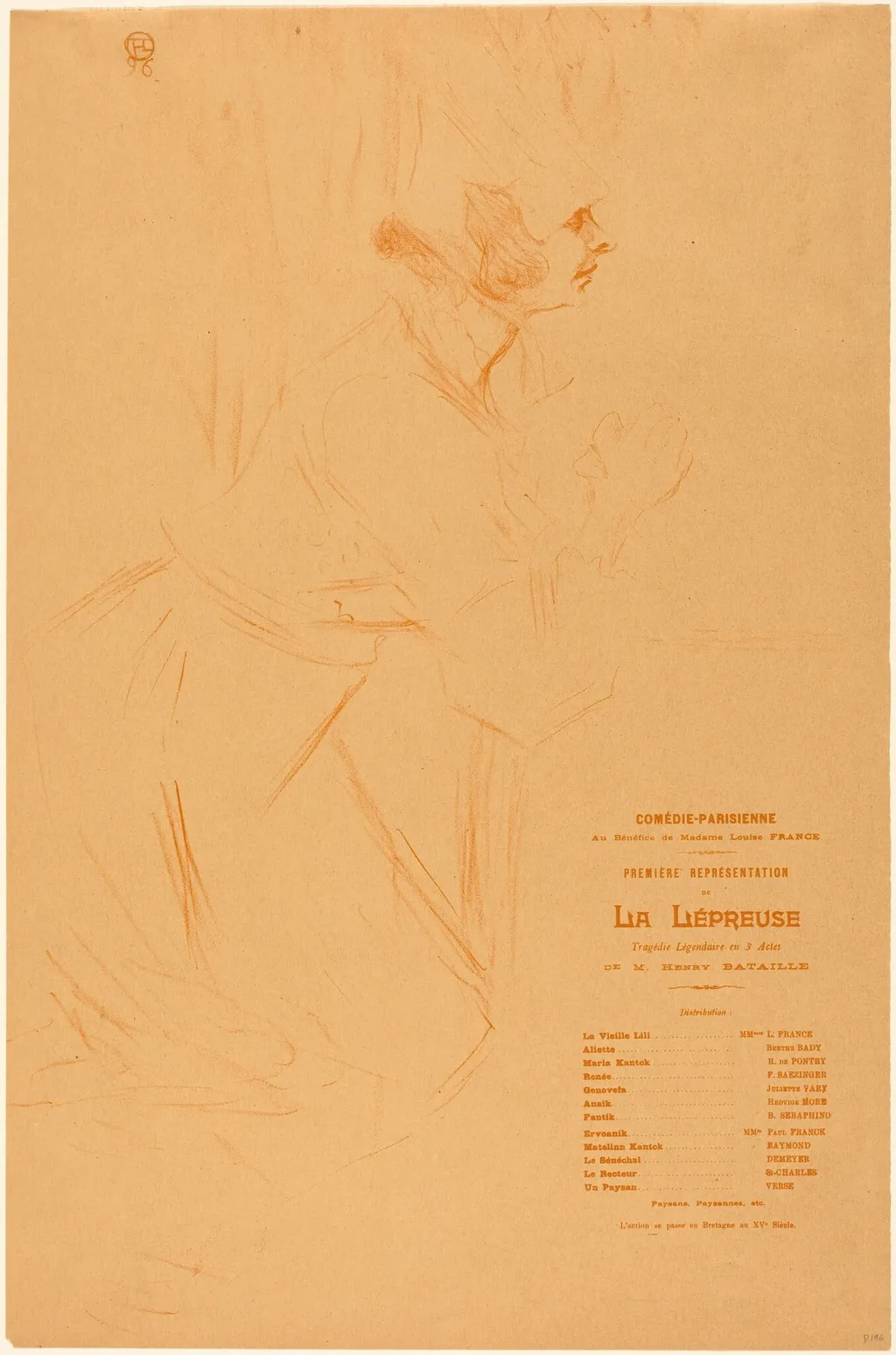
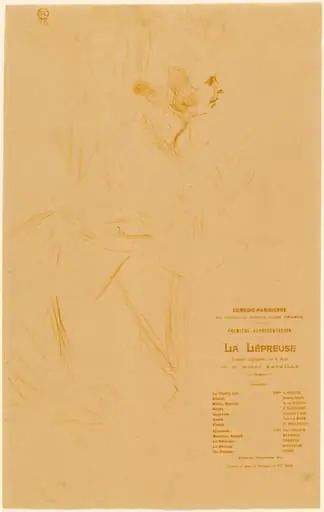
Program for "La lepreuse" (Programme pour "La lépreuse") is an ink print by the Impressionist artist Henri de Toulouse-Lautrec. It dates from 1896 and is held in the collection of the National Gallery of Art. Created in 1896, this red lithograph served as the program for the theatrical production 'La Lépreuse.
About this work
Overview
Though intended as a functional theater handout, its composition reveals his artistic sensitivity to movement and social observation.
Created in 1896, this red lithograph served as the program for the theatrical production 'La Lépreuse.' Designed by Henri de Toulouse-Lautrec, it combines a dynamic figure sketch with a formal list of cast members. The use of red ink on a pale ground emphasizes contrast and immediacy, characteristic of Lautrec’s graphic style. Though intended as a functional theater handout, its composition reveals his artistic sensitivity to movement and social observation.
Subject & Meaning
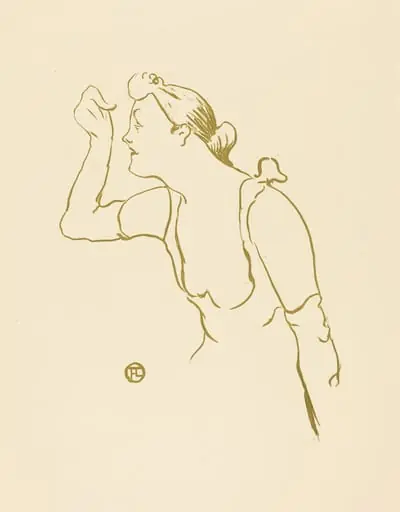
The central figure is a woman captured mid-motion, arms raised, her flowing dress suggesting dance or gesture. Her form is rendered with swift, unrefined lines, evoking spontaneity rather than idealization. This aligns with Lautrec’s interest in performers and those on society’s edges. The juxtaposition of this energetic sketch with the precise, typographic cast list underscores a tension between the theatrical illusion and the real individuals behind it.
Technique & Style
Lautrec employed lithography, a process allowing direct drawing on stone with greasy crayon. Here, he used red ink to achieve bold, fluid lines that mimic the energy of a quick sketch. The loose, gestural handling contrasts with the tightly written names below, demonstrating his ability to blend expressive drawing with functional design. The limited palette heightens visual focus, a hallmark of his poster and program work.
History & Provenance
Produced for a specific 1896 performance, this lithograph was likely printed in small quantities for audience distribution. As a theater program, it was not meant for long-term preservation, making surviving examples rare. Its existence today reflects its later recognition as a document of Lautrec’s engagement with Parisian performance culture, rather than its original utilitarian purpose.
Context
In 1890s Paris, theater and cabaret were central to urban life, and artists like Lautrec often collaborated with venues to create promotional materials. 'La Lépreuse,' a play about social exclusion, resonated with his recurring themes of isolation and performance. His designs for such programs blurred the line between art and advertisement, reflecting a broader cultural shift in how visual media served public spectacle.
Legacy
Though originally ephemeral, this lithograph now stands as an example of Lautrec’s influence on graphic design. His integration of expressive drawing into commercial work helped redefine the artistic potential of printed programs and posters. It remains a quiet testament to his ability to elevate everyday objects through keen observation and economical line.
Artist & collection
Artist
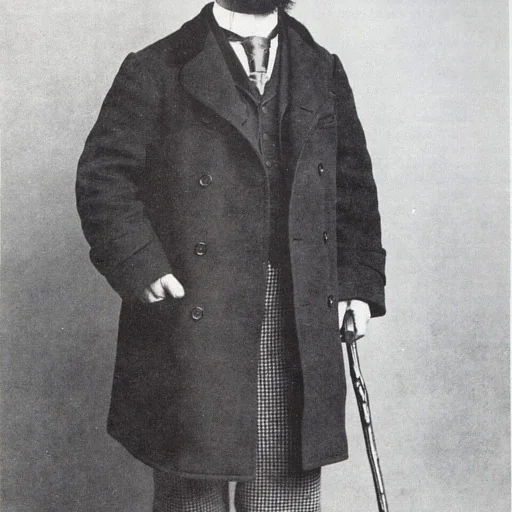
Comte Henri Marie Raymond de Toulouse-Lautrec-Montfa (24 November 1864 – 9 September 1901), known as Toulouse-Lautrec (French: ), was a French painter, printmaker, draughtsman, caricaturist, and illustrator.

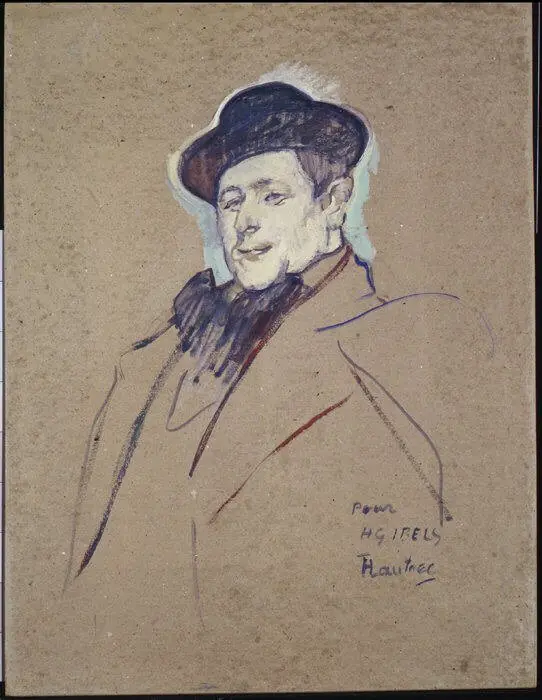
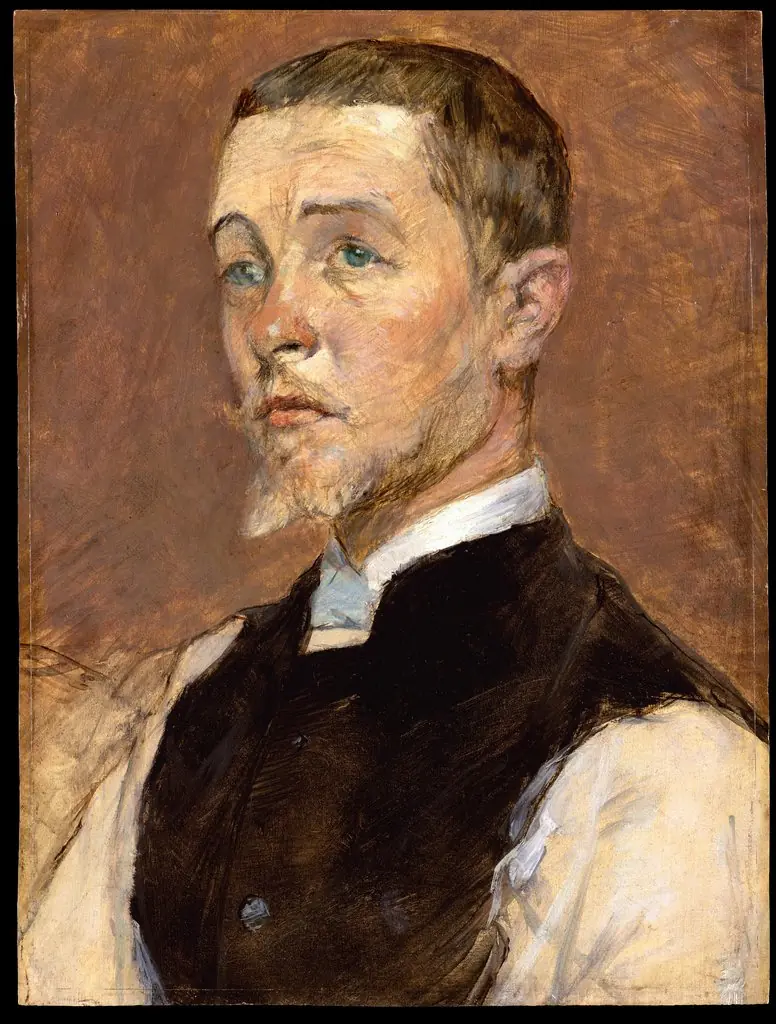
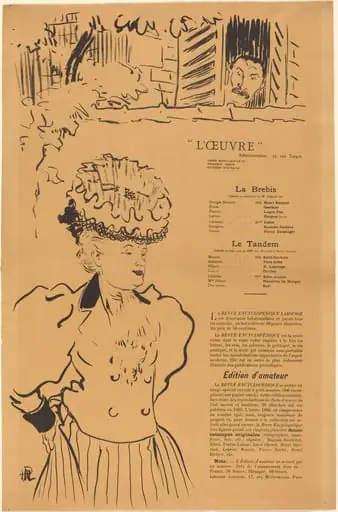 La Brebis; Le Tandem
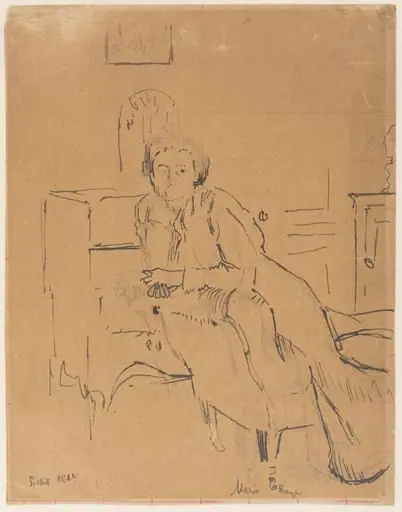 'Marie Hayes'
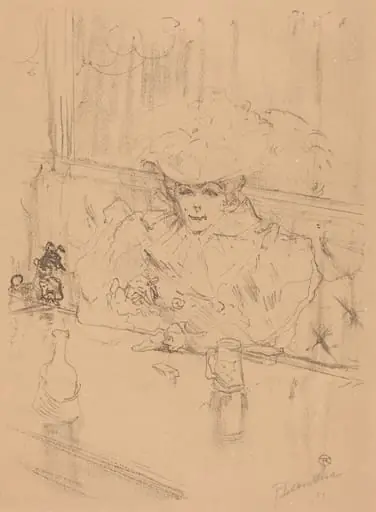 At the Hanneton (Au Hanneton)
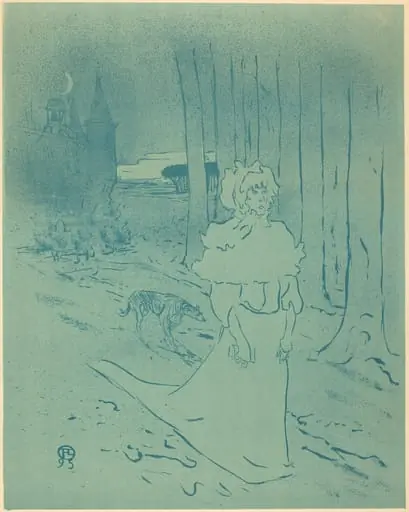 The Manor Lady or the Omen (La chatelaine ou le tocsin)
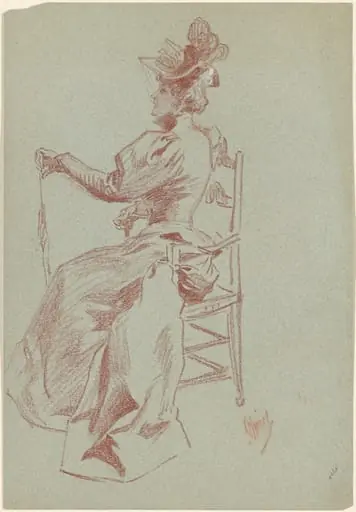 Elegant Lady Seated in a Chair
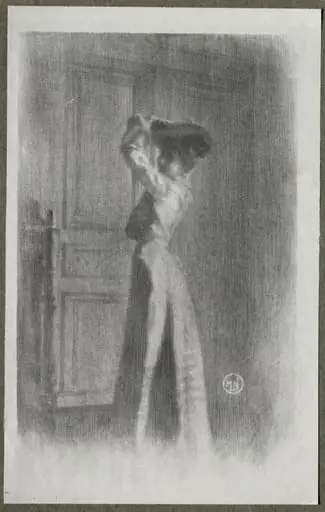 Fashionable Woman
 Etude
Etude Tête de femme, profil à droite (Head of a Woman in Profile to the Right)
 Study of a Seated Woman
 Le Bien d'autrui; Hors Les Lois
 Paula Brébion
 La Lépreuse