Artwork
La Lépreuse
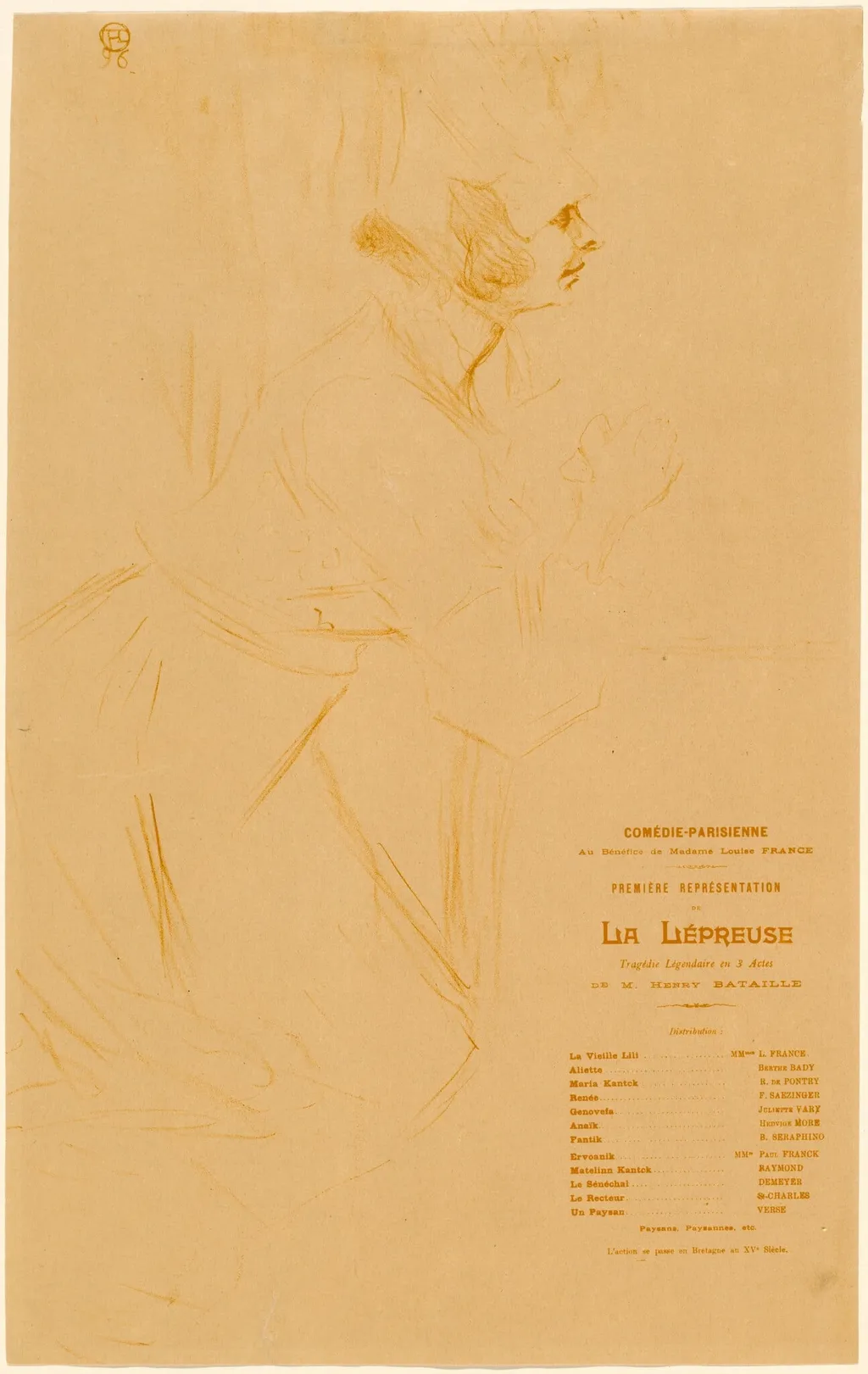
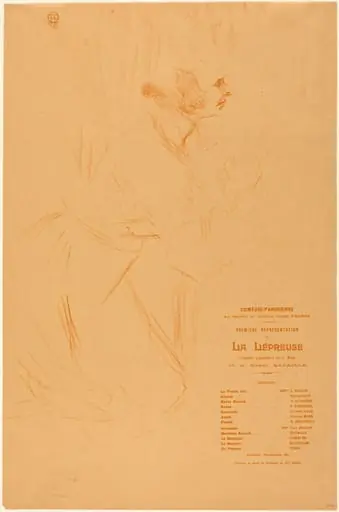
La Lépreuse is an ink print by the Impressionist artist Henri de Toulouse-Lautrec. It dates from 1896 and is held in the collection of the National Gallery of Art.
About this work
Overview
La Lépreuse is a lithographic print executed in 1896 by Henri de Toulouse‑Lautrec. Rendered in a red‑brown tone on light‑brown wove paper, the work measures a modest size typical of the artist’s prints. It portrays a solitary female figure, rendered with careful line work and restrained shading, inviting quiet observation rather than narrative drama.
Subject & Meaning
The portrait shows a woman whose demeanor suggests contemplation; her head is turned slightly to the right and inclined downward, hair pulled back, and dress capped with a high neckline. Though titled with reference to leprosy, the image does not depict overt disease but rather evokes the social marginality of individuals associated with such conditions in late‑19th‑century Paris.
Technique & Style
Toulouse‑Lautrec employs the lithographic process to achieve bold, fluid lines that define the figure’s contours, while delicate gradations of tone provide subtle modeling of cheek and lips. The background is largely omitted, allowing the paper’s natural hue to serve as a neutral field that emphasizes depth through contrast rather than elaborate scenery.
History & Provenance
Created during a prolific period when the artist was documenting the nightlife and peripheral figures of Montmartre, La Lépreuse reflects his interest in society’s overlooked participants. The print has circulated among private collections and museum holdings since its early exhibition, illustrating Toulouse‑Lautrec’s enduring engagement with print media as a means of social commentary.
Artist & collection
Artist
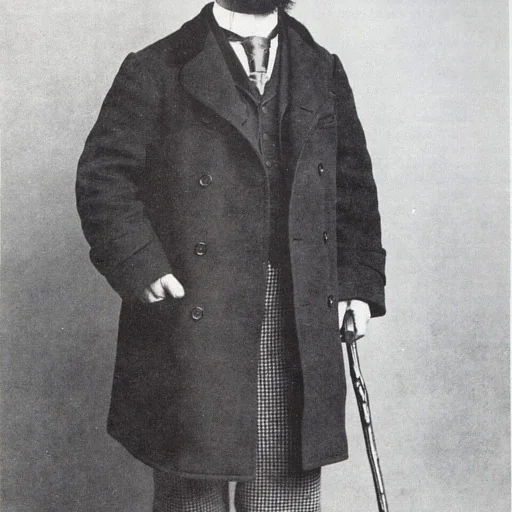
Comte Henri Marie Raymond de Toulouse-Lautrec-Montfa (24 November 1864 – 9 September 1901), known as Toulouse-Lautrec (French: ), was a French painter, printmaker, draughtsman, caricaturist, and illustrator.

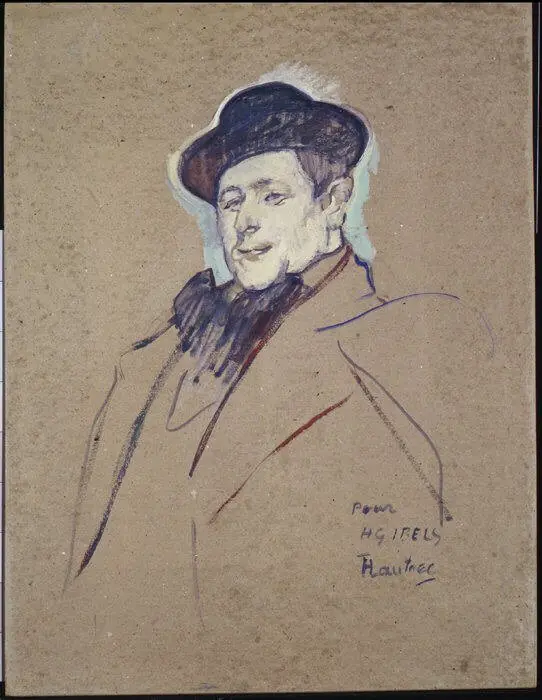
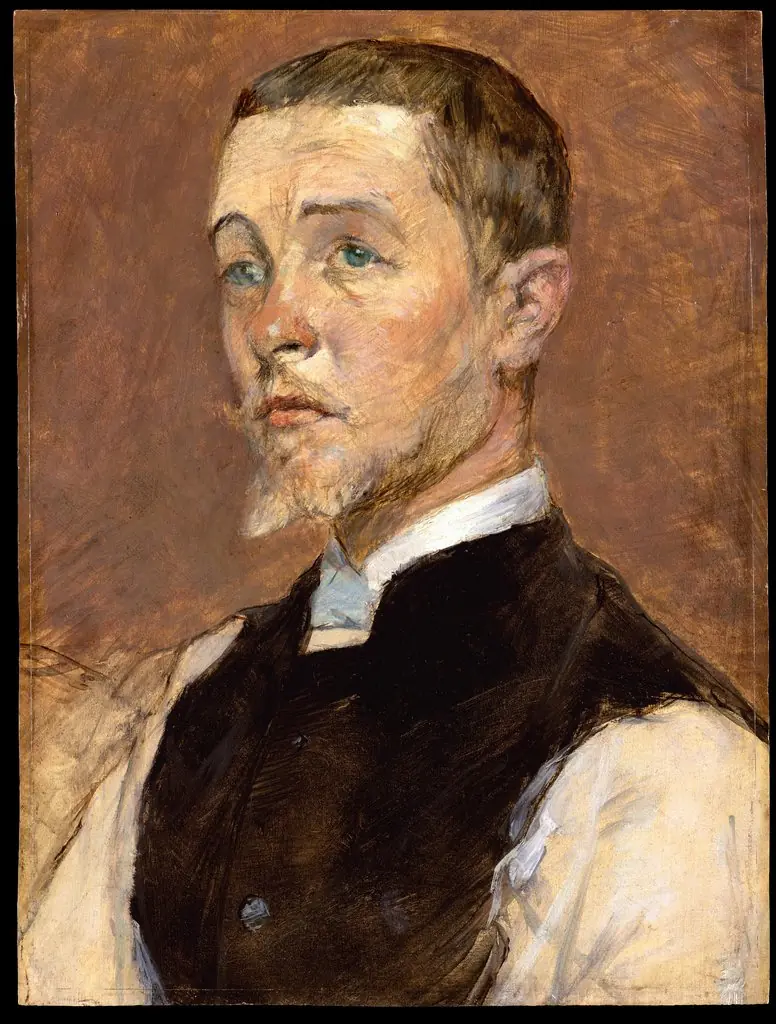
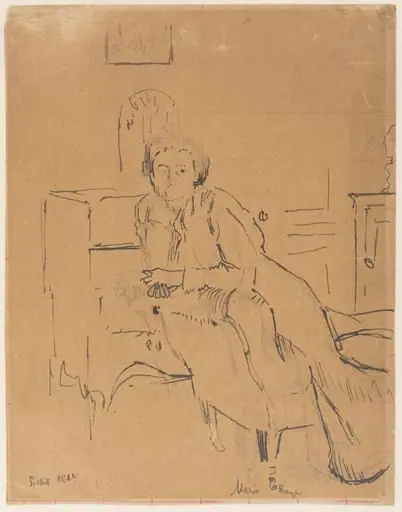 'Marie Hayes'
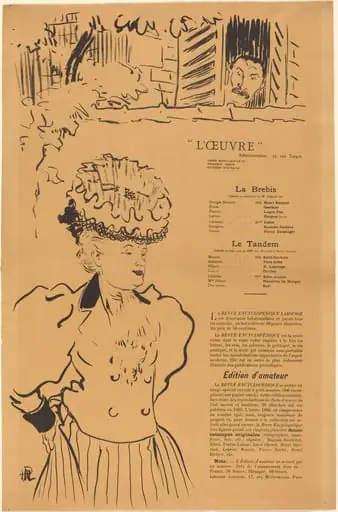 La Brebis; Le Tandem
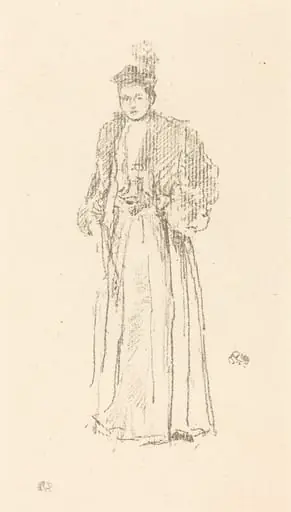 Portrait Study: Miss Charlotte R. Williams
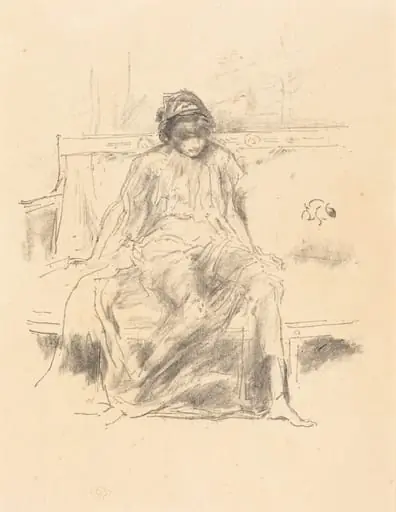 The Draped Figure, Seated
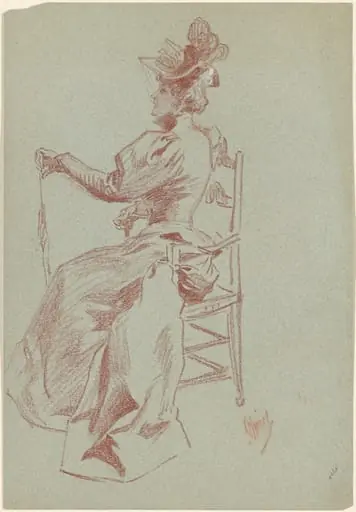 Elegant Lady Seated in a Chair
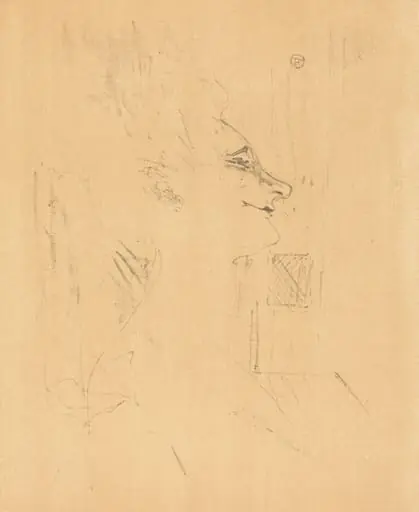 Drunkard (Soularde)
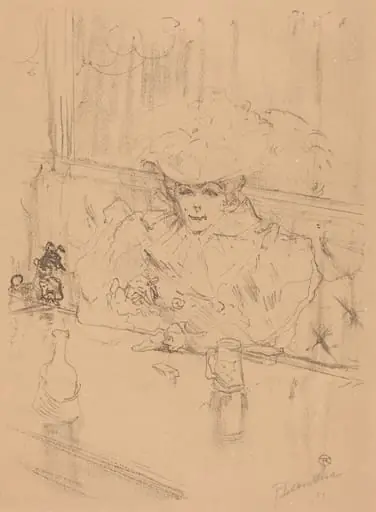 At the Hanneton (Au Hanneton)
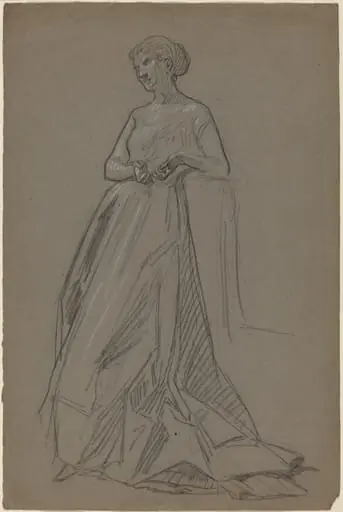 Standing Woman Leaning on Her Elbow
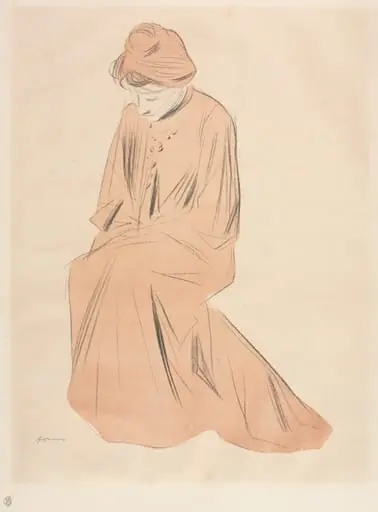 Study of a Seated Woman
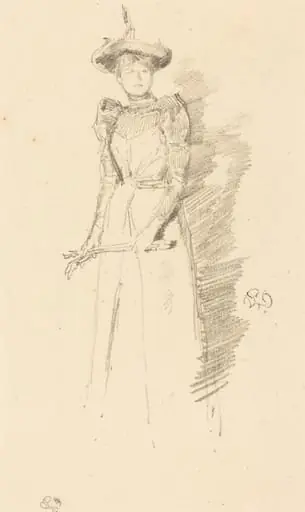 Gants de Suède
 Yvette Guilbert
 Program for "La lepreuse" (Programme pour "La lépreuse")