Artwork
The Jockey (Le jockey)
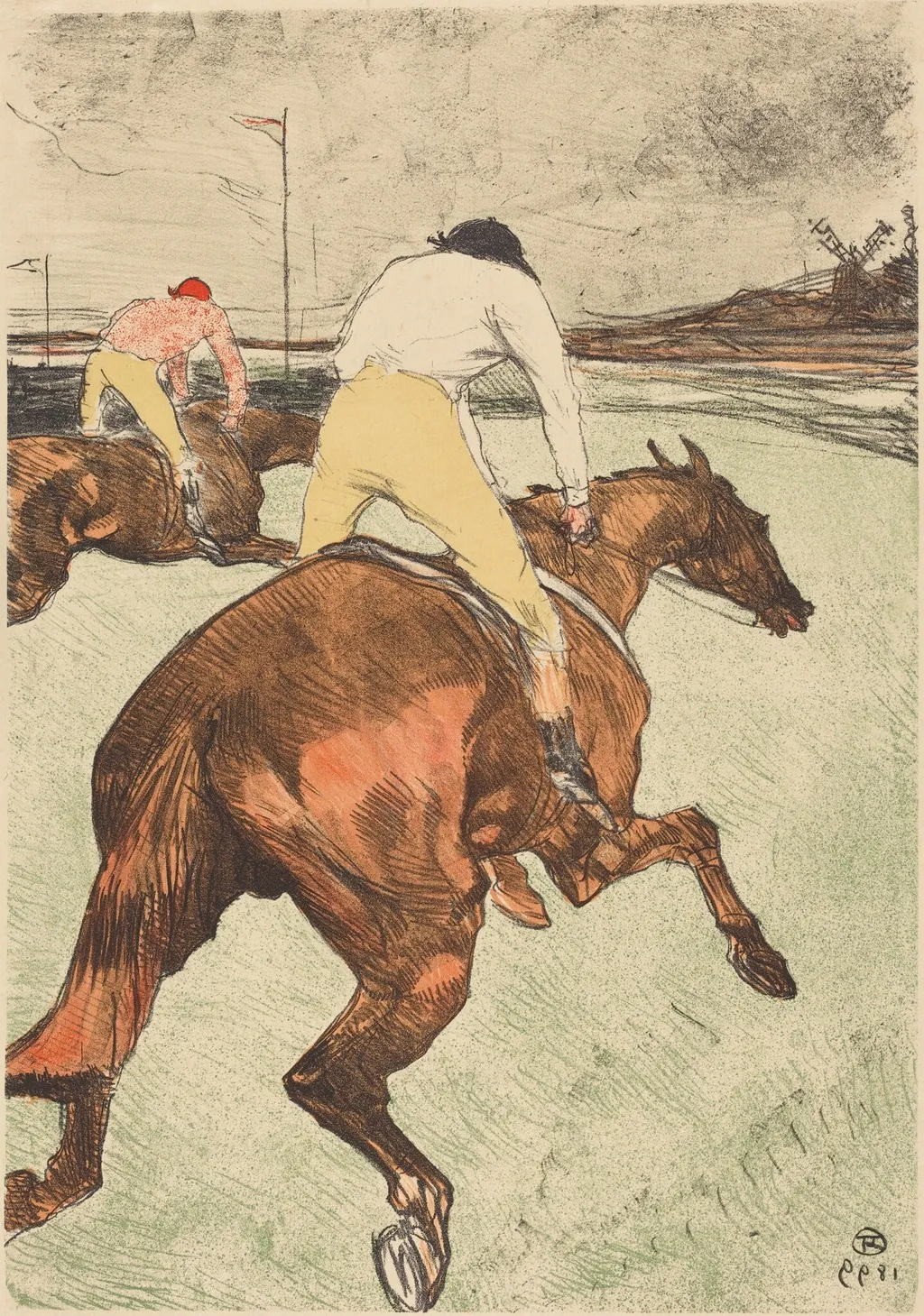
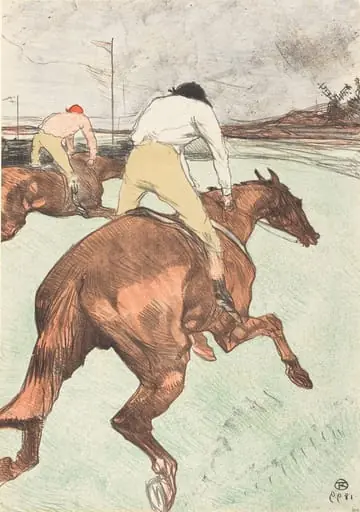
The Jockey (Le jockey) is an ink print by the Impressionist artist Henri de Toulouse-Lautrec. It dates from 1899 and is held in the collection of the National Gallery of Art.
About this work
Overview
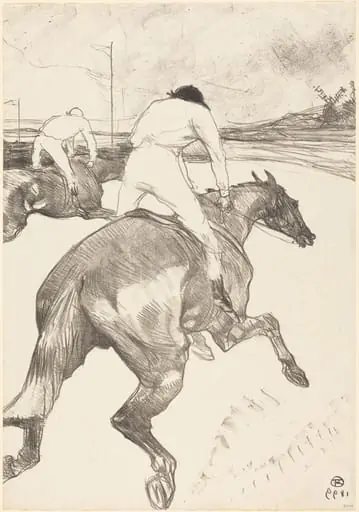
The Jockey (Le jockey) is a 1899 color lithograph on Chinese paper, a trial proof created by Henri de Toulouse-Lautrec. The work captures a dynamic scene of horse racing, featuring two jockeys and horses in motion against a light green background.
Subject & Meaning
The print focuses on the energetic world of racing, a subject reflective of Toulouse-Lautrec’s interest in performance culture and the vibrant public spectacles of late 19th-century Paris.
Technique & Style
Characterized by bold lines and vivid colors, the lithograph conveys a sense of immediacy and spontaneity. The use of contrasting colors (white, yellow, red, pink against brown horses and a green backdrop) enhances the dynamic atmosphere of the race.
History & Provenance
Created in 1899, this trial proof represents Toulouse-Lautrec’s continued exploration of Parisian entertainment themes. Born in 1864 into French aristocracy, his artistic career was marked by a fascination with the city’s nightlife and public performances.
Context
The Jockey reflects the broader cultural fascination with racing and entertainment in fin-de-siècle Paris. Toulouse-Lautrec’s depiction of this world aligns with his broader oeuvre documenting the city’s lively spectacles.
Own this work as a print
Artist & collection
Artist
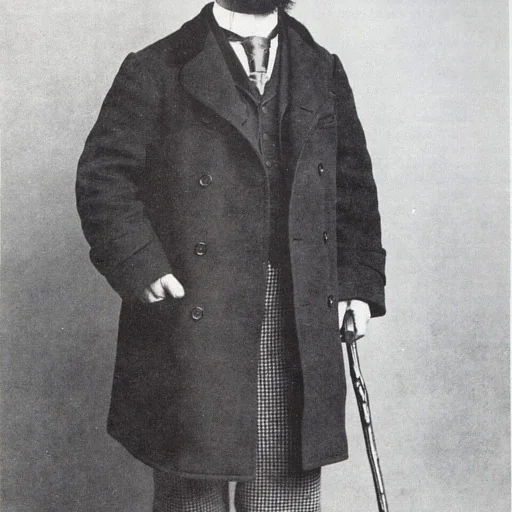
Comte Henri Marie Raymond de Toulouse-Lautrec-Montfa (24 November 1864 – 9 September 1901), known as Toulouse-Lautrec (French: ), was a French painter, printmaker, draughtsman, caricaturist, and illustrator.