Artwork
The Jockey (Le jockey)
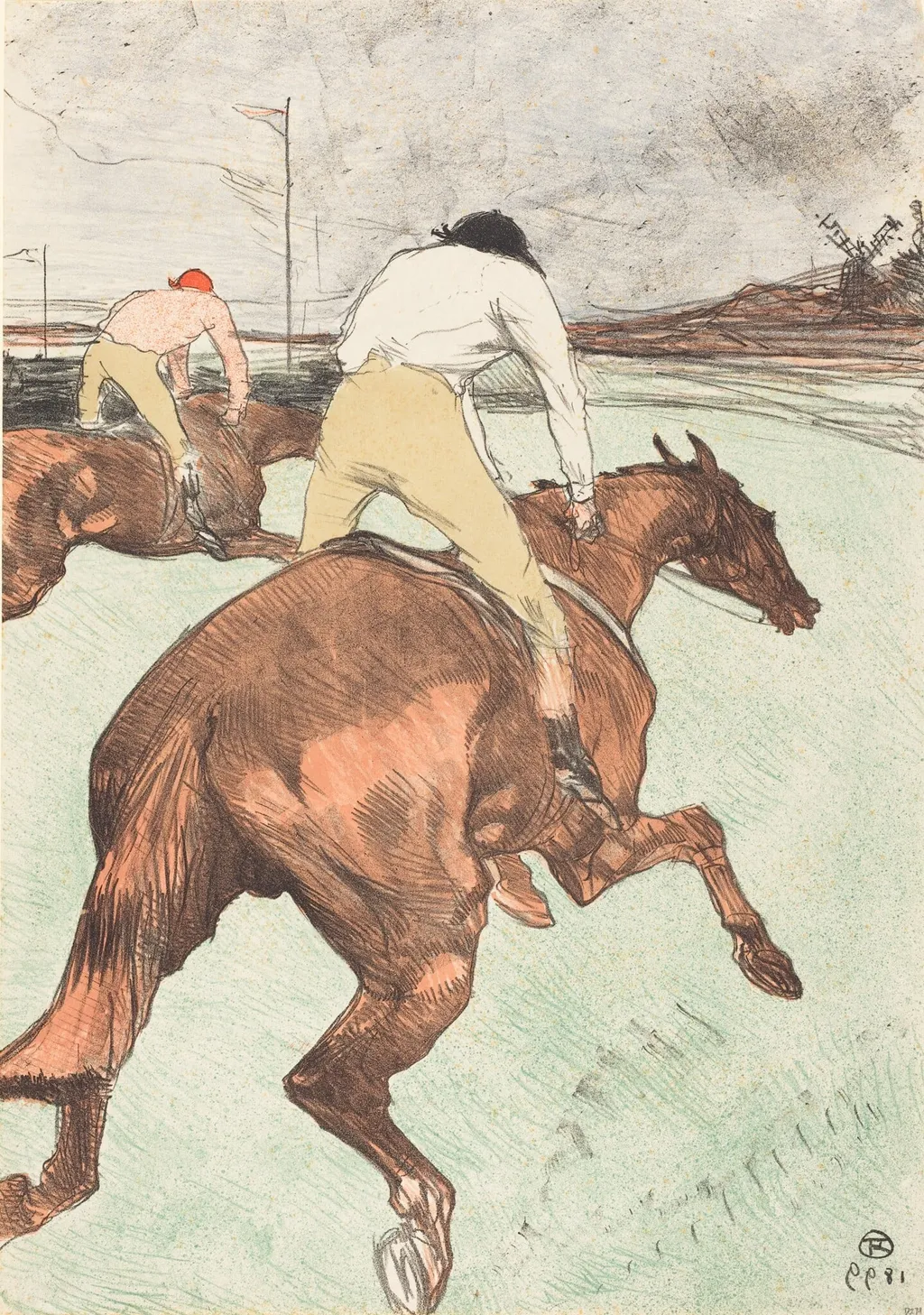
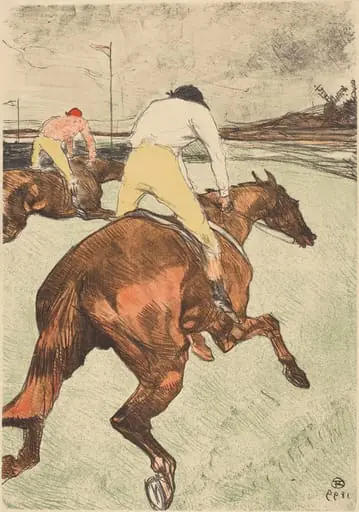
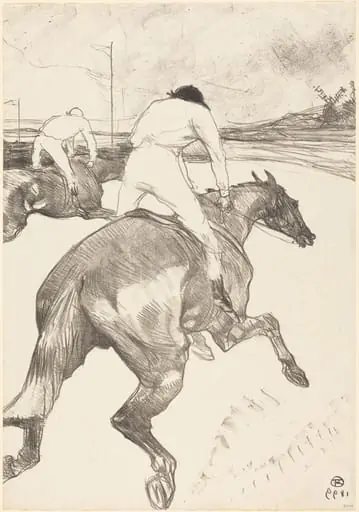
The Jockey (Le jockey) is an ink print by the Impressionist artist Henri de Toulouse-Lautrec. It dates from 1899 and is held in the collection of the National Gallery of Art.
About this work
Overview
The Jockey is a 1899 color lithograph on Chinese paper by Henri de Toulouse-Lautrec, capturing a horse and rider in motion.
Subject & Meaning
The print depicts a jockey bent low over a galloping horse's neck, conveying speed and energy. The blurred background, featuring other riders and a fence, emphasizes the dynamic movement of the central figures.
Technique & Style
Toulouse-Lautrec employed loose, expressive lines to convey motion, creating a sense of rapid execution. The lithographic technique allowed for bold, vibrant colors and a fluid representation of the scene.
Context
The work reflects Toulouse-Lautrec's interest in contemporary sporting culture and the visual language of poster art, as well as his unique perspective as an artist with a physical disability and an outsider within high society.
Own this work as a print
Artist & collection
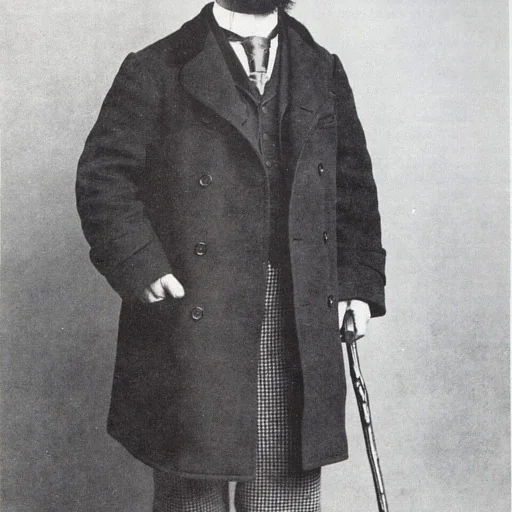
Artist
Comte Henri Marie Raymond de Toulouse-Lautrec-Montfa (24 November 1864 – 9 September 1901), known as Toulouse-Lautrec (French: ), was a French painter, printmaker, draughtsman, caricaturist, and illustrator.